

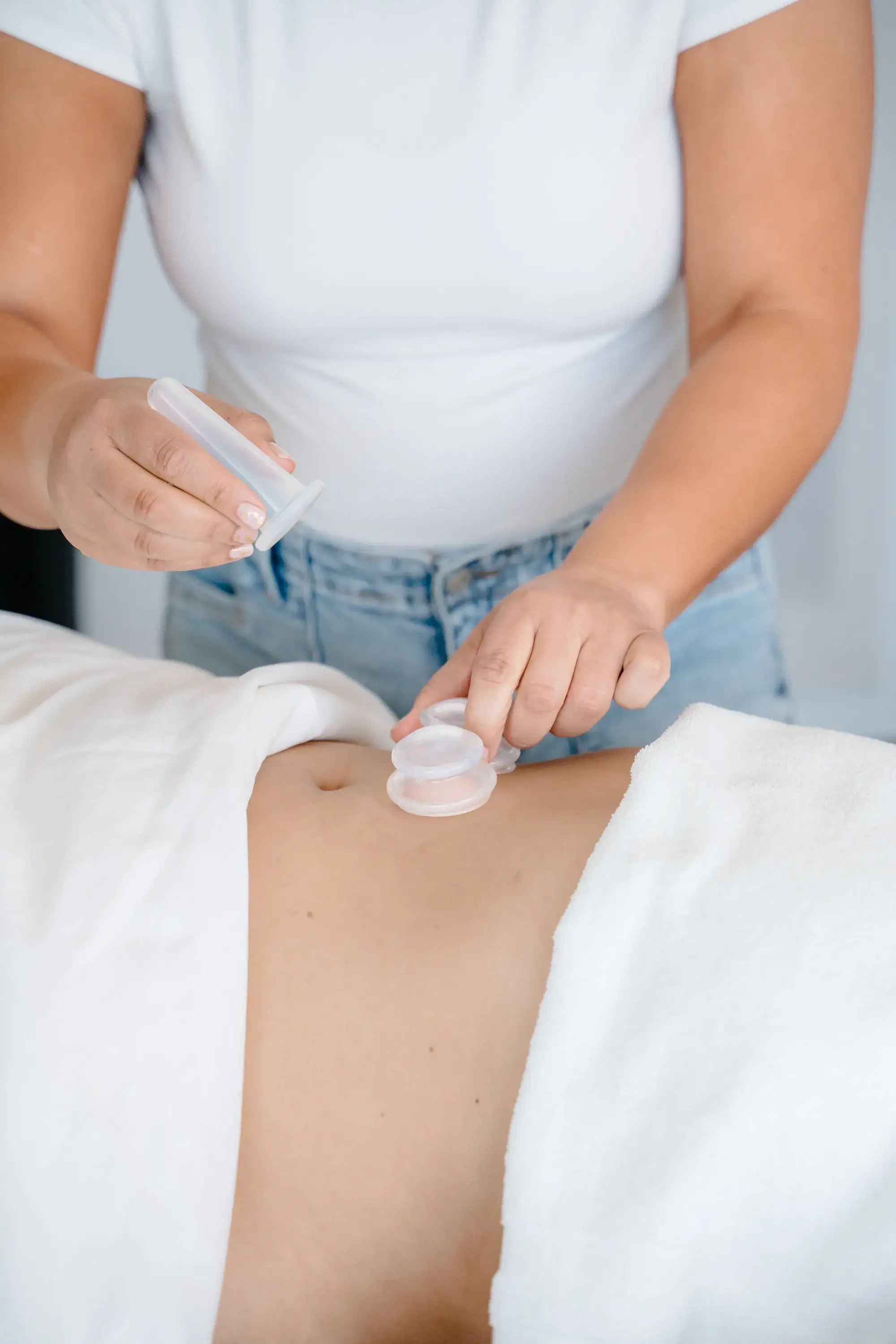
Pre and post-op lymphatic drainage massage in Calgary
Post-op lymphatic drainage is a gentle manual technique that reduces swelling and bruising, manages fibrosis and speeds healing after surgery. At Renu it is delivered by a Certified Lymphedema Therapist and lymphatic-trained RMTs, and can begin as early as 24 hours after surgery with your surgeon’s approval. One to three pre-op sessions prepare the tissue; a staged post-op plan supports you through recovery.
Why lymphatic drainage before and after surgery
Surgery disrupts the lymphatic system, so fluid pools, bruising spreads and scar tissue can harden. Manual lymphatic drainage moves that fluid toward healthy nodes, which reduces swelling, eases pain, improves circulation and lowers the risk of fibrosis. Many surgeons recommend it as part of a post-operative care plan.
Before surgery, one to three sessions drain the tissue and stimulate the immune and parasympathetic nervous systems. Surgeons have described clean, well-drained tissue as easier to work with, which can mean a neater incision and scar. After surgery, treatment can start as soon as 24 hours post-op with your physician’s approval, provided there is no infection or other contraindication, and works best alongside the compression garments your surgeon recommends.
- Reduces swelling and fluid retention
- Speeds recovery and healing
- Alleviates pain and discomfort
- Helps prevent fibrosis and excess scar tissue
- Improves circulation and minimizes bruising
- Improves range of motion
- Supports immune function to help prevent post-surgical infection

A staged approach to post-op recovery
Recovery is planned in two stages so the frequency of treatment matches what your tissue needs. Typically that means two to three sessions a week for the first two weeks, easing to weekly as swelling settles.
- Stage 1, gentle swelling reduction (4 to 6 sessions): addresses immediate post-operative swelling and inflammation and enhances overall lymphatic function to support healing.
- Stage 2, fibrosis management and enhanced recovery (6 or 10 sessions): targets fibrosis and scar tissue formation, improving tissue contour and long-term mobility.
Orthopedic post-op lymphatic massage
After orthopedic surgery, managing swelling, reducing pain and regaining mobility are the priorities. Starting lymphatic massage within the first week, once your surgeon approves, improves recovery outcomes.
- Hip replacement
- Knee surgery and joint replacement
- Shoulder surgery and rotator cuff repair
- ACL reconstruction
- Arthroscopic procedures

Lymphatic massage for oncology patients
Oncology massage is tailored to the changing needs of someone undergoing or recovering from cancer treatment. Our Certified Lymphedema Therapist holds specialized training in oncology and manual lymphatic drainage, so treatment can be modified safely for people going through chemotherapy, radiation or surgery involving lymph nodes.
There are contraindications we watch for, including active infection, deep vein thrombosis risk, malignant tumours and major heart problems. Where they arise, treatment is designed with the approval of your medical team. Sessions target treatment-related fatigue, nausea, anxiety and pain, monitor for signs of lymphedema, and use gentle techniques adapted to your health status. All oncology and orthopedic lymphatic work is performed by Meeghan Mackenzie, RMT, CLT.
- Lumpectomy and mastectomy
- Lymph node dissection
- Radiation fibrosis
- Axillary web syndrome (cording)
- Post-surgical swelling and discomfort
Cosmetic and plastic surgery recovery
For liposuction, abdominoplasty, Brazilian butt lift, breast augmentation, reduction or reconstruction, mommy makeovers, body lifts and facelifts, post-op lymphatic drainage is delivered through BodyTox by Renu, our lymphatic body studio in the same clinic. Compression garment fitting and ordering are available for every kind of surgery.
Who it helps
Who should consider post-op lymphatic massage
This therapy is ideal for people recovering from surgeries such as:
- Orthopedic surgery: hip, knee and shoulder
- Tumour removal or lymph node dissection
- Breast cancer surgery, lumpectomy and lymph node removal
- Reconstructive surgery
- Liposuction, including arms, legs and 360 lipo
- Abdominoplasty (tummy tuck) and body lifts
- Breast augmentation, reduction and reconstruction
- Facelifts and other cosmetic procedures
Your practitioners
Who delivers pre and post-op lymphatic drainage


Client reviews
In their words
“Meeghan is amazing to work with, highly knowledgeable, and explains the lymphatic system in a way that is accessible so you can better take care of yourself in between appointments. Lymphatic drainage has made a huge difference to my chronic inflammation, pain, adrenal fatigue, and overall holistic wellness. I could not recommend this place more!”
Alyssa Hartwell“I have finally found a skillful and knowledgeable massage therapist in Calgary that does a fantastic lymphatic drainage! Meeghan is a treasure of a human being. Not only did I get a wonderful treatment, I also got to experience the infrared pod afterwards, which was delightfully recharging. The spa is beautiful and tastefully decorated, the space is calm and inviting. I enjoyed the nice attention to details like warm towels, soft bathrobe, warm tea after treatment and perfectly curated music at a pleasant volume in every room.”
Naomi Laliberte
From the Library
Questions and guides about pre and post-op lymphatic drainage




Keep reading
From the Lymphatic Learning Centre


Before your first visit
What happens during my first appointment?
Your first visit is part conversation, part treatment. We’ll start with your health history and the details of your surgery: what you had done, when, where, and anything your surgeon told you about your recovery. Your therapist will then assess your swelling, the feel of your tissue, and your incisions, so we know exactly where your body is in its healing. From there, we begin your lymphatic drainage treatment. Before you leave, we’ll talk through a treatment plan and a few simple things you can do at home between sessions.
When should I start post-op lymphatic drainage?
Generally within three to five days of surgery, depending on your surgeon’s recommendation and the procedure. With physician approval it can begin as early as 24 hours post-op. Early treatment minimizes the severity of swelling and bruising.
Do I need written clearance from my surgeon?
You don’t usually need written clearance to book, unless your surgeon has asked you to wait or to seek clearance first. We always recommend following your surgeon’s advice, and if they’ve given you specific instructions about timing, activity, or compression, please share them with us so we can support that plan.
What information should I bring from my surgeon?
Anything you have about your procedure is helpful: your surgical or operative report, the date of surgery, and any post-op instructions. If you’ve had cancer-related surgery, please let us know how many lymph nodes were removed and from which area. This helps your Certified Lymphedema Therapist plan and optimize your treatment safely.
Can I come to my appointment with drains, stitches, or open incisions?
In most cases, yes. Drains, stitches, and healing incisions don’t automatically prevent post-op lymphatic drainage. Your therapist assesses the area and works around anything that needs protecting.
What should I wear to my appointment?
Loose, comfortable clothing that’s easy to slip on and off over your compression garment, whether that’s a faja, a brace, or a binder.
Can someone come with me to my appointment?
Absolutely. Many clients bring a partner, friend, or family member in the early days, especially for help getting in and out of their compression garment.
What if I had surgery outside of Canada?
Many of our clients travel abroad for surgery and come to us for their recovery at home. Bring your operative report and post-op instructions (translated if possible) and let us know what treatments you’ve already had. Keep your surgeon’s contact information handy, and know where you’d go locally, such as your family doctor or urgent care, if a complication came up.
Treatment and recovery
Can my therapist work over the surgical area?
Yes, as long as the skin is closed. If any part of an incision is still open, your therapist will work around it and focus on the surrounding tissue.
Is lymphatic drainage painful?
No. It is a gentle technique designed to reduce discomfort, and most people find it relaxing. Treatment is adapted to your incision sites and comfort.
What happens during each stage of recovery?
In the early stage (roughly the first week), swelling, tenderness, and bruising are normal, and treatment is very gentle and focused on moving fluid. In the rebuilding stage (roughly weeks 1 to 6), your body lays down new tissue and fibrosis can appear, so treatment combines drainage with softening tissue as it forms. In the remodeling stage (roughly 6 weeks to a year or more), scar tissue matures and sessions become less frequent, focused on refining tissue and supporting scars. Every body heals on its own timeline.
How long does swelling usually last?
Swelling depends on your body and how it heals. Most clients notice their swelling starting to improve within the first 2 to 4 sessions. Some residual swelling can come and go for several months, which is a normal part of recovery.
What is fibrosis, and what does it feel like?
Fibrosis is hardened or thickened tissue that usually feels firm, lumpy, tight, or rope-like under the skin. Some fibrosis exists before surgery, often where a surgeon noted fibrotic fat or had to work especially hard; your therapist will usually identify it within your first 1 or 2 sessions. Other fibrosis develops after surgery as your body makes new scar tissue while swelling is present. Treatment aims to help soften and mobilize that tissue as it develops.
When is vacuum or RF therapy used instead of manual lymphatic drainage alone?
Vacuum and RF (radiofrequency) treatments are introduced based on your assessment, never on a fixed schedule. Many clients have already had lymphatic drainage in the country where they had surgery, so every client is assessed case by case. For most people, vacuum or RF therapy is introduced around the 8th to 10th session.
How many treatments will I need?
It depends on your procedure, your body, and how far along you are in healing. Many clients start with 2 to 3 sessions a week in the early weeks, then taper as swelling settles, often totaling 10 to 15 sessions. We’ll build a plan after your first assessment and adjust it as you heal.
Between visits, safety and coverage
Can I come if I’m taking antibiotics, blood thinners, or pain medication?
In most cases, yes. Please tell your therapist about every medication you’re taking. If you’re on blood thinners, we’ll adjust pressure and may wait longer before introducing vacuum therapy. If you’re on antibiotics for a suspected or active infection, please contact your surgeon or doctor before booking. If pain medication makes you drowsy, please arrange a ride.
What should I do between appointments?
Wear your compression garment as your surgeon recommends, drink plenty of water, take short gentle walks, and practice slow deep belly breathing. Avoid hot tubs, saunas, and very hot baths until your surgeon says it’s okay, hold off on strenuous exercise until you’re cleared, and don’t try to work out lumps with firm pressure at home.
Why are compression garments so important?
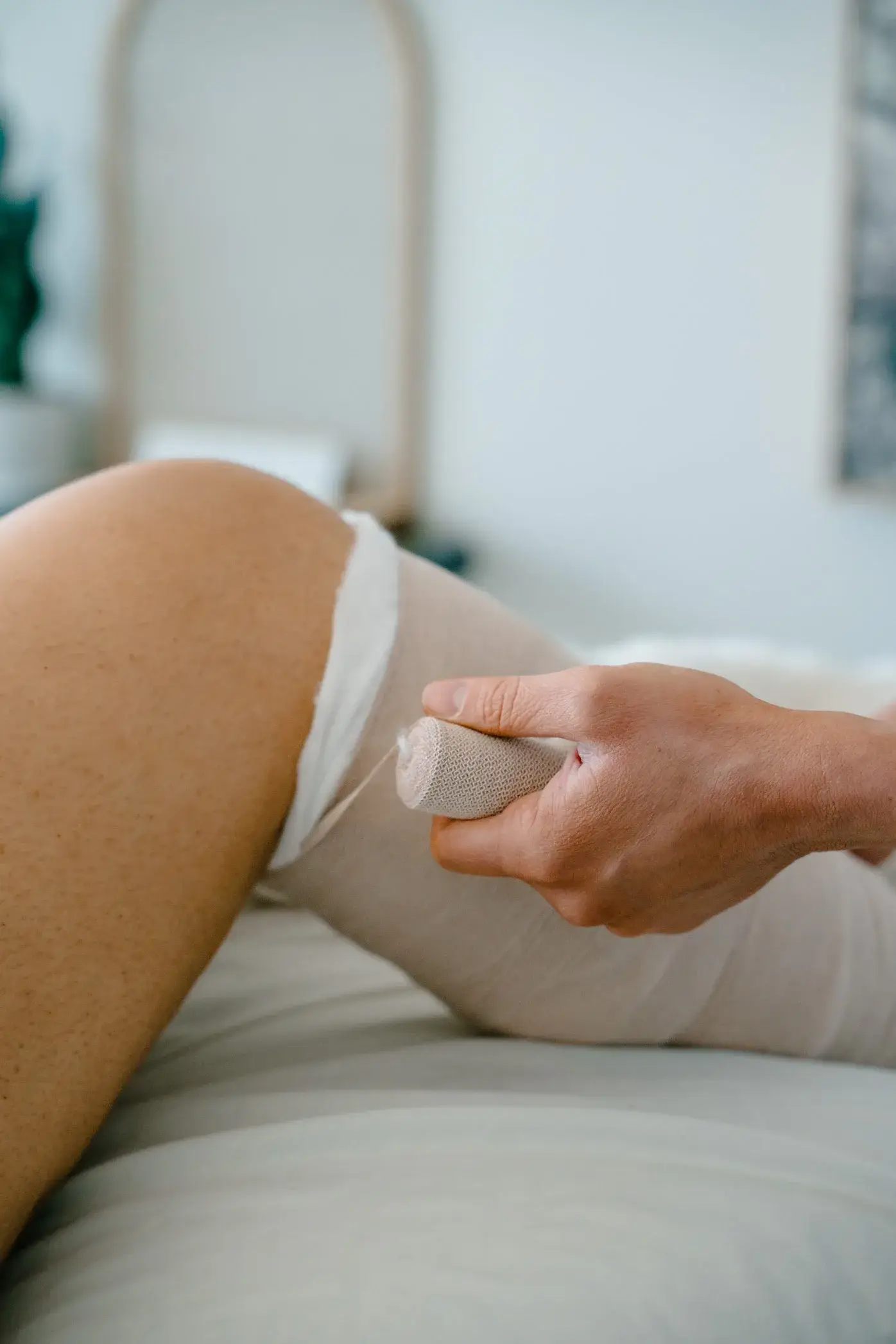
Compression is like a gentle hug for healing tissue. Surgery disrupts the lymphatic system, lymphatic drainage moves fluid out, and compression keeps it from building back up. Together they help you recover more comfortably and efficiently. We fit and order garments in clinic.
Can I do lymphatic drainage on my own at home?
Yes. Your therapist will teach you self-drainage techniques to keep fluid moving between visits. Professional treatment still matters most during the critical post-operative phase, to ensure correct technique and avoid complications.
Can Renu communicate with my surgeon?
Yes. With your written consent, we’re happy to share treatment updates, answer your surgeon’s questions, or pass along any concerns we notice during your sessions.
Is post-operative lymphatic drainage covered by insurance?
Post-operative treatments at Renu are delivered by Registered Massage Therapists and a Certified Lymphedema Therapist, and you receive an official receipt after every session to submit to your insurer. Coverage depends on your individual plan, and some plans require a doctor’s referral, so check with your provider before your first visit.
When should I contact my surgeon instead of booking a lymphatic drainage session?
Contact your surgeon or a doctor right away if you have a fever or chills; spreading redness, heat, or hardness around an incision; pus or foul-smelling drainage; an incision that begins to open; sudden, rapidly increasing swelling; worsening or uncontrolled pain; skin that turns dark, dusky, or blistered; or pain, warmth, or swelling in one calf or leg. Call 911 immediately for chest pain, sudden shortness of breath, or coughing up blood.
Continue
Related treatments




Page reviewed September 19, 2026 by the Renu team

West Hillhurst, NW Calgary
Give fresh life or strength to.
Book online in a minute, or call the clinic. New clients can begin with the 60-minute intro massage, which includes a complimentary infrared cocoon session.
200, 209 19 St NW · Monday to Friday 8:00 am to 8:30 pm · Saturday and Sunday 10:00 am to 5:00 pm