

Complete decongestive therapy for lymphedema in Calgary
Complete Decongestive Therapy (CDT) is the gold-standard, clinically recognized protocol for lymphedema, the chronic swelling that follows a damaged or compromised lymphatic system. At Renu it is delivered only by a Certified Lymphedema Therapist, and combines manual lymphatic drainage, compression therapy and garment fitting, therapeutic exercise and skin care across an intensive phase and a maintenance phase. Whether your lymphedema followed cancer treatment, lymph node removal or surgery, CDT offers a structured, evidence-based way to manage it.
What complete decongestive therapy is
Complete Decongestive Therapy is a multi-component protocol, not a single treatment. Recognized by the International Society of Lymphology as the most effective non-surgical treatment for lymphedema, it brings together four elements, each of which depends on the others.
- Manual lymphatic drainage: a precise, gentle hands-on technique that reroutes fluid away from congested areas. It forms the foundation of CDT and must be performed by a trained therapist.
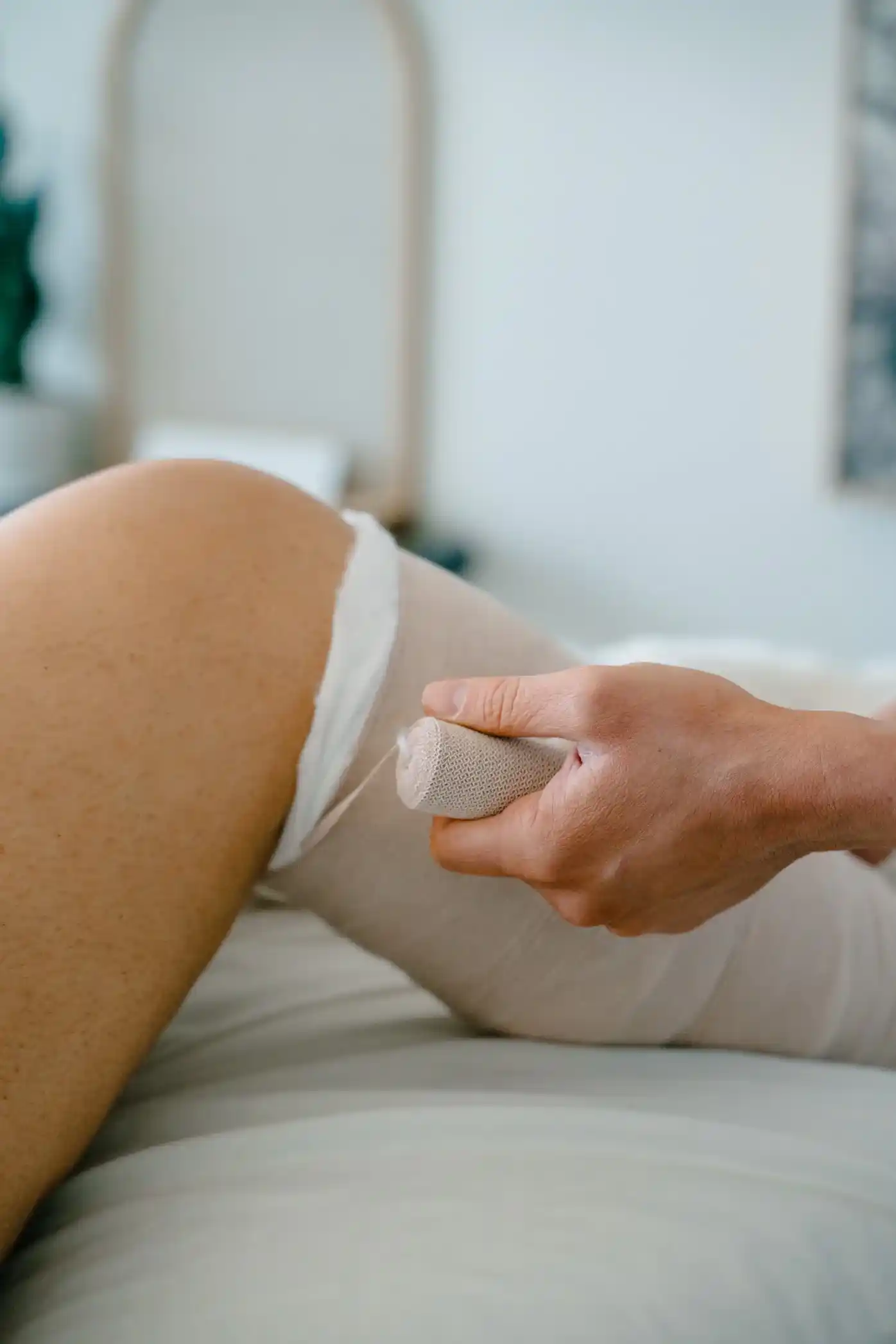
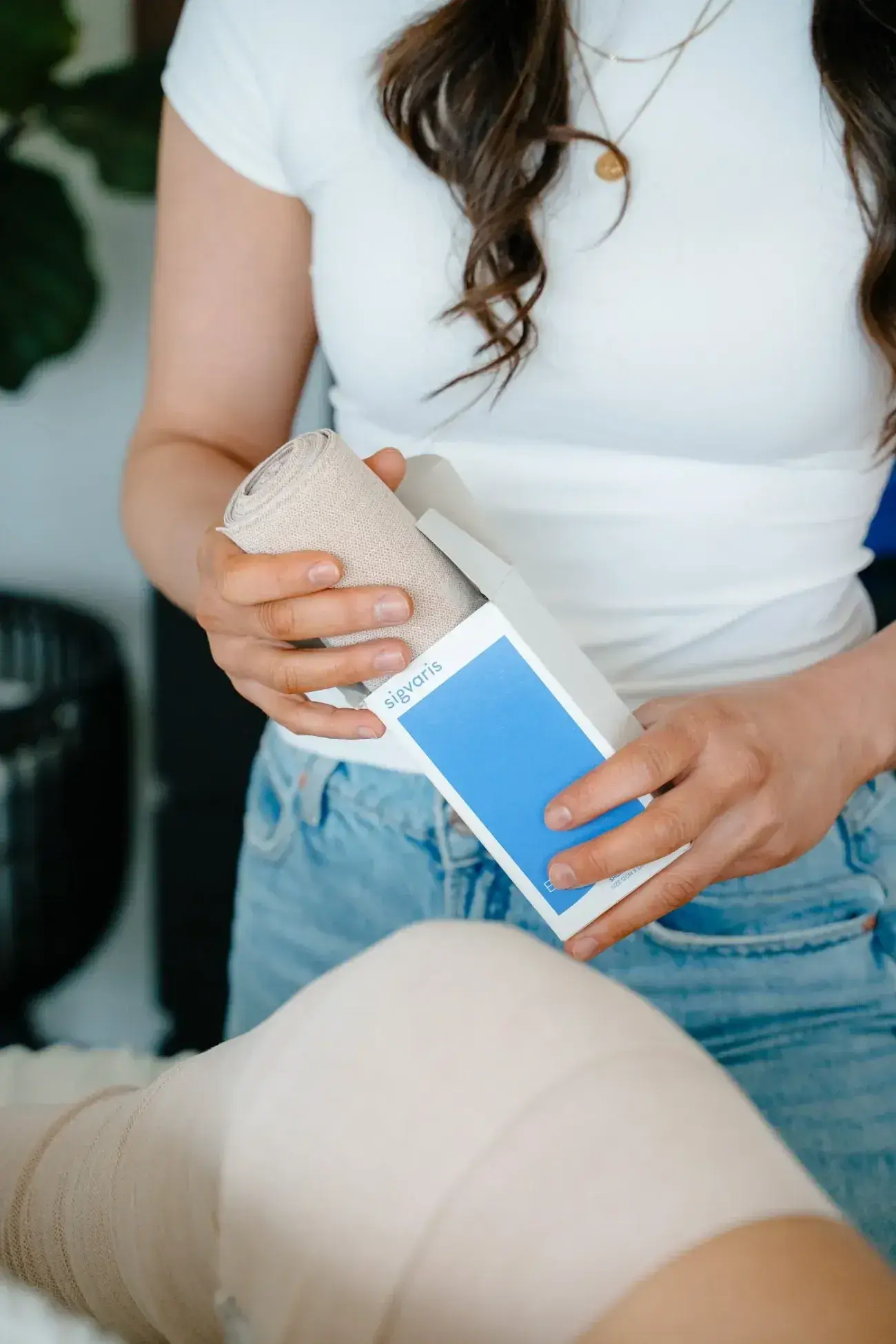
- Compression therapy and garment fitting: compression maintains the results of each drainage session. Without it, fluid re-accumulates. We provide professional fitting and ordering so garments are properly sized, graduated and suited to your condition and lifestyle.
- Therapeutic exercise: gentle, lymphedema-appropriate movement performed in compression stimulates lymph flow through muscle contraction.
- Skin care: skin over a lymphedematous limb is more vulnerable to infection such as cellulitis, which can rapidly worsen lymphedema. Keeping it clean, moisturized and protected is part of the plan.

The two phases of CDT
Your care begins with a thorough assessment of your lymphedema history, affected areas and goals. From there your CLT builds a plan that integrates drainage sessions with compression guidance and self-management education, so you can hold your progress between visits.
- Intensive phase: frequent manual lymphatic drainage sessions, usually about an hour and often several times a week, combined with compression bandaging and therapeutic movement to actively reduce swelling. This lasts two to eight weeks depending on severity. You also begin learning the self-care techniques that carry you forward.
- Maintenance phase: consistent compression garment wear, prescribed exercise, self-drainage at home and periodic check-ins with your CLT. This phase is lifelong, and that is a sign your condition is being actively managed.

Why a Certified Lymphedema Therapist matters
Lymphedema management is a specialized clinical skill, and not every lymphatic therapist holds formal certification. At Renu, CDT is performed exclusively by founder Meeghan Mackenzie, a Certified Lymphedema Therapist, one of only a few hundred practitioners across Canada.
Meeghan Mackenzie, RMT, CLT, received her CLT designation through the Academy of Lymphatic Studies, one of the leading lymphedema training institutions in North America, with certification grounded in the European lymphedema curriculum. Her foundation (2011 to 2014) covered the Vodder and Földi methods before advanced training at the Chikly Health Institute, and she has practised as a Registered Massage Therapist in Calgary since 2005.
Compression garment fitting at Renu
Properly fitted compression is non-negotiable in lymphedema management. A well-fitted garment creates a graduated pressure gradient, more pressure at the extremity and less toward the trunk, that supports the lymphatic system’s natural drainage direction. An ill-fitting one can let fluid re-accumulate, create pressure points, or restrict flow and set back your progress.
Our team fits and orders medically appropriate compression garments for the arm, hand, leg and other regions, tailored to your diagnosis, limb shape, stage of swelling and daily activity.
Who it helps
Who complete decongestive therapy is for
CDT is appropriate for people living with or at risk of lymphedema, including:
- Lymphedema following breast cancer treatment or lymph node dissection
- Lower limb lymphedema associated with pelvic, abdominal or gynaecological cancers
- Head and neck lymphedema following oncology treatment
- Post-surgical lymphedema after orthopedic or reconstructive procedures
- Primary lymphedema (congenital or hereditary)
- Chronic edema that has not responded to other treatment
Your practitioners
Who delivers complete decongestive therapy

Client reviews
In their words
“Meeghan is amazing to work with, highly knowledgeable, and explains the lymphatic system in a way that is accessible so you can better take care of yourself in between appointments. Lymphatic drainage has made a huge difference to my chronic inflammation, pain, adrenal fatigue, and overall holistic wellness. I could not recommend this place more!”
Alyssa Hartwell
From the Library
Questions and guides about complete decongestive therapy





Keep reading
From the Lymphatic Learning Centre


Is complete decongestive therapy the same as a lymphatic massage?
Not quite. A lymphatic massage is one component of CDT. Complete Decongestive Therapy is the full clinical framework: manual lymphatic drainage plus compression, exercise and skin care, delivered across an intensive and a maintenance phase by a Certified Lymphedema Therapist.
How do I know if my swelling is lymphedema?
General swelling from a long day, a flight or a minor injury resolves with rest and elevation. Lymphedema does not. Signs include persistent swelling in an arm, leg, hand or foot; heaviness, tightness or fullness; skin that feels thicker or firmer; recurring infections in the area; and swelling that began after surgery, radiation or lymph node removal. If that sounds familiar, book an assessment. Early treatment produces significantly better outcomes.
Can I have CDT while I am still in cancer treatment?
Often, yes, but it requires careful assessment. Active infection, deep vein thrombosis risk, certain cardiac conditions and active malignancy in the treatment area all need evaluating first. For oncology clients we work within the parameters set by your medical team.
What can I do between sessions?
What you do between visits matters as much as the treatment room. Your CLT teaches self-drainage tailored to your affected areas, plus skin care, appropriate exercise and your compression routine. It is hands-on education built into the plan, not a generic handout.
Where do you order compression garments from?
Garments are ordered through medical compression suppliers such as Juzo Canada, and we recommend Prairie Wear for compression bras. Your CLT measures and fits you in clinic.
Continue
Related treatments



Page reviewed September 19, 2026 by the Renu team

West Hillhurst, NW Calgary
Give fresh life or strength to.
Book online in a minute, or call the clinic. New clients can begin with the 60-minute intro massage, which includes a complimentary infrared cocoon session.
200, 209 19 St NW · Monday to Friday 8:00 am to 8:30 pm · Saturday and Sunday 10:00 am to 5:00 pm