

Lymphedema and lipedema
Similar names. Different stories. Both deserve to be taken seriously.
By Meeghan Mackenzie, RMT, CLT · 8 min read
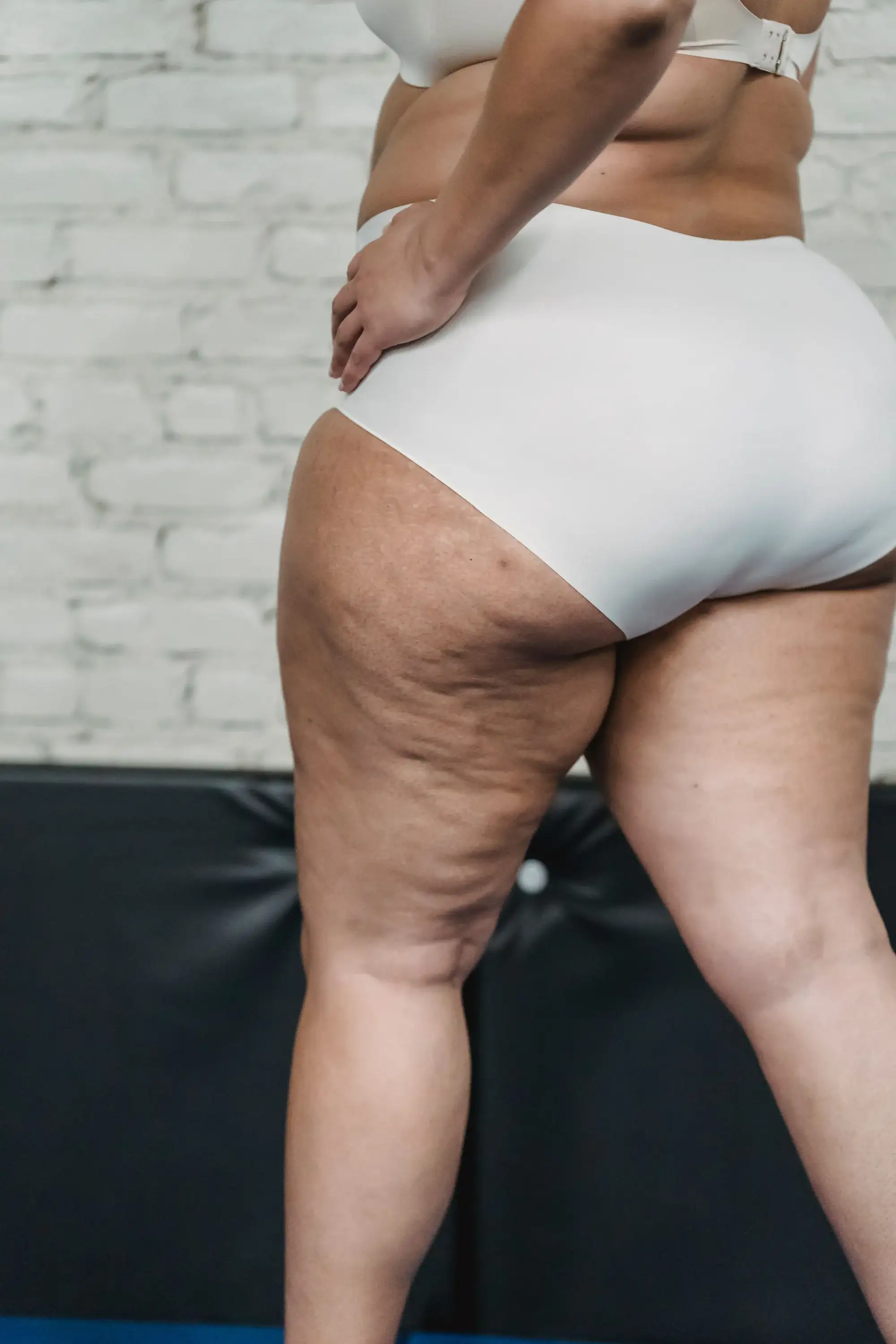
Lymphedema is chronic swelling caused by a lymphatic system that can't keep up with the fluid load. Lipedema is a chronic condition where fat builds up abnormally and symmetrically, usually in the legs and hips. They are different conditions with different care, and both can be managed well with the right support.
Lymphedema
In lymphedema, protein-rich fluid builds up in the tissues, most often in an arm or leg, though it can affect the trunk, breast, head, neck or genitals. Because the fluid is rich in protein, it tends to draw in more water over time and can gradually cause the tissue to thicken and harden (fibrosis) if it isn’t managed.
Not all swelling is lymphedema
Clinicians separate swelling into two broad kinds:
- The lymphatic system can’t carry enough. The vessels or nodes themselves are damaged or underdeveloped, so their transport capacity drops. This is lymphedema.
- The lymphatic system is overwhelmed. The vessels work normally, but something else, such as a heart, kidney or vein problem, produces more fluid than they can clear. The cause lies elsewhere, so it needs a doctor’s assessment first.
Two types
- Primary lymphedema comes from how the lymphatic system developed. It can appear at birth, around puberty, or later in life.
- Secondary lymphedema comes from damage to a healthy system. Common causes include cancer treatment with lymph node removal or radiation (after a mastectomy, hysterectomy or prostatectomy, for example), other surgery, trauma, burns and serious infection.
Early signs
- Heaviness, fullness or tightness in a limb
- Rings, watches, sleeves or shoes feeling tighter on one side
- Swelling that leaves a dent when pressed
- Swelling that eases overnight at first, then stops fully resolving
Heaviness and tightness often come before anything shows on a tape measure, so trust what you feel. Lymphedema tends to progress through stages if it isn’t managed, from an early stage with no visible swelling to firm tissue and skin changes. It can’t be cured, but it can be very well managed, and the earlier it is caught, the easier it is to control.
After breast cancer surgery
Breast cancer surgery often removes lymph nodes from the armpit. Published research shows lymphedema develops in roughly 5 to 17 per cent of people after a sentinel lymph node biopsy (usually 1 to 3 nodes removed) and 20 to 53 per cent after an axillary dissection (often 10 or more). Radiation, chemotherapy and body weight can raise the risk. It can appear within weeks, or years later, and it is never too late to be assessed.
Many people also develop cording (axillary web syndrome): tight, rope-like bands from the armpit down the inner arm, usually 2 to 8 weeks after surgery. If reaching overhead pulls like a guitar string, it may be cording, and gentle hands-on care often helps.
Lowering your risk
- Keep the skin on the affected side clean and moisturized, and treat cuts, scrapes and bites promptly
- Return to movement gradually, with guided exercise
- Work toward a comfortable body weight, one of the few clearly linked risk factors
- Wear well-fitted compression if recommended, especially for exercise or flying
- Get early symptoms assessed rather than waiting
How it is managed
When lymph nodes are removed, the fluid from that region loses its usual exit. Manual lymphatic drainage guides it across natural dividing lines in the lymphatic system, called watersheds, toward a neighbouring group of healthy nodes. It is a little like detouring traffic around a closed bridge.
The standard approach is complete decongestive therapy (CDT). CDT combines manual lymphatic drainage, compression (bandaging, then fitted garments), skin care, therapeutic exercise and education, in two phases:
- Intensive phase. Frequent sessions with compression bandaging to reduce swelling.
- Maintenance phase. Garments, exercise, self-care and check-ins to hold the result.
Lipedema
Lipedema affects women almost exclusively. It often begins or worsens around hormonal shifts such as puberty, pregnancy and menopause, and it often runs in families.
Common signs
- Both sides affected evenly
- Hands and feet usually spared, sometimes with a “cuff” at the ankles or wrists
- Tissue that is tender or painful to touch
- Easy bruising
- Heavy, achy legs, often worse at the end of the day
- A lower body that doesn’t respond to diet and exercise the way the upper body does
If you have been told for years to “just lose weight”, and you have tried everything, you aren’t imagining it. Lipedema is a recognized medical condition. It isn’t caused by a lack of effort.
How it is managed
Care often includes compression garments, manual lymphatic drainage for comfort and fluid management, gentle low-impact movement (water exercise is a favourite), attention to overall health and, for some people, specialized surgery. Diagnosis should come from a physician familiar with the condition.
Side by side
| Feature | Lymphedema | Lipedema |
|---|---|---|
| What builds up | Protein-rich fluid | Abnormal fat tissue; fluid may join later |
| Who | Any sex, any age | Almost exclusively women |
| Pattern | Often one-sided | Symmetrical, both sides |
| Hands and feet | Often involved | Usually spared |
| Pain | Heaviness and tightness | Tenderness, pain to touch, easy bruising |
| Common triggers | Genetics, cancer treatment, surgery, infection | Hormonal change; often runs in families |
When they overlap
Over time, lipedema tissue can strain the lymphatic system, and some people develop both conditions. This is sometimes called lipo-lymphedema, and it is one more reason a proper assessment matters.
So many of my lipedema clients cry at their first appointment. Not because it hurts. Because someone finally named what they’ve been living with.
Meeghan Mackenzie, RMT, CLT
Bruno Chikly, M.D. Lymph Drainage Therapy. UI Publishing, 1996.
Living with swelling, or heavy, tender legs, and tired of being brushed off? We’ll listen, and help you work out your next step.
Page reviewed September 27, 2026 by Meeghan Mackenzie, RMT, CLT
Keep reading
Related guides


West Hillhurst, NW Calgary
Give fresh life or strength to.
Book online in a minute, or call the clinic. New clients can begin with the 60-minute intro massage, which includes a complimentary infrared cocoon session.
200, 209 19 St NW · Monday to Friday 8:00 am to 8:30 pm · Saturday and Sunday 10:00 am to 5:00 pm