
Weight lifting and lymphedema: what the PAL trial found
In the PAL trial, slow, supervised weight lifting in a compression garment did not increase arm swelling and halved flare-ups. The design that made it safe.
By The Renu lymphatic and massage team · 7 min read
The Physical Activity and Lymphedema (PAL) trial overturned the advice that women with or at risk of breast cancer-related lymphedema should never lift weights. In 141 women with stable lymphedema, a year of slowly progressive, twice-weekly weight lifting in a fitted compression garment produced the same rate of arm swelling as no exercise (11% versus 12%), halved flare-ups (14% versus 29%) and reduced symptoms. In 154 women at risk, lymphedema onset was 11% with lifting against 17% without, and 7% against 22% among those with five or more nodes removed. The details that made it safe matter as much as the headline.
The Physical Activity and Lymphedema (PAL) trial overturned the advice that women with or at risk of breast cancer-related lymphedema should never lift weights. In 141 women with stable lymphedema, a year of slowly progressive, twice-weekly weight lifting in a fitted compression garment produced the same rate of arm swelling as no exercise (11% versus 12%), halved flare-ups (14% versus 29%) and reduced symptoms. In 154 women at risk, lymphedema onset was 11% with lifting against 17% without, and 7% against 22% among those with five or more nodes removed. The details that made it safe matter as much as the headline.
The rule you were given, and why it was tested
For years the standard advice after breast cancer surgery was to protect the arm: no heavy bags, no lifting, no upper-body exercise. The New England Journal paper opens by noting that weight lifting had generally been proscribed for women with lymphedema, and the JAMA paper that clinical guidelines for survivors without lymphedema advised against upper-body exercise. The reasoning, as the trial’s design paper puts it, was that it seemed unwise to over-stress a lymphatic system that had been compromised.
The cost of that caution was real. It kept women from the bone density, strength and function that resistance training provides, and it taught them to fear their own arm. Kathryn Schmitz and colleagues in Philadelphia set out to test the rule properly, in a randomised trial large enough to be believed, with two separate groups: women who already had lymphedema, and women at risk who did not.
Women who already had lymphedema
The first paper, in the New England Journal of Medicine in 2009, randomised 141 breast cancer survivors with stable arm lymphedema to twice-weekly progressive weight lifting for a year or to no exercise. Swelling of the arm and hand was the primary outcome, measured at one year by water displacement of each limb. Every participant had to lift in a well-fitted compression garment.
| Outcome at one year | Weight lifting | Control |
|---|---|---|
| Increase of 5% or more in limb swelling | 11% | 12% |
| Lymphedema exacerbation, assessed by a certified lymphedema specialist | 14% | 29% |
| Self-reported severity of symptoms | Improved (P = 0.03) | |
| Upper- and lower-body strength | Improved (P < 0.001) |
The cumulative incidence ratio for swelling was 1.00: lifting neither raised nor lowered the chance of a 5% increase. What it did change was the number of flare-ups, which halved, alongside fewer and milder symptoms and more strength. There were no serious adverse events related to the intervention.
Women at risk who had not developed it
The second paper, in JAMA in 2010, enrolled 154 survivors one to five years past unilateral breast cancer, with at least two lymph nodes removed and no clinical signs of lymphedema. It was designed as an equivalence trial: the question was whether lifting doubled the incidence of lymphedema, and the answer was that it did not.
Over twelve months, lymphedema (a 5% or greater increase in the between-arm difference) began in 11% of the lifting group (8 of 72) and 17% of the control group (13 of 75). Among women with five or more nodes removed, the figures were 7% (3 of 45) against 22% (11 of 49). Clinician-defined lymphedema occurred in one woman who lifted and three who did not. The intervention was a gym membership plus 13 weeks of supervised instruction followed by nine months on their own.
The five-plus-nodes result is the one people remember, and it is worth being careful with it. The trial was built to show that lifting was not harmful, and it showed that convincingly. The suggestion that lifting protected the higher-risk women is a secondary finding from a subgroup; it is encouraging, and it is not proof of prevention. The NCI’s PDQ summary reports the same 11% versus 17% figures and adds that early concerns that exercise may cause harm have not been confirmed.
What made it safe: the design details
The headline “weight lifting is fine” misses what the women actually did. The protocol, published separately in 2009, is the part to copy.
- Start from almost nothing. Upper-body exercises began with no weight or one-pound weights.
- Increase in tiny steps, governed by symptoms. If no arm symptoms changed within a week, the weight went up by half a pound to a pound. During the three supervised months, after two sessions lifting the same weight for ten repetitions per set, the weight rose by the smallest possible increment. In the unsupervised months, an increase followed four consistent sessions.
- Back off at the first sign of trouble. If symptoms began or worsened, the exercise thought responsible was skipped or done with a lighter weight until the symptoms cleared.
- Supervision first. Sessions ran twice a week for twelve months, supervised in small groups of two to six for the first three months, then unsupervised for the remaining nine.
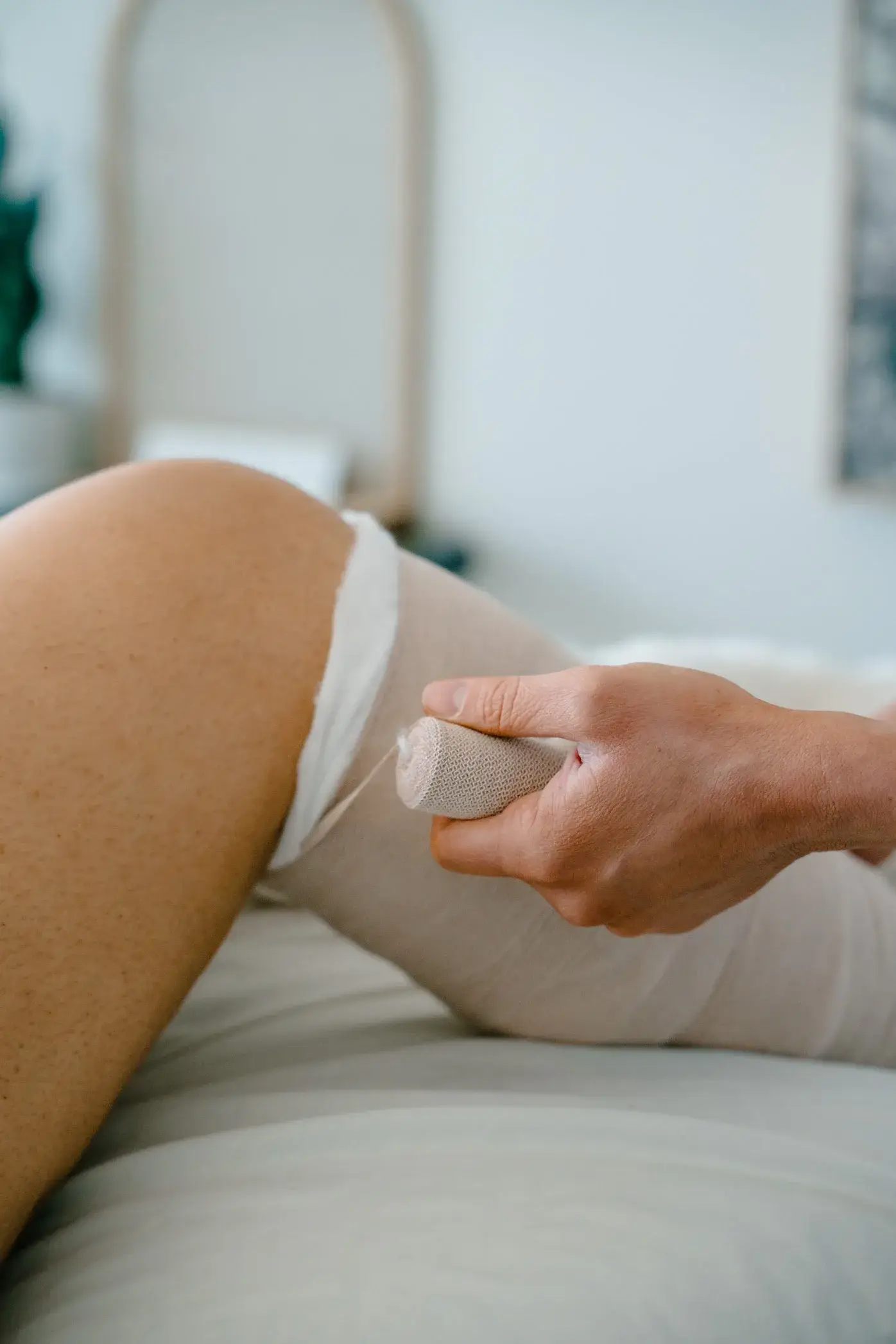
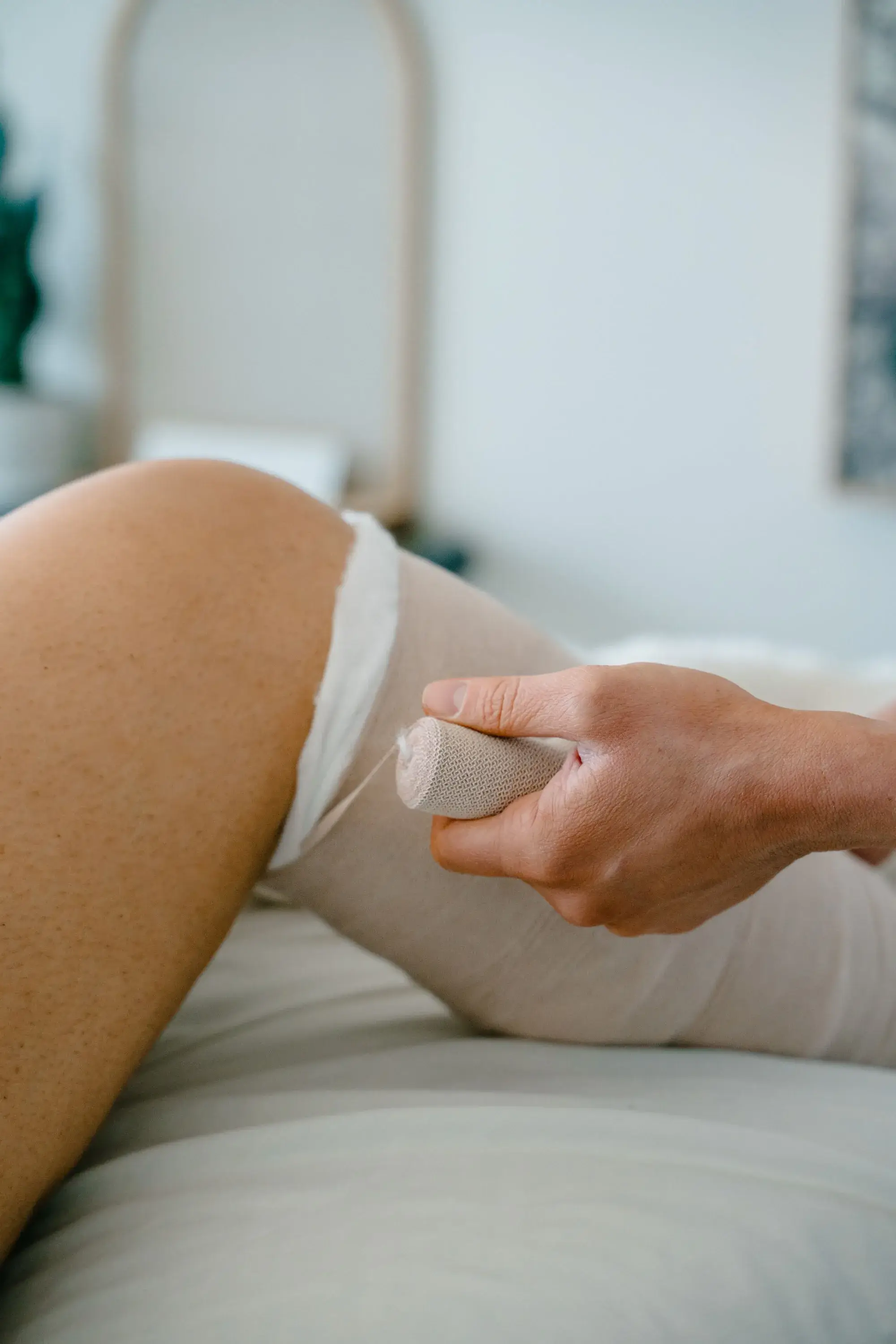
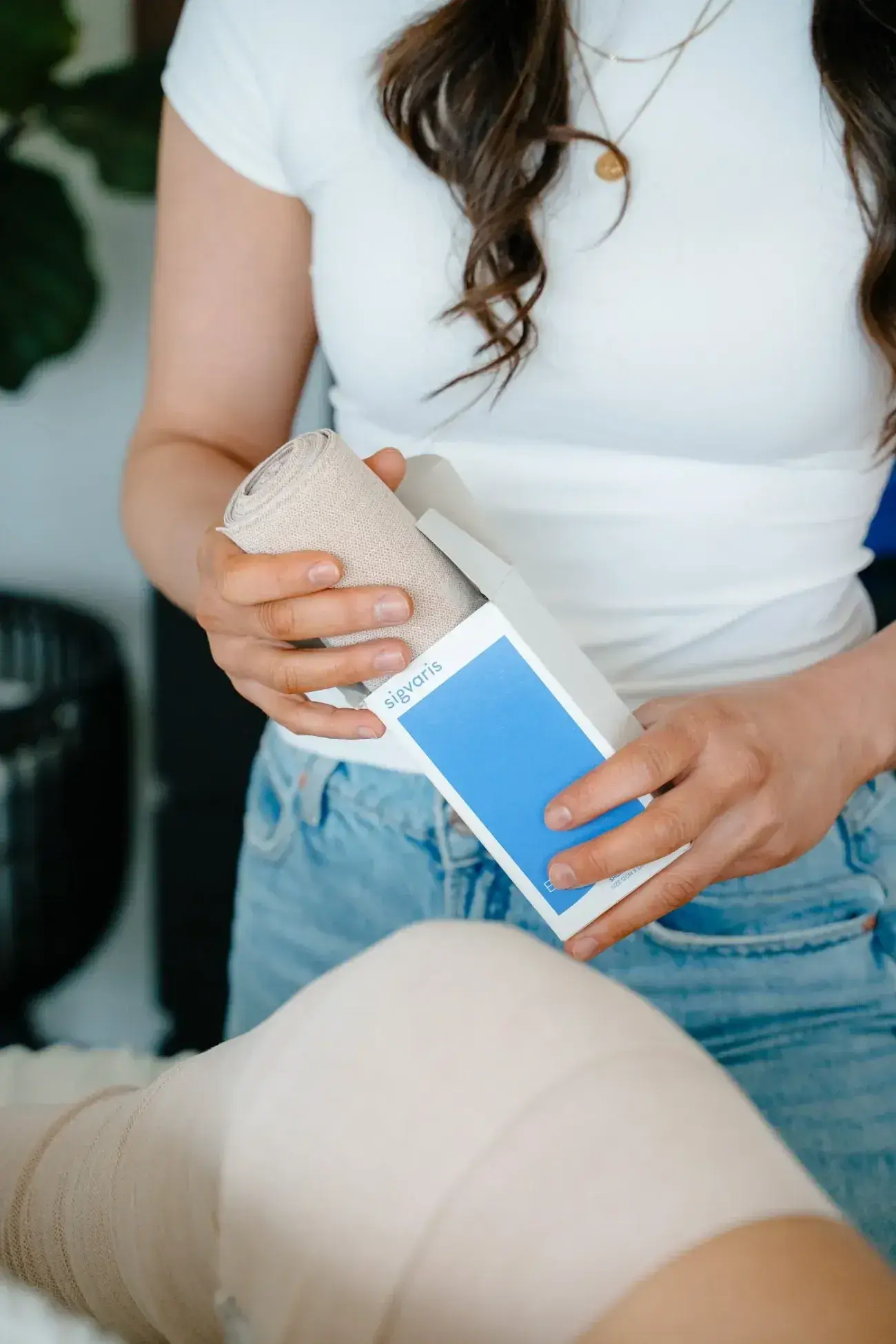
- A garment on the arm. Women with lymphedema received custom-fitted compression sleeves and were required to wear a garment while lifting.
- A whole-body programme. Nine common exercises on machines and with free weights covered chest, back, shoulders, biceps, triceps, quadriceps, hamstrings and gluteals; the lower body followed ordinary progressive training to the most weight that could be lifted eight to ten times.
Slow progression, a symptom rule, supervision and compression: take any one away and you are no longer doing what the trial did.
What the guidelines say now
The evidence has settled into guidance. The 2019 international roundtable convened by the American College of Sports Medicine concluded that exercise training and testing are generally safe for cancer survivors and that every survivor should avoid inactivity, with enough evidence to recommend specific doses of aerobic and resistance training for fatigue, anxiety, depressive symptoms, physical function and quality of life. The NCI’s PDQ summary records the ACSM position that a supervised, progressive resistance programme is safe for people with or at risk of lymphedema after breast cancer.
The NLN’s 2026 risk-reduction statement puts it in one line for people at risk: individualised, appropriately prescribed progressive exercise programmes, with supervision as needed, do not incite lymphedema. For people with lymphedema it says such programmes are beneficial, and that prescription is ideally done by a Certified Lymphedema Therapist or another professional who understands the condition. For people at high risk who wear a preventive sleeve, it recommends wearing it during exercise and repetitive arm motion.
What the trial did not test
Honesty about the edges. PAL studied women one to five years past breast cancer with stable lymphedema or none; it did not study leg lymphedema, head and neck lymphedema, people in active treatment, or lifting without a garment, and nobody has shown that unsupervised heavy lifting started abruptly is safe. The NCI also notes a later trial of a prevention programme in which adherence fell below 50% because of time and a perceived lack of benefit, with no difference in lymphedema at 18 months. Programmes only work when people can keep them up.
Turning it into a prescription
The right response to this page is not to join a gym tomorrow. It is to ask the person who manages your lymphedema or your risk for a programme built on the trial’s rules: a starting weight you can barely feel, small increases tied to how the arm responds, someone watching the first months, and a garment that fits. Our self-care page on strength training with lymphedema describes what such a routine looks like week to week, and starting exercise with lymphedema covers the first steps for someone who has done nothing for a while.
At Renu, Meeghan Mackenzie is a Certified Lymphedema Therapist and Certified Compression Fitter. If you have been told to avoid lifting and want to revisit that advice, an assessment of the arm, a properly fitted garment (fitting is 30 minutes, $25) and a conversation about the trial is a sensible place to begin, alongside your physiotherapist or cancer exercise specialist if you have one. Complete decongestive therapy includes exercise as one of its components, and our Learning Centre pages on compression garments and at-home lymphatic health fill in the rest.
When to call your oncology team or lymphedema therapist
Stop lifting and get the arm assessed if it becomes heavier, tighter or visibly larger and does not settle within a day or two, if a ring or sleeve suddenly fits differently, or if pain appears in the arm or shoulder that was not there before. Redness, heat, swelling with fever or chills is a suspected infection, which the NLN treats as urgent because it damages the lymphatics further; that is a same-day call to your doctor. Those symptoms are exactly the signals the trial used to pause and back off, and they are not a reason to abandon exercise, only to adjust it with help.
Questions people ask
How heavy did the women in the PAL trial lift?
They started with no weight or one-pound dumbbells for each upper-body exercise and increased by half a pound to a pound at a time. During the supervised phase, the weight went up by the smallest possible increment only after two sessions at the same weight for ten repetitions per set without a change in arm symptoms. There was no upper limit written into the protocol; progression was governed by symptoms, not by a number.
Did anyone in the trial make their lymphedema worse?
The proportion whose arm swelling increased by 5% or more was 11% in the lifting group and 12% in the control group, so lifting did not add to it. Flare-ups judged by a certified lymphedema specialist were less common with lifting (14% versus 29%), and the New England Journal paper reports no serious adverse events related to the intervention.
Do I need to wear my compression sleeve while lifting?
The women with lymphedema in the trial were required to wear a well-fitted compression garment while weight lifting, and the NLN's 2026 statement recommends that people at high risk who use a preventive sleeve wear it during exercise and repetitive arm motion. If you have a garment, wear it; if you have never been fitted, that is the first appointment to book.
Can I just start a gym programme on my own now?
The trial's safety came from supervision and slow progression, not from lifting itself: 13 weeks of twice-weekly instruction in groups of two to six before the unsupervised phase. The NLN recommends exercise prescription by a Certified Lymphedema Therapist or another professional who understands lymphedema. Start with that conversation, then a programme built on the trial's rules.
Sources
- Schmitz et al., New England Journal of Medicine 2009: Weight lifting in women with breast-cancer-related lymphedema
- Schmitz et al., JAMA 2010: Weight lifting for women at risk for breast cancer-related lymphedema, a randomized trial
- Schmitz et al., Contemporary Clinical Trials 2009: Physical Activity and Lymphedema (the PAL trial), assessing the safety of progressive strength training in breast cancer survivors
- Campbell et al., Medicine and Science in Sports and Exercise 2019: Exercise guidelines for cancer survivors, consensus statement from international multidisciplinary roundtable
- National Lymphedema Network: Position Statement, Evidence-Based Practices for Lymphedema Risk Reduction (March 2026)
- National Cancer Institute: Lymphedema (PDQ), health professional version
Page reviewed October 4, 2026. This page is education, not a diagnosis. For your own situation, talk to your doctor, surgeon or care team, or ask us.
Keep reading
Related pages