
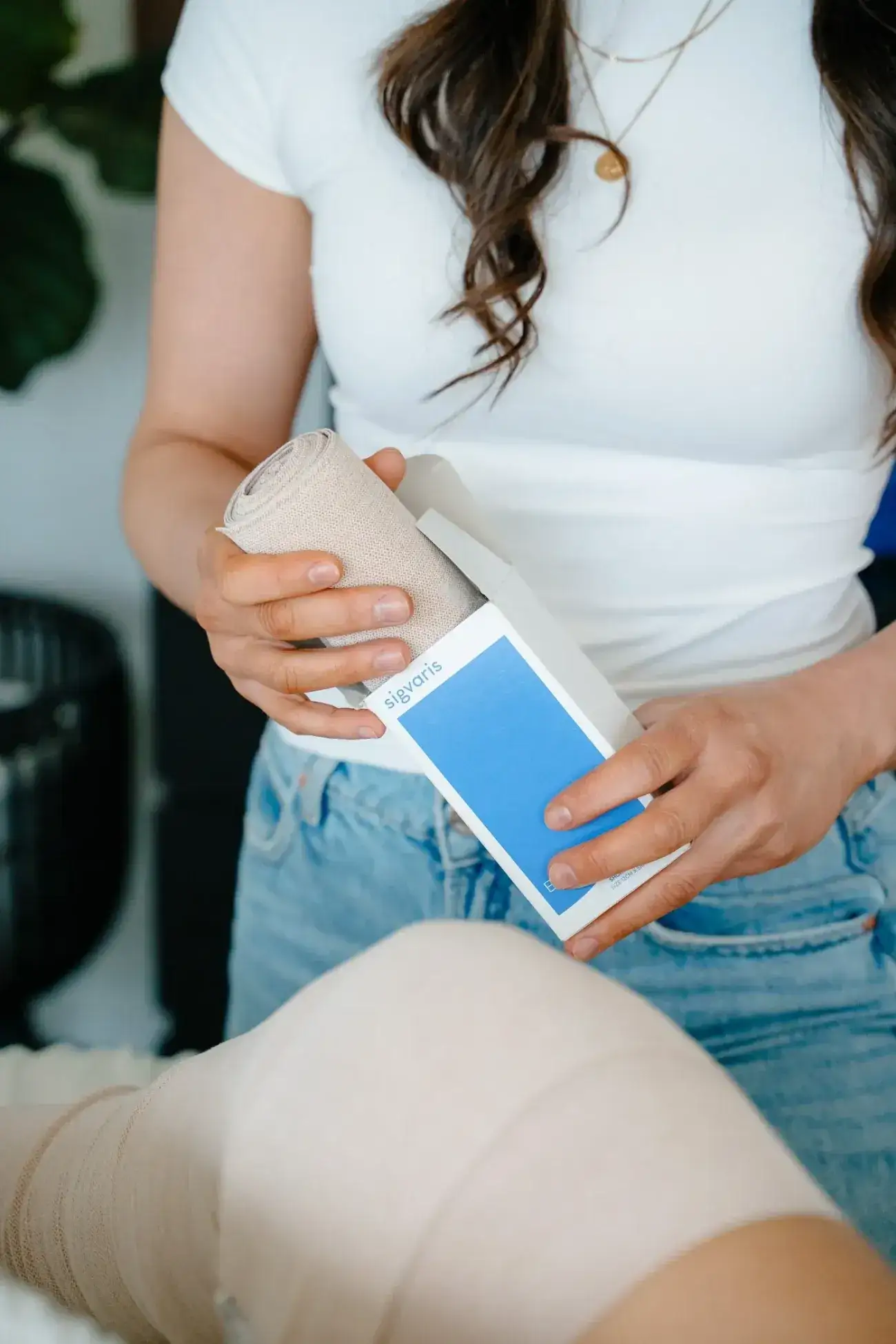
Lymphedema after an axillary lymph node dissection
After an axillary dissection about one in four women develops arm lymphedema within five years, one in three with radiation. Sleeve and measuring evidence.
By The Renu lymphatic and massage team · 6 min read
If you had an axillary lymph node dissection you are in the group the National Lymphedema Network defines as high risk. Roughly one in five women develops arm lymphedema after a dissection, about one in four within five years in a prospective screening study, and about one in three when regional node radiation was added. Onset peaks six to twelve months after surgery. Two things have trial evidence for this group: a compression sleeve worn from surgery, and regular measurement that catches swelling early.
If you had an axillary lymph node dissection, you are in the group the National Lymphedema Network defines as high risk. Roughly one in five women develops arm lymphedema after a dissection, about one in four within five years in a prospective screening study, and around one in three when regional node radiation was added. The risk is real, it tends to arrive in the first year or two, and two things have trial evidence for this group specifically: a compression sleeve worn from surgery, and regular measurement that catches swelling early.
What a dissection removes
An axillary lymph node dissection takes anywhere from about 10 to 40 lymph nodes from the armpit, usually fewer than 20. A sentinel biopsy, by comparison, removes only a few. More nodes removed means less reserve for the arm’s lymph to find its way back, which is why the American Cancer Society puts the lymphedema risk after dissection at about 20% to 30%, against 5% to 17% after a sentinel biopsy, and why cording and frozen shoulder are also more likely after dissection.
The numbers for your group
| Measure | Figure | Source |
|---|---|---|
| Pooled incidence after dissection (studies to 2012) | 19.9% | DiSipio, Lancet Oncology 2013 |
| Five-year rate, dissection without regional node radiation | 24.6% | McDuff 2019 (2,171 women) |
| Five-year rate, dissection with regional node radiation | 31.2% | McDuff 2019 |
| Subclinical swelling after dissection that progresses without treatment | 39.7% | NLN diagnosis and treatment statement, 2025 |
DiSipio’s meta-analysis graded extensive surgery and being overweight or obese as the two risk factors with strong evidence. Ferguson’s prospective study of 3,041 measurements, cited in the NLN statement, found dissection itself associated with arm volume increase at P < .001, alongside cellulitis, regional node irradiation and a BMI of 25 or more.
When it tends to show up
Onset after a dissection is earlier than after other treatments. In the McDuff cohort, lymphedema peaked 6 to 12 months after a dissection without radiation and 18 to 24 months when regional nodes were irradiated, compared with 36 to 48 months after a sentinel biopsy with radiation. That is why the NLN asks for high-risk individuals to be measured as often as every three months for the first two years, with continued but less frequent screening in years three to five, always compared with a preoperative baseline where one exists. The window never fully closes, so the NLN also asks everyone at risk to report heaviness, a sense of increased size or a feeling of swelling immediately. Our page on when lymphedema starts after cancer treatment sets the windows side by side.
What AMAROS showed about radiotherapy instead of dissection
You may hear that a dissection is no longer the automatic choice for a positive sentinel node, and the reason is the EORTC AMAROS trial. Of 4,823 patients enrolled, 1,425 had a positive sentinel node and were randomised to either axillary dissection (744) or axillary radiotherapy (681). Five-year axillary recurrence was 0.43% after dissection and 1.19% after radiotherapy, with lymphedema significantly more common after dissection at one, three and five years. The ten-year results, published in 2023, found axillary recurrence of 0.93% against 1.82%, no difference in overall survival, and a five-year lymphedema rate of 24.5% after dissection against 11.9% after radiotherapy; the authors concluded that radiotherapy is preferred for sentinel-node-positive T1 to T2 breast cancer.
None of this means your dissection was the wrong choice. There are tumour, node and treatment-plan reasons why a surgeon still clears the axilla, and the decision belongs to your surgical oncologist. It does explain why your risk profile differs from that of a friend who had radiation to the armpit instead.
The two interventions with trial evidence for this group
A prophylactic compression sleeve
In a randomised trial of 307 women at high risk (Paramanandam and colleagues, Journal of Clinical Oncology 2022), participants were given two compression sleeves to wear from surgery until three months after finishing adjuvant treatment. The hazard ratio for arm swelling was 0.61 by bioimpedance and 0.56 by arm volume, and one-year cumulative incidence fell from 52% to 42% by bioimpedance and from 25% to 14% by arm volume. The authors described the effect as reducing and delaying swelling, not preventing it in everyone.
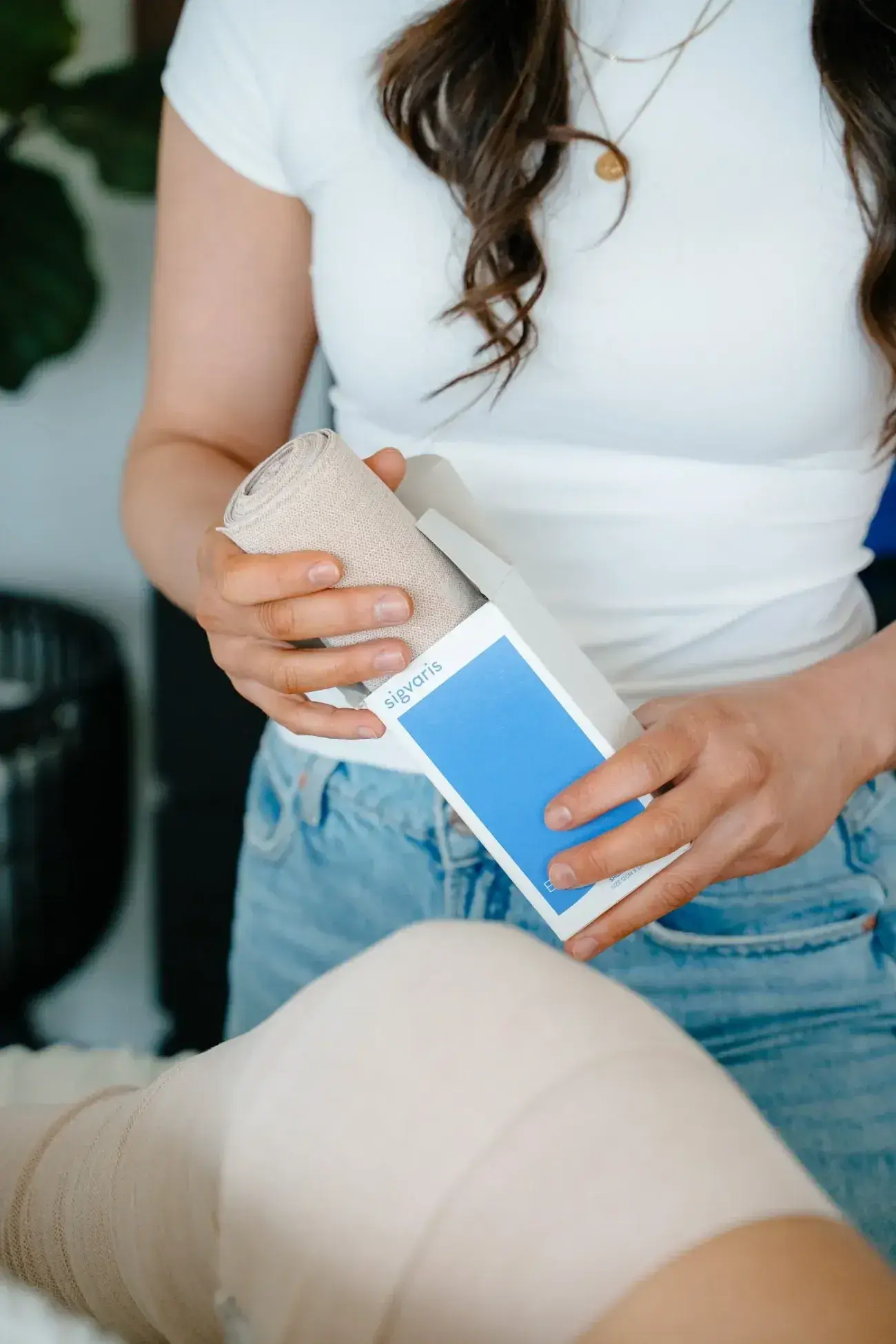
The NLN’s practical schedule, built on that trial: a class 1 (low) or class 2 (mild) sleeve, applied as soon after surgery as possible, worn during waking hours for at least eight hours a day, until three months after adjuvant treatment or as long as feasible, replaced about every six months, and worn during exercise and repetitive arm work. The NLN adds that a sleeve should be fitted by a certified lymphedema therapist, because an ill-fitting garment can do harm. Renu offers a 30-minute compression fitting with Meeghan Mackenzie, a Certified Compression Fitter; our compression garments guide explains classes and care, and compression sleeves to prevent lymphedema after breast cancer covers the trial in detail.
Prospective measurement
Early swelling after dissection progresses to clinical lymphedema in about four cases in ten if nothing is done, according to the NLN diagnosis statement, and ten prospective studies, including two randomised trials, found that early intervention with compression, exercise or manual techniques brought incidence down to a range of 7% to 11%. Measurement only works if it is regular and compared with a baseline; ask your surgical programme what it offers, and read baseline arm measurements before breast cancer surgery if surgery is still ahead.
The everyday practices that still matter
Alongside the sleeve and the tape measure, the NLN’s 2026 statement keeps four habits for everyone at risk: daily skin care with mild products and moisturiser, treating any suspected infection in the arm as an urgent medical event, maintaining a healthy body weight with professional support where needed, and a prescribed, progressive exercise programme. It also notes that isolated blood pressure readings, injections and blood draws have not been linked to swelling in prospective studies, that air travel has not been shown to be a risk factor, and that saunas are still best avoided. Surgical options such as axillary reverse mapping, which the NLN reports lowered arm lymphedema from 27% to 6%, and immediate lymphatic reconstruction are decisions for the surgical team before a dissection rather than after one.
When to call your oncology team
Same day: redness, heat, spreading swelling or pain in the arm, breast or chest on the treated side, with or without fever and chills. Emergency: sudden painful swelling of the whole arm, or any shortness of breath or chest pain. Within days: new heaviness, tightness, a sleeve or ring that no longer fits, or a cord under the arm that limits reaching. The broader list is on when to seek medical care.
What CDT at Renu involves
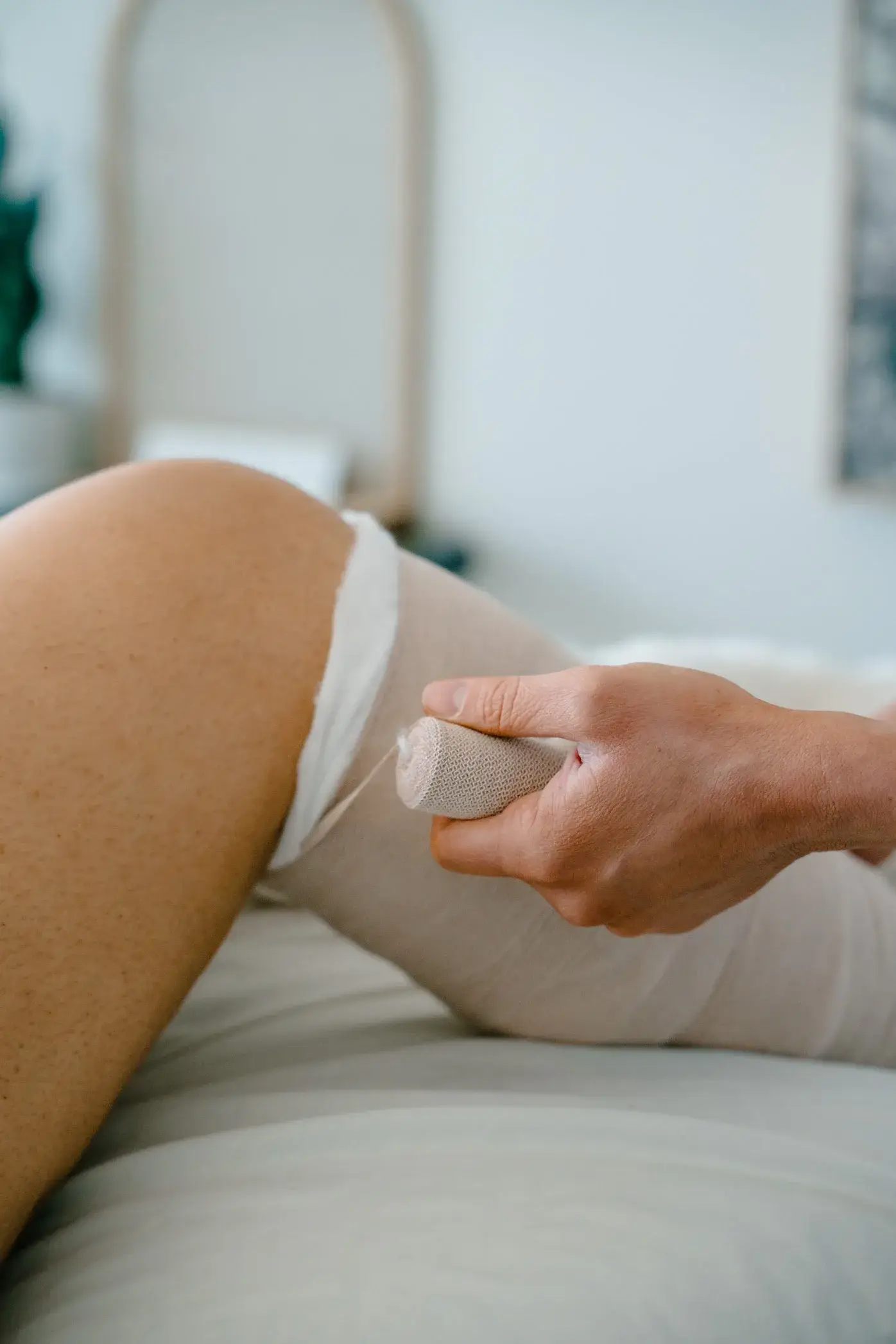
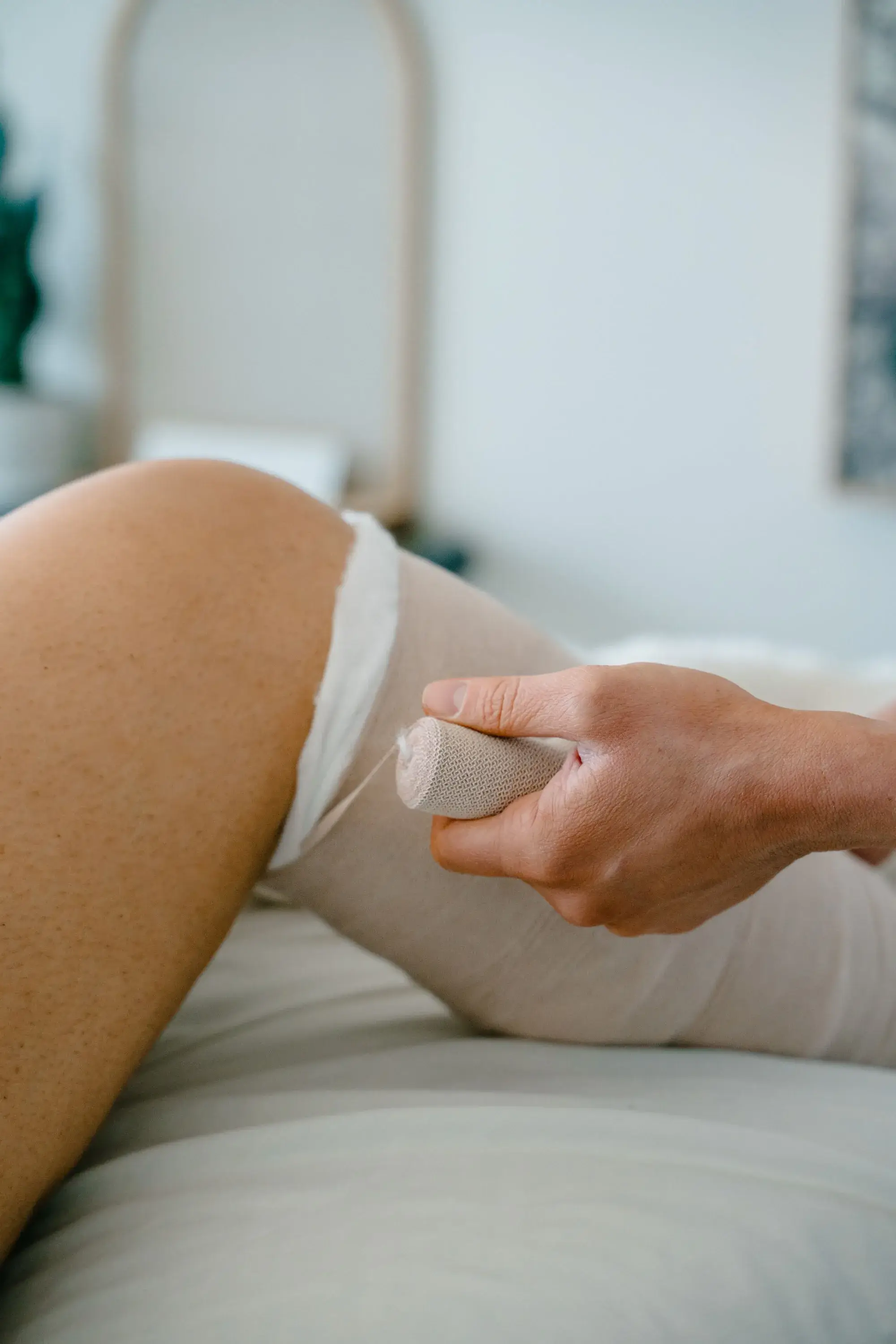
If lymphedema is diagnosed, the standard of care is complete decongestive therapy, which the NLN describes as a two-phase, non-invasive approach. The intensive phase combines manual lymphatic drainage, multilayer short-stretch bandaging, decongestive exercise, skin care and self-care teaching, ideally five days a week until volume reduction plateaus, typically over three to eight weeks. The maintenance phase moves without a gap into day and night compression garments, self-drainage, exercise and garment replacement every four to six months. At Renu, complete decongestive therapy is delivered by Meeghan Mackenzie, RMT, Certified Lymphedema Therapist and Certified Compression Fitter, with foundations in the Vodder and Földi methods. We describe what the treatment does and what the evidence shows; we do not promise that it prevents lymphedema, and we work from your oncology team’s information, never around it. If a reconstruction is part of your plan, lymphatic care after mastectomy and reconstruction explains how the timing works.
Questions people ask
How many lymph nodes are removed in an axillary dissection?
Anywhere from about 10 to 40, though usually fewer than 20, according to the American Cancer Society. A sentinel biopsy removes only a few. The number on your pathology report is worth knowing because more extensive surgery is one of the two strongest risk factors for lymphedema.
Does radiation after a dissection raise the lymphedema risk further?
Yes. In a prospective cohort of 2,171 women, the five-year rate was 24.6% after dissection alone and 31.2% when regional nodes were also irradiated, and the onset peak moved from 6 to 12 months out to 18 to 24 months. Keep measuring through the second and third year.
Is it too late for a prophylactic sleeve if my surgery was months ago?
The trial that showed benefit started sleeves at surgery and continued until three months after adjuvant treatment, and the NLN asks for them to be applied as soon after surgery as possible. If months have passed, ask your team or a Certified Lymphedema Therapist whether a sleeve or regular measurement is the better use of your effort now.
If I develop lymphedema after a dissection, is it permanent?
The NLN describes lymphedema as a chronic condition that can progress, which is why early treatment matters. Early-stage lymphedema may need only minimal management focused on preventing flare-ups, while later stages usually mean lifelong maintenance with garments and self-care.
Sources
- DiSipio et al., Lancet Oncology 2013: Incidence of unilateral arm lymphoedema after breast cancer, systematic review and meta-analysis
- American Cancer Society: Lymph node surgery for breast cancer
- Donker et al., Lancet Oncology 2014: Radiotherapy or surgery of the axilla after a positive sentinel node (EORTC AMAROS)
- Bartels et al., Journal of Clinical Oncology 2023: 10-year results of the EORTC AMAROS trial
- McDuff et al., International Journal of Radiation Oncology Biology Physics 2019: Timing of lymphedema after treatment for breast cancer
- Paramanandam et al., Journal of Clinical Oncology 2022: Prophylactic use of compression sleeves in women at high risk of breast cancer-related lymphedema
- National Lymphedema Network: Position Statement, Evidence-Based Practices for Lymphedema Risk Reduction (March 2026)
- National Lymphedema Network: Position Statement, Lymphedema Diagnosis and Treatment (September 2025)
Page reviewed October 3, 2026. This page is education, not a diagnosis. For your own situation, talk to your doctor, surgeon or care team, or ask us.
Keep reading
Related pages