
Massage for chemotherapy-induced neuropathy
No drug prevents chemotherapy neuropathy and only duloxetine has guideline support for the pain. Small massage trials show relief; here is what they found.
By The Renu lymphatic and massage team · 6 min read
Massage cannot repair the nerve damage behind chemotherapy-induced peripheral neuropathy, and the 2020 ASCO guideline is clear that no agent prevents it and only duloxetine has adequate evidence for the pain. Two small randomised trials, one giving massage three times a week for four weeks and one giving it before each paclitaxel infusion, did report lower neuropathy symptoms. On numb hands and feet the pressure stays light and heat is avoided, because you cannot reliably feel when either is too much.
Massage cannot repair the nerve damage behind chemotherapy-induced peripheral neuropathy, and the 2020 ASCO guideline is clear that no agent prevents it and only duloxetine has adequate evidence for the pain. Two small randomised trials, one giving massage three times a week for four weeks and one giving it before each paclitaxel infusion, did report lower neuropathy symptoms. On numb hands and feet the pressure stays light and heat is avoided, because you cannot reliably feel when either is too much.
What the drugs did, and why nothing undoes it
Chemotherapy-induced peripheral neuropathy (CIPN) is damage to the peripheral nerves caused by cancer medicines. The American Cancer Society lists the drugs most likely to cause it: platinum drugs (cisplatin, carboplatin, oxaliplatin), taxanes (paclitaxel, docetaxel, cabazitaxel), plant alkaloids such as vincristine and vinorelbine, immunomodulating drugs such as thalidomide and lenalidomide, and proteasome inhibitors such as bortezomib.
The symptoms are the ones you already know: tingling, burning, numbness, sharp or throbbing pain, weakness, cramping, changes in sweating and skin sensitivity, and trouble with balance. The ACS is honest that recovery varies. Some people find the symptoms resolve after treatment ends, some improve only partly, and for some the damage is permanent.
The American Society of Clinical Oncology updated its CIPN guideline in 2020 after reviewing 28 prevention trials and 14 treatment trials. Its conclusions are blunt: no agent is recommended to prevent CIPN, the use of acetyl-L-carnitine for prevention should be discouraged, and duloxetine is the only drug with appropriate evidence for established painful CIPN, with a benefit the panel calls limited. The guideline also asks oncologists to consider delaying, reducing, substituting or stopping chemotherapy when neuropathy becomes intolerable or starts to affect function. That is the frame to hold any complementary therapy inside, massage included.
The massage trials, honestly described
Two randomised trials are worth knowing about. Neither is large.
Lopez and colleagues, MD Anderson, 2022. Seventy-one people with lower-leg neuropathy from oxaliplatin, paclitaxel or docetaxel, at least six months past their last chemotherapy and on average more than three years out, were randomised to Swedish massage of the legs or of the head, neck and shoulders (the control), on one of two schedules: three times a week for four weeks, or twice a week for six weeks. The massages were given by three licensed oncology massage therapists, each with more than 15 years of experience, with pressure increased gradually to tolerance. At ten weeks there was no significant difference between leg and control massage, but there was a significant schedule effect: the three-times-a-week groups had lower neuropathy symptom scores on the Pain Quality Assessment Scale than the twice-a-week groups, and the improvements judged clinically meaningful favoured leg massage three times a week. Attendance was the same on both schedules.
Izgu and colleagues, Turkey, 2019. Forty women with breast cancer receiving adjuvant paclitaxel were randomised to classical massage before each infusion or to usual care. At week 12, peripheral neuropathic pain was lower in the massage group, sensory and motor quality-of-life scores favoured massage over time, and nerve conduction studies showed a higher median nerve sensory amplitude and a shorter tibial nerve latency in the massage group.
What these studies show is symptom relief in small groups, with frequency apparently mattering more than where the hands go. What they do not show is prevention in a way ASCO would endorse, or recovery of lost sensation. Cancer Research UK’s summary of massage research as a whole is that results on symptoms are mixed and that nobody has shown massage spreads cancer, which is the other question people quietly carry into the room.
Why numb skin changes how we work
Ordinary massage relies on you to say when pressure is too deep or a heat pack too warm. Neuropathy takes that feedback away. The ACS advice for daily life makes the point: set the hot-water tank between 105 and 120 °F (about 41 to 49 °C) to reduce scalding, wear shoes that cover the whole foot even indoors, check your feet every day for injuries you did not feel, and use gloves for cleaning and sharp objects.
The same logic shapes a session:
- Pressure stays light to moderate and builds only with your clear feedback, following the approach the Lopez trial used. Deep work on a limb that cannot report pain is not a good trade.
- No heat on numb areas. Hot stones, heated packs and hot towels are left out for hands and feet with reduced sensation, for the same reason the ACS asks you to turn the tank down.
- The skin is checked first. Cracks, blisters, pressure sores and nail problems are easy to miss on a numb foot and are a reason to work elsewhere until they heal.
- Positioning accounts for balance. Getting on and off the table is done slowly, with the therapist nearby, because the ACS lists balance problems and falls among the risks of CIPN.
- The oncology picture comes first. The MD Anderson trial excluded people with a recent clot, bone metastases, active skin infection, lymphedema in the treatment area, very low platelets or neutrophils, and diabetes. Those are the same questions we ask, and some of them mean waiting or adapting rather than treating.
If you have had lymph nodes removed as well, the limb at risk gets the lighter lymphatic approach described on oncology massage: pressure, positioning and safety.
What has better evidence than massage
It is fair to say what sits above massage on the evidence ladder. Duloxetine for painful CIPN, prescribed by your oncology team, is the only treatment ASCO rates adequately supported. Dose adjustment of the chemotherapy itself is the other lever, and it is theirs alone.
Exercise is the one lifestyle measure with broad backing in cancer care. The 2019 international roundtable led by the American College of Sports Medicine concluded that exercise training is generally safe for cancer survivors and that everyone should avoid inactivity, while noting that its specific effect on peripheral neuropathy remains uncertain. A physiotherapist or cancer exercise specialist can build balance and strength work around numb feet.
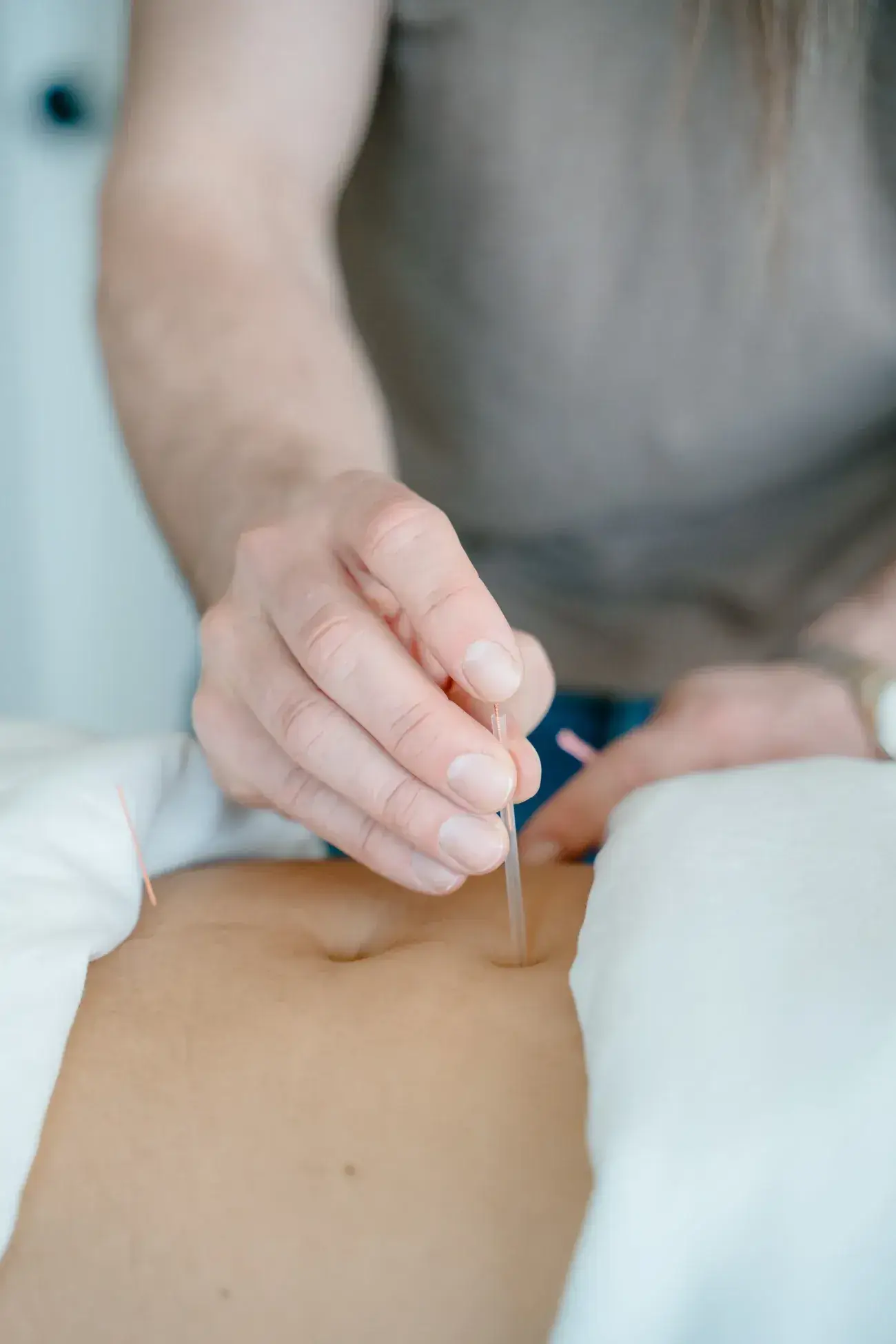
Acupuncture is sometimes raised for neuropathy. We offer acupuncture with Dr. Will Tanner, and whether it is appropriate for you during or after chemotherapy is a conversation to have with your oncology team first, particularly if you have had lymph nodes removed from an arm or leg.
What a session at Renu looks like
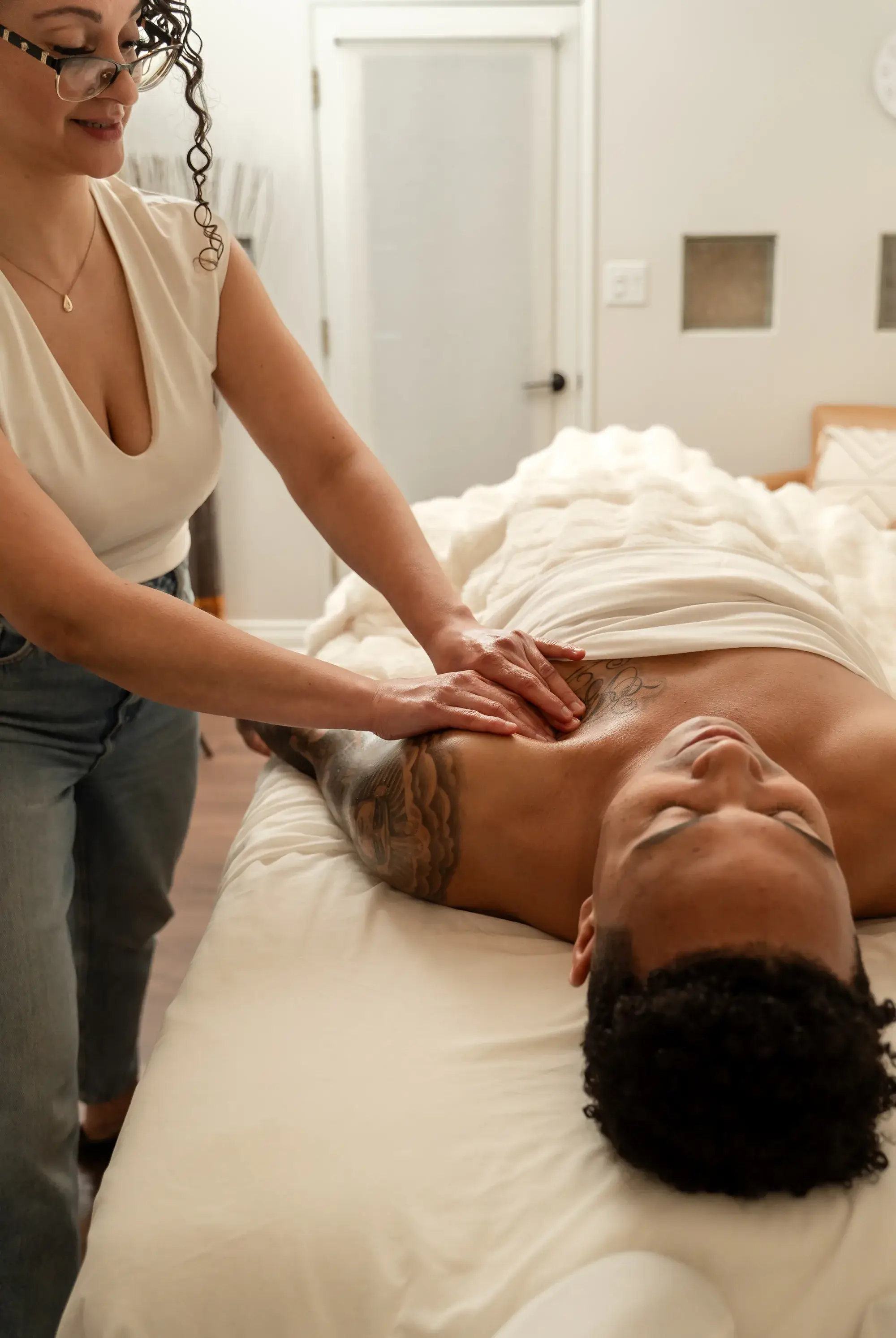
Tell us about the neuropathy when you book, including which drugs caused it and whether your hands, feet or both are affected. A massage therapy appointment of 45 or 60 minutes is usually enough; longer is not better when the aim is comfort rather than deep work. Expect slow strokes, unhurried attention to the hands and feet, no heat on numb areas, and a therapist who asks more often than usual how things feel. Our page on massage during chemotherapy covers timing around infusions and blood counts if you are still in treatment.
When to call your oncologist
Contact your cancer team rather than booking a massage if you notice new weakness, difficulty walking or holding objects, a fall, a sudden worsening of numbness or pain, or neuropathy that is interfering with daily activities. The ACS also asks you to tell them if the medications you have been given are not working. These are the signals that lead to a change in chemotherapy dose or a referral, and they are time-sensitive. A burn, cut or blister on a numb foot that is not healing, or any redness, warmth or swelling around it, needs medical review the same day.
Questions people ask
Can massage bring the feeling back in my feet after chemo?
There is no evidence it restores sensation, and the ASCO guideline lists no treatment that reverses the nerve damage. The trials that exist measured symptoms such as pain quality and quality of life, not recovery of feeling. The American Cancer Society notes that neuropathy sometimes improves on its own after treatment ends, and sometimes does not.
How often did people in the massage trials have treatment?
In the MD Anderson pilot, three massages a week for four weeks produced lower neuropathy symptom scores at ten weeks than two a week for six weeks, with no difference in how many sessions people managed to attend. In the Turkish paclitaxel trial, massage was given before each infusion. Neither schedule has been tested against a cheaper or less frequent one.
Is it dangerous to have a foot massage if I cannot feel my feet properly?
It is safe when the therapist knows. The risk is that you cannot judge pressure, heat or a developing sore, so the therapist keeps the work light, skips heat, and looks at the skin before starting. Tell them about the numbness and about any cuts or blisters you have found when checking your feet.
What neuropathy symptoms should I report to my oncologist rather than a massage therapist?
New weakness, difficulty walking or holding objects, falls, or symptoms that are interfering with daily life. The ASCO guideline asks oncologists to consider delaying, reducing or changing chemotherapy when neuropathy becomes intolerable, which is a decision only they can make.
Sources
- Loprinzi et al., Journal of Clinical Oncology 2020: Prevention and management of chemotherapy-induced peripheral neuropathy in survivors of adult cancers, ASCO guideline update
- Lopez et al., Scientific Reports 2022: A randomized pilot study of oncology massage to treat chemotherapy-induced peripheral neuropathy
- Izgu et al., European Journal of Oncology Nursing 2019: Prevention of chemotherapy-induced peripheral neuropathy with classical massage in breast cancer patients receiving paclitaxel
- American Cancer Society: Peripheral neuropathy
- Cancer Research UK: Massage
- Campbell et al., Medicine and Science in Sports and Exercise 2019: Exercise guidelines for cancer survivors, consensus statement from international multidisciplinary roundtable
Page reviewed October 4, 2026. This page is education, not a diagnosis. For your own situation, talk to your doctor, surgeon or care team, or ask us.
Keep reading
Related pages