
What should you do after lymphatic drainage?
Compression back on if you have it, a walk rather than the gym, water in normal amounts, loose clothes and no hot tub. What makes the rest of the day count.
By The Renu lymphatic and massage team · 5 min read
Put your compression garment back on if you have one, keep moving gently rather than sitting still or training hard, drink water in normal amounts, and expect to visit the bathroom more often for a day or two. Avoid tight waistbands and socks, long spells standing or sitting, and heat such as hot tubs or saunas that day. Fluid you have just moved will drift back if the limb hangs still and unsupported.
The session is the easy part. What happens in the six hours after it decides how much of the work holds, because the fluid a therapist has moved is only moved, not gone, until your own circulation has carried it away. Here is what we ask clients to do with the rest of the day, and why each one matters.
Compression back on, if you wear it
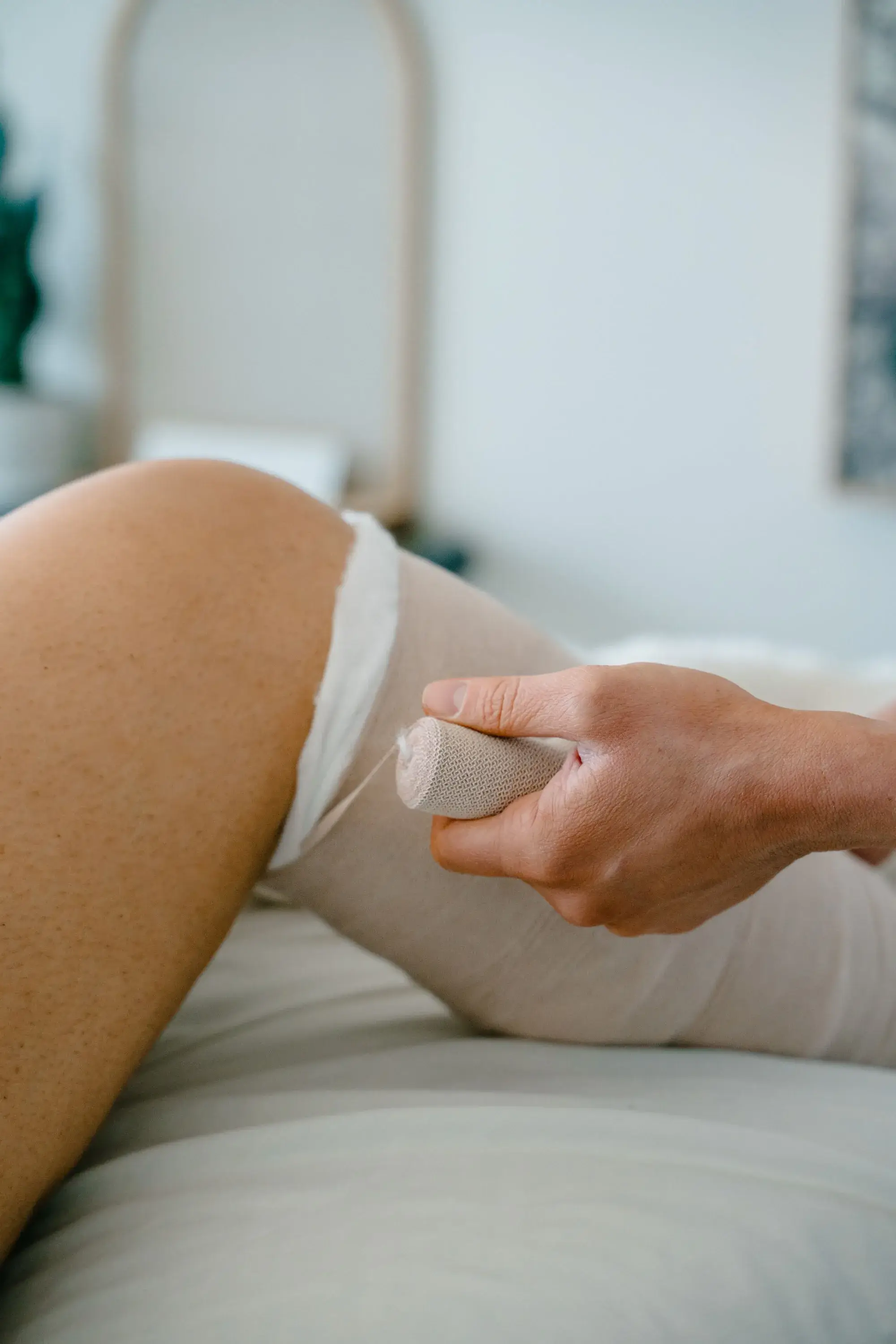
If you have a compression sleeve, stocking or wrap, it goes on before you leave. The NHS lymphedema treatment page explains the logic: the lymphatic system has no central pump, the garment acts as a counterforce to the muscles, and compression may be applied after a massage session to prevent fluid accumulating in the limb again. The Cleveland Clinic’s advice is the same in one line: if you wear compression garments to reduce fluid retention, keep wearing them.
Put it on properly. Macmillan’s guidance is to ease the garment up a bit at a time rather than pulling from the top, to make sure the material is spread evenly with no creases, and never to turn or roll the top over, because that restricts blood flow and causes more swelling. Wear it all day; Macmillan says you can usually take it off at night or when lying down to rest. If it causes numbness, pins and needles, pain or a colour change in your fingers or toes, take it off and contact whoever fitted it. The Learning Centre’s compression garments page covers fitting and care.
Move gently, do not train
Walking is the best thing you can do after a session. Muscles squeezing the vessels is how lymph moves between appointments, and the NHS’s own list for swollen legs says to get some gentle exercise, like walking, to improve your blood flow. Cedars-Sinai suggests even a 15 to 20 minute stroll helps the body shift fluid, and names swimming as a good option because the water provides built-in compression.
A hard workout is a different matter. It heats the tissue and sends blood to the working muscles, which is not what a freshly drained limb needs. If you are recovering from surgery, the question is moot: HelloPhysio’s post-liposuction guidance notes that vigorous exercise is generally off limits in early recovery and that light activity and walking, as cleared by your surgeon, encourage fluid circulation. Save the gym for tomorrow or the day after.
Water in normal amounts
Drink as you normally would, and a little more if you are thirsty, but do not force litres. The sources are consistent that hydration helps: the Cleveland Clinic recommends drinking plenty of water so lymph can move easily, and Healthline’s lymphedema therapist says well-hydrated tissue helps move out waste materials. None of them say extra water flushes anything, and the idea that you must “drink to clear the toxins” is not supported.
Expect to pass more urine anyway. Healthline lists increased urination for 24 to 48 hours among the minor side effects of lymphatic drainage, along with a temporary rise in blood pressure. That is the moved fluid leaving through the kidneys, and we have a fuller answer on why you pee more after lymphatic drainage.
Keep the limb loose and lifted
Two of the simplest instructions do the most. The NHS advice for swollen ankles and legs is to raise the swollen area on a chair or pillows when you can, and not to stand or sit in one position for long periods. If your afternoon is a desk, get up every half hour; if it is a drive home, stop and walk once.
The same NHS page says not to wear clothes, socks or shoes that are too tight, and the NHS prevention advice for lymphedema repeats it: no tight-fitting clothes or jewellery. A tight waistband across a freshly drained abdomen, or a sock elastic on a drained ankle, is a dam exactly where you do not want one. Wear the loose clothes you came in.
Skip the heat today
Hot tubs, saunas and very hot baths are the one pleasant thing we ask you to postpone. The NHS prevention guidance for lymphedema is explicit: avoid very hot baths and showers, because the heat from saunas, steam rooms and sun beds may increase the swelling. For someone whose session was about swelling, heat the same evening works against it. If you are well and came for relaxation the stakes are lower, but a few hours’ gap is still sensible. If you want to pair a lymphatic session with our infrared cocoon, ask your therapist how to sequence them for your situation rather than assuming.
What you may notice tonight
Lighter limbs, more bathroom trips, and sometimes a deep tiredness or a mild headache. The Cleveland Clinic lists fatigue, headaches and nausea as the side effects a minority of people get, and asks that you tell your provider so they can adjust. Resting is the right response; our page on why you may feel tired after lymphatic drainage explains what is normal. A limb that looks a little fuller by bedtime after a day upright is usually fluid settling, and should look smaller again by morning.
When to call your doctor instead of waiting
Some things after a session are not after-effects. Call your doctor the same day if the treated area becomes red, hot or painful, if swelling increases suddenly, or if you develop a fever or chills; the NHS lists these as the signs of cellulitis, which needs antibiotics. Call emergency services for shortness of breath, chest tightness or pain, coughing up blood, palpitations, or feeling faint or confused, which the NHS warns can mean a clot in the lungs. Our Learning Centre page on when to seek medical care goes through these signs.
Making it a habit
Most of the above is simply good daily care for anyone who holds fluid, with or without a session. The Learning Centre’s at-home lymphatic health page turns it into a routine: breathing, walking, elevation, skin care and compression if prescribed. A classic lymphatic drainage massage at Renu runs 30, 45 or 60 minutes ($95, $105 and $130), and your therapist will tailor these notes to what we actually worked on. The clinic FAQ covers the practical side of the visit itself.
Questions people ask
Can I go to the gym after lymphatic drainage?
A walk is better than a workout that day. Gentle movement uses the muscles that keep lymph moving, which is why the NHS recommends walking for swollen legs, while a hard session heats the tissue and sends blood flow to the muscles. If you are recovering from surgery, vigorous exercise is off the table until your surgeon clears it in any case.
Should I drink a lot of extra water afterward?
Normal amounts, not litres. The sources recommend staying well hydrated because hydrated tissue moves waste more easily, but there is no evidence that extra water flushes anything out. You will pass more urine for a day or two regardless, because that is the moved fluid leaving through the kidneys.
Can I have a sauna or hot bath after my session?
Not that day if swelling is the reason you came. The NHS advises people with lymphedema to avoid very hot baths and showers because heat from saunas, steam rooms and sun beds may increase swelling. If you are well and simply enjoy the warmth, the same caution is sensible for a few hours.
Do I put my compression garment back on straight away?
Yes, before you leave. The NHS notes that compression may be applied after a massage session to prevent fluid accumulating in the limb again, and the Cleveland Clinic says to keep wearing your sleeves or socks. Make sure it is smooth with no creases and never roll the top down, which Macmillan warns restricts blood flow and causes more swelling.
Sources
- Macmillan Cancer Support: Compression treatment for lymphoedema
- NHS: Lymphoedema, treatment
- NHS: Swollen ankles, feet and legs (oedema)
- NHS: Lymphoedema, prevention
- Healthline: Lymphatic massage and weight loss
- Healthline: How to perform lymphatic drainage massage
- Cleveland Clinic: Lymphatic drainage massage
- Cedars-Sinai: Lymphatic drainage massage FAQs
- Cleveland Clinic: Lymphatic system
- HelloPhysio: Lymphatic drainage massage after liposuction
Page reviewed October 4, 2026. This page is education, not a diagnosis. For your own situation, talk to your doctor, surgeon or care team, or ask us.
Keep reading
Related pages