
Why do I feel tired after lymphatic drainage?
Tiredness after lymphatic drainage is a known, brief reaction: the slow technique shifts you into rest and moves fluid. What helps, and what is not normal.
By The Renu lymphatic and massage team · 6 min read
Feeling tired after lymphatic drainage is a recognised, uncommon and short-lived reaction. The Cleveland Clinic lists fatigue, headache and nausea among the side effects a few people notice. The technique measurably slows the heart and shifts brain activity toward relaxation, and your body is also processing a shift of fluid over the next day or two. The tiredness passes with an ordinary evening; fever, spreading redness or breathlessness do not belong to it and need a doctor.
Yes, it is a known reaction, and it is not common
Start with the reassurance, because that is usually what people need first. The Cleveland Clinic, describing the risks of lymphatic drainage massage, says that few people have negative reactions, but that some develop side effects like fatigue, headaches or nausea, and that you should let your provider know if that happens. Those three mild reactions are the documented list. Nothing in it is dangerous.
So if you came home from a session, lay down on the sofa and lost the rest of the afternoon, you are in a recognised minority and you are not unwell. The question worth answering is why a treatment so gentle can leave you so flat.
The treatment is designed to switch you into rest mode
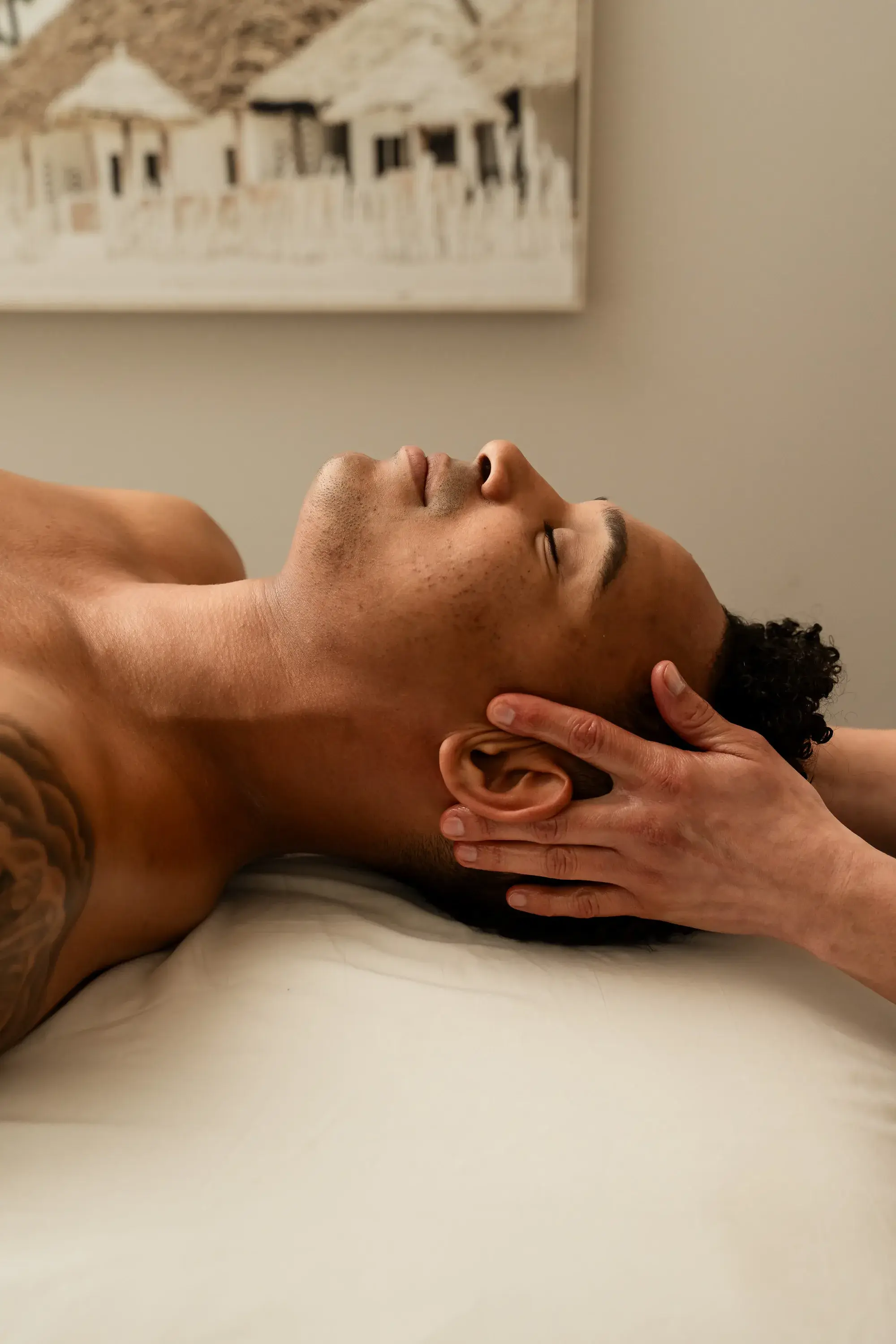
Lymphatic drainage is slow, repetitive and quiet. That is not incidental; the effect on your nervous system is measurable.
In a 2014 study, 26 adults with psychological stress were randomly given either a 15 minute lymphatic drainage treatment of the neck or 15 minutes resting on a bed. Brain activity was recorded by EEG. The drainage group showed a significant increase in delta and alpha activity, the slow brain waves associated with relaxation, and the authors concluded that the technique has acute neural effects that increase relaxation. Resting alone did not do the same.
A 2020 trial in 24 healthy students compared two lymphatic techniques at the base of the neck against a placebo and a control. The Vodder technique, the method Meeghan Mackenzie trained in, produced a significant reduction in heart rate compared with the other groups, and lymphatic drainage overall lowered systolic blood pressure. The authors note that the other physiological measures stayed within normal values, which they read as evidence of the technique’s safety.
Put those together and you have a treatment that lowers your heart rate, lowers your blood pressure and nudges your brain toward the slow rhythms of rest, for an hour, in a warm room. Standing up afterward and feeling as though you have been woken from a nap is a reasonable response to that. Cedars-Sinai says the one benefit a healthy person can expect from lymphatic drainage is relaxation; sometimes relaxation arrives as heaviness rather than bliss.
Your body is also moving fluid around
The second thread is physical rather than neurological. A session moves fluid from your tissues into your bloodstream, and your kidneys then pass the excess. Healthline lists increased urination for 24 to 48 hours as a minor expected effect, along with a temporary increase in blood pressure. That is a modest amount of work for your body to do, and it is doing it in the hours after you leave.
We do not want to overstate this. No source we read measures how much fluid shifts in a healthy person or ties it directly to fatigue. What is documented is the urination window and the three mild reactions. The link between them is a sensible explanation, not an established mechanism, and we would rather tell you that than dress it up.
A session on an empty stomach, or a long session with deep abdominal work, tends to produce more of this flatness in our experience of the table. If that is you, say so next time and we can adjust.
What helps the same evening
The documented reactions are self-limiting, so the goal is comfort rather than treatment.
- Sit in the lounge for a few minutes before driving; your heart rate and blood pressure have just come down.
- Eat something within an hour or two if you came in hungry.
- Drink normally. Your kidneys are processing the fluid shift, and they do not need extra water to do it.
- Treat the evening as a rest evening. A walk is fine; the gym is not where the hour after a lymphatic session belongs.
- Expect to be in the bathroom more, and expect to sleep well.
Most people wake up the next day clear. If anything, the heaviness is often followed by the lightness they came for.
When tiredness is not a normal reaction
This matters more than the reassurance. The Cleveland Clinic lists fever, infection and cellulitis among the conditions in which lymphatic drainage should be avoided, and the reason is that moving fluid during an infection is not something anyone should do. A session on someone who is already brewing an infection can be followed by feeling very unwell, and that is the infection declaring itself, not a side effect of the massage.
The NHS describes the signs of cellulitis, the skin infection that people with lymphoedema are particularly prone to:
- Redness and a feeling of heat in the skin, which can be harder to see on brown and black skin
- Pain and increased swelling in the affected area
- A high temperature, or feeling hot, cold or shivery
If your tiredness comes with any of those, or with breathlessness, chest pain, a severe headache, or a limb that has become more swollen and painful rather than less, do not wait for it to wear off. Call your doctor the same day, or seek urgent care. Cellulitis, the NHS says, can be serious if it is not treated quickly, and it is usually treated with antibiotics by mouth when caught early.
For a longer discussion of the difference between a mild reaction and an illness, see can lymphatic drainage make you feel sick, and for the general red flags, our Learning Centre page on when to seek medical care.
Tiredness after lymphatic drainage versus after a massage
The two overlap but are not identical. After a firm massage, soreness and a kind of pleasant exhaustion are common, and we cover that on why you feel tired or emotional after a massage. After lymphatic drainage there is no muscle work to recover from, so the tiredness is purely the nervous-system shift and the fluid. It tends to be lighter and shorter, and it should never come with sore or bruised tissue. If it does, the session was not lymphatic drainage as it is meant to be done.
What the trials say about safety
It is fair to want more than one clinic’s word. The Cochrane review of six randomised trials in breast cancer-related lymphedema, covering 208 women treated with repeated sessions over an intensive course, reported that manual lymphatic drainage was well tolerated and safe in every trial. That is a population with compromised lymphatics receiving far more treatment than a wellness client would, and the reviewers found nothing to report.
At Renu
If you know you tend to feel flattened by treatments, book a shorter session to begin with. Lymphatic drainage massage is offered at 30 minutes ($95) as well as 45 and 60, and we will happily leave the deep abdominal work for another day. Our lounge is there for the few minutes you may want before heading out, and if you have a diagnosed condition, Meeghan Mackenzie, our Certified Lymphedema Therapist, will plan the course with your medical team’s advice in hand.
Questions people ask
How long should tiredness after lymphatic drainage last?
The evening and perhaps a flat start the next morning. The fluid shift that accompanies a session runs its course over 24 to 48 hours, and the relaxation effect fades sooner than that. Tiredness that deepens over several days, or arrives with a fever, is not the treatment.
Is it safe to drive home after a lymphatic session?
Most people are fine to drive, but give yourself a few minutes in the lounge first. The technique has been shown to lower heart rate and systolic blood pressure in healthy people during a session, so standing up quickly and heading straight into traffic is not ideal. If you feel light-headed, sit until it passes.
Why do I get a headache after lymphatic drainage but not after a normal massage?
Headache is one of the three mild reactions the Cleveland Clinic names after lymphatic work specifically. The honest answer is that the reason is not established; it may relate to fluid shifts, to lying still for an hour, or to not having eaten. It should be mild and gone by the next day. A severe or unusual headache is a reason to call your doctor, not to wait.
Should I skip my next session if I felt wiped out?
Not necessarily. Tell your therapist what happened; they can shorten the session, leave out the deep abdominal work, or book you at a time when you can rest afterward. The Cleveland Clinic's advice is to let your provider know so they can reduce the chance of it recurring.
Sources
- Cleveland Clinic: Lymphatic drainage massage
- Shim & Kim, J Phys Ther Sci 2014: Effects of manual lymph drainage of the neck on EEG in subjects with psychological stress
- Río-González et al., J Clin Med 2020: Effects of different neck manual lymphatic drainage maneuvers on the nervous, cardiovascular, respiratory and musculoskeletal systems in healthy students
- Cedars-Sinai: FAQs about lymphatic drainage massage
- Cochrane: Manual lymphatic drainage for lymphedema following breast cancer treatment
- NHS: Lymphoedema
- Healthline: Does lymphatic massage help reduce weight and bloating?
Page reviewed October 4, 2026. This page is education, not a diagnosis. For your own situation, talk to your doctor, surgeon or care team, or ask us.
Keep reading
Related pages