
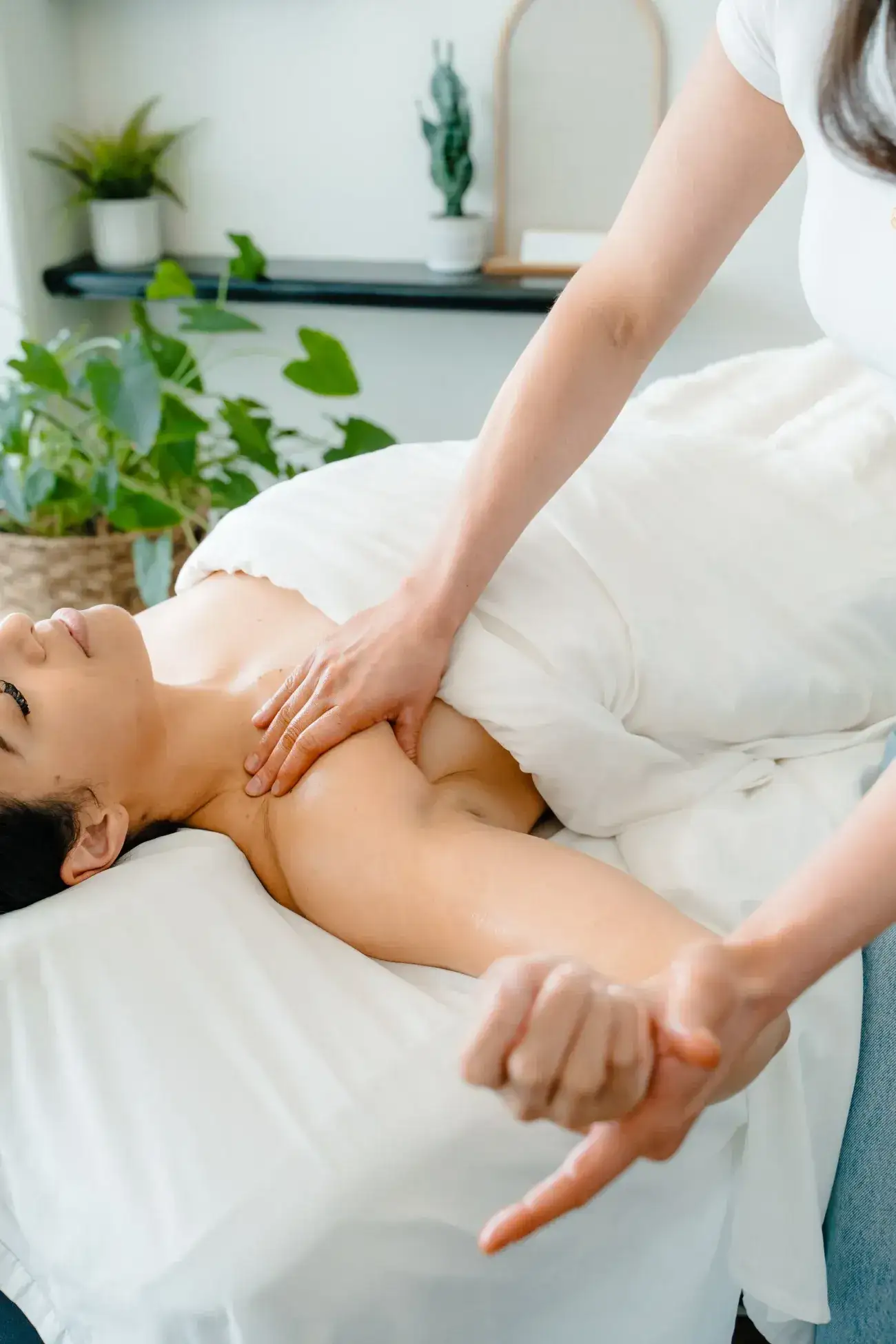
What does lymphatic drainage massage feel like?
Lymphatic drainage feels light, slow and rhythmic: skin stretched gently toward the neck, armpits and groin, no oil, no kneading. Here is what to expect.
By The Renu lymphatic and massage team · 6 min read
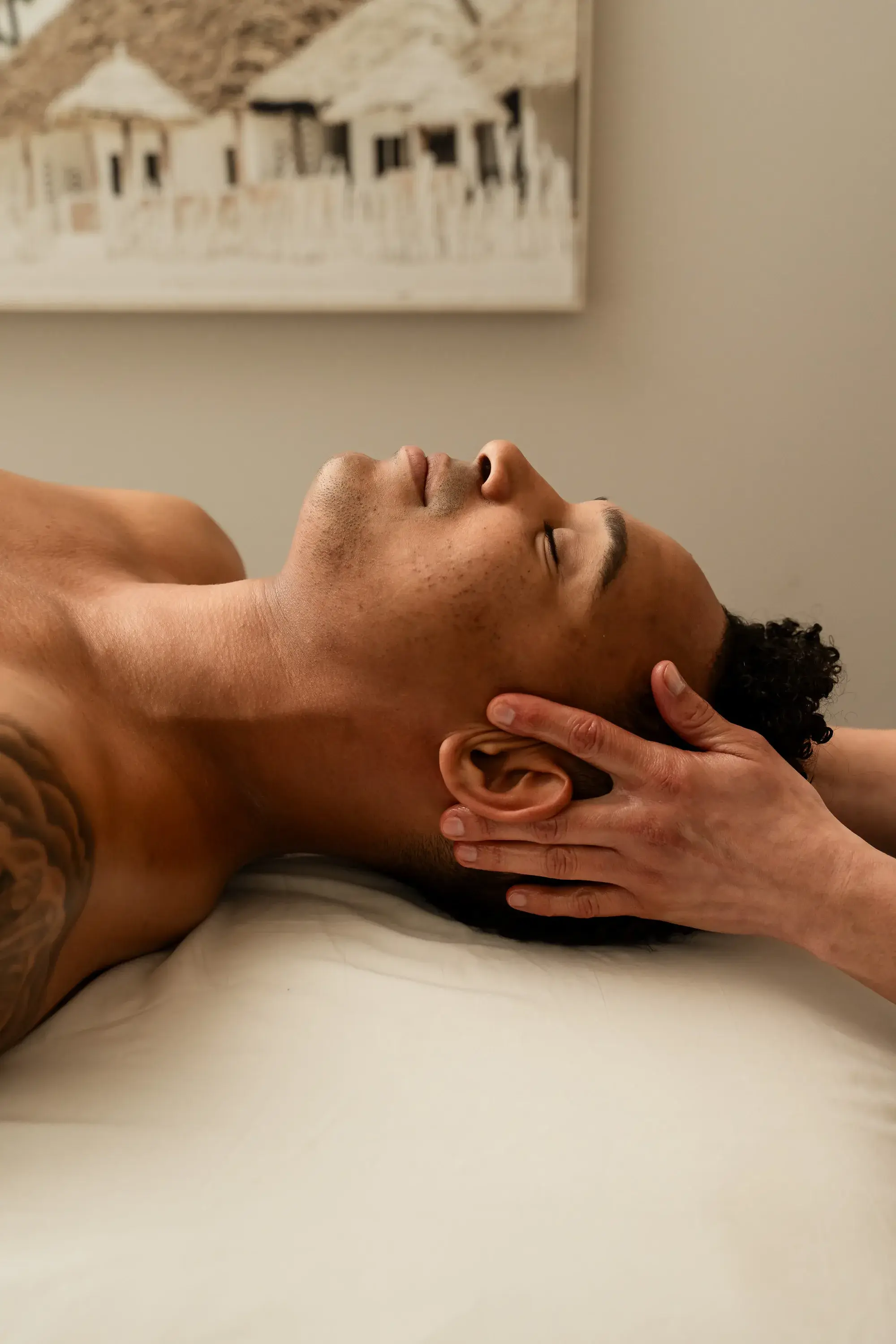
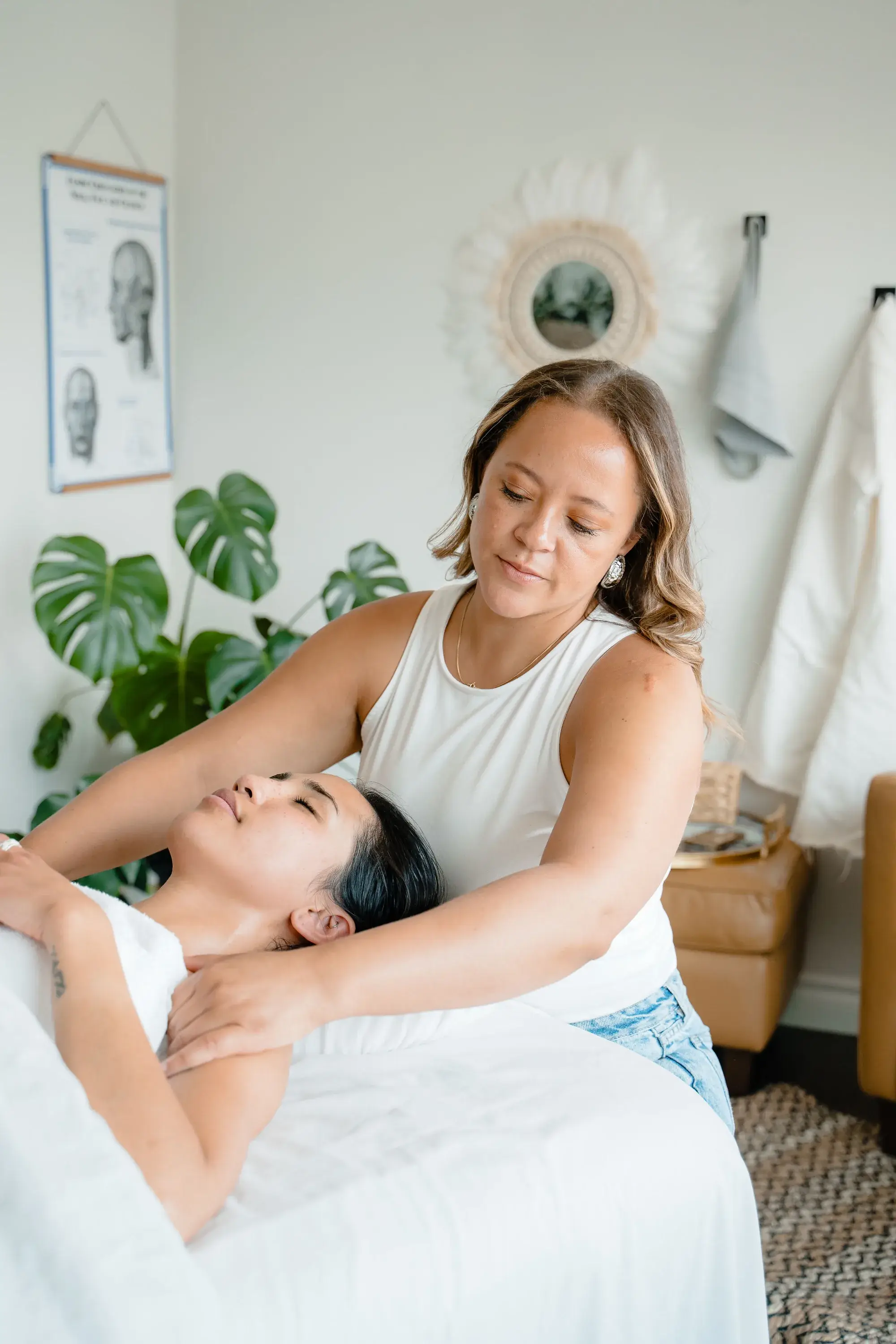
Lymphatic drainage massage feels light, slow and rhythmic. The therapist stretches your skin a small distance and lets it return, over and over, beginning at the neck and the main lymph node groups before working toward the swollen area. There is no kneading, no oil and no deep pressure, so many people feel very little during the session beyond warmth and drowsiness, yet imaging studies show the lymph vessels respond to that light touch.
The short version: light, slow and surprisingly quiet
If you are expecting a massage, the first thing you notice is how little pressure there is. Cedars-Sinai describes lymphatic drainage as a gentle massage using light pressure to move lymph fluid toward an area with working lymph vessels. The Canadian Cancer Society calls it a special kind of light massage in which the therapist lightly rubs, taps and strokes the soft tissue.
The second thing you notice is the rhythm. The same small movement repeats many times in one spot before the hands move on. A 2020 clinical study that tested the technique on healthy students described the strokes as very light, completely pain-free, rhythmical movements of the skin in one direction.
Most people settle into it within a few minutes. Many become drowsy. Some fall asleep.
How a session begins
Manual lymphatic drainage follows a set order, and it does not start where the swelling is.
Cedars-Sinai explains that the sequence starts with the main drains of the body: the lymph nodes in the neck, the groin and the armpits. The Cleveland Clinic describes the same opening, with the therapist first stimulating the areas that house your lymph nodes, which means the armpits, the neck and, with your consent, the groin, before coaxing excess fluid from the swollen tissue toward those nodes.
In practice that means a leg session begins with a few minutes at the collarbones and the belly, and a facial session begins at the neck. The small hollow above the collarbone, sometimes called the terminus, is treated as an indispensable step in the Vodder method and was the exact spot studied in the 2020 trial mentioned above.
You will be asked before any region near the groin is touched. You can decline, and the session is adapted.
What the strokes themselves feel like
The hands are flat and relaxed. Rather than gliding or kneading, they take your skin a short distance in one direction and then let it return on its own. The study authors describe circular or elliptical movements that first tighten the skin and then relax the contact until the skin returns to its starting position. Vodder-style movements only produce a traction of the skin; they do not slide across it.
Because the work happens on the skin, there is no oil or lotion. Cedars-Sinai is explicit that products should be avoided because the technique acts on the skin itself, and slippery skin would make the stretch impossible.
A reasonable description from the table is this: a warm hand rests on you, draws the skin perhaps a centimetre toward your heart, pauses, releases, and does it again. Then it moves a hand-width along and repeats. Over an hour you may feel:
- Warmth where the hands have been
- A soft tugging sensation at the skin, never in the muscle
- Occasional gurgling from the abdomen, especially during the deep belly work
- Heaviness in the limbs and eyelids as you relax
- Very little else
Why it can feel like nothing is happening
This is the most common thing new clients say, and it is worth taking seriously, because the sensation and the physiology do not match.
In a 2011 pilot study, researchers injected a fluorescent dye under the skin of ten people with lymphedema and twelve healthy volunteers, then filmed the lymph vessels before and after a drainage session. In the healthy limbs, average lymph velocity rose by 28 percent and the interval between lymphatic pumping events shortened by 23 percent. In the swollen limbs of people with lymphedema, velocity rose by 23 percent. None of those people would have felt a thing while it happened.
The nervous system responds too. In the 2020 study of healthy students, the Vodder-style neck technique lowered heart rate compared with a placebo stroke, and the authors describe the technique as inducing relaxation by settling the autonomic nervous system. A 2014 study recorded brain activity in 26 stressed adults given fifteen minutes of neck drainage or bed rest; the drainage group showed a significant increase in the slow alpha and delta waves associated with relaxation.
So the quiet is the point. The lymph vessels are thin-walled and sit close to the surface, and the technique is designed to stimulate them rather than the muscle underneath. You can read why the pressure has to stay light on why lymphatic drainage pressure is so light.
What you may notice afterward
The Cleveland Clinic is honest that you might not see immediate results, and we would rather you heard that from us too. Fluid that has been encouraged into the vessels during a session continues to move for some time after you leave.
Commonly reported, and ordinary:
- Needing the bathroom more over the next day or so
- Feeling sleepy or pleasantly heavy that evening
- A limb that feels less tight the next morning
Less common but documented by the Cleveland Clinic: fatigue, headache or mild nausea. These settle on their own. If you want to understand them, see why you feel tired after lymphatic drainage.
The Cochrane review of six trials in breast-cancer-related lymphedema reported no adverse events and described the technique as safe and well tolerated.
What a good session should never feel like
Lymphatic drainage is not a firm massage done slowly. If any of these happen, tell your therapist during the session rather than afterward:
- Pain, pinching or a burning stretch
- Pressure you can feel in the muscle rather than the skin
- Soreness or bruising the next day
The Dr. Vodder School, the source of the original technique, emphasises precision and lightness of touch and notes that this is what produces relaxation and pain reduction alongside the drainage effect. Discomfort is a sign that the work has drifted into something else.
When to see a doctor instead of booking
Lymphatic drainage is a treatment for swelling, not a way to find out why you are swollen. The NHS advises seeing a GP if you develop the typical symptoms of lymphoedema, such as swelling in an arm or leg, and the Cleveland Clinic advises calling your provider any time lymphedema symptoms get worse. Please get swelling assessed first if it:
- Appeared suddenly or in one limb only
- Comes with pain, heat or redness in the skin
- Comes with a fever or feeling shivery
- Follows a recent operation and is increasing rather than settling
Our Learning Centre has a fuller guide to when to seek medical care.
Your first session at Renu
Classic lymphatic drainage at Renu is booked in 30, 45 or 60 minute sessions ($95, $105 and $130). Meeghan Mackenzie, our Certified Lymphedema Therapist, trained in the Vodder and Földi methods, and the lymphatic therapists on our team work in that tradition. You will stay draped except for the area being treated, nothing will be applied to your skin, and you are welcome to ask for any region to be left out. If you have a diagnosed condition, start with our page on lymphatic drainage massage so you book the right session.
Questions people ask
Does lymphatic drainage massage hurt?
It should not. The technique is described in the clinical literature as very light, completely pain-free movements of the skin. If anything stings, aches or feels bruising, say so during the session; that is not how this work is meant to feel.
Why does the therapist start at my neck when my legs are swollen?
The lymph node groups at the neck, armpits and groin are the main drains of the system, and clinical descriptions of the technique begin there so the pathways downstream are open before fluid is moved toward them. The area above the collarbone is treated as an essential step in the Vodder tradition.
Will I feel lighter straight after?
Some people do, some feel nothing in particular, and the Cleveland Clinic notes you may not see immediate results. What is well documented is deep relaxation during the session and, in imaging studies, faster lymph movement afterward.
Do I undress for lymphatic drainage?
The work is done directly on the skin without oil, so the area being treated is uncovered while the rest of you stays draped. The groin node group is only treated with your consent, and you can ask for any region to be left out.
Sources
- Cedars-Sinai: Lymphatic drainage massage FAQs
- Cleveland Clinic: Lymphatic drainage massage
- Canadian Cancer Society: Lymphedema
- Río-González et al., J Clin Med 2020: Effects of different neck manual lymphatic drainage maneuvers in healthy students
- Shim & Kim, J Phys Ther Sci 2014: Effects of manual lymph drainage of the neck on EEG in subjects with psychological stress
- Tan et al., Arch Phys Med Rehabil 2011: Lymphatic contractile function after manual lymphatic drainage, near-infrared fluorescence imaging
- Cochrane: Manual lymphatic drainage for lymphedema following breast cancer treatment (plain language summary)
- Dr. Vodder School International: FAQ
Page reviewed October 4, 2026. This page is education, not a diagnosis. For your own situation, talk to your doctor, surgeon or care team, or ask us.
Keep reading
Related pages