
What to do in a TMJ flare: soft food, heat and jaw rest for a week
Seven days of soft food, cold first then moist heat, paracetamol or ibuprofen, gentle jaw-muscle massage, no gum or wide yawns, and a log for your dentist.
By The Renu lymphatic and massage team · 5 min read
A TMJ flare settles fastest with a week of soft food, pain relief, cold then heat, and jaw rest that does not mean holding the jaw rigid. The NHS list is specific: eat soft foods such as pasta, omelettes and soup, take paracetamol or ibuprofen, hold an ice pack or heat pack wrapped in a towel to the jaw, massage the painful jaw muscles, and avoid chewing gum, biting nails, biting with the front teeth, yawning widely and clenching. The American Academy of Family Physicians warns that immobilising the joint has no benefit and may make things worse, so the week is about gentleness, not stillness.
A jaw flare arrives with a bad night’s sleep, a stressful week or one ambitious sandwich, and suddenly chewing hurts, the temple aches and the joint feels thick. The instinct is to clamp the jaw still and wait. The guidance says something gentler and more active: feed the jaw softly, warm it, keep it moving a little, and watch the habits. Here is a week built from the NHS, the AAFP and a dental school’s self-care programme, with the days marked as our suggestion for ordering what the sources recommend.
What a flare is, and what it usually is not
The National Institute of Dental and Craniofacial Research (NIDCR) describes temporomandibular disorders as a group of more than 30 conditions in three broad categories: disorders of the joint including the disc, disorders of the chewing muscles, and headaches associated with a TMD. Most flares we see are the second kind, muscles that have been clenching under stress, and the NHS symptom list fits: pain around the jaw, ear and temple, clicking, popping or grinding noises, a headache around the temples, and difficulty opening the mouth fully.
Two facts take the fear out of the week. The NIDCR says signs and symptoms of TMD go away without treatment for many people, and the American Academy of Family Physicians (AAFP) reports that 40% of patients have spontaneous resolution and 50% to 90% had pain relief after conservative therapy. The routine below is conservative therapy.
The seven-day plan
Days 1 and 2: cool, soften, stop the habits.
- Soft food only. The NHS examples are pasta, omelettes and soup; the AAFP and the NIDCR both prescribe a soft diet. Cut food small, avoid large bites (Cleveland Clinic), and do not bite with the front teeth (NHS).
- Cold first. The University of Iowa College of Dentistry self-care programme sequences thermal care as cold for the acute stage; the NHS says ice packs or heat packs wrapped in a towel. Ten minutes over the sore muscles, a few times a day, with cloth between ice and skin.
- Pain relief. The NHS lists paracetamol or ibuprofen; the NIDCR mentions over-the-counter pain relievers such as ibuprofen. Follow the packet, and ask a pharmacist if you take other medicines.
- Habits off. No chewing gum or pen tops, no nail biting, no wide yawning, no clenching (NHS); no intentionally clicking the joint (Iowa); no chewing pens, ice or nails, no using teeth as tools (Cleveland Clinic).
Days 3 and 4: switch to moist heat, start gentle massage.
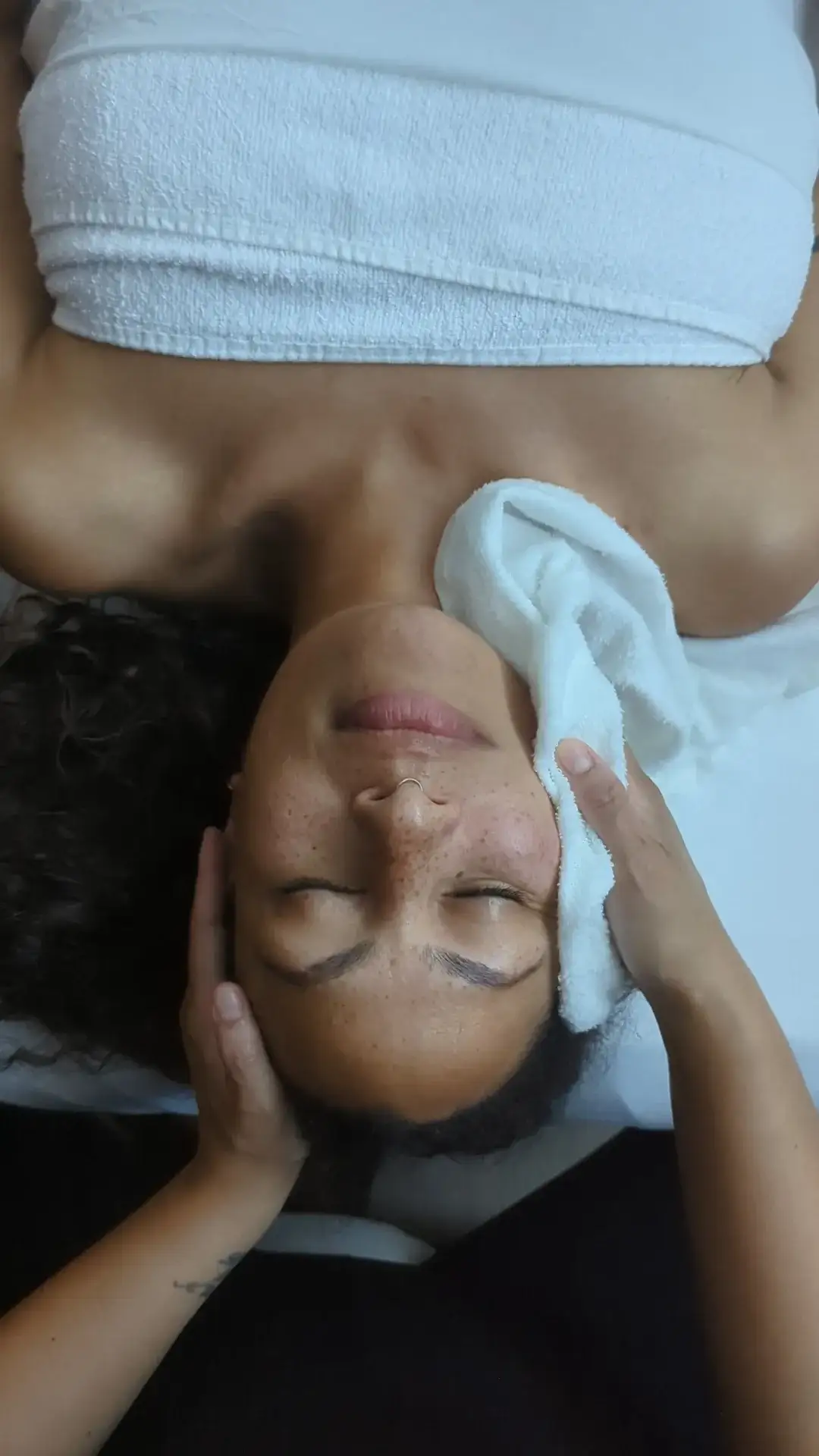
- Heat now. The Iowa programme moves to heat for the longer term and the AAFP recommends moist warm compresses: a facecloth wrung out in hot water, held over the cheek and temple for a few minutes, repeated through the day.
- Massage the painful jaw muscles, which the NHS lists as a do. Fingertips in slow circles over the masseter (the thick muscle you feel when you clench) and the temple, light enough that it eases rather than provokes.
- Keep the jaw gently moving. The AAFP states that TMJ immobilisation has shown no benefit and may worsen symptoms as a result of muscle contractures, muscle fatigue and reduced synovial fluid production. Talking, eating soft food and relaxed small openings are the movement; stretching waits.
Days 5 to 7: ease back, keep the heat, add relaxation.
- Food with some texture, still cut small, chewed on both sides.
- Relaxation techniques, which the NHS lists among the things to do and the Cleveland Clinic suggests as deep breathing or meditation. Our jaw relaxation routine gives the rest position to hold between meals.
- Sleep position: the Cleveland Clinic advises against sleeping on your stomach. Back or side, with the jaw unweighted.
- If the week has gone well, this is when gentle stretching can begin; our jaw exercises page is the next step, pain free or not at all.
Heat and cold in one table
| Stage | What the sources say |
|---|---|
| Acute, first days | Cold (Iowa programme). Ice or heat packs wrapped in a towel (NHS). |
| After the sharpest pain | Heat for the long term (Iowa programme). Moist warm compresses (AAFP). |
| Alongside exercises | Heat or cold on the face in combination with gentle stretching and strengthening (NIDCR). |
What to log for your dentist
A flare is a good week to collect the information a clinician will ask for. Keep a note each evening of:
- pain on a scale of 0 to 10, morning and evening
- how wide you can open comfortably (fingers stacked between the front teeth is a rough measure)
- clicks, catches or moments of locking, and which side
- what you ate and anything that set the pain off
- clenching you noticed, and whether you woke with a sore jaw
- headaches, ear symptoms or neck pain
The Iowa programme is built around a patient diary for exactly this reason: it makes patterns visible and makes you accountable to yourself.
When the week is not enough
The NHS says to get urgent help (its 111 service; here, your doctor, a walk-in clinic or emergency services) if you cannot eat or drink, if your jaw locks, or if you have severe headaches, vision problems, or pain or tenderness at the side of your head or on the scalp. See a GP or dentist if the flare is not improving. The AAFP’s referral thresholds are a history of trauma or fracture to the jaw complex, severe pain and dysfunction that do not respond to conservative measures, and pain with no identifiable source persisting for more than three to six months. A GP, the NHS notes, may suggest stronger painkillers, relaxation and sleep strategies, or a referral to a dentist, psychologist or physiotherapist. Our page on TMJ disorders explains what those referrals look for.
Booking massage during a flare
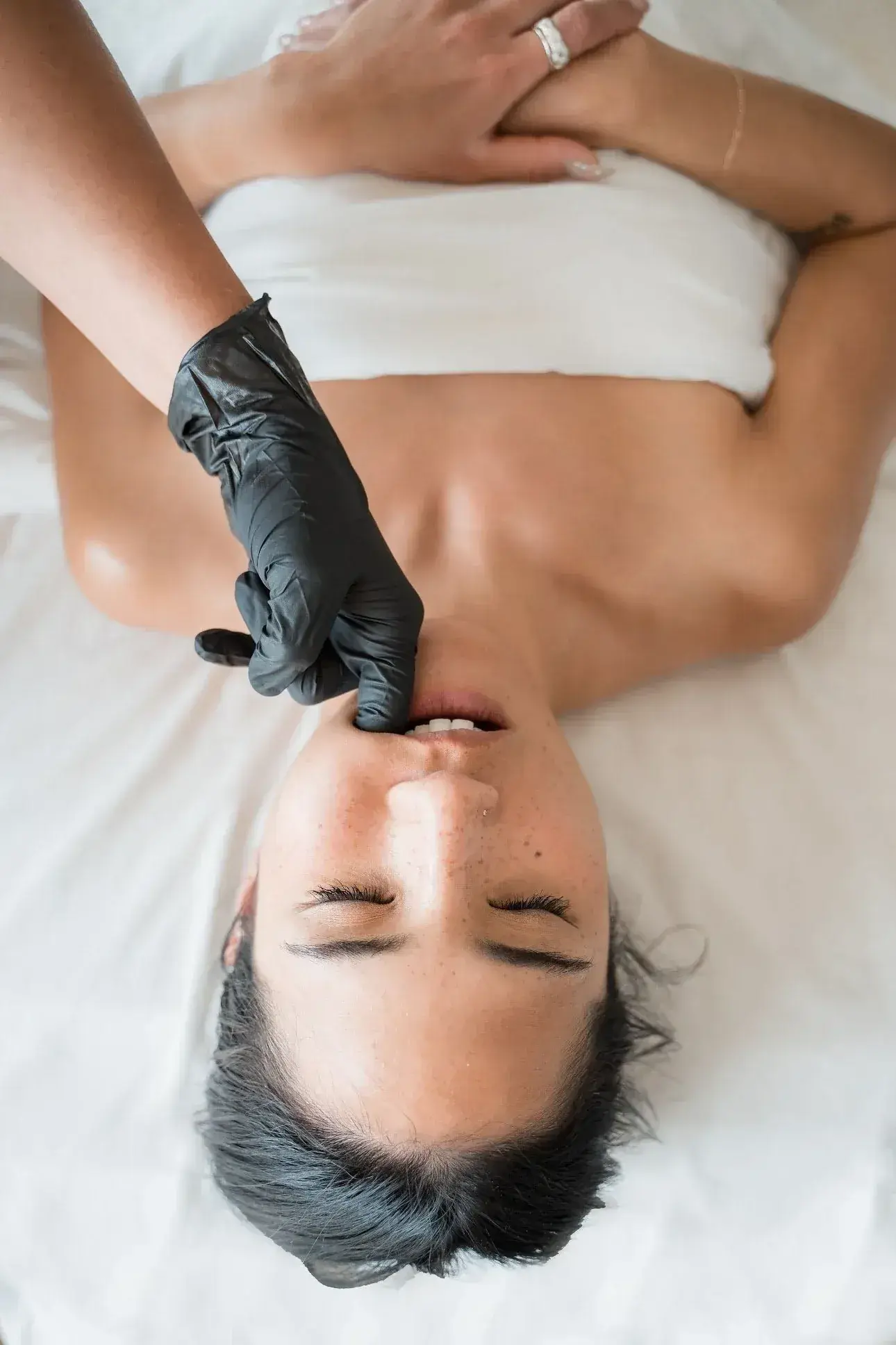
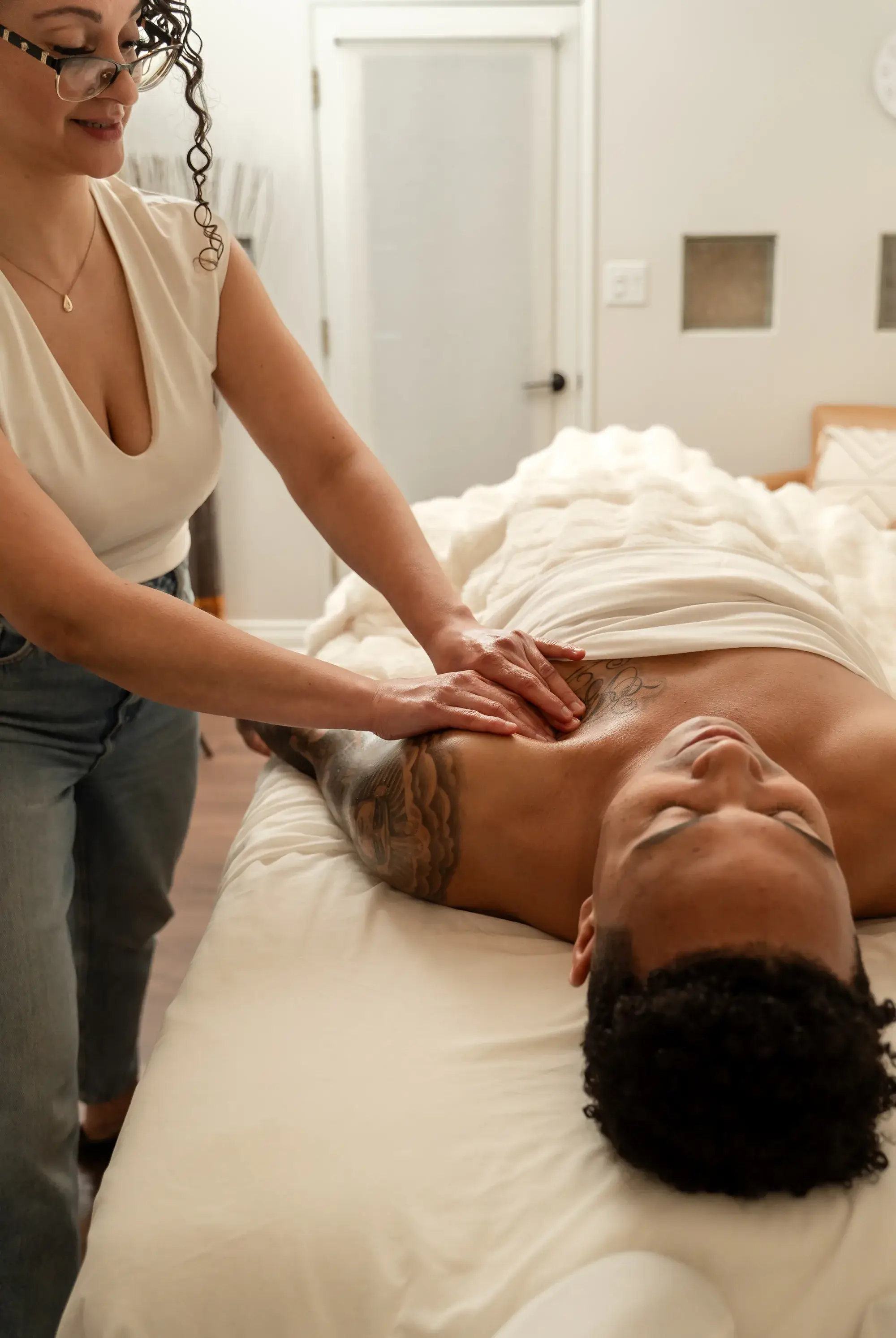
Our TMJ massage with Sasha Bernard is a 60-minute session that includes gloved intra-oral work on the chewing muscles, which needs a jaw that can open enough for an assessment, so the first few soft-food days usually come first. General massage therapy for the neck and shoulders is appropriate at any point in the week and often takes the edge off the jaw from below. If you are unsure which to book, the answers on our clinic FAQ cover what a first visit involves, and the front desk can ask Sasha.
Questions people ask
Heat or ice for a TMJ flare?
Both, in order. The Iowa dental self-care programme sequences thermal care as cold for the acute stage and heat for the long term; the NHS lists ice packs or heat packs wrapped in a towel as a do, and the AAFP recommends moist warm compresses. Our reading: cold in the first day or two when the muscles are hot and sore, moist heat from then on.
What can I eat during a TMJ flare?
Anything that needs little chewing. The NHS examples are pasta, omelettes and soup; the AAFP and NIDCR both say a soft diet. The Cleveland Clinic adds two habits to avoid: taking large bites of food and using your teeth as tools. Cut everything small and chew on both sides.
Should I stop moving my jaw completely?
No. The AAFP states that TMJ immobilisation has shown no benefit and may worsen symptoms through muscle contractures, fatigue and reduced synovial fluid. Rest means no clenching, no gum, no wide opening and no heavy chewing, while normal talking and gentle opening carry on.
How long does a TMJ flare last?
The sources do not give a fixed number of days, so we will not either. What they do say is that symptoms go away without treatment for many people (NIDCR) and that 40% of patients have spontaneous resolution (AAFP). A flare that is not improving within a reasonable time, or pain with no clear source lasting beyond three to six months, is the AAFP's threshold for referral.
When should I book TMJ massage during a flare?
Once you can open comfortably enough for an assessment, which for most people is after the first few days of soft food and heat. Sasha Bernard's TMJ massage includes gentle gloved work inside the mouth on the chewing muscles, so a jaw that will not open at all needs a dentist or doctor first. Bring the log from this page.
Sources
- NHS: Temporomandibular disorder (TMD)
- University of Iowa College of Dentistry (Stanford and Clark): Patient TMD self-care and exercises
- American Family Physician: Diagnosis and treatment of temporomandibular disorders (2015)
- Cleveland Clinic: Temporomandibular disorders (TMD)
- National Institute of Dental and Craniofacial Research: TMD (temporomandibular disorders)
Page reviewed October 4, 2026. This page is education, not a diagnosis. For your own situation, talk to your doctor, surgeon or care team, or ask us.
Keep reading
Related pages