
A daily jaw-relaxation routine for TMJ pain
Teeth apart, tongue behind the lower front teeth, face still, lips slightly apart: check it four random times a day and drop the habits that load the jaw.
By The Renu lymphatic and massage team · 6 min read
A daily jaw-relaxation routine for TMJ pain is built on one position, checked often: teeth apart, tongue resting behind the lower front teeth, facial muscles smooth, still and relaxed, lips slightly apart. The TMD self-care programme taught at the University of Iowa College of Dentistry asks patients to monitor and correct that posture throughout the day, with four random check-ins recorded in a diary, and to drop habits such as wide opening, clenching, grinding and nail biting. The American Academy of Family Physicians adds stress reduction and sleep hygiene, and the Cleveland Clinic adds posture and not sleeping on your stomach.
Most jaw pain we see in clinic is a muscle problem with a habit behind it. The joint gets the blame, but the masseter and temporalis are holding the teeth together for hours a day, at the desk, in traffic and asleep. A relaxation routine does not treat the joint; it retrains the holding. The self-care programme below comes from a university dental school’s TMD teaching, with the family-medicine and NHS guidance on stress, sleep and posture folded in.
Why a position, not a stretch
The American Academy of Family Physicians (AAFP) review of temporomandibular disorders says that supportive patient education is the recommended initial treatment, with jaw rest, a soft diet, moist warm compresses and passive stretching as adjuncts, and it asks clinicians to counsel patients on stress reduction, sleep hygiene, elimination of parafunctional habits (teeth grinding, pencil or ice chewing, teeth clenching) and avoidance of extreme jaw movement. In other words, the first treatment is what you do with your jaw the other 23 hours.
The numbers are encouraging. The AAFP reports that TMD affects 10% to 15% of adults but only 5% seek treatment, that 40% of patients have spontaneous resolution of symptoms, and that 50% to 90% had pain relief after conservative therapy. The National Institute of Dental and Craniofacial Research (NIDCR) agrees that signs and symptoms go away without treatment for many people. Conservative therapy is this page.
The rest position
The University of Iowa College of Dentistry self-care programme (from a course by Stanford and Clark) teaches one posture to monitor and correct through the day:
- teeth apart
- tongue resting behind the lower front teeth
- facial muscles smooth, still and relaxed
- lips slightly apart
Try it now. For most clenchers the surprise is the tongue: when it rests low and forward the back teeth cannot close without effort. The NHS states the rule in a single clause, that apart from when eating your teeth should be apart. If yours touch at rest, this is the habit the whole routine is designed to undo.
The four random check-ins
The Iowa programme’s method is accountability to yourself. Its self-care section says diaries allow goals to be set and patients become accountable to themselves, with four random monitoring touch points a day, and it asks you to check jaw posture throughout the day between them.
Our way of running it, which is a suggestion rather than a sourced protocol:
- Set four alarms at times you did not choose: let a timer app randomise them, or ask someone else to set them.
- When one goes off, freeze. Notice before you fix: are the teeth touching, is the tongue pressed to the palate, are the lips sealed tight, is the jaw pushed forward or to one side?
- Write a tick or a cross in the diary, then go to the rest position and take one slow breath out through the nose.
- At the end of a week, count the crosses and notice when they cluster. Driving, email, and the hour before bed are the usual suspects.
Habits to drop
The Iowa programme’s habit list is short: avoid opening wide, do not intentionally make jaw sounds, avoid clenching and grinding, and do not bite or suck on nails. The NHS and the Cleveland Clinic extend it:
| Habit | Who warns against it |
|---|---|
| Chewing gum or pen tops | NHS; Cleveland Clinic (pens, ice, nails) |
| Biting with the front teeth | NHS |
| Yawning widely | NHS; Iowa (avoid opening wide) |
| Biting nails | NHS; Iowa; Cleveland Clinic |
| Clenching, apart from when eating | NHS; Iowa |
| Making the joint click on purpose | Iowa |
| Large bites of food, using teeth as tools | Cleveland Clinic |
| Daytime clenching, sleeping on your stomach | Cleveland Clinic |
| Pencil or ice chewing, extreme jaw movement | AAFP |
A yawn is the one you cannot avoid, so make it small: tongue up on the palate, fist under the chin, let the yawn happen against gentle resistance so the mouth never reaches full stretch.
Stress, sleep and posture
Three more items belong in the daily routine because the sources put them there.
Stress. The Cleveland Clinic lists stress that causes jaw tension among the causes of TMJ disorders and suggests reducing stress with deep breathing or meditation; the AAFP counsels stress reduction; the NIDCR names psychological stressors among the factors research points to. A slow nasal breath out is the quickest way to unclench, which is why each check-in above ends with one.
Sleep. The AAFP’s behaviour list includes sleep hygiene and the Iowa programme lists sleep habits as its seventh self-care step. The Cleveland Clinic adds a specific: avoid sleeping on your stomach, which pushes the jaw sideways against the pillow for hours. If you grind at night, the Cleveland Clinic suggests a mouth guard; a dentist fits those.
Posture. The Cleveland Clinic’s prevention list includes sitting and standing with good posture. A head carried forward of the shoulders changes where the jaw hangs, and the Iowa programme’s chin tuck exercise exists for that reason; our jaw exercises page has it.
The pocket card
Copy this onto a card or a phone note:
- Teeth apart. Tongue behind the lower front teeth. Lips slightly apart. Face still.
- Four random checks a day, tick or cross.
- No gum, no nails, no pens, no wide yawns, no clicking the joint on purpose.
- Soft food on sore days. Moist warm compress in the long term.
- Breathe out slowly through the nose whenever you notice a clench.
- Side or back, not stomach, in bed.
When relaxation is not enough
The NHS says to get urgent help if you cannot eat or drink, if your jaw locks, or if you have severe headaches, vision problems, or pain or tenderness at the side of the head or on the scalp. The AAFP wants a referral if there has been trauma or a fracture to the jaw complex, if severe pain and dysfunction from internal derangement does not respond to conservative measures, or if pain with no identifiable source persists for more than three to six months. The NIDCR adds a caution we share: before considering irreversible treatments such as surgery, TMJ implants, or treatments that permanently change the teeth, bite or jaw joints, discuss the benefits, risks and alternatives with your doctor or dentist. If your jaw pain is not improving, the Cleveland Clinic’s advice is simply to talk to a healthcare provider.
Where hands-on care fits
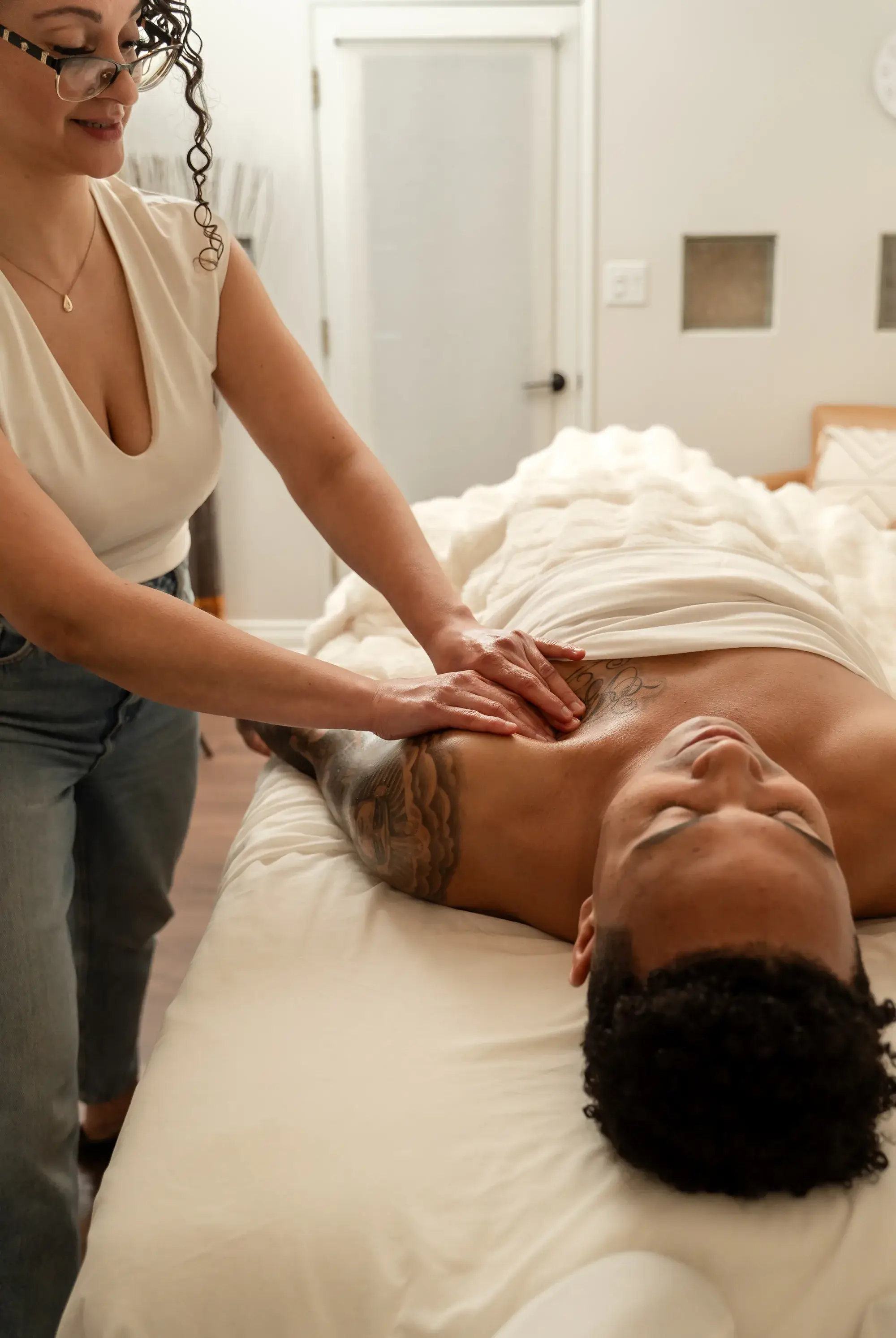
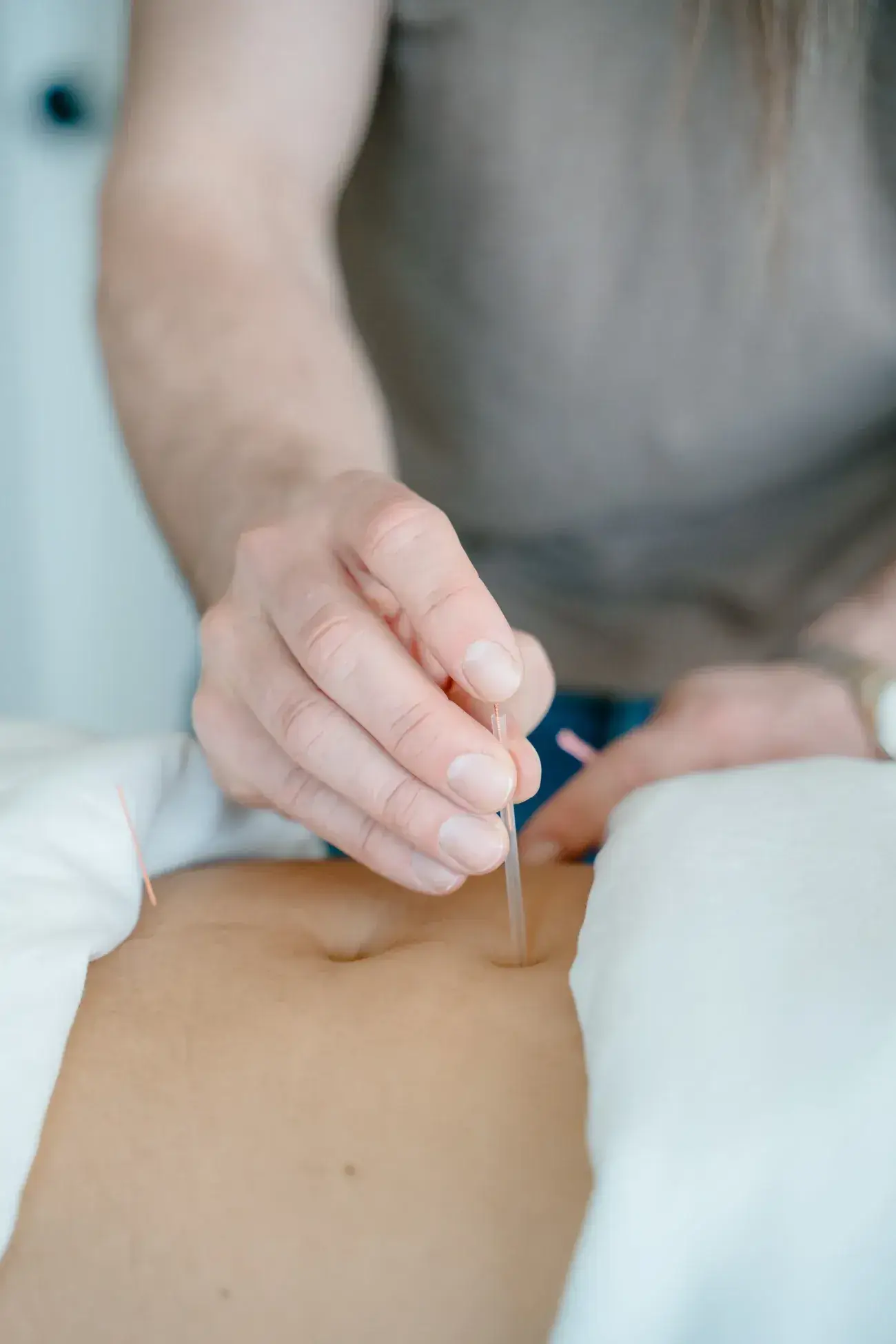
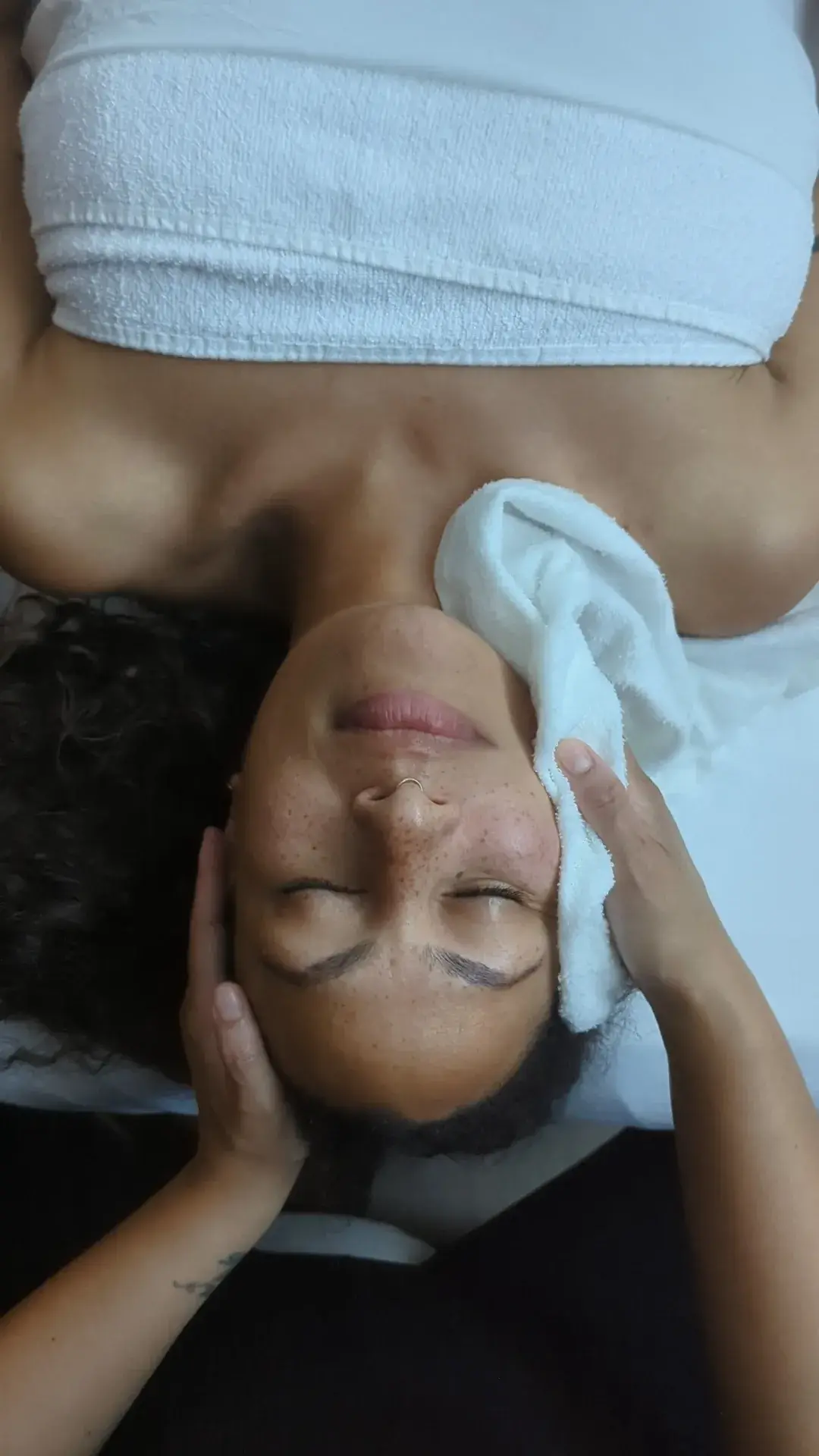
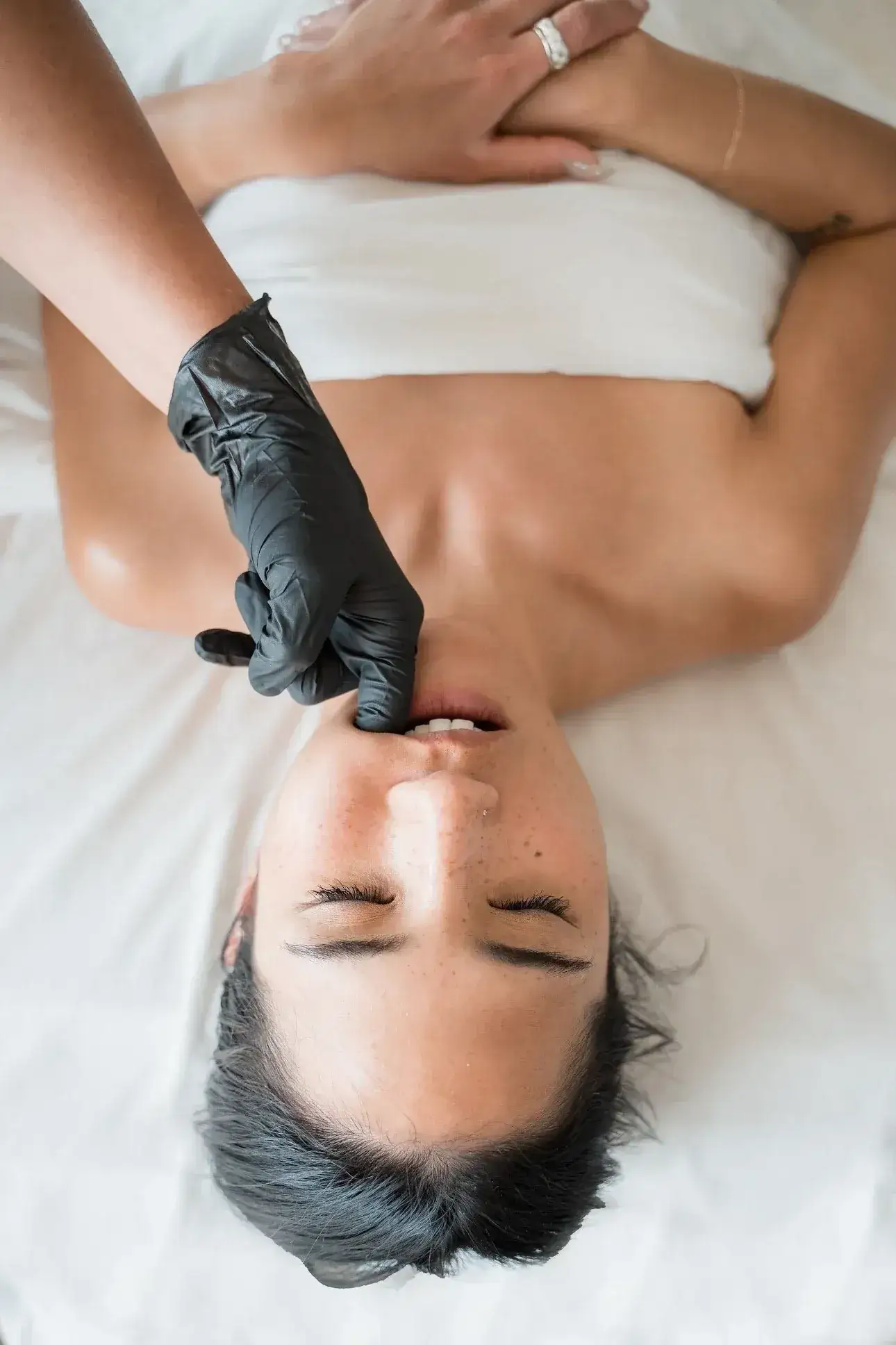
The routine above is yours to run every day; what we add is the release of muscles that have been holding for months. Sasha Bernard’s TMJ massage works the masseter, temporalis and the muscles inside the mouth, acupuncture with Dr. Will Tanner is another route into the same tension, and general massage therapy for the neck and shoulders takes the load off the jaw from below. For a flare, our seven-day TMJ flare routine is the companion to this page; for the longer term, bruxism explains the night-time grinding that so often sits underneath.
Questions people ask
What is the correct resting position for the jaw?
Teeth apart, tongue resting behind the lower front teeth, facial muscles smooth, still and relaxed, lips slightly apart, in the wording of the Iowa TMD self-care programme. The NHS puts the core of it in one line: apart from when eating, your teeth should be apart. If your teeth are touching right now, that is the habit the routine is for.
How often should I check my jaw during the day?
The Iowa programme uses four random monitoring touch points a day, recorded in a diary, and asks you to check the posture throughout the day in between. Random matters: a fixed time teaches you to relax at 10 am, while a surprise check catches the clench you did not know you were doing.
Does stress really cause jaw pain?
It is one of the recognised contributors. The Cleveland Clinic lists stress that causes jaw tension among the causes of TMJ disorders, and the AAFP recommends counselling on stress reduction and sleep hygiene as part of first-line care. The NIDCR notes that psychological stressors are among the factors research points to, while the exact cause is often not clear.
Will the clenching go away on its own?
For many people, symptoms do settle. The NIDCR says signs and symptoms of TMD go away without treatment for many people, and the AAFP reports that 40% of patients have spontaneous resolution and that 50% to 90% had pain relief after conservative therapy. The routine on this page is that conservative therapy, done daily.
When is jaw pain not something to manage at home?
When the jaw locks or you cannot open your mouth, when you cannot eat or drink, or when you have severe headaches, vision problems, or pain or tenderness at the side of the head or on the scalp: the NHS says to get urgent help for those. The AAFP also wants a referral after trauma or a fracture, or for pain with no identifiable source that lasts more than three to six months.
Sources
- University of Iowa College of Dentistry (Stanford and Clark): Patient TMD self-care and exercises
- American Family Physician: Diagnosis and treatment of temporomandibular disorders (2015)
- Cleveland Clinic: Temporomandibular disorders (TMD)
- NHS: Temporomandibular disorder (TMD)
- National Institute of Dental and Craniofacial Research: TMD (temporomandibular disorders)
Page reviewed October 4, 2026. This page is education, not a diagnosis. For your own situation, talk to your doctor, surgeon or care team, or ask us.
Keep reading
Related pages