
Pelvic girdle pain in pregnancy
Pelvic girdle pain in pregnancy is pain at the pubic bone or back of the pelvis that bites on stairs or turning in bed. What the guidelines recommend.
By The Renu lymphatic and massage team · 6 min read
Pelvic girdle pain in pregnancy is pain felt at the pubic bone, across the back of the pelvis near the sacroiliac joints, or spreading into the thighs, and it typically flares when you walk, climb stairs, stand on one leg or turn over in bed. It affects up to one in five pregnant women. The European guideline recommends information, reassurance and individualised exercise, with a pelvic belt for short-term relief, and it tends to improve quickly after birth. Massage is not a standalone treatment, but easing the guarding muscles around the hips and pelvis can make the exercise and the daily tasks more bearable.
If getting out of the car, climbing the stairs or rolling over in bed has started to hurt somewhere in the front or back of your pelvis, the name for it is pelvic girdle pain. It is common, it has a clear guideline behind it, and it tends to leave quickly once the baby has arrived. This page sets out what it is, what the European guideline and the Cochrane review actually recommend, and where a massage fits around a physiotherapy plan.
Where the pain is, and how it differs from back pain
The NHS describes pelvic girdle pain as a collection of uncomfortable symptoms caused by stiffness of the pelvic joints, or by the joints moving unevenly at either the back or the front of the pelvis. The pain may be:
- over the pubic bone at the front, in the centre, roughly level with the hips
- across one or both sides of the lower back
- in the perineum, the area between the vagina and the anus
- spreading into the thighs
Some women also feel clicking or grinding in the pelvis. The European guideline, written by Vleeming and colleagues, defines it more anatomically: pain experienced between the back of the iliac crest and the gluteal fold, particularly near the sacroiliac joints, which may radiate into the back of the thigh and can occur with, or separately from, pain at the pubic symphysis.
That location is what separates it from ordinary low back pain in pregnancy, which sits above the pelvis in the lumbar spine. The pattern of what hurts is also distinctive. The NHS lists walking, going up and down stairs, standing on one leg (to dress, for example), turning over in bed and moving the legs apart as the things that make it worse. A dull back that aches after a day on your feet is a different problem; a sharp catch at the pubic bone when you step out of the car is pelvic girdle pain.
How common it is, and who gets it
The NHS says it affects up to one in five pregnant women to some degree. The European guideline puts the point prevalence during pregnancy at close to 20 percent, and the Cochrane review estimates almost one fifth of pregnant women experience pelvic pain, so three independent sources land on the same figure.
The guideline’s risk factors are worth knowing because they are not what most people assume. A history of previous low back pain roughly doubled the odds, and previous trauma to the pelvis nearly tripled them. Height, weight, smoking, time since the last pregnancy and use of the contraceptive pill were not risk factors. In other words, this is not something you did, and it is not about how much weight you have gained.
What the guideline recommends
The European guideline is unusually direct about treatment. Recommended:
- adequate information and reassurance
- individualised exercise for pregnant women
- multifactorial treatment programmes
- paracetamol as the first-choice medication for pain, if medication is needed
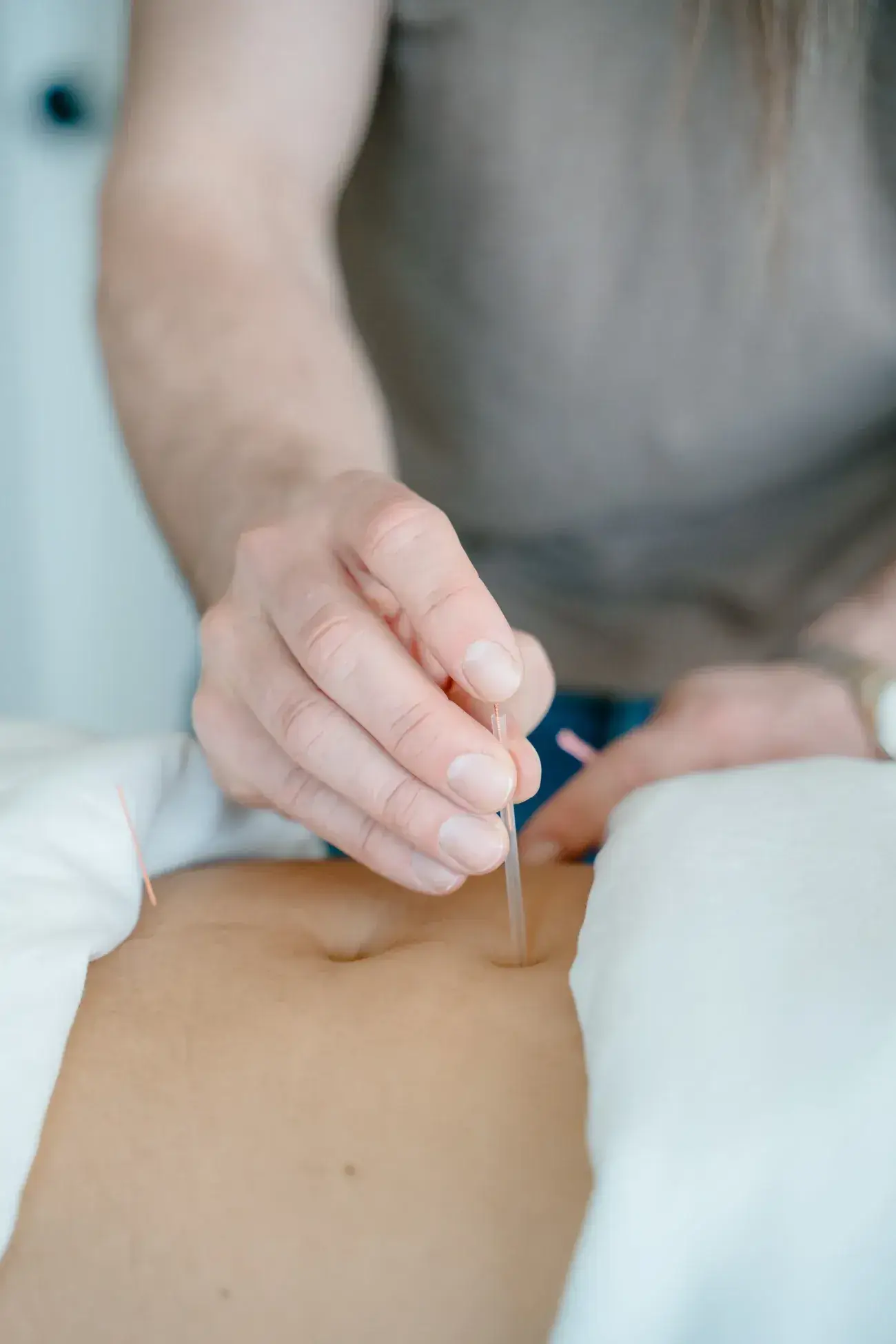
Listed as possible adjuncts with limited evidence: acupuncture, which may reduce pain during pregnancy, and pelvic belts for short-term symptomatic relief only.
Not recommended as standalone treatments: massage, manipulation, back-school classes and special pillows. The guideline also advises against diagnostic imaging such as X-rays and CT scans in pregnancy.
We quote that list in full, including the line about massage, because we would rather you knew where the evidence sits. The Cochrane review adds that two trials of group exercise with information, in 374 women, found no significant reduction in the number reporting pelvic pain, while an eight- to twelve-week exercise programme did reduce the number reporting combined low back and pelvic pain across four trials of 1,176 women. Single studies suggested benefit from acupuncture or craniosacral therapy and from a multimodal approach combining manual therapy, exercise and education. The 2026 meta-analysis of 31 trials found exercise superior at six to twelve weeks with moderate certainty, and low-certainty evidence that manual therapy was better than standard obstetric care alone, with conflicting results against other active treatments.
The practical reading of all that: see a physiotherapist, do the programme, and use belts, acupuncture and massage as the things that make the programme possible.
Living with it day to day
The NHS self-help list is specific to the movements that provoke the joints:
- stay active, but avoid the activities that make the pain worse
- rest regularly
- wear supportive shoes
- stand with your weight evenly on both feet
- sit down to get dressed
- keep your knees together when getting in and out of the car
- sleep with a pillow between your legs
- avoid long periods of sitting or standing, frequent stairs, and lifting heavy loads
The physiotherapist’s side of the plan, according to the NHS, is exercises to strengthen the pelvic floor, stomach, back and hip muscles, plus equipment such as crutches or a support belt where needed.
Where massage fits
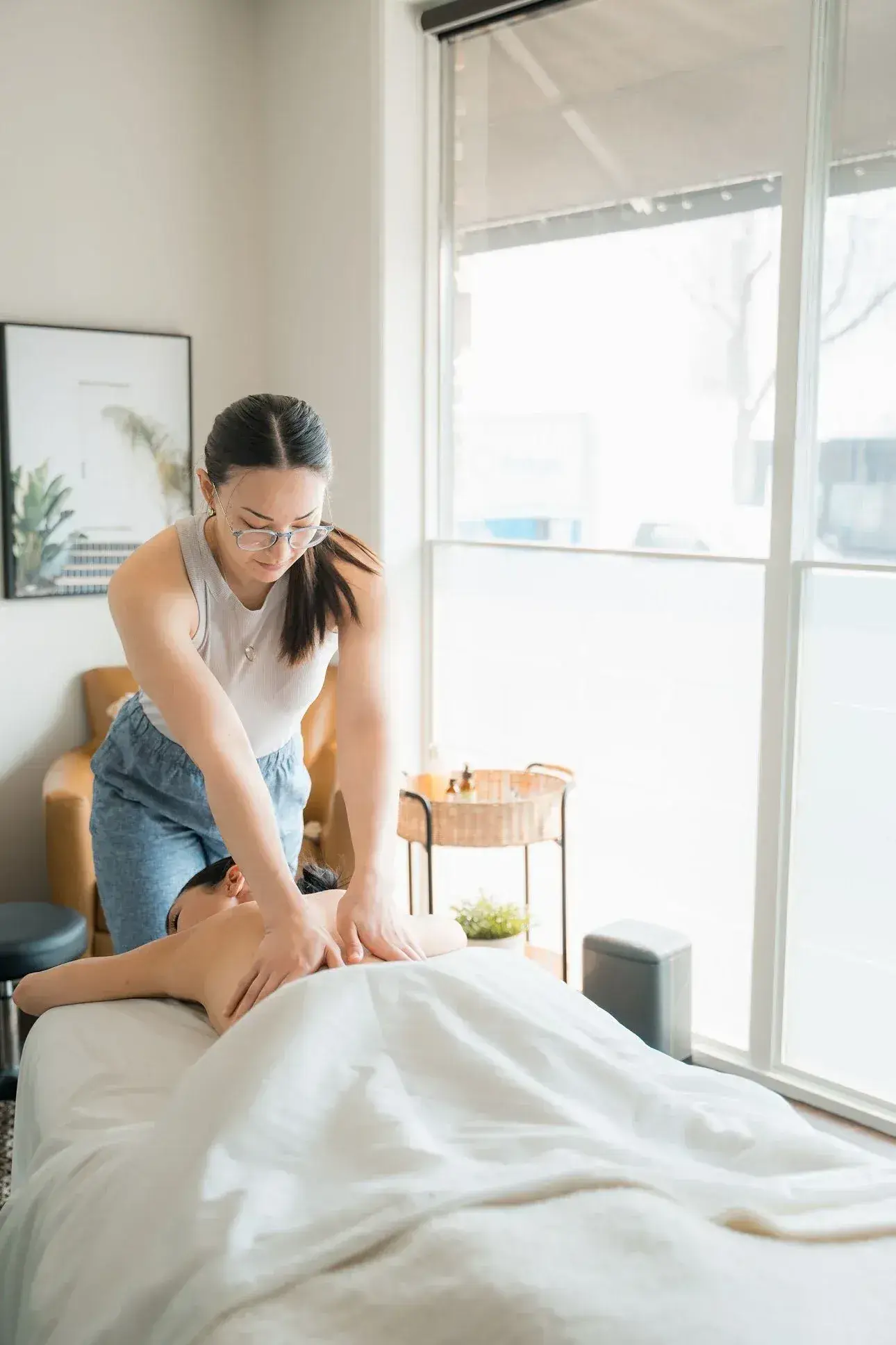
At Renu, pelvic girdle pain is treated within a prenatal massage, and we treat it as a supporting act. The joints themselves are not something we push on. What we work on is the guarding around them: the gluteal muscles, the deep rotators of the hip, the inner thigh and the muscles of the low back, which tighten in response to a painful joint and then add their own ache to the picture.
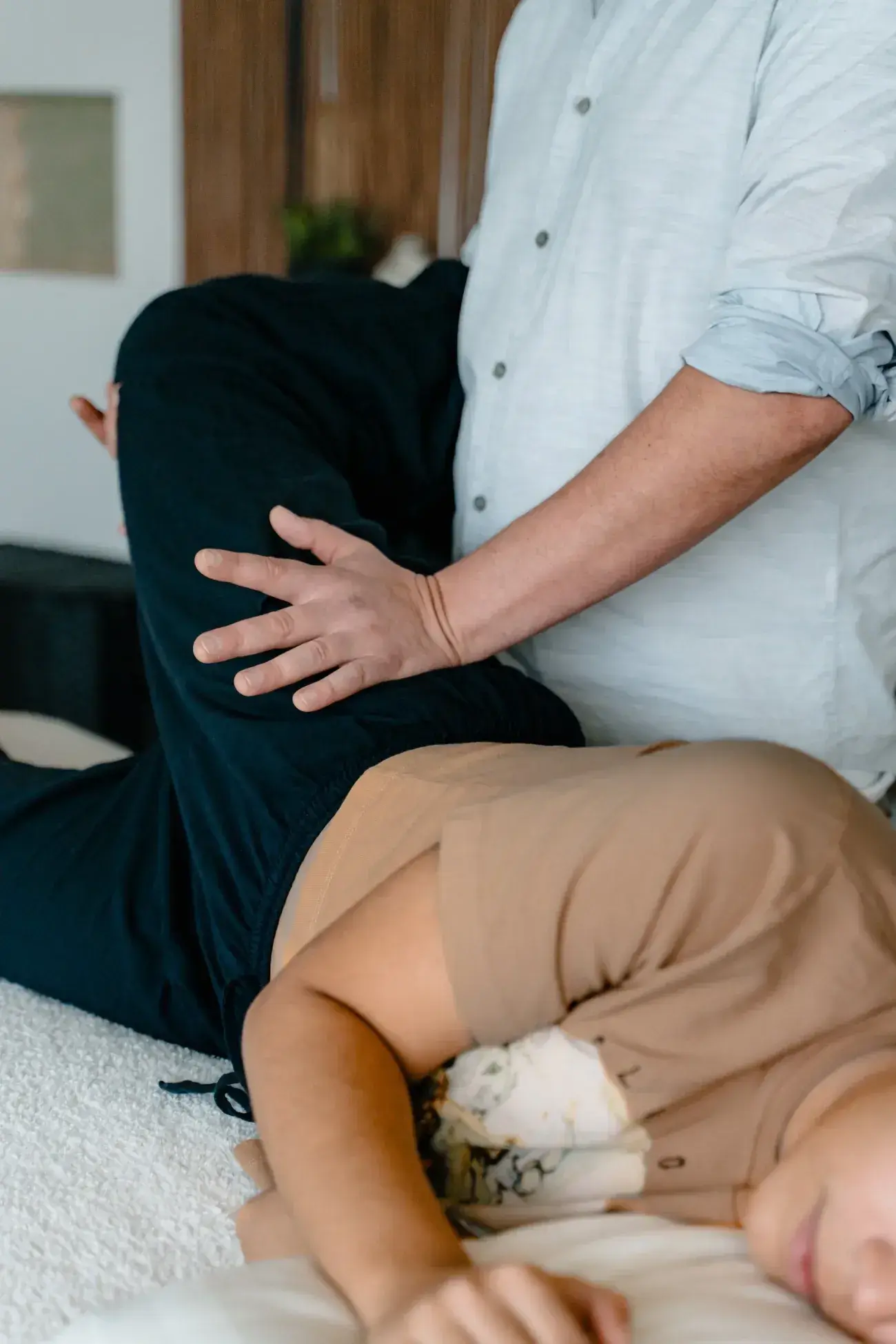
Positioning matters more here than in almost any other prenatal session. Because moving the legs apart is one of the triggers the NHS names, we keep your knees together and supported in side-lying, turn you with the knees held together, and avoid any stretch that abducts the hip. How you lie on the table explains the set-up in detail. If you have a belt, bring it and put it on before you walk back to reception.
For the acupuncture adjunct the guideline mentions, Dr. Will Tanner offers acupuncture in the same clinic and treats pregnant clients. Tell him you are pregnant when you book.
When to get help, and what to expect after birth
The NHS advice is to contact your midwife or GP (your family doctor) as soon as the pain makes it difficult to move around, hurts when you get out of a car, or makes stairs painful, because early referral to physiotherapy is what the guidance expects. Pelvic girdle pain is not an emergency, but it should not be endured without treatment.
Pain in the pelvis or back that comes with vaginal bleeding, a fever or pain when you pass urine is a different matter: the NHS says to contact your GP or midwife urgently, and it adds that new pain in the second or third trimester can be a sign of early labour. Those are not pelvic girdle pain symptoms and we will not treat on a day you have them.
After the baby, the guideline’s numbers are reassuring: the prevalence of pelvic girdle pain drops to 7 percent in the first three months after delivery, and in untreated populations only 1 percent report severe pain at 24 months. If you are among the few whose pelvis is still catching at the six-week check, say so, because sciatica-type leg pain and persistent pelvic pain both have treatment paths that start with a physiotherapy referral.
Questions people ask
Is pelvic girdle pain the same as SPD?
SPD stands for symphysis pubis dysfunction, pain at the joint at the front of the pelvis. Pelvic girdle pain is the broader term used by the NHS and the European guideline, because the stiffness or uneven movement can be at the pubic bone in front, at the sacroiliac joints at the back, or both. If your pain is only at the front, it still falls under pelvic girdle pain.
Can I still walk and exercise with pelvic girdle pain?
Yes, and the guidance is to stay active while avoiding the specific movements that aggravate it. The European guideline recommends individualised exercise during pregnancy, and a 2026 meta-analysis of 31 trials found exercise reduced lumbopelvic pain at six to twelve weeks with moderate certainty. A physiotherapist can tailor the programme to what your pelvis tolerates.
Does a pelvic support belt actually help?
The European guideline lists pelvic belts as a possible adjunct for short-term symptomatic relief only, and the NHS includes support belts among the equipment a physiotherapist may offer. Think of a belt as something that makes a long walk or a shift at work tolerable, not as a treatment that resolves the problem on its own.
Will pelvic girdle pain affect how I give birth?
The NHS says many women with pelvic pain in pregnancy can have a normal vaginal birth, and that a water birth may ease the pressure on the joints. Tell your midwife about the pain so positions that keep your knees close together can be planned.
How soon after birth does pelvic girdle pain go?
Quickly for most women. The European guideline reports that the prevalence falls to 7 percent in the first three months after delivery, and that only about 1 percent still have severe pain two years on. If yours is not easing by the six-week check, ask for a physiotherapy referral.
Sources
- NHS: Pelvic pain in pregnancy
- Vleeming, Albert, Östgaard, Sturesson and Stuge 2008, European Spine Journal: European guidelines for the diagnosis and treatment of pelvic girdle pain
- Cochrane (Liddle and Pennick 2015): Interventions for preventing and treating low-back and pelvic pain during pregnancy
- Mladenovic, Coughlan, do Nascimento, Simmons, Dufour, Spadoni and Macedo 2026, Brazilian Journal of Physical Therapy: The effectiveness of physiotherapy interventions for pregnancy-related lumbopelvic pain, a systematic review and meta-analysis
- NHS: Back pain in pregnancy
Page reviewed October 4, 2026. This page is education, not a diagnosis. For your own situation, talk to your doctor, surgeon or care team, or ask us.
Keep reading
Related pages