
Answers
Why is lymphatic drainage done without oil?
The strokes need grip. Lymphatic drainage stretches skin over the tissue beneath, and oil makes the hand slide instead. Dry skin also suits compression.
By The Renu lymphatic and massage team · 5 min read
Because the strokes need grip, not glide. Lymphatic drainage works the layer just beneath the skin by stretching the skin itself a short distance and letting it return, and oil or lotion makes the hand slide over the surface instead of moving it. Dry technique also means a compression garment can go straight back on afterward. What you feel is a warm, dry hand and skin moving a little, not a slippery massage.
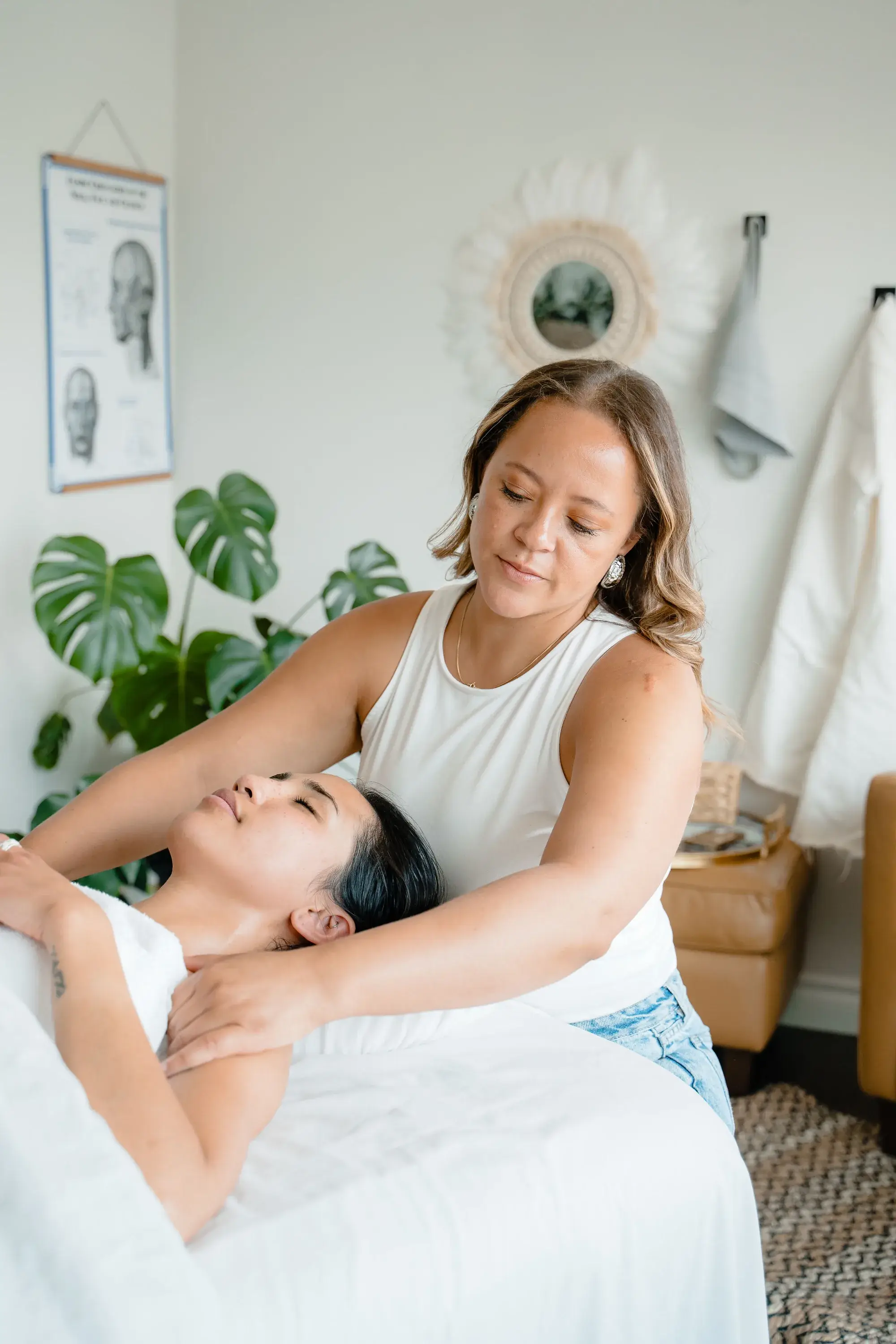
If you have had a massage before, the first lymphatic session can be disorienting: no warm oil, no long gliding strokes, just a dry hand resting on your skin and moving it a centimetre or so at a time. That is not a therapist being frugal with product. The technique does not work with oil, and here is why.
The strokes work the skin, not the muscle
Lymphatic drainage targets a very shallow layer. Cedars-Sinai describes the lymphatic system it works on as residing just beneath the skin, and its physical therapist draws the practical conclusion directly: since lymphatic drainage massage acts on the skin, it is important to avoid using oils or lotions during the massage.
What the hand is doing is stretching the skin a short distance in the direction the lymph needs to travel and letting it spring back. Healthline’s self-massage guide, written with a certified lymphedema therapist, describes it as gently pulling the skin an inch at a time, using just enough pressure to shift the surface of the skin, and stretching the skin in an upward motion, then releasing it. Her summary of the whole method is that you are only working the superficial skin structure, because that is where the fluid is trapped.
A hand can only stretch skin if it holds the skin. Oil removes the hold. The hand glides across the surface, the skin stays where it is, and the vessels beneath it are not moved at all. It would still feel pleasant, and it would be a different treatment.
Why the surface tension matters
HelloPhysio’s guide to lymphatic drainage after liposuction makes the same point from a post-surgical angle: unlike regular massage, lymphatic drainage does not use oils, lotions or deep pressure, and the technique employs light, rhythmic strokes that work in conjunction with your skin’s surface tension to guide fluid toward functioning lymphatic vessels. The friction between a dry palm and dry skin is the tool. It is also why the pressure can stay so light; our answer on why lymphatic drainage pressure is so light covers that side of it, and the same logic explains why the strokes feel like nothing is happening when a great deal is.
Dry skin and compression garments
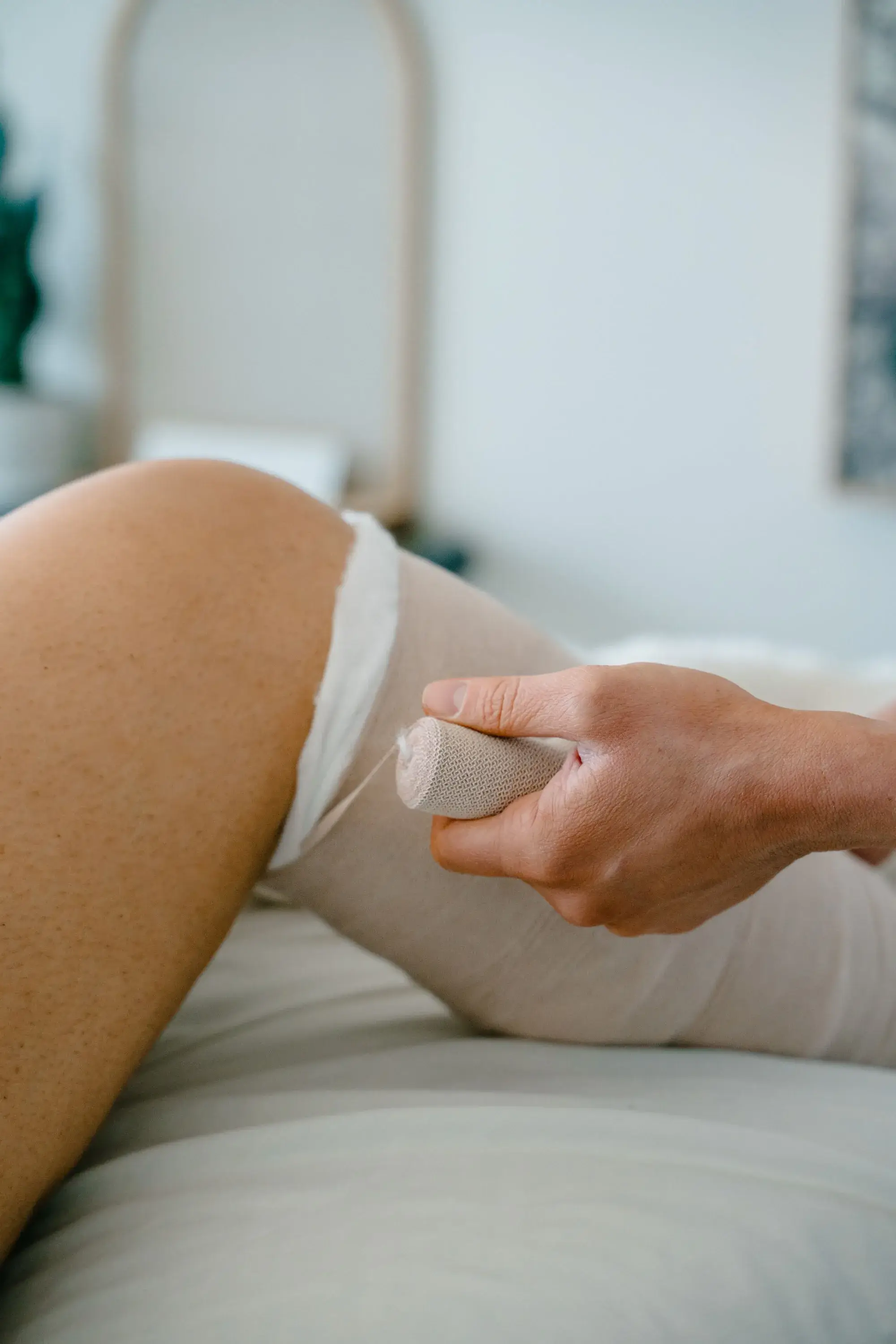
The second reason is practical and matters most to people with lymphedema or recent surgery. Compression goes back on after the session. The NHS treatment page notes that compression garments may be applied after a massage session to prevent fluid accumulating in the limb again, and the Cleveland Clinic’s advice is that if you wear compression socks or sleeves to reduce fluid retention, you should keep wearing them.
An oiled limb and a compression sleeve do not mix. Macmillan’s guidance on putting on garments says it is best to avoid creams just before putting a garment on because they make it more difficult to get on, and that damp skin has the same problem. It suggests moisturising at night after the garment comes off, and even using a little unperfumed talc to help the garment slide. A dry session means your sleeve or stocking goes on cleanly at the end, the fabric is not degraded by oil, and the work holds.
If you want the detail on garments themselves, the Learning Centre’s compression garments page explains how they are fitted and worn, and we have a separate answer on whether you can put lotion on before compression.
What a therapist may use instead
Usually nothing at all. The sources we rely on simply say no oils or lotions, and dry hands are our default. The goal never changes: enough grip to move the skin, no slip. If you are ever having lymphatic work and the hands feel oily and gliding, it is reasonable to ask what technique is being used.
Skin care around lymphatic work is otherwise simple and mostly happens at home. The NHS prevention advice for people with lymphedema is to keep the skin clean and dry, moisturise daily to keep it supple, treat cuts and scratches straight away, and avoid very hot baths and showers. None of that needs to happen on the table.
What to wear and what to expect
The strokes are on bare skin, so the region being treated is uncovered and the rest of you is draped, the same as any massage at Renu. Soft, loose clothes that are easy to get back into are ideal, and loose matters after a session because tight waistbands and socks work against the fluid you have just moved. If you have a compression garment, bring it; it goes on before you leave.
What you will feel is a warm, dry hand, skin that moves a small distance and returns, a slow rhythm, and very little pressure. Many people are surprised by how quiet it is. Our lymphatic drainage massage page describes a full session, and the clinic FAQ answers the practical questions about arriving, parking and booking.
When dry technique is not the issue
A word of caution that has nothing to do with oil. Lymphatic drainage of any kind is postponed if you have a fever, an active infection or cellulitis, a blood clot or deep vein thrombosis, heart disease, kidney failure or a recent stroke, and it is never done over cancerous tissue or skin damaged by radiotherapy. The Cleveland Clinic lists all of these. Dry hands are the easy part of doing this well; knowing when not to begin is the rest. If you are recovering from surgery, our post-op lymphatic drainage page explains how we time the first session with your surgeon’s guidance.
Questions people ask
Will the dry strokes irritate my skin?
They should not. The movement is a gentle stretch and release of the skin, not rubbing, and the pressure is light enough that you should not feel the muscles beneath. Tell your therapist if you have eczema, a rash or very dry, fragile skin; broken skin is avoided altogether, and we will not work over any area with signs of infection.
Should I moisturise before my appointment?
Better not on the day. Lotion on the skin gives the same slip as oil and makes the strokes less effective. If you wear a compression garment, Macmillan's advice is to moisturise at night after you take it off and to avoid creams just before putting it on, which fits a daytime session neatly.
What do I wear for lymphatic drainage?
The strokes are on bare skin, so the area being treated is uncovered while everything else stays draped, the same as a massage. Wear something easy to take off and put back on, and if you have a compression sleeve or stocking bring it with you, because it goes back on before you leave.
Is the combination massage done without oil too?
The lymphatic part is. In a massage and lymphatic combination (60 minutes, $130, or 90 minutes, $165) the massage portion uses product in the normal way and the lymphatic portion is done on dry skin, because the two techniques work different layers and need different hands.
Sources
Page reviewed October 4, 2026. This page is education, not a diagnosis. For your own situation, talk to your doctor, surgeon or care team, or ask us.
Keep reading
Related pages