
Answers
Why do my legs swell in hot weather?
Heat widens skin vessels to shed warmth, and more fluid leaks into the tissue than the lymphatics can clear. Usually harmless: elevate; diuretics do not help.
By The Renu lymphatic and massage team · 6 min read
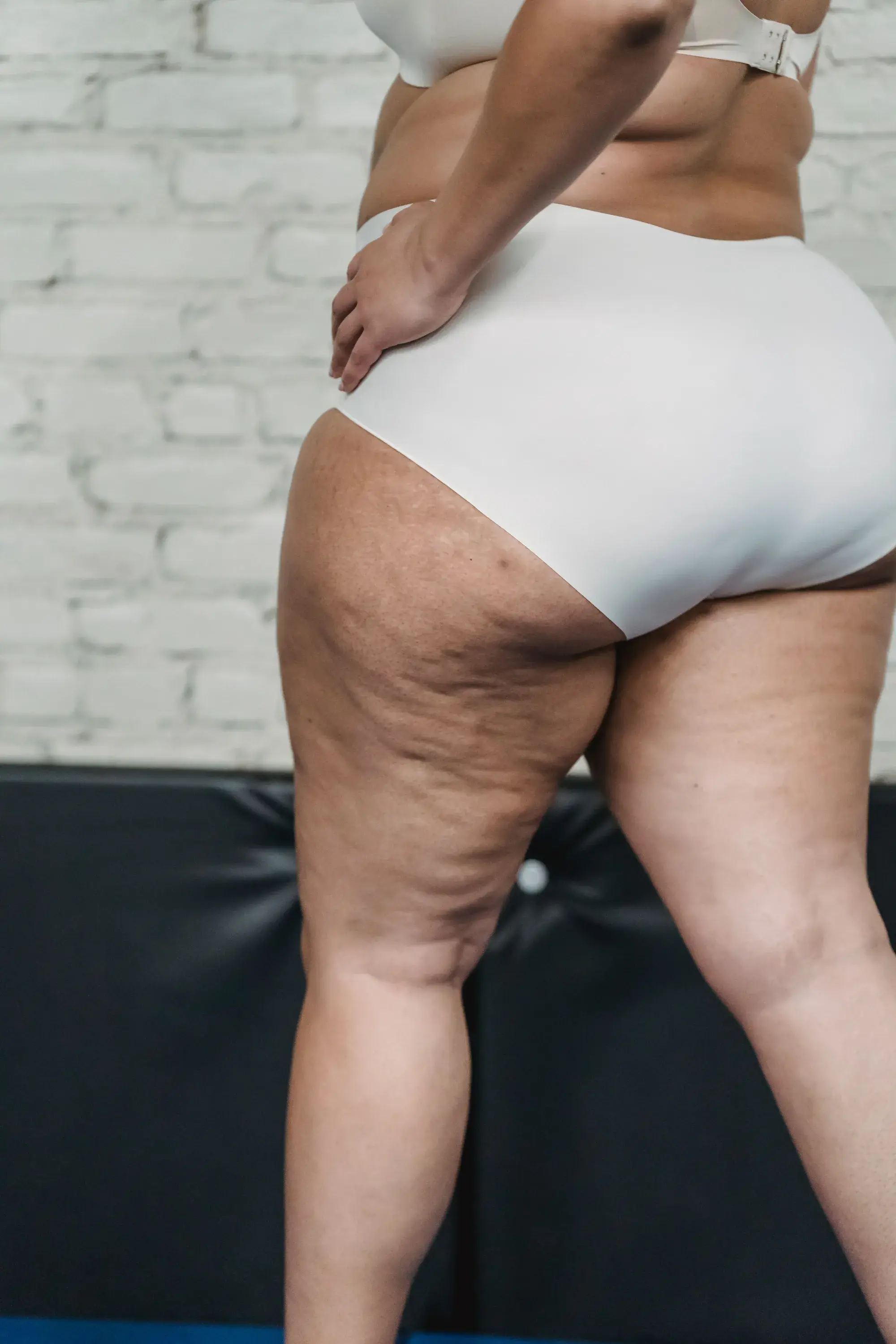
Legs swell in hot weather because the body widens the blood vessels in the skin to lose heat, and those dilated vessels leak more fluid into the tissues than the lymphatic system can carry away. Family physicians call this heat edema: soft swelling of the lower legs that usually resolves with elevation and for which diuretics have no role. It is worse after standing, and it matters more if you already have lymphedema or vein disease, because clinical sources agree that heat makes both worse.
Every July the same thing happens: the ankles that were fine in May turn soft and puffy by evening, the sandal straps leave a groove, and by morning everything has gone back to normal. Calgary summers are short, but a week in Mexico or a heat wave on the Prairies produces the same legs. Here is what is going on and when it stops being a nuisance and becomes a signal.
Heat opens the skin’s blood vessels, and fluid follows
To cool itself, the body shunts circulation away from the internal organs toward the vessels in the skin so that warmth can leave through the surface. That is from the American Family Physician review of heat-related illnesses by Gauer and Meyers, and it is the whole mechanism in one line. Wider skin vessels carry more blood at higher pressure near the surface, and more water leaks out of them into the surrounding tissue.
The review names the result: heat edema, described as cutaneous vasodilation and vascular leak resulting in increased interstitial fluid, which shows up as dependent soft tissue swelling, typically of the lower extremities. “Dependent” is the clinical word for the lowest part of you, which is why it is the feet and shins, not the hands or face, that balloon.
The lymphatic vessels are the drains for that leaked fluid. In healthy legs they are generous, but they have a ceiling. The Lymphoedema Support Network puts the principle simply: swelling occurs when the amount of fluid in an area is greater than the capacity of the lymphatic system to transport it away. Heat pushes more fluid in; the drains run at full tilt; the surplus shows at the ankle.
Why it is worse by evening and after standing
Standing adds gravity to heat. The NHS lists standing or sitting in the same position for too long as the first common cause of swollen ankles, and the pharmacology review on drug-induced edema notes that both standing upright and exposure to warmer temperatures modify how much swelling appears. The two together explain the classic pattern: a shift on your feet in a hot kitchen or a day of sightseeing, and legs that look fine at breakfast and tight by dinner.
The reassuring part is also in the family physician review. Heat edema often resolves with leg elevation, and the recommended management is simply to move out of the heat and elevate the lower extremities. Diuretics, the review says, have no role in treatment. If your swelling disappears overnight and returns only on hot days, that is the benign pattern. Our answer on swelling that is worse at the end of the day looks at the same rhythm from a different angle.
Practical cooling
Nothing here is clever, but it works because it reverses the mechanism:
- Get out of the heat for a while. Shade, air conditioning or a cool room lets the skin vessels narrow again.
- Put your legs up. The NHS suggests raising the swollen area on a chair or pillows whenever you can; the AFP review found that heat edema often settles with elevation alone.
- Keep moving gently. The NHS recommends gentle exercise such as walking to improve blood flow, and advises against standing or sitting for long stretches.
- Choose shoes with room. Wide, comfortable shoes with a low heel and soft sole are the NHS suggestion; tight straps on a swollen foot leave marks and can chafe.
- Skip the hot bath afterward. Cool water on the lower legs cools the skin; a hot soak does the opposite.
Our blog has a Certified Lymphedema Therapist’s five ways to decrease leg swelling, and the Learning Centre’s at-home lymphatic health page covers the daily habits that keep fluid moving.
When you already have lymphedema or lipedema
If your lymphatic system is already damaged or overloaded, the heat response lands on a system with no spare capacity. That is why every major lymphedema source gives the same warning in slightly different words:
| Source | What it says about heat |
|---|---|
| Lymphoedema Support Network | Early swelling is worse during the day, particularly in warm weather |
| Canadian Cancer Society | Heat can make lymphedema worse; check with your care team before saunas, steam baths or hot tubs; test bath water because an affected limb may not sense temperature well |
| National Cancer Institute | Avoid extreme heat and sun; high temperatures can make lymphedema worse |
| NYU Langone | High temperatures can promote swelling, so avoid hot baths, saunas and steam rooms |
| NHS | Avoid very hot baths and showers; heat from saunas, steam rooms and sun beds may increase swelling |
Two of those sources add the sun itself: the NCI and the Canadian Cancer Society both advise sunscreen and light long sleeves or pants over an affected limb, because sunburn is skin damage and damaged skin on a swollen limb invites infection.
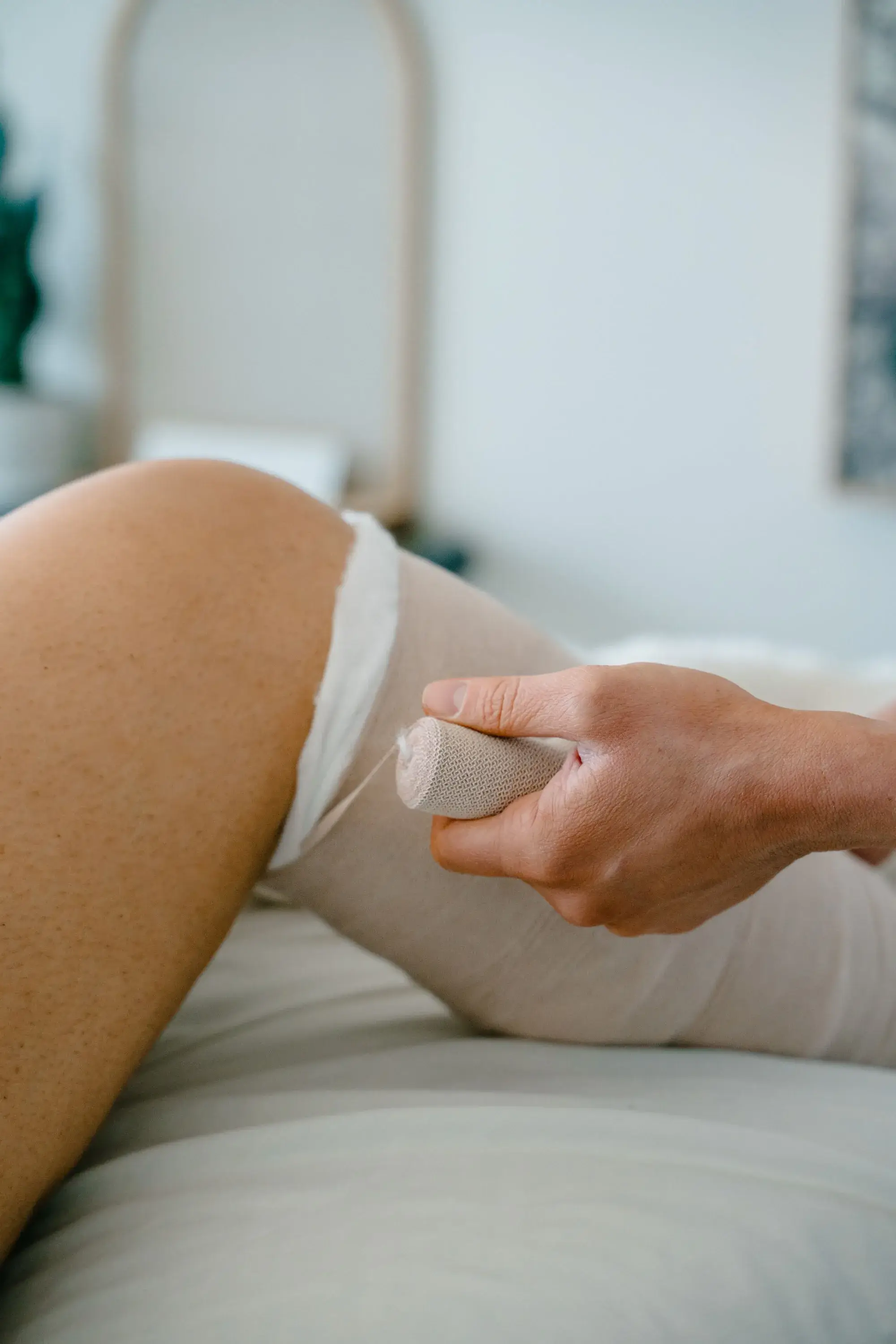
In practice this means summer is the season to be most faithful to your compression, because the garment is the counterforce the dilated vessels need, and the season to notice changes early. The Learning Centre’s lymphedema and lipedema page explains why the two conditions behave differently in the heat, and our complete decongestive therapy programme is where Meeghan Mackenzie, our Certified Lymphedema Therapist, plans summer management with you.
A note on our own infrared cocoon: it is warm by design. If you have lymphedema, the advice above applies to it as much as to a sauna, so tell us and we will leave it out of your visit.
What a lymphatic session can and cannot do in the heat
A classic lymphatic drainage massage moves the fluid that has pooled, and legs usually feel lighter and look slimmer when you stand up. What it cannot do is stop the skin vessels dilating the next hot afternoon, so for healthy legs the honest framing is comfort, not correction. If you want the session, book it for the pleasure of lighter legs, pair it with the cooling habits above, and expect the pattern to return on the next 30-degree day.
For legs with lymphedema, venous disease or lipedema, the session is one part of a plan whose backbone is compression, skin care and movement, and in summer that plan simply needs more attention.
When to see a doctor
Hot-weather swelling that behaves itself, in both legs, painless, gone by morning, does not need an appointment. See a doctor if, drawing on the NHS guidance for swollen legs:
- both legs stay swollen after a few days of elevation and cooling, or the swelling keeps increasing;
- you have a diagnosed heart, kidney or vein condition and your swelling has changed;
- the swelling is in one leg only, is painful, or began suddenly;
- the skin is red or hot to the touch, or you have a high temperature or feel shivery, which can mean infection;
- the swelling spreads to your face or abdomen.
Call emergency services if swelling comes with shortness of breath, chest tightness or pain, coughing up blood, palpitations or feeling faint; the NHS warns these can point to a clot in the lungs, whatever the weather.
Questions people ask
Is it normal for ankles to swell in the summer?
For many people, yes. The American Family Physician review of heat-related illness describes heat edema as a mild, common response to warm conditions: the skin's blood vessels dilate to cool you, some fluid leaks into the tissue, and the lower legs puff. It typically settles with leg elevation. Swelling that is one-sided, painful, or does not settle overnight is a different question for a doctor.
Should I take a water pill when my legs swell in the heat?
Not on your own initiative. The same review states that diuretics have no role in treating heat edema. Moving out of the heat and raising the legs are the recommended measures. If swelling persists or you take medication for your heart or blood pressure, talk to your prescriber rather than adding anything.
Why does the heat make my lymphedema worse?
Because the heat response adds fluid load to a system that is already at capacity. The Lymphoedema Support Network describes lymphoedema swelling as worse during the day and particularly in warm weather, and the Canadian Cancer Society, the National Cancer Institute and NYU Langone all advise people with lymphedema to avoid extreme heat, including saunas, steam rooms and hot tubs.
Can a lymphatic drainage massage fix hot-weather swelling?
It can move fluid along and leave your legs feeling lighter, but it does not change the weather or the heat response, so the effect is temporary if you go back out into 30-degree sun. For otherwise healthy legs, elevation, walking, cooling off and sensible shoes do most of the work. For legs with lymphedema or vein disease, a session fits into a plan built around compression.
Can I use the infrared cocoon in summer if I have swollen legs?
If the swelling is simply from the heat, cooling down is more useful than warming up. If you have lymphedema, the NHS and NCI advice to avoid saunas, steam rooms and high temperatures applies to the cocoon too, so please tell your therapist and we will plan around it.
Sources
- American Family Physician: Heat-related illnesses (Gauer and Meyers, 2019)
- Lymphoedema Support Network: What is lymphoedema?
- NYU Langone Health: Lifestyle changes for lymphedema
- Canadian Cancer Society: Lymphedema
- National Cancer Institute: Lymphedema (PDQ)
- NHS: Lymphoedema, prevention
- NHS: Swollen ankles, feet and legs (oedema)
- Cureus (PMC): Etiology of drug-induced edema: a review of dihydropyridine, thiazolidinedione and other medications causing edema
Page reviewed October 4, 2026. This page is education, not a diagnosis. For your own situation, talk to your doctor, surgeon or care team, or ask us.
Keep reading
Related pages