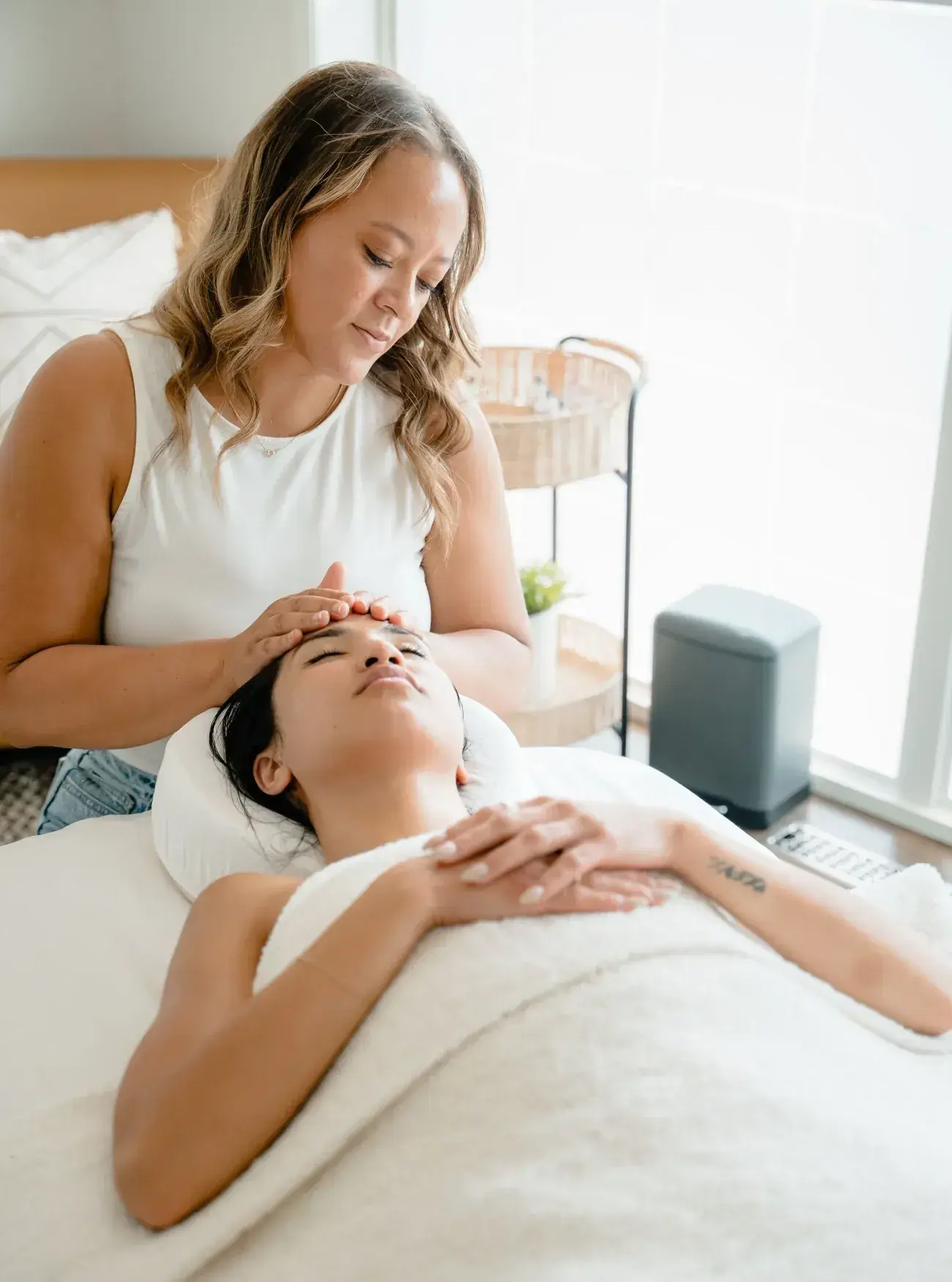


Why do I feel tired or emotional after a massage?
Feeling wiped out or teary after a massage is common and usually harmless: your nervous system has shifted into rest mode. What is happening and what helps.
By The Renu lymphatic and massage team · 6 min read
Because your body has changed gears. Massage pushes the nervous system toward its parasympathetic, rest-and-digest state, lowers the stress hormone cortisol and raises serotonin and dopamine, and that shift can leave you drowsy, slow or unexpectedly emotional for a few hours. It is a normal response, not a sign that something went wrong. Rest, water, a light snack and an easy evening are usually all it takes.
The short version: your nervous system has switched from doing to resting, and the rest of you is catching up. Cleveland Clinic describes massage as increasing the parasympathetic response, the branch of the nervous system responsible for relaxation rather than fight or flight, while lowering cortisol and raising serotonin and dopamine. Those changes are the point of the treatment. Feeling heavy, sleepy, floaty or close to tears afterward is what they can feel like from the inside.
We hear this question most from people who booked a massage to feel better and walked out feeling, briefly, less capable than when they arrived. Nothing has gone wrong. Here is what is happening, and how to make the afternoon easier.
Your body has changed gears
The parasympathetic nervous system is the one that runs when you feel safe. Cleveland Clinic’s summary of its job is “rest and digest”: it lowers your heart rate and the pumping force of your heart, speeds up digestion and redirects energy toward processing food, constricts the pupils, and generally hands control to the slow, automatic processes that keep you alive when there is no emergency to deal with. About three quarters of it runs through a single nerve, the vagus, which travels from the brain through the neck into the chest and abdomen.
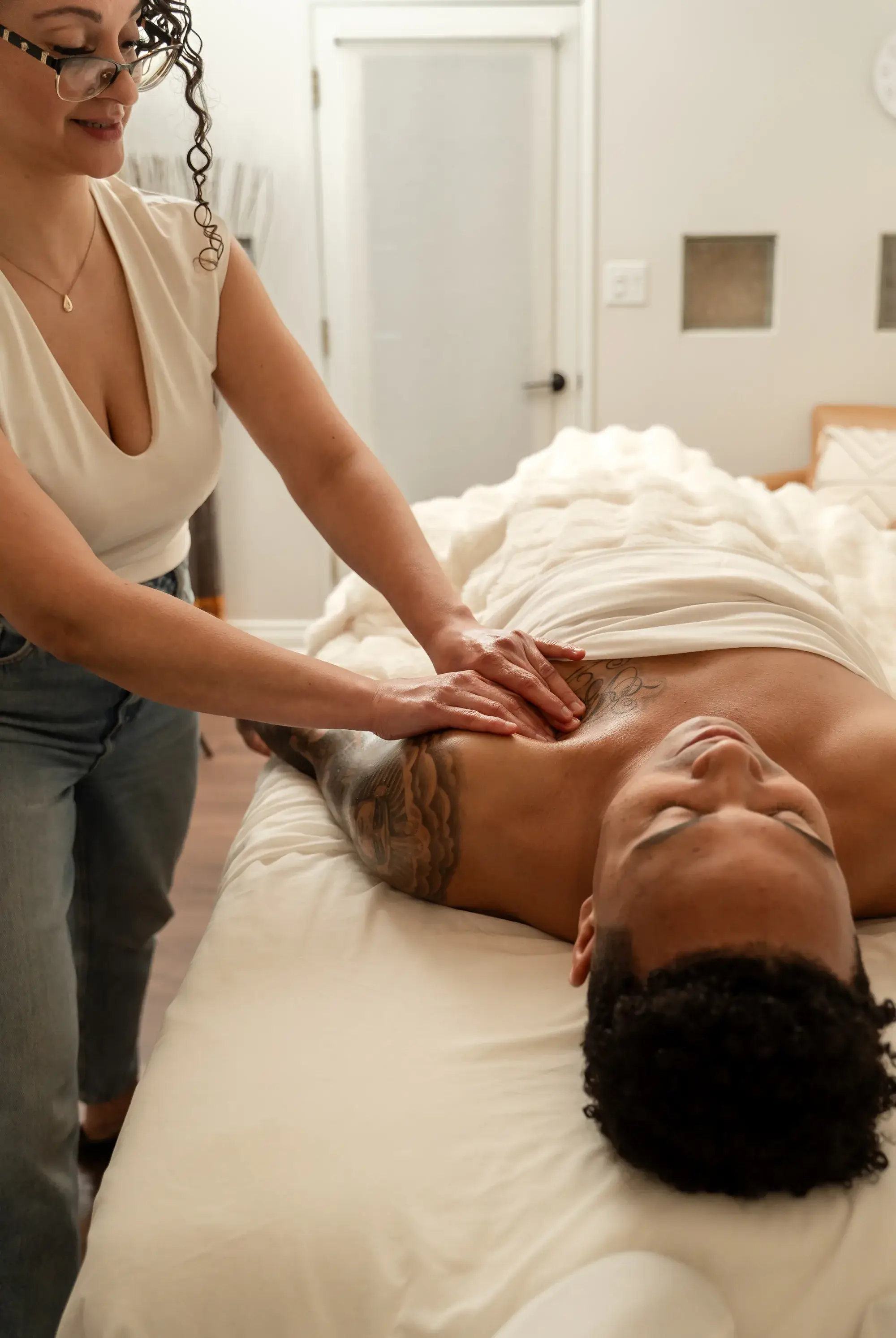
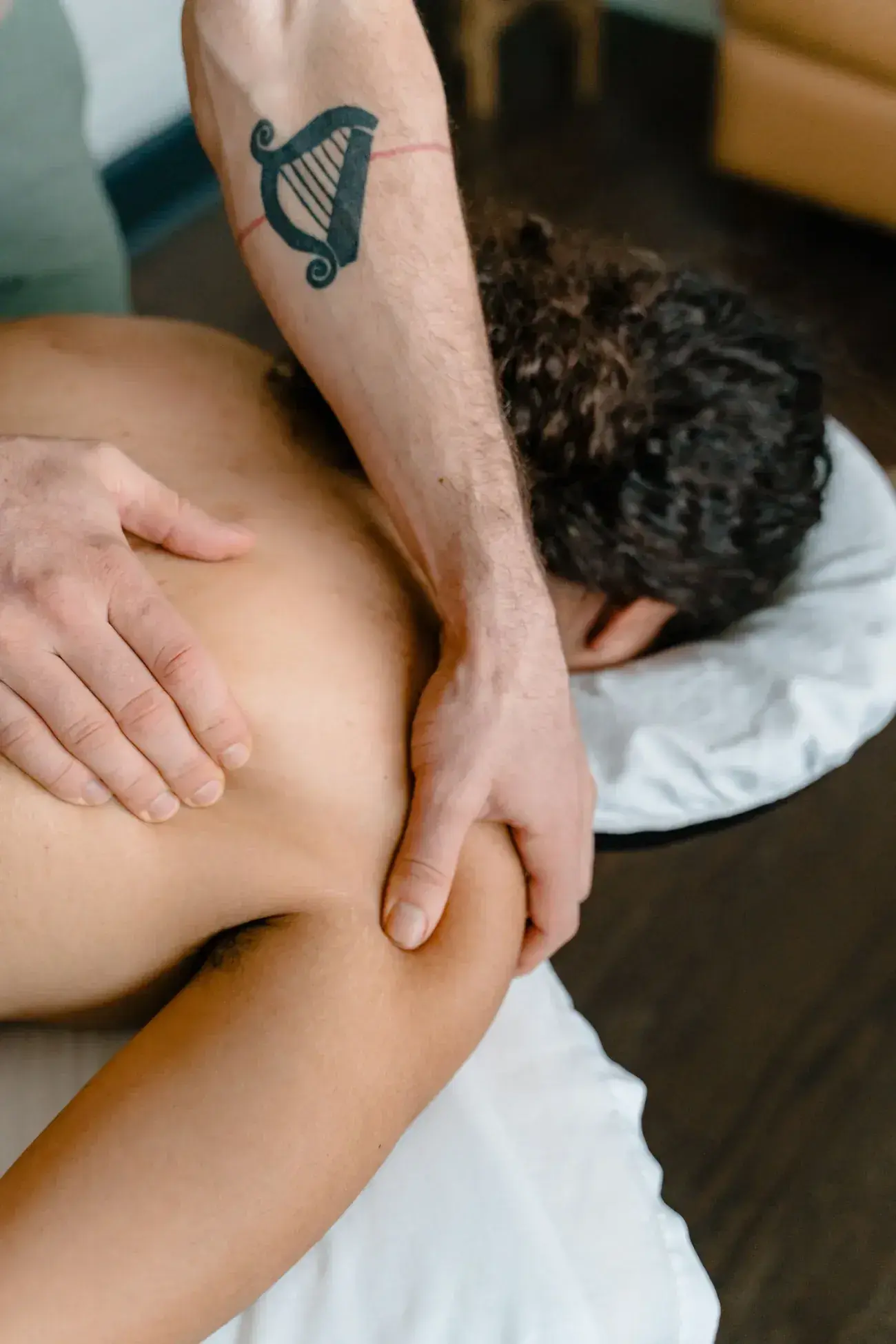
An hour of warmth, rhythm and skilled touch is about as strong an invitation into that state as everyday life offers. Runner’s World, writing for athletes, says plainly that massage naturally slows down your body systems, which is its reason for advising a light meal beforehand and no workout immediately after. If you stand up from the table and feel as though you are moving through water, that is the slowed-down state you were lying in for the last hour, still in charge.
Cortisol down, mood chemistry up
Cortisol is the hormone that keeps you alert. Cleveland Clinic describes it as the steroid hormone your adrenal glands release in stressful situations to maintain heightened awareness, prompting the liver to release glucose for quick energy; it peaks in the morning and sits lowest in the evening before sleep, which is part of why you feel awake at one end of the day and drowsy at the other.
Massage has been shown to lower cortisol, and in the same breath Cleveland Clinic reports increases in serotonin and dopamine, neurotransmitters known to stabilise mood. Put simply, the chemistry that keeps you sharp has been turned down and the chemistry that governs how you feel has been turned up. That combination is an afternoon that wants a nap and a mood that is softer than usual, sometimes to the point of tears. It is not a crash; it is the opposite of the state most of us spend the working day in.
Why tears, or a flat mood, can follow
We want to be careful here, because this is where explanations tend to outrun the evidence. The sources we read document that massage reduces anxiety and shifts stress hormones and mood neurotransmitters. None of them describes a mechanism for crying on the table, and we are not going to invent one. We do not tell clients that massage is “releasing stored trauma”, because nothing we have read supports that claim.
What we can say is this. People who have been holding a great deal together often find that an hour in which nothing is required of them, in a quiet room, with someone paying careful attention to how their body feels, is the first moment the holding lets go. Tears in that setting are common enough that no therapist is surprised by them. A flat, emptied-out mood afterward is a cousin of the same thing. Both usually pass with an evening of rest. If strong feelings keep surfacing long after the session, that is worth talking through with someone qualified in that area, which a massage therapist is not.
What helps in the hours afterward
Most of the aftercare advice in the sources was written for soreness, but it is the same advice that eases the tired, foggy feeling.
- Get up slowly. Sit on the edge of the table for a moment before you stand. Your heart rate and pumping force are lower than when you walked in.
- Drink water. Cleveland Clinic and Healthline both recommend hydrating before and after a session. Dehydration is on Cleveland Clinic’s list of reasons people feel worse afterward.
- Eat something light. Runner’s World advises a light pre-session meal because digestion slows during massage; a small snack afterward helps the glucose-and-alertness side of the picture without asking the gut to do much.
- Let the body process. Runner’s World’s phrase for skipping the post-massage workout is to let your body process what has just happened. Cleveland Clinic likewise suggests rest and avoiding intense exercise, with gentle walking as the right kind of movement.
- Keep the evening simple. This is not the afternoon for a hard conversation or a decision you have been putting off. Healthline lists rest, elevating the limbs and guided meditation among its recovery suggestions; an early night does most of that for you.
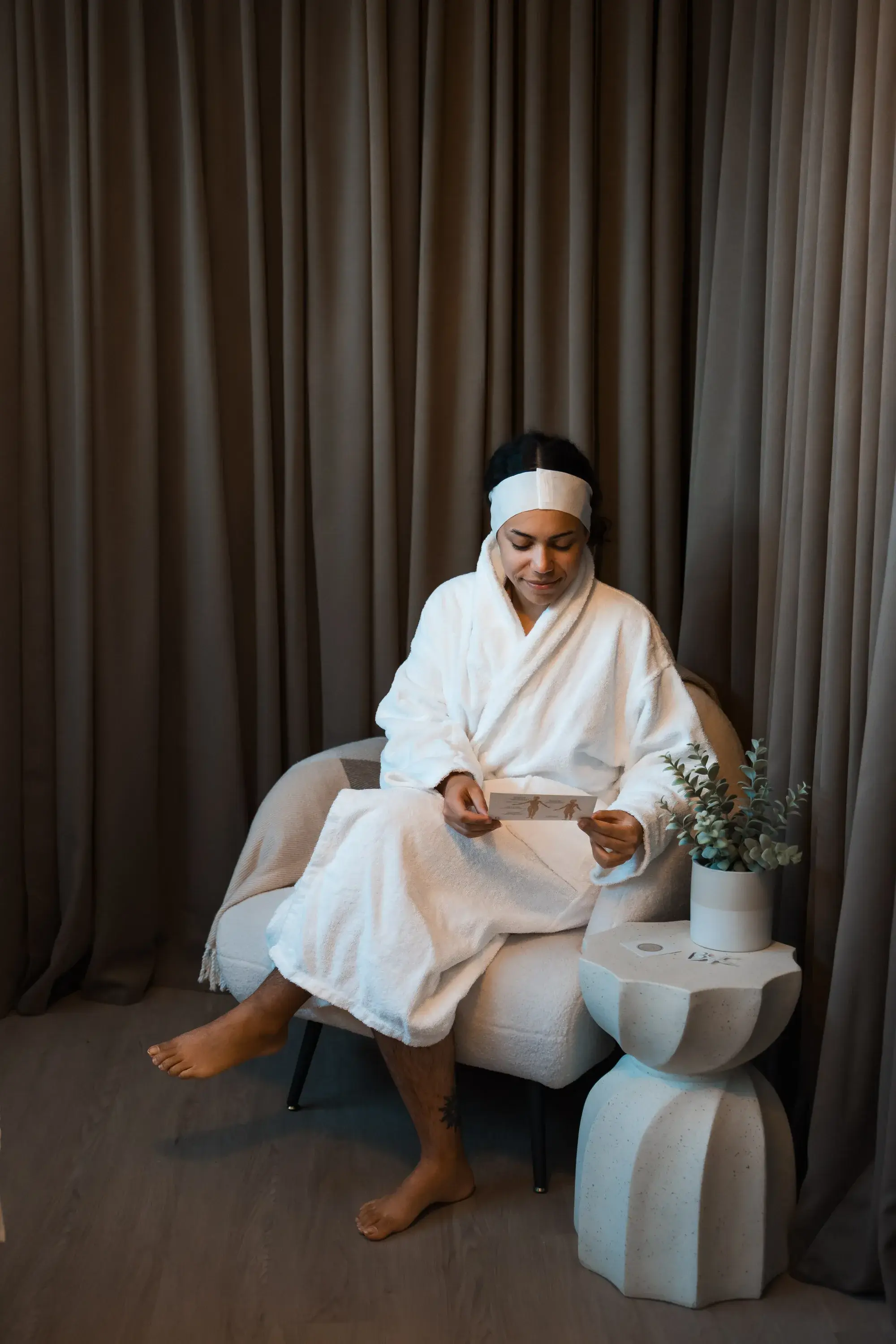
- Sit a while. Our lounge is there for exactly this. A few minutes in a chair with a glass of water is often enough for the fog to lift before you drive.
If a regular rhythm of sessions is part of your plan, booking the late afternoon or an evening slot lets the drowsiness arrive at a convenient time. Our massage therapy page lists the session lengths, and our FAQ covers what to do before and after a visit.
When tiredness is not just the massage
Ordinary post-massage effects are brief. Cleveland Clinic puts soreness at a few hours to about a day and a half; the heavy, sleepy feeling usually clears overnight. See a doctor, and tell your therapist, if:
- intense soreness lasts longer than a couple of days (Cleveland Clinic’s threshold for consulting a provider)
- you feel faint or light-headed well after the session, rather than for a moment on standing
- tiredness persists for days alongside fever, a new illness or a change in medication
- low mood or tearfulness continues or deepens over the following week rather than passing
Healthline also notes that people with certain conditions, including cancer, pregnancy, fractures, bleeding disorders or blood-thinning medication, should check with a doctor about massage in the first place. Cleveland Clinic’s advice to disclose medical history, injuries and current medications before a session is the simplest protection: the more your therapist knows going in, the easier it is to tell an ordinary sleepy afternoon from something that needs a different kind of attention.
Questions people ask
How long does the tiredness after a massage last?
Usually the rest of the day. The sources we read give durations for soreness, a few hours to about a day and a half, rather than for sleepiness, but in our experience the drowsy, slowed-down feeling has normally lifted by the next morning, often after an early night. If it is still with you two or three days later, think about sleep, illness or medication rather than the massage.
Is it normal to cry during or after a massage?
It happens, and it is nothing to be embarrassed about. The research describes massage lowering cortisol and anxiety and raising mood-related neurotransmitters, which tells us the session reaches the emotional system, even though no study we read explains tears specifically. Therapists see it often enough that a quiet moment and a tissue are the whole response.
Should I drive after a massage?
Give yourself a few minutes first. Sit up slowly, drink some water and wait until you feel fully alert. Massage lowers heart rate and shifts the body toward rest, and standing up quickly from a warm table can leave you briefly light-headed. If you feel foggy, sit in the lounge until it passes.
Does feeling drained mean the massage was too deep?
Not on its own. Tiredness comes with the relaxation response and can follow a gentle session as easily as a firm one. Soreness is the better guide to pressure: Cleveland Clinic says ordinary post-massage soreness fades within about a day and a half, and intense soreness lasting longer than a couple of days should be mentioned to a provider and to your therapist.
Sources
- Cleveland Clinic: Health benefits of massage
- Cleveland Clinic: Parasympathetic nervous system (PSNS)
- Cleveland Clinic: Cortisol
- Cleveland Clinic: Why does my body feel worse after a massage?
- Healthline: Why am I sore after a massage?
- Runner's World Australia: 14 things to know before you get a sports massage
Page reviewed October 4, 2026. This page is education, not a diagnosis. For your own situation, talk to your doctor, surgeon or care team, or ask us.
Keep reading
Related pages