
What should I do after a deep tissue massage?
After a deep tissue massage: drink normally, eat something light, use heat or cold on sore spots, stretch gently, and leave the hard workout until tomorrow.
By The Renu lymphatic and massage team · 6 min read
Keep the rest of the day quiet. Drink water as you normally would, eat something light, move gently rather than training hard, and use heat or an ice pack on any spot that aches. Deep tissue work can leave muscles tender for a day or two, and that window is for recovery, not for testing them. You do not need to flush anything out; you need to let the work settle.
You have just had an hour of firm, slow work through the places that have been bothering you, and you are standing in the lounge wondering what to do with the rest of the day. The short answer is: not much. Deep tissue massage asks something of the tissue, and the next day or two is when it responds. Here is how to give it the best chance.
The first hour: stand up slowly, drink, eat something
Three small things in the first hour make a measurable difference to how the evening goes.
Stand up slowly. Lying still for an hour and then rising quickly can drop your blood pressure for a moment, which Healthline lists among the common causes of a headache after a massage. Sit on the edge of the table, then stand, then take a minute in the lounge before you head out.
Drink some water. Not litres, and not because anything needs flushing; Runner’s World’s sports-massage therapists are clear that massage does not release or flush toxins from the body. Drink because dehydration is a documented cause of post-massage headache, and because Healthline’s advice is at least eight ounces before and after a session. Our page on whether you need extra water after a massage sorts the useful from the mythical.
Eat something light. Healthline recommends a light snack after a massage. If you came in on an empty stomach, this is the moment to fix that, and it helps with the slightly floaty feeling that firm work can leave behind.
The rest of the day: keep it gentle
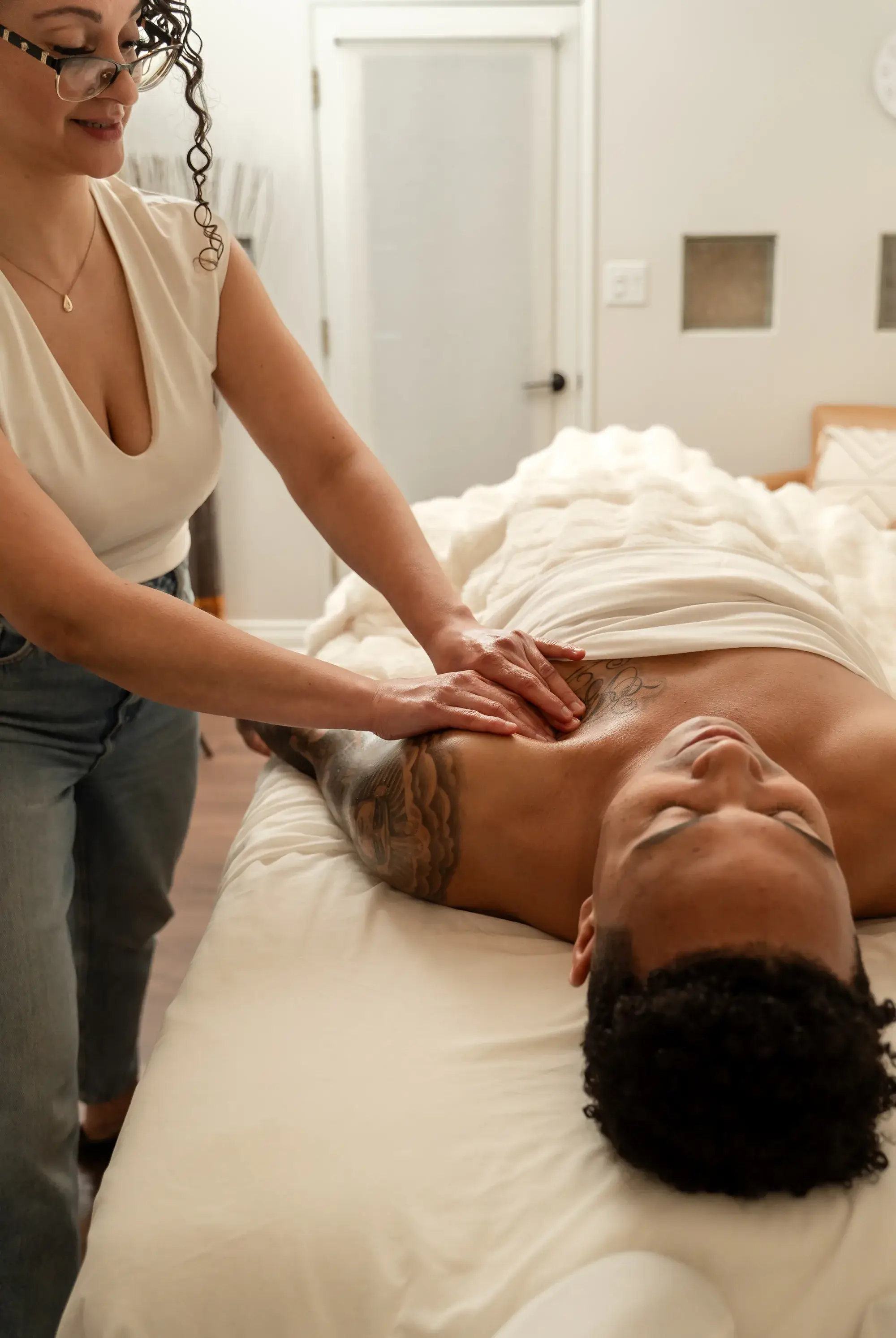
Deep tissue massage uses stronger pressure than other styles and, as Healthline notes, may cause more soreness as a result. Runner’s World’s therapists describe the ache typically clearing within 48 hours, and their advice about the day of the session is firm: do not train hard afterwards. Let your body process what has just happened, and leave the workout until the next day.
That is not a ban on moving. A walk, a few easy stretches and ordinary household activity are all fine and often feel good. What we would steer you away from is the heavy lifting session, the long run or the hot yoga class that was already in the calendar. Our page on working out after a massage draws the line in more detail.
Avoid alcohol that evening too. Healthline lists it, along with caffeine and sugary drinks, among the things to skip after a massage, and its headache guidance extends the alcohol advice to the night before and the night of a session.
The next day or two: managing the ache
Some tenderness in the areas that were worked is normal, and Healthline puts the usual course at about a day. For the time it lasts, these are the options the sources recommend.
| What helps | How much, how long |
|---|---|
| Gentle stretching | Easy, unforced stretches of the areas that were worked; Healthline credits them with easing tension and improving circulation |
| Heat | A warm shower or bath; a heating pad or hot rice bag for up to 15 minutes (Healthline); Spine-health suggests 15 to 20 minutes for ordinary muscle tension and never sleeping with a heating pad |
| Cold | An ice pack for 15 minutes, several times a day, if you prefer it or if a spot feels hot and tender |
| Epsom salt bath | A soak of up to 30 minutes |
| Rest | An early night; Healthline also suggests putting your feet up on a pillow |
Whether to reach for heat or ice is partly preference and partly what the spot feels like. Our page on heat or ice after a massage goes through the intervals and the cases where neither is a good idea. Spine-health adds two safety notes for heat: wrap a gel pack in a towel rather than putting it on bare skin, and be careful with chemical heat packs, which can reach very high temperatures.
The infrared pod, if you have added it
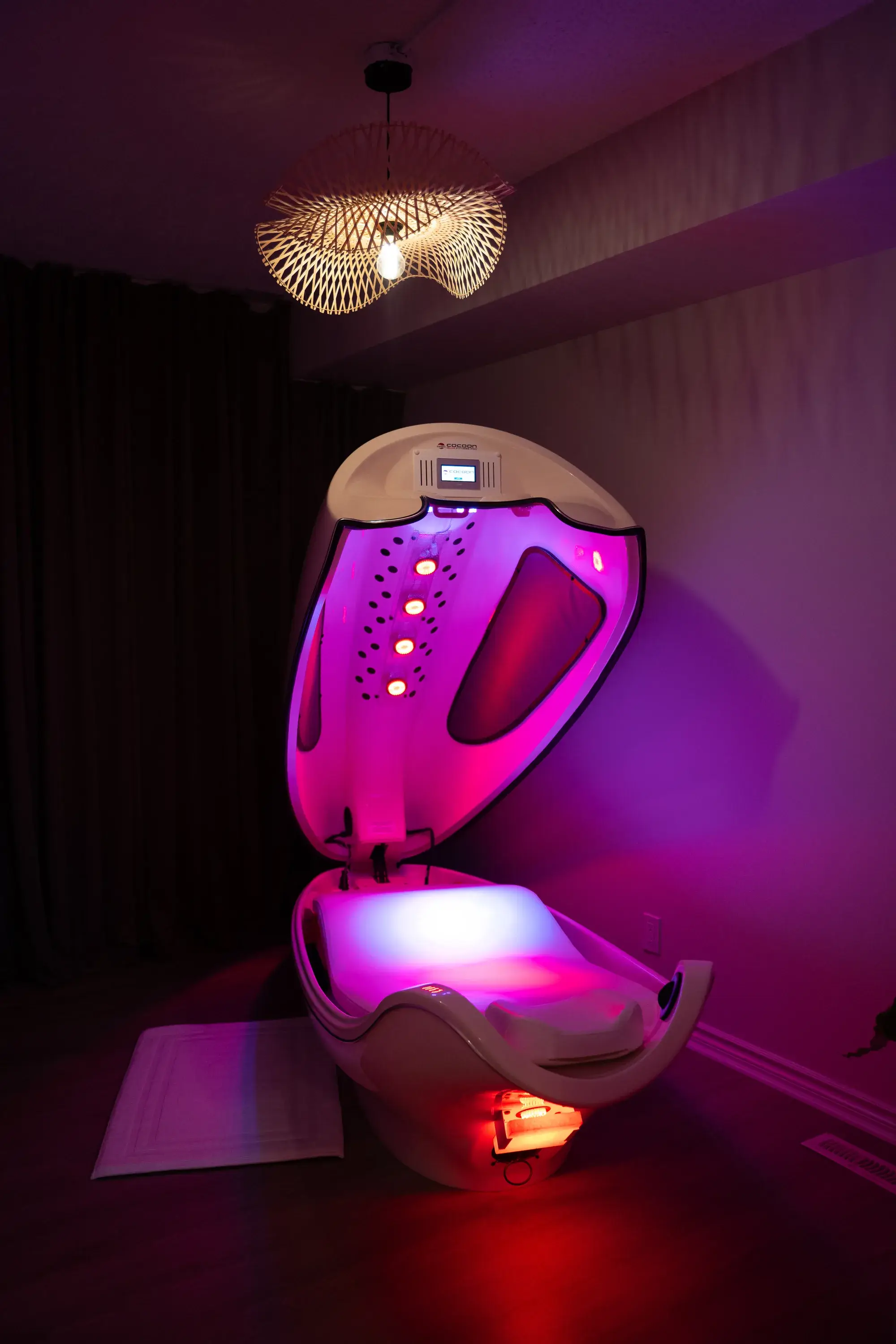
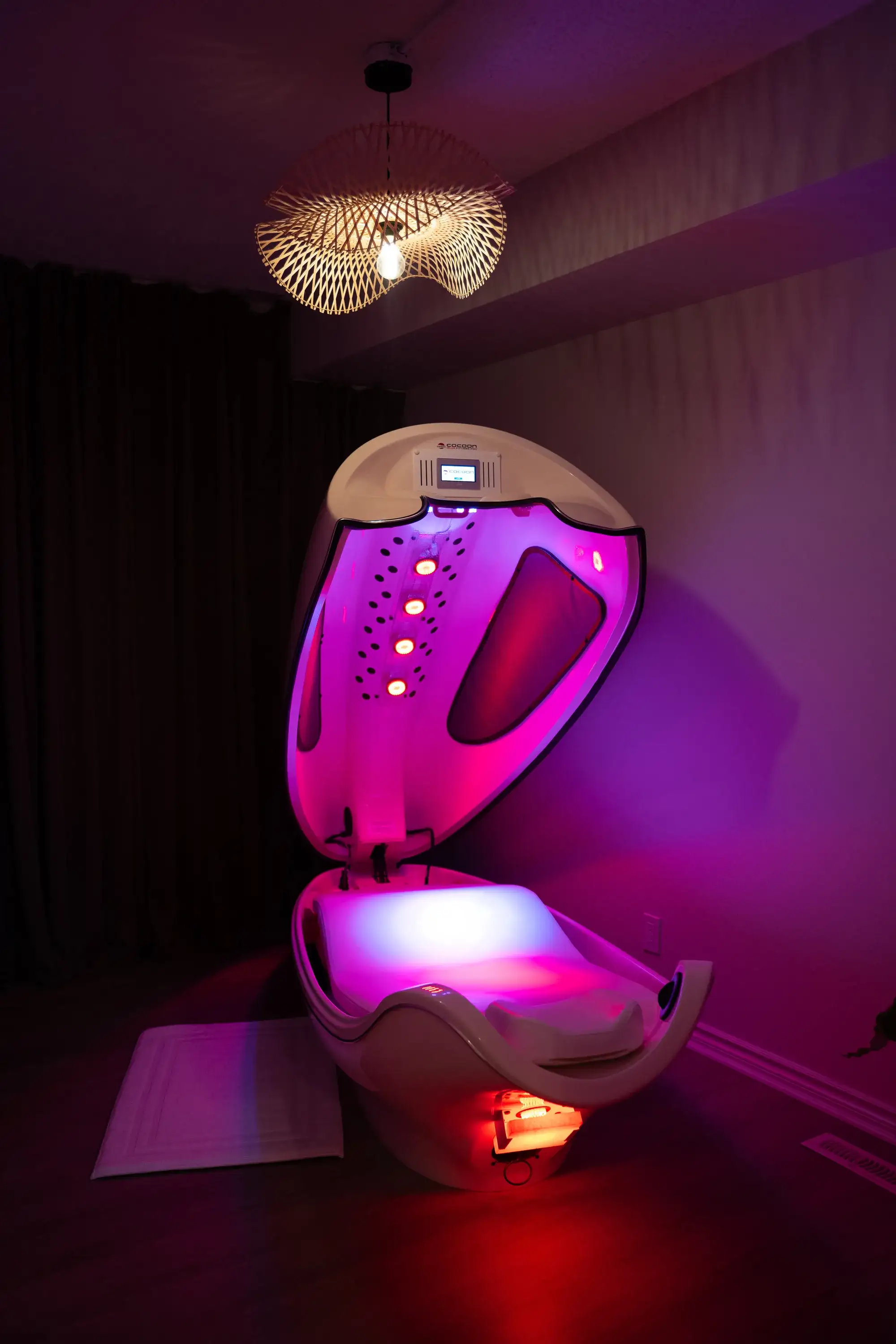
Some clients book the infrared cocoon as a 20-minute add-on to their massage. Heat is one of the standard ways to settle post-massage soreness, so the timing makes sense, and the pod is a warm, quiet, enclosed place to let the session land before you drive home. Two cautions: drink water before and after, since heat and massage both leave you needing it, and if you felt light-headed getting off the table, give the pod a miss that day. The infrared sauna page describes the sessions and the add-on price.
What you do not need to do
A few things on the usual aftercare lists are either unnecessary or unproven, and we would rather say so.
- You do not need to drink extra litres of water to “flush toxins”. Runner’s World’s therapists debunk this directly. Drink to thirst and a bit more; that is all.
- You do not need to take a painkiller in advance. Ordinary soreness responds to heat, movement and time. If you feel you need medication to get through the day, the soreness is more than we would expect and we want to hear about it.
- You do not need to book the next session straight away to “keep it going”. Spacing deep tissue sessions so the soreness has cleared between them is the sensible pattern; our page on how often to get a deep tissue massage explains the 48-hour window.
When to call us, or your doctor
Deep tissue work is firm, and the NCCIH notes that the rare serious harms reported from massage, such as a blood clot, nerve injury or fracture, have tended to involve vigorous techniques or people at higher risk of injury. Serious problems are uncommon, but the signs are worth knowing. Healthline advises seeing a doctor for neck or back pain after a massage, and for pain that is severe or long-lasting. We would add:
- Soreness that is getting worse after the first day rather than easing
- Pain that shoots, tingles or goes numb down an arm or leg
- A new swelling, warmth or redness over an area that was worked
- A bruise that keeps spreading, especially if you take blood thinners
- Feeling unwell or feverish, which is not a massage after-effect
Call us first if you are unsure. Knowing how you felt the day after is exactly how we adjust the next session, and most of what people worry about turns out to be ordinary soreness on its way out. The massage therapy page lists the session lengths, and the FAQ answers the practical questions about visiting.
Questions people ask
Can I take a hot bath after a deep tissue massage?
Yes. A hot shower or bath is one of the heat options Healthline suggests for post-massage soreness, along with an Epsom salt soak of up to 30 minutes. Keep it warm rather than scalding, drink some water, and get out slowly, because standing up fast after heat and massage can leave you light-headed.
Should I eat after a deep tissue massage?
Something light is a good idea. Healthline recommends a light snack after a massage as part of avoiding a post-session headache, and Runner's World's therapists advise against a heavy meal close to the session itself. A sandwich or a bowl of soup is about right; a large dinner can wait until you are hungry for it.
Is the infrared pod a good idea straight after deep tissue work?
It can be, as an optional 20-minute add-on to a massage. Heat is one of the standard ways to ease post-massage muscle soreness, and the pod is a warm, quiet place to let the session settle. Drink water before and after, and skip it if you feel light-headed when you get off the table.
Why do I feel more tired than sore after a deep tissue massage?
Both are common, and tiredness often wins. A firm session asks a lot of the nervous system as well as the muscles, and a quiet evening with an early night is the right response. If the fatigue is still heavy the next afternoon, or comes with a fever, that is not the normal pattern and worth a call.
Sources
Page reviewed October 4, 2026. This page is education, not a diagnosis. For your own situation, talk to your doctor, surgeon or care team, or ask us.
Keep reading
Related pages