
Massage, cupping or acupuncture on blood thinners
On blood thinners, gentle massage is usually fine with a doctor's okay, cupping needs clearance first, and acupuncture may not be safe. What each changes.
By The Renu lymphatic and massage team · 6 min read
Blood thinners do not rule out hands-on care, but they change what is sensible. Lighter massage is usually fine once your doctor knows, firm deep tissue work carries more bruising and bleeding risk and is best avoided, cupping needs medical screening before it is booked, and acupuncture may not be safe for you at all. Tell us on your intake form and we will plan the session around it.
If you take a blood thinner, you have probably already been told to watch for bruising, to mention it at the dentist and to be careful with anything that breaks the skin. Hands-on treatments sit in the same category. None of the three we offer is automatically off the table, but each one asks a slightly different question of your clotting, and it helps to know which is which before you book.
What changes when your blood clots more slowly
Massage, cupping and acupuncture all act on the skin and the small blood vessels just beneath it. Firm pressure can break tiny vessels, which is what a bruise is. Suction pulls blood toward the surface. A needle makes a tiny opening. In someone whose blood clots normally, each of these seals almost at once. On a blood thinner, the sealing takes longer, so a mark that would have been nothing can become a real bruise, and a bleed that would have stopped on its own may not.
That is the whole concern, and it is why every one of the sources below asks about anticoagulants before treatment rather than afterwards.
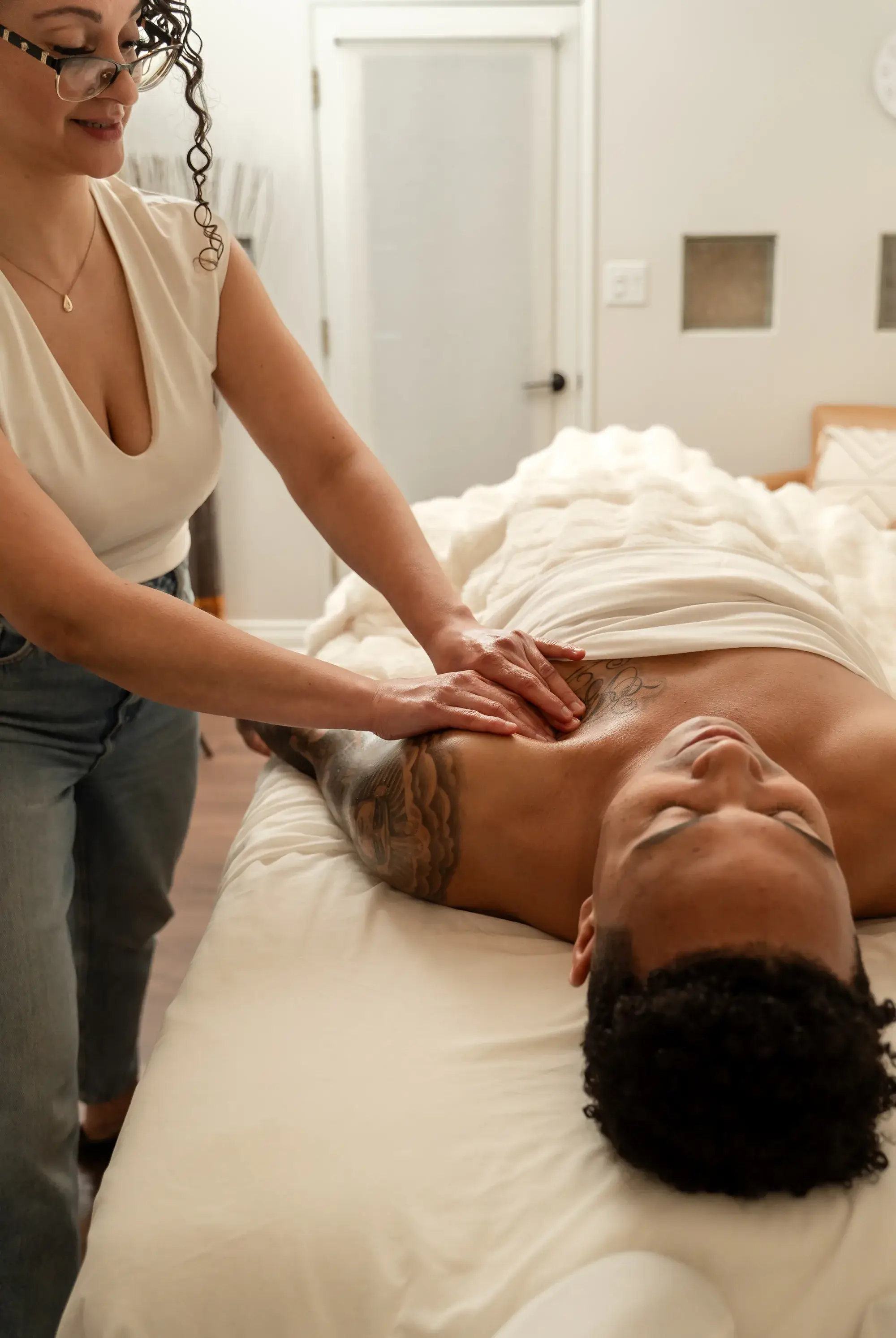
Massage: usually yes, with lighter hands
The NCCIH describes the risk of harm from massage as low, with rare reports of serious effects such as a blood clot, nerve injury or bone fracture, and it notes that some of those cases involved vigorous techniques such as deep tissue massage or people at increased risk of injury. Healthline, in its guidance on soreness after massage, lists blood-thinning medication and bleeding disorders among the circumstances in which you should consult a doctor.
In practice, that means:
- Relaxation-style and moderate-pressure massage is generally reasonable once your doctor knows you are having it.
- Deep tissue, trigger point and other firm techniques are the ones to avoid or soften, because they are the techniques most likely to bruise. Our page on bruising after a deep tissue massage explains why people on anticoagulants mark more easily.
- Lymphatic drainage uses the lightest pressure we offer, a slow stretch of the skin rather than a push into muscle, and does not carry the same bruising concern. If your blood thinner was prescribed after a clot, read lymphatic drainage after a blood clot first, because a recent clot is its own question.
Tell your therapist at the start of every session, not just the first one. Doses change, and so do the areas you want worked. If you notice a bruise forming during the session, say so; we will ease off or move elsewhere.
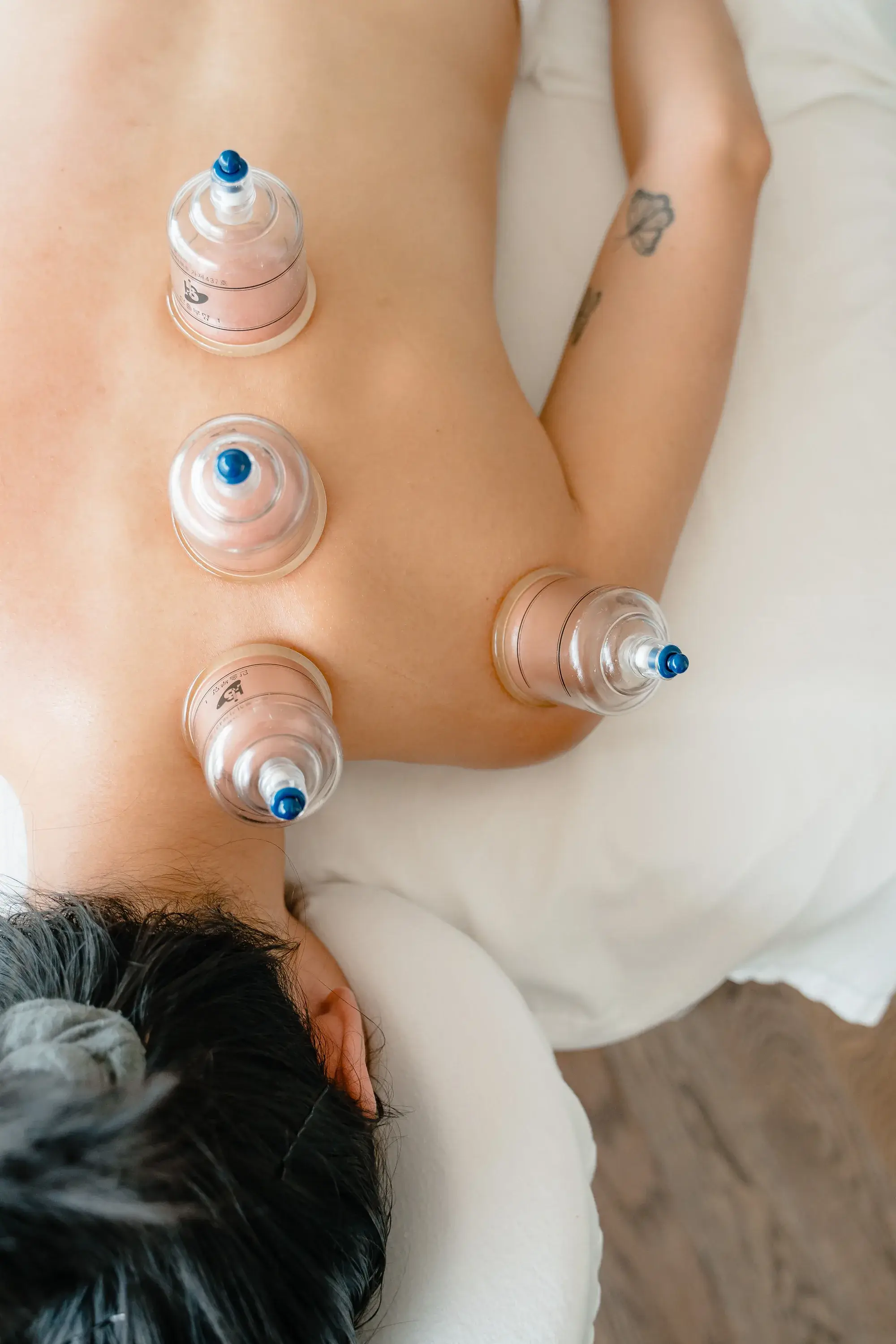
Cupping: screening first, every time
Cupping draws blood toward the skin by design. Physitrack describes the familiar circular marks as changes in the small blood vessels near the skin rather than impact bruising, and states that people with bleeding disorders, blood-clotting concerns or anticoagulant use need medical and clinical screening before cupping. Henry Ford Health goes further: a bleeding or clotting disorder such as hemophilia or von Willebrand disease, or an existing blood clot, rules cupping out altogether, while taking blood thinners is one of the situations where cupping should go ahead only after consulting a doctor.
The NCCIH’s list of reported harms from cupping includes persistent skin discolouration, scars, burns and infections, and, in the case of wet cupping, which draws blood, bleeding and anemia from blood loss. Whatever the style, the treatment works through the vessels you are trying to protect.
So for myofascial cupping or fire cupping, the sequence is: tell us you are on a blood thinner, bring your doctor’s view, and expect a more conservative session if it goes ahead at all. Physitrack lists thin or fragile skin, open wounds and areas with poor circulation as unsuitable for cupping regardless of medication. It puts the usual fade for marks at a few days to about a week; on a blood thinner, do not be surprised if yours take longer, and keep them clean, dry and covered as Henry Ford advises.
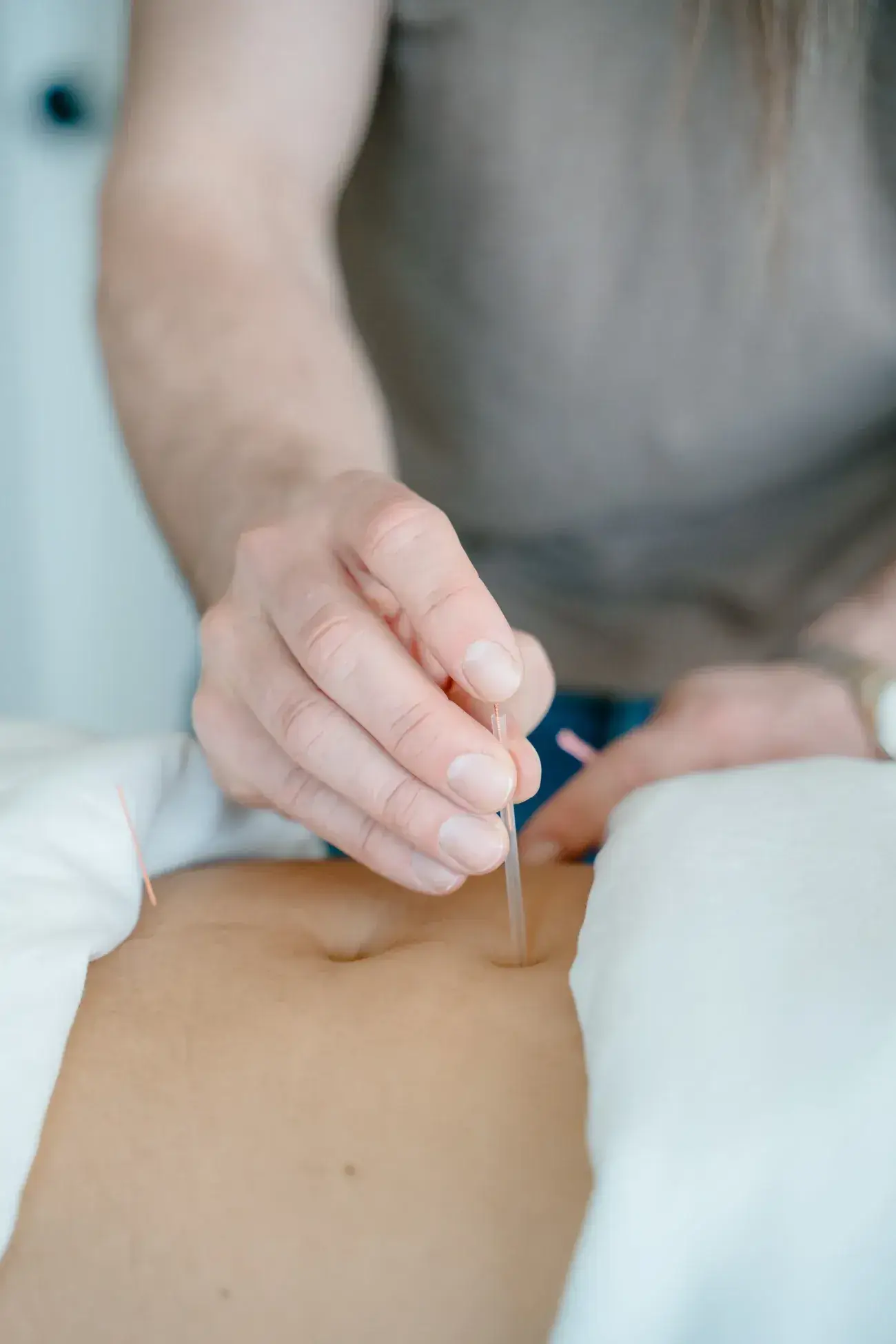
Acupuncture: it may not be safe for you
The NHS states that acupuncture may not be safe for you if you are taking blood thinning medicine or are at increased risk of bleeding, or if you have a skin condition or skin infection at the treatment site. That is firmer wording than either of the other two treatments receive, and we take it at face value.
The needles themselves are not the issue; the NCCIH notes that acupuncture needles are regulated as medical devices and must be sterile and labelled for single use, and that most complications come from nonsterile needles or improper technique. The issue is that each needle makes a small opening in skin that clots slowly. If you take a blood thinner and want to see Will for acupuncture, talk to your prescribing doctor first and tell Will on your intake form. Depending on what your doctor says, the answer may be a modified session or a decision to wait for now.
Side by side
| Treatment | On a blood thinner | What we change |
|---|---|---|
| Relaxation or moderate massage | Usually fine with your doctor’s awareness | Pressure kept below the level that marks |
| Deep tissue or trigger point work | Best avoided | Swapped for lighter techniques |
| Lymphatic drainage | Light pressure, usually fine; clearance needed after a clot | Nothing beyond the normal intake |
| Myofascial or fire cupping | Only after medical screening | A more conservative session; marks may last longer |
| Acupuncture | May not be safe; doctor’s advice first | Modified, or postponed |
What to tell us, and when
Your intake form asks about medications, and this is one answer we read closely. Write down the name of the blood thinner and why you take it, and tell us if the dose has changed recently. If you also have a bleeding disorder, a history of clots, or you bruise easily for any other reason, that goes on the form too. We do not need the clinical detail; we need enough to choose the right treatment and the right pressure.
When to call your doctor
Blood thinners are prescribed for serious reasons, and a hands-on treatment should never get in the way of the condition they are protecting you from. Contact your doctor, or go to urgent care, if after any session you notice:
- A bruise that keeps spreading over hours rather than settling
- Bleeding from a needle or cupping site that does not stop with gentle pressure
- A large, painful or hard swelling under the skin
- New swelling, warmth or pain in a calf or arm, which can be a sign of a clot
Healthline advises seeing a doctor for severe or long-lasting pain after a massage in any case, and the NCCIH’s standing advice is not to use massage to postpone seeing a health care provider about a medical problem. The rest of the time, treat this page as what it is: a reason to tell us, not a reason to stay away.
Questions people ask
Do I need a doctor's note to get a massage while on blood thinners?
We do not require a letter, but we do want to know your doctor is aware you are having massage and has no objection. Healthline lists blood-thinning medication among the reasons to consult a doctor before a massage. A quick mention at your next appointment, or a message through your clinic, is usually enough.
Why is bruising more of a concern for me than for other clients?
Blood thinners slow clotting, so a small vessel broken by firm pressure keeps leaking for longer and leaves a bigger mark. Cupping and acupuncture both work the skin and the small vessels beneath it directly, which is why both treatments ask about anticoagulants before they begin.
Is lymphatic drainage safe on blood thinners?
The pressure in lymphatic drainage is very light, a skin stretch rather than a push into muscle, so it does not carry the bruising concern that deep work does. We still want your doctor's awareness, and anyone with a history of clots needs clearance first, which our page on lymphatic drainage after a blood clot explains.
Can I have fire cupping if I take low-dose aspirin?
Treat it the same way as any other blood thinner: not without checking first. Henry Ford Health lists blood thinners among the situations where cupping should only go ahead after consulting a doctor, and Physitrack asks for medical screening for anyone on anticoagulants. Tell Will on your form and bring your doctor's view with you.
Sources
Page reviewed October 4, 2026. This page is education, not a diagnosis. For your own situation, talk to your doctor, surgeon or care team, or ask us.
Keep reading
Related pages