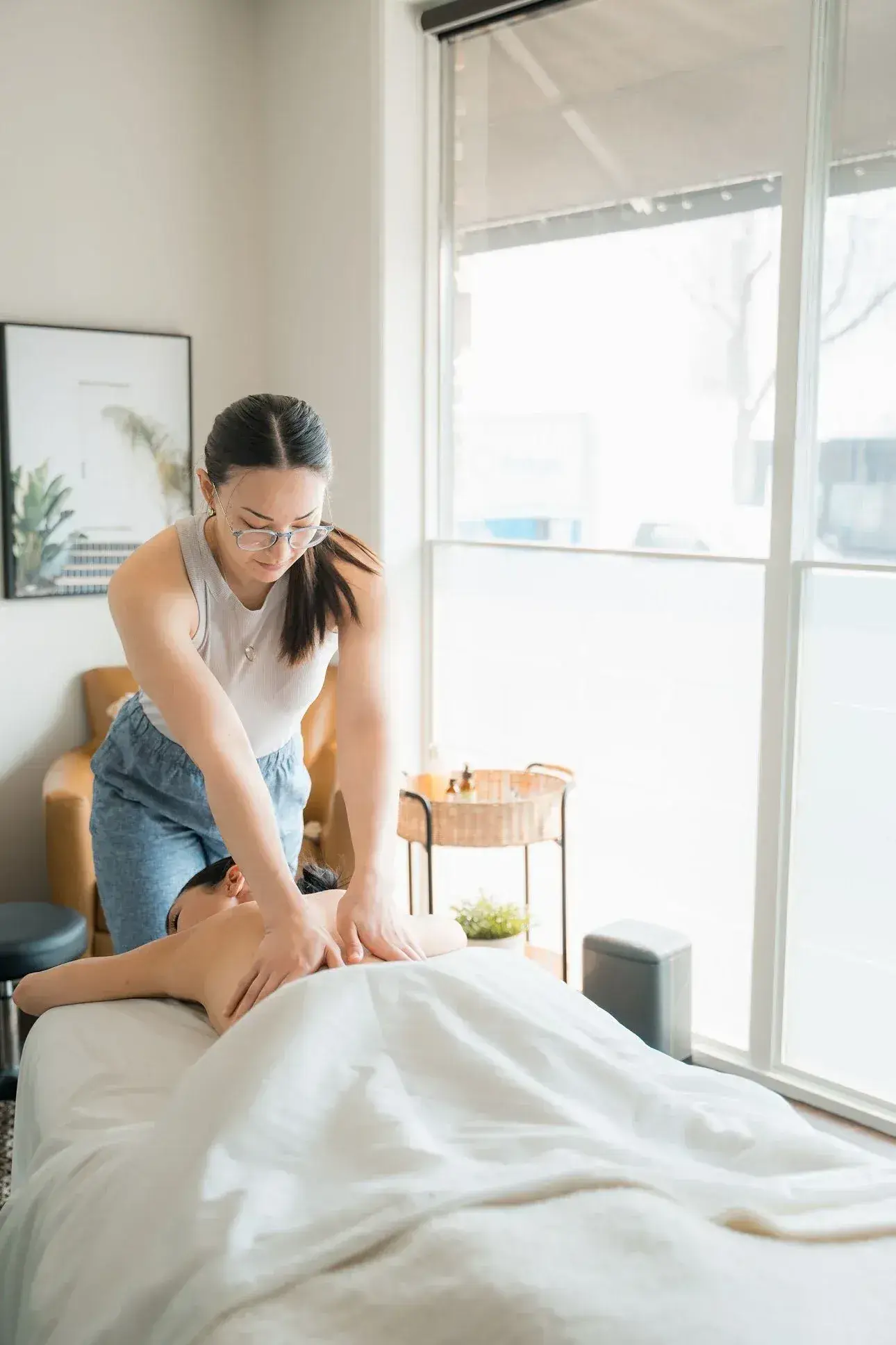

Is massage safe when you have arthritis?
For most people, yes, outside a flare and away from damaged joints, with moderate pressure. The precautions for osteoarthritis and rheumatoid arthritis.
By The Renu lymphatic and massage team · 6 min read
For most people with arthritis, yes, with three conditions. Skip massage during an active flare, when the Arthritis Foundation and massage educators agree the inflammation is too high and treatment may add pain rather than relieve it. Keep hands off joints that are damaged or eroded, and work the muscles around them instead. And use moderate pressure, which the research links to the benefit, under the Arthritis Foundation's rule that if it hurts, you do not do it. Check with your doctor first if you have severe osteoporosis or high blood pressure alongside the arthritis.
For most people, yes. Arthritis is one of the conditions massage has actually been studied for, and the findings are modest but real: short-term relief of pain and stiffness, mainly through the muscles around the joint. The safety rules are few and specific. Not during a flare. Not on a joint that is damaged or eroded. Not at a pressure that hurts. Everything else is a conversation between you, your therapist and, where the Arthritis Foundation advises it, your doctor.
This page is about keeping a massage safe and useful when you have arthritis. It is not an overview of the conditions themselves, which your rheumatologist or physician covers far better than we can.
Osteoarthritis and rheumatoid arthritis are different conversations
Osteoarthritis is, in the Arthritis Foundation’s words, a disease of the entire joint, including bone, cartilage, ligaments, fat and the tissues lining the joint. It can degrade cartilage, change the shape of bone and cause inflammation, and it most often affects the hands, knees, hips, lower back and neck. Symptoms include pain during or after activity, morning stiffness, reduced range of motion, clicking, swelling and muscle weakness around the joint.
Rheumatoid arthritis is a chronic autoimmune disease. Cleveland Clinic describes it as causing pain, swelling and stiffness in the lining of the joints, typically in matching joints on both sides of the body, with fatigue, weakness and fever among the wider symptoms. Over time the inflammation can erode cartilage and bone. Many people cycle between flares, when symptoms develop, and remission, when they ease; infection, smoking and physical or emotional stress are among the possible triggers.
For massage, the distinction matters in two ways. Rheumatoid arthritis brings flares, and a flare is a reason to wait. Both conditions can leave joints structurally damaged, and a damaged joint is worked around, not on.
When to wait: the flare rule
The Arthritis Foundation’s precautions for massage ask you to consult your doctor first and to use caution with damaged or eroded joints from arthritis, an active inflammation flare, fever or a skin rash, severe osteoporosis, high blood pressure and varicose veins. Leslie DeMatteo, writing for massage therapists at Integrative Healthcare, gives the reasoning: massage should not be done when arthritis is in an acute stage, because the inflammation response is too high and it may cause more pain than it resolves.
In practice, reschedule if, on the day:
- a joint is hot, visibly swollen or more painful than your usual baseline
- you have a fever or feel generally unwell, which in rheumatoid arthritis can accompany a flare
- a new rash has appeared
- your rheumatologist has recently changed your medication and told you to watch for a reaction
A session between flares is a different matter. DeMatteo’s description of massage for non-acute arthritis is that it releases the surrounding muscle tension, which is where much of the day-to-day stiffness and guarding lives.
What the research shows
The evidence is for short-term relief, and it is specific enough to guide how a session is given.
Knees. NCCIH reports that of six studies of massage for knee osteoarthritis, five found short-term pain relief. The Arthritis Foundation describes a 2018 study in the Journal of General Internal Medicine in which people with knee osteoarthritis who received a one-hour whole-body massage weekly showed significant improvement in pain and mobility after eight weeks. Cleveland Clinic includes knee pain among the conditions where studies show massage helps, with the caveat that relief may be short-term rather than long-term.
Hands. The Arthritis Foundation reports that daily moderate-pressure massage reduced hand arthritis pain by up to 57 percent and improved grip strength.
Pressure. The Arthritis Foundation cites Tiffany Field’s research that moderate pressure is what leads to reduced symptoms, by stimulating pressure receptors beneath the skin that send pain-reducing signals to the brain. Massage has also been shown to lower cortisol and raise serotonin, which Cleveland Clinic links to its effects on anxiety and mood.
Fibromyalgia, which often sits alongside arthritis, improved in pain, anxiety and depression when massage continued for at least five weeks, according to NCCIH, though sleep did not change.
Read together: weekly, hour-long, moderate-pressure sessions over about two months is the pattern the better studies used. Occasional deep work is not what was tested.
How a session is adapted
| Element | With arthritis |
|---|---|
| Pressure | Moderate, never into pain; you set the ceiling and can lower it at any point |
| Damaged joints | Not pressed, compressed or forced through range; the muscles above and below are treated instead |
| Flared joints | Left alone entirely until the flare has passed |
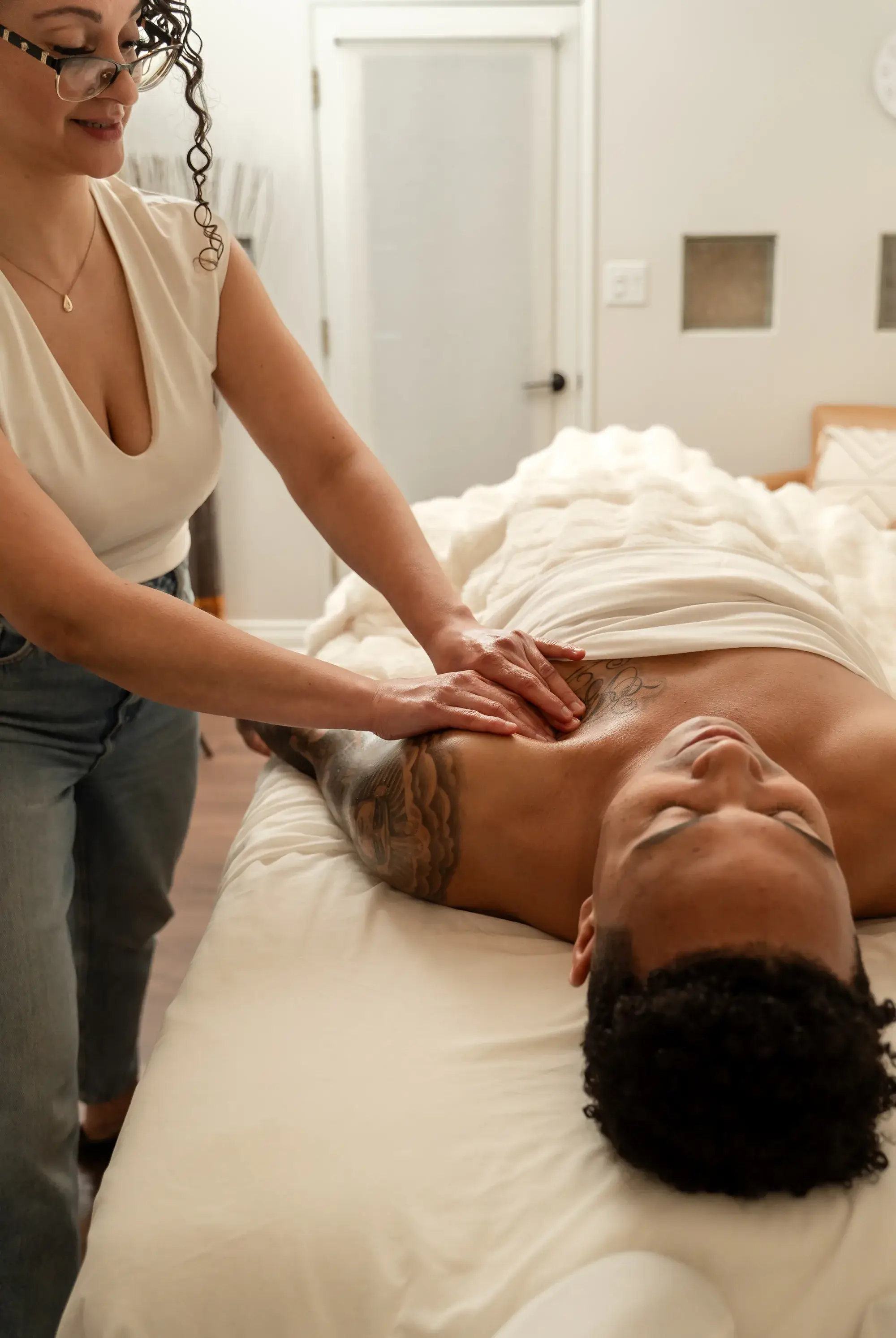
| Hands and wrists | Gentle gliding and light kneading of the forearm and hand muscles rather than pulling on the fingers |
| Knees and hips | Work on the thigh, hip and calf muscles that control the joint, with pillows so the knee rests slightly bent |
| Positioning | Side-lying and face-up options for people who cannot lie flat or face down comfortably; extra time to get on and off the table |
| Session length | Often 45 to 60 minutes; long enough for whole-body work without lying in one position for too long |
The joint itself is not ignored so much as approached indirectly. A knee that aches at the end of the day is usually surrounded by thigh and calf muscles working harder than they should to stabilise it, and those muscles are where hands do their best work.
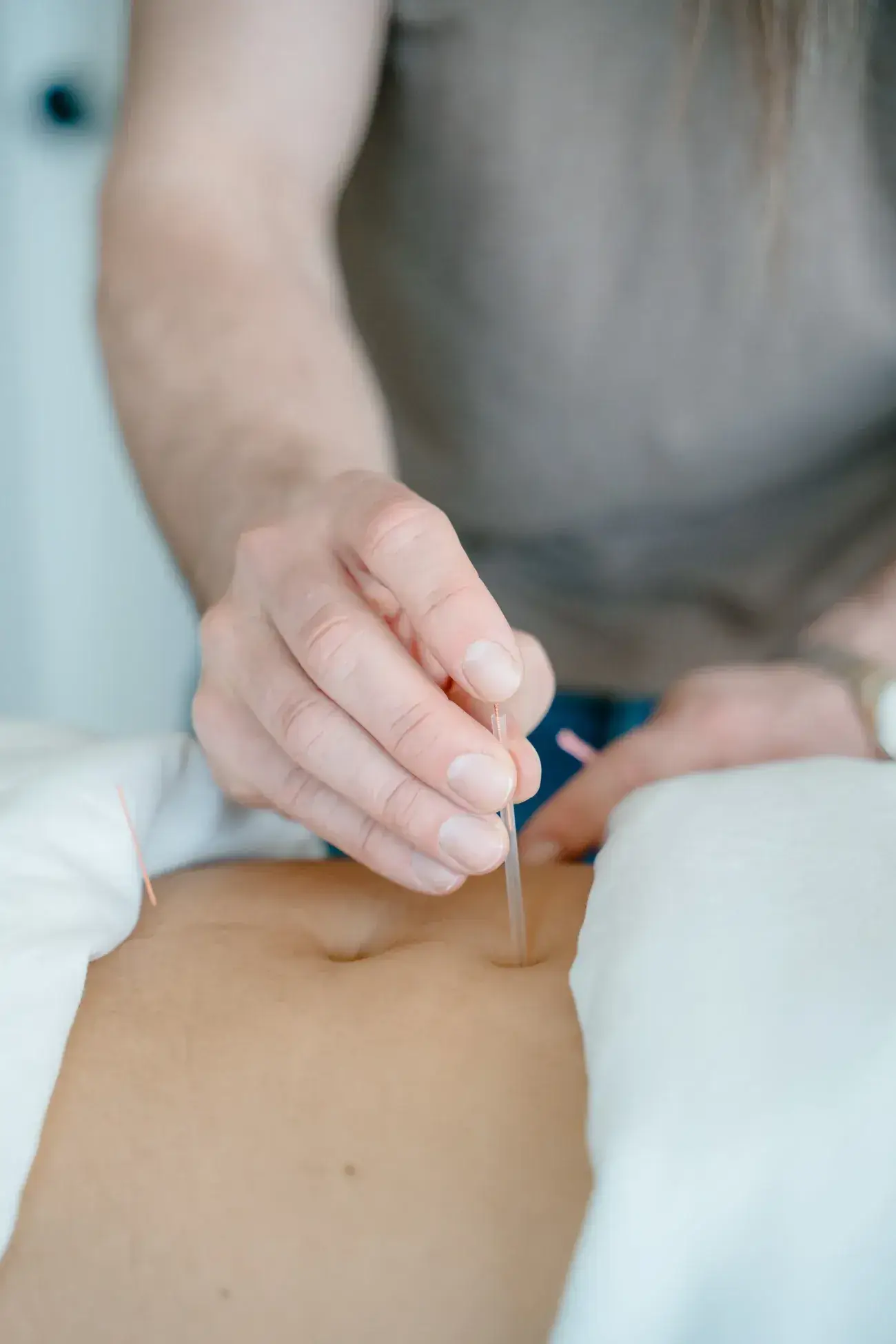
Before the first session, tell your therapist which joints are affected, whether any have been replaced or are known to be eroded, what your flare pattern looks like, and what medication you take, because the Arthritis Foundation’s caution list includes high blood pressure and severe osteoporosis, both of which change pressure and positioning further. If you would like a referral, the Arthritis Foundation suggests asking your rheumatologist or primary-care physician, which can also help with coverage. Our massage therapy page describes sessions and lengths, and some people with arthritis combine massage with acupuncture, which Dr. Will Tanner offers in the same clinic.
When to call your doctor or rheumatologist
Massage sits alongside medical care for arthritis, never in place of it. Cleveland Clinic stresses seeing your provider regularly to monitor symptoms and reporting medication side effects promptly. Contact your doctor, and hold off on massage until you have, if:
- a joint becomes suddenly hot, red and swollen, especially a single joint, which can signal infection as well as a flare
- a flare does not begin to settle with your usual plan
- you develop a fever, a new rash or unexplained weight loss alongside joint symptoms
- pain in a joint changes character or a joint feels unstable or gives way
- a massage leaves a joint more painful for more than a day or two rather than easier
The simplest safeguard is the one the Arthritis Foundation gives: if it hurts, don’t do it. Tell your therapist the moment anything does, and the session changes with you.
Questions people ask
Can I have a massage during a rheumatoid arthritis flare?
Wait until it settles. The Arthritis Foundation lists an active inflammation flare, fever or skin rash among the reasons to hold off, and massage educators advise against working an acutely inflamed joint because the inflammation response is too high and treatment may cause more pain than it resolves. Between flares, massage of the muscles around the affected joints is a reasonable option.
Should the therapist massage the arthritic joint itself?
Usually the muscles around it, not the joint. A damaged or eroded joint is on the Arthritis Foundation's caution list, and the approach described for non-acute arthritis is to release the surrounding muscle tension that adds to stiffness and pain. Hands and knees, the joints most often asked about, both have plenty of muscle nearby to work with.
How firm should massage be for arthritis?
Moderate. The Arthritis Foundation cites Tiffany Field's research that moderate pressure stimulates pressure receptors under the skin that send pain-reducing signals to the brain, and it reports daily moderate-pressure hand massage reducing arthritis pain by up to 57 percent in one study. Deep, forceful work is not what the evidence tested, and the rule throughout is that pain means stop.
Does massage help arthritis or just feel nice?
The evidence is for short-term relief. NCCIH reports that five of six studies on knee osteoarthritis found short-term pain relief from massage, and the Arthritis Foundation describes a 2018 study in which weekly one-hour whole-body massage improved knee pain and mobility after eight weeks. None of it changes the joint; it changes how the joint feels and moves for a while, which for many people is worth having.
Sources
Page reviewed October 4, 2026. This page is education, not a diagnosis. For your own situation, talk to your doctor, surgeon or care team, or ask us.
Keep reading
Related pages