
How long do the results of lymphatic drainage last?
The lighter feeling lasts a day or two if nothing changes. Reduced lymphedema can hold for a year or more, but only with compression. What the evidence says.
By The Renu lymphatic and massage team · 6 min read
The immediate effect of lymphatic drainage, a lighter limb and more trips to the bathroom, lasts a day or two, because fluid has been moved rather than the cause removed. In diagnosed lymphedema, a reduction achieved over an intensive course can hold for a year or more, but the Cochrane review found that depended on continuing to wear a custom-made compression sleeve. In a healthy person there is no lasting physiological change to maintain, only the relaxation of the session itself.
Two different kinds of “result”
When someone asks how long the results last, they usually mean one of two things, and the answers are far apart.
The first is the feeling: a limb that is less tight, a face that looks less puffy, the sense of having been emptied out. That is a fluid shift, and it is short-lived.
The second is a measured change in a swollen limb that has been treated for lymphedema over a course of sessions. That can be held for a long time, but not by the hands-on treatment alone.
Most of the disappointment we hear about comes from expecting the second kind of result from the first kind of session.
The lighter feeling: a day or two
Cedars-Sinai describes what happens in a healthy body with an image we like: lymphatic drainage has a temporary trimming effect because it moves fluid through the body, like spreading a stack of papers from one end of a counter across the whole surface. The papers are still on the counter.
Where does the fluid go? It re-enters the bloodstream, and the kidneys deal with the extra. Healthline lists increased urination for 24 to 48 hours as a minor, expected effect of manual lymphatic drainage. That window is a fair guide to how long the “emptied” feeling lasts if nothing else changes. By the second or third day your tissues are back to whatever balance your daily life sets, because the session did not change your daily life.
For a healthy lymphatic system, Cedars-Sinai says the benefit beyond simple relaxation is unlikely. There is nothing to maintain, which is also why there is nothing to lose. A session is worth exactly what it felt like.
What changes inside the vessels, and for how long
It is fair to ask whether anything physiological happens at all. It does, and it has been filmed. In a 2011 pilot study, researchers injected a fluorescent tracer under the skin of 12 healthy volunteers and 10 people with lymphedema, imaged the lymph vessels, delivered a standard session, and imaged again. Lymph velocity rose by 28 percent in the healthy limbs and 23 percent in the swollen limbs, and the vessels pumped more often.
That study measured the immediate change only. The authors describe it as a feasible way to quantify immediate improvement in lymphatic contractile function, which is precisely the right scale for what a single session does: it makes the vessels work harder for a while. No source we read shows that a one-off session leaves the vessels permanently faster, and we would not expect it to.
Measured reductions in lymphedema: a year or more, with a condition attached
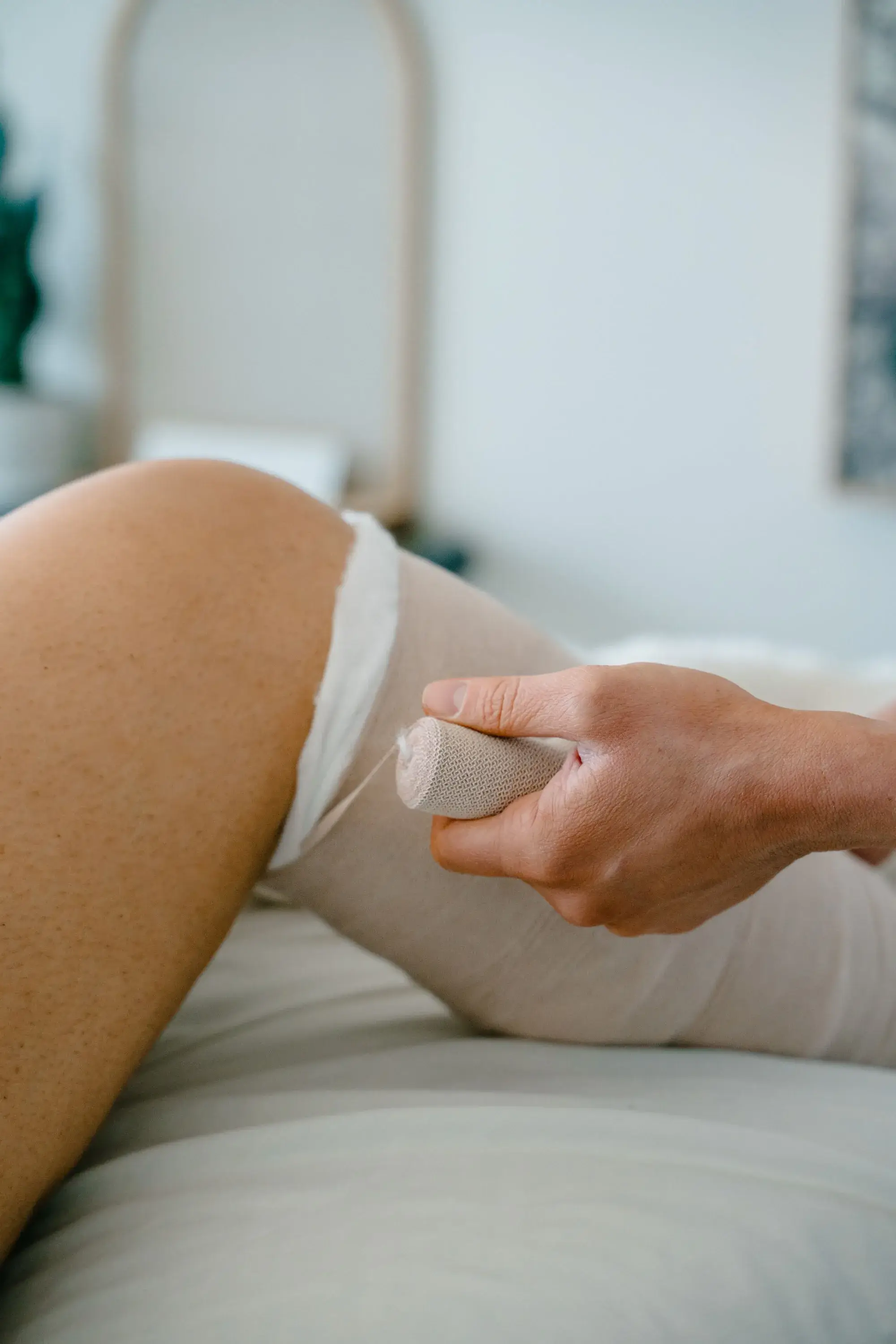
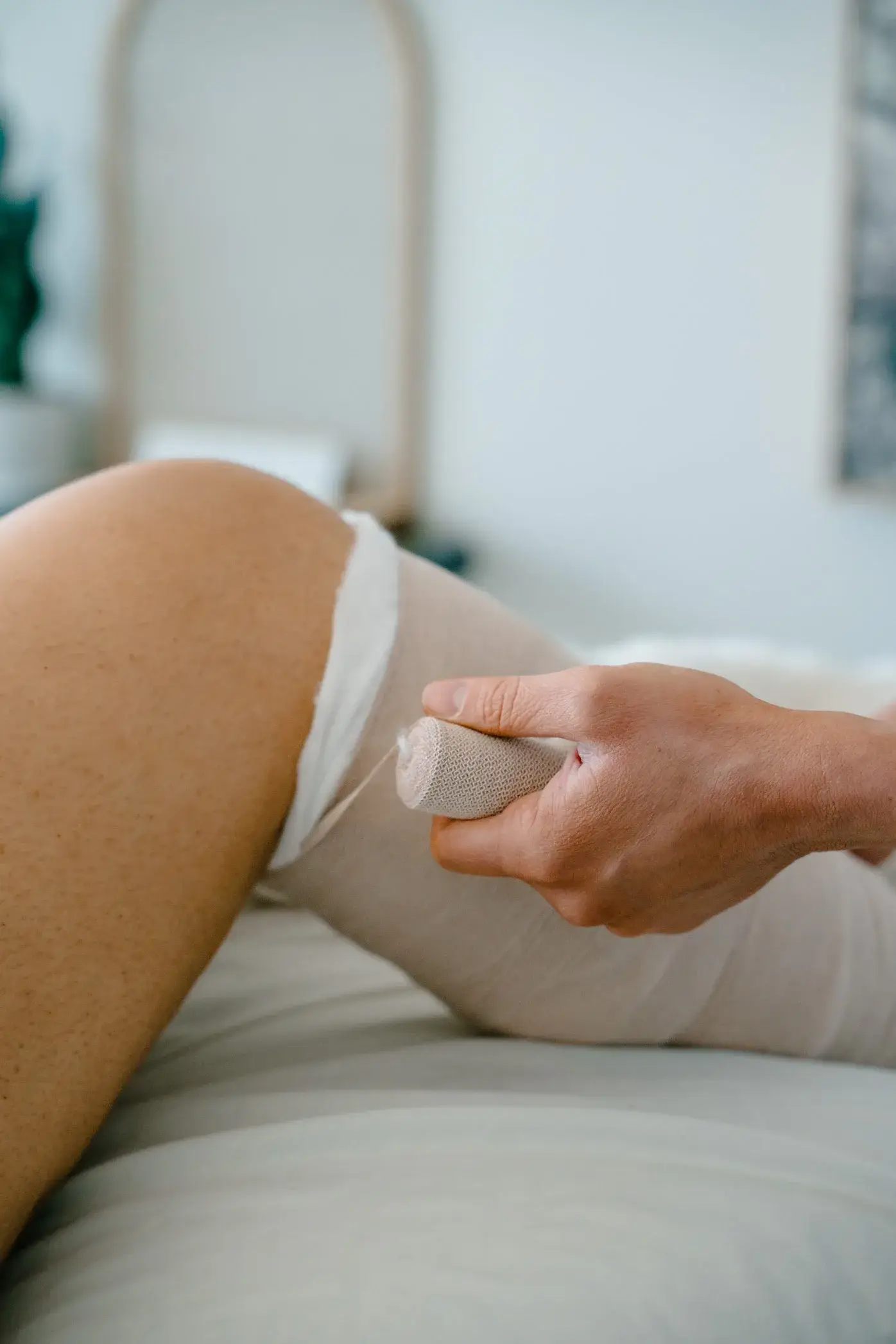
Now the second kind of result. The Cochrane review of six trials in breast cancer-related lymphedema reported that an intensive course of compression bandaging reduced swelling by about 30 to 37 percent, and adding lymphatic drainage took off a further 7.11 percent, a benefit seen mainly in people with mild to moderate swelling.
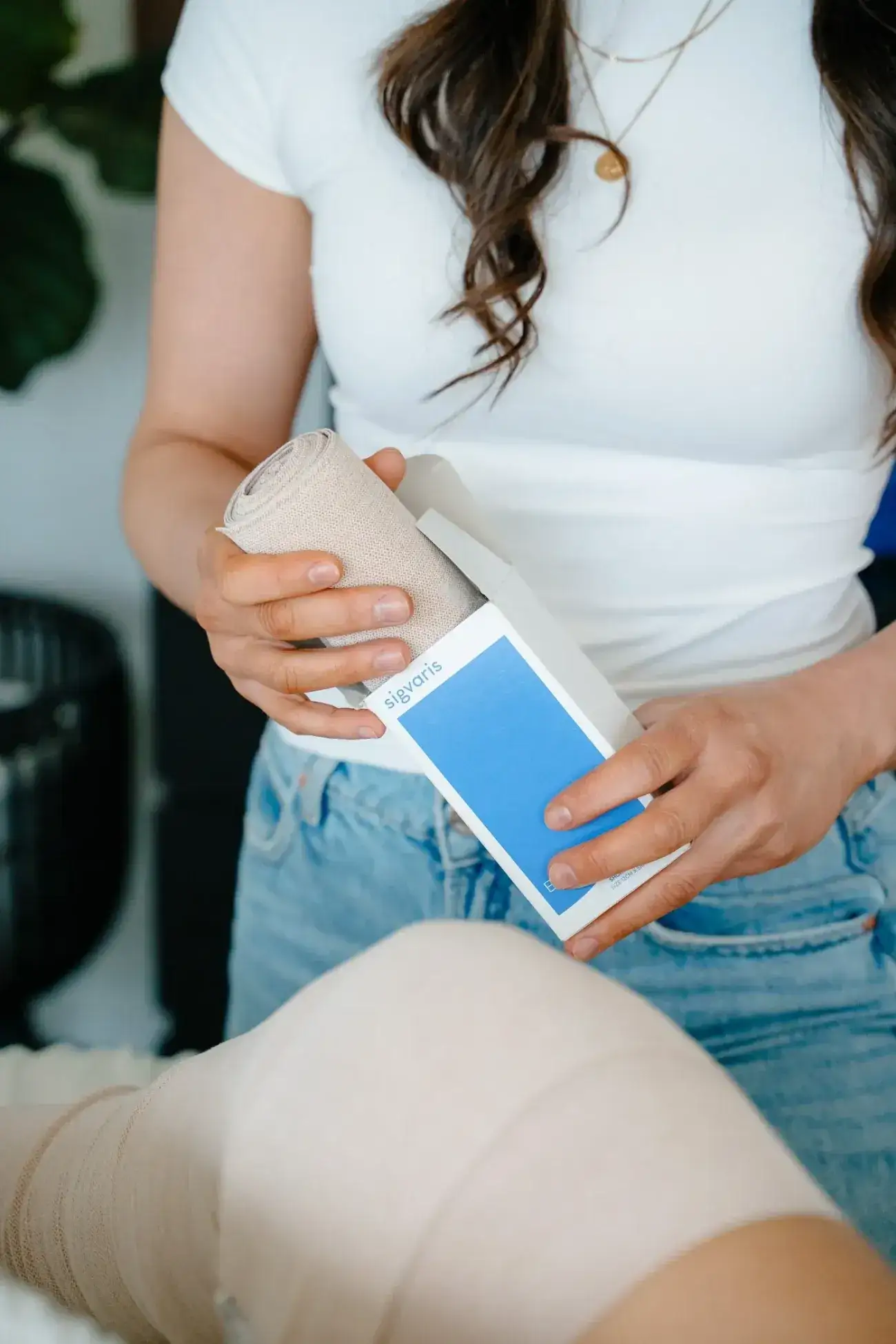
Then the important sentence. One-year follow-up suggested that once swelling had been reduced, participants were likely to keep their swelling down if they continued to use a custom-made sleeve. The result lasted a year because the compression carried on. Lymphatic drainage reduced the limb; the garment held it.
The National Cancer Institute frames lymphedema care the same way: a reduction phase with daily treatment and bandaging, then a maintenance phase with compression garments and lymphatic drainage as needed. The NCI also notes that flat-knit garments are better than elastic ones for maintaining stage II and III swelling, because they help skeletal muscle push lymph through the impaired system. The garment is doing active work between sessions, not just holding things in.
If you want to understand that side of it, our Learning Centre covers compression garments, and why swelling comes back when you take compression off explains the mechanism.
Why the cause decides the duration
The pattern behind all of this is simple. Fluid builds up in tissue when more arrives than the lymphatic system can carry away. A session temporarily carries more away. If the inflow stays high, or the carrying capacity stays low, the balance tips back.
The NHS describes early lymphoedema in exactly those terms: swelling that may be soft, may come and go, gets worse during the day and goes down overnight, and without treatment usually becomes more severe and persistent. Elevation and sleep are doing overnight what a session does in an hour. Neither reverses the condition, and the NHS says plainly that nothing does, but the main symptoms can usually be controlled by minimising fluid build-up and keeping it moving.
So the honest formula is: how long the result lasts equals how long the cause is managed. Compression, movement, skin care and treating any underlying condition are the levers. The Cleveland Clinic says lymphatic massage should not be your only treatment and that garments should stay on. That is not the clinic hedging; it is the whole basis of the one-year result.
Making a session last: what actually helps
For someone with a prescribed garment:
- Put it back on directly after the session. The hands-on work is done without oil partly so you can.
- Keep daily wear going; the sleeve is what the follow-up data rewards.
- Keep up the exercise and skin care that form the other two parts of decongestive therapy.
For someone with everyday puffiness and no diagnosis:
- Walk, swim and breathe deeply; Cedars-Sinai lists all three as ways to keep fluid moving.
- Break up long sitting and standing, and expect heat to undo a session faster.
- Treat the lighter feeling as a pleasant day, not a result you must protect.
Across the trials in the Cochrane review, 60 to 80 percent of participants reported feeling better in terms of pain and heaviness regardless of which treatment they received. Comfort is a legitimate outcome in its own right, even when it is not a measurement.
When fading results are a reason to see a doctor
Swelling that returns within days every time is a pattern worth investigating rather than re-treating indefinitely. The Cleveland Clinic advises calling your provider any time lymphedema symptoms get worse, including new puffiness in the belly, tightness in the joints or swelling in the arms or legs, and asking about alternatives if several sessions bring no noticeable improvement. See a doctor promptly, and before booking again, if swelling:
- Affects one limb only or appeared suddenly
- Comes with heat, redness or pain in the skin, or a fever
- Keeps increasing despite treatment
Our page on how quickly lymphatic drainage reduces swelling covers the other end of the timeline.
At Renu
If your swelling is diagnosed lymphedema or lipedema, the lasting result comes from the whole program, which is why Meeghan Mackenzie, our Certified Lymphedema Therapist and Certified Compression Fitter, offers complete decongestive therapy with compression fitting (30 minutes, $25) rather than drainage on its own. If you simply want to feel lighter for a day or two, classic lymphatic drainage massage at 30, 45 or 60 minutes ($95, $105, $130) does that honestly, and we will not promise more.
Questions people ask
Why did the lighter feeling wear off by the next evening?
Because the session moved fluid out of the tissue and your body processed it, mostly as urine over the following day or two. If the reason fluid collected is still there, whether that is a long day on your feet, heat or a damaged lymphatic pathway, it will collect again. The treatment changed the fluid, not the cause.
Do results build up if I keep coming?
In lymphedema, yes, over an intensive course: the trials in the Cochrane review measured reductions of roughly 30 to 38 percent with bandaging and a further 7 percent with lymphatic drainage added. In a healthy person there is nothing to accumulate, so each session stands alone.
Is there anything I can do to make a session last longer?
If you have been prescribed compression, put it back on straight after and keep wearing it; that is what the one-year follow-up data points to. Otherwise, movement, deep breathing and avoiding long stretches of sitting or standing keep fluid moving in the days after.
Can lymphatic drainage permanently fix lymphedema?
No. The NHS describes lymphoedema as a long-term condition that cannot be reversed, though its main symptoms can usually be controlled. Treatment reduces and holds the swelling; it does not restore the damaged vessels.
Sources
- Cochrane: Manual lymphatic drainage for lymphedema following breast cancer treatment
- Cedars-Sinai: FAQs about lymphatic drainage massage
- Cleveland Clinic: Lymphatic drainage massage
- NHS: Lymphoedema
- Tan et al., Arch Phys Med Rehabil 2011: Assessment of lymphatic contractile function after manual lymphatic drainage using near-infrared fluorescence imaging
- Healthline: Does lymphatic massage help reduce weight and bloating?
- National Cancer Institute: Lymphedema (PDQ), health professional version
Page reviewed October 4, 2026. This page is education, not a diagnosis. For your own situation, talk to your doctor, surgeon or care team, or ask us.
Keep reading
Related pages