
Does lymphatic drainage actually work?
For lymphedema and post-surgical swelling, yes, modestly and best with compression: Cochrane found about 7 percent extra reduction. For detox, no.
By The Renu lymphatic and massage team · 6 min read
For the conditions it was designed for, yes, modestly and best alongside compression. A Cochrane review of six trials found that adding manual lymphatic drainage to intensive compression bandaging reduced arm swelling by a further 7 percent, with people with mild-to-moderate lymphedema benefiting most and no adverse events. A larger 2022 meta-analysis found it eased pain and lowered the chance of lymphedema developing, but did not show a volume difference on its own. For detox, immunity or slimming in healthy people, there is no evidence it works.
This page is for the person who does not want a testimonial. You want to know what the trials found, where the evidence is strong, where it is thin, and where it is simply marketing. We have read the same reviews a sceptic would, and here is what they say.
The Cochrane review, in numbers
The most careful summary is a Cochrane review of manual lymphatic drainage (MLD) for lymphedema after breast cancer treatment, published in 2015 by Ezzo and colleagues. It found six randomised trials, published through May 2013, with 208 participants in total.
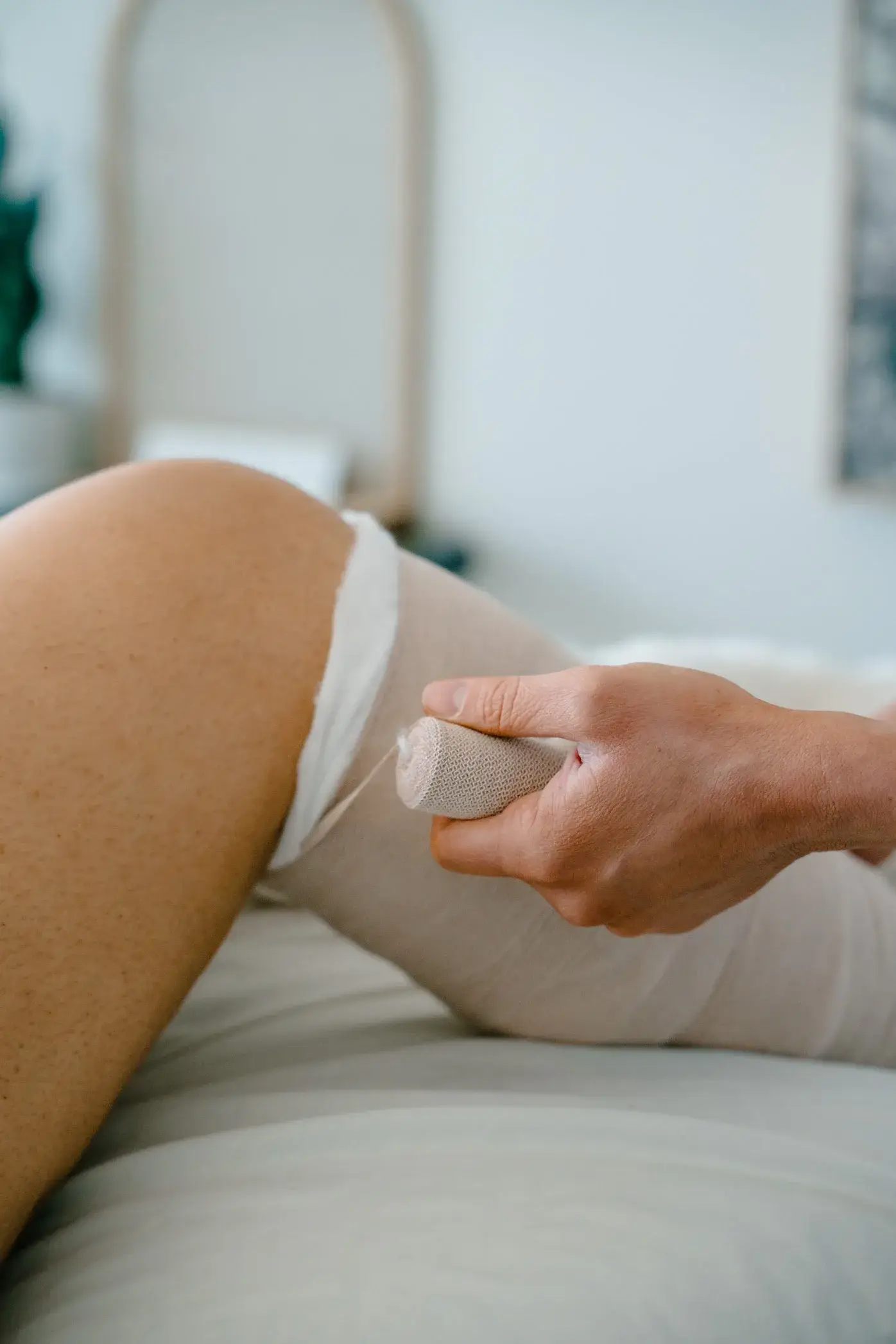
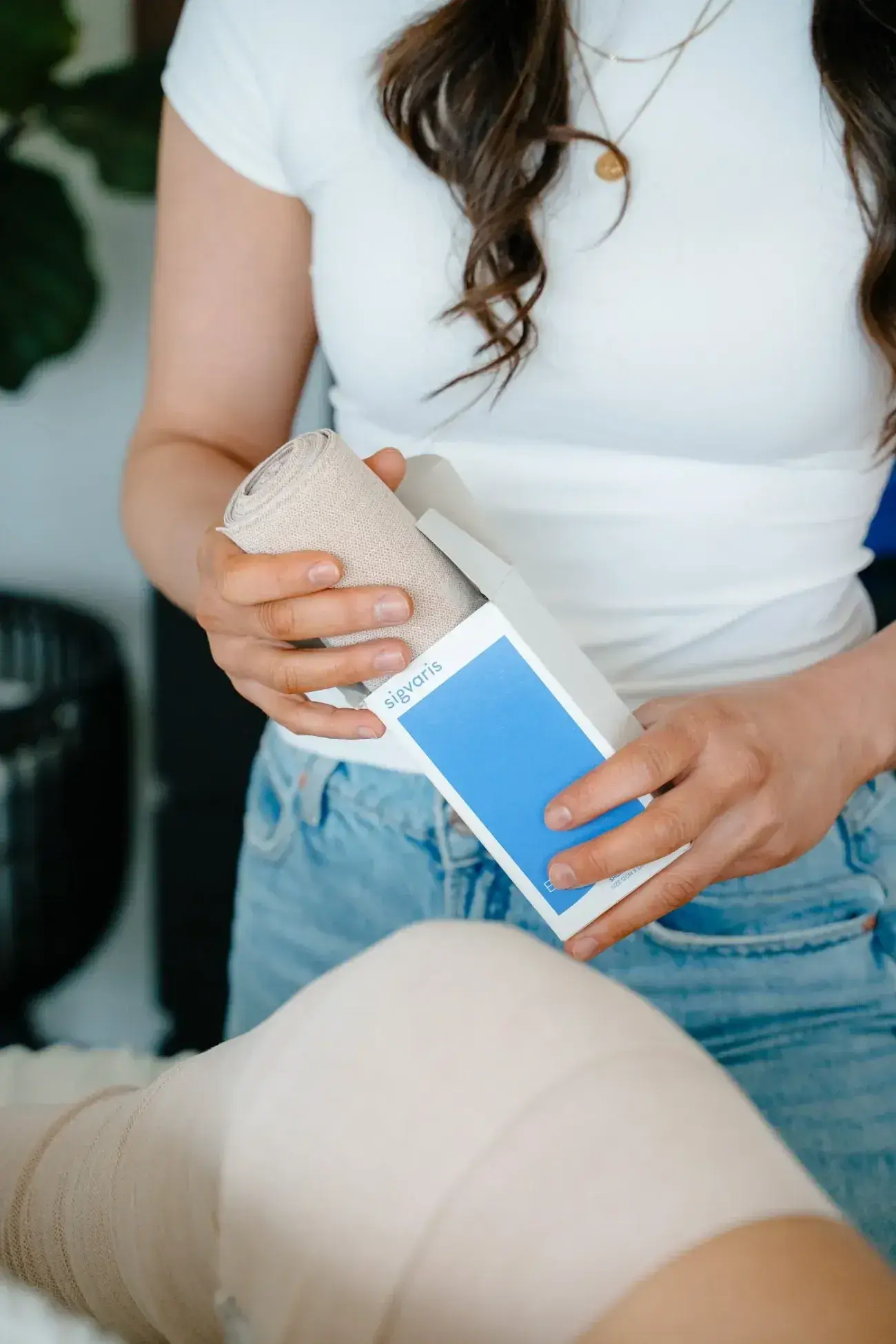
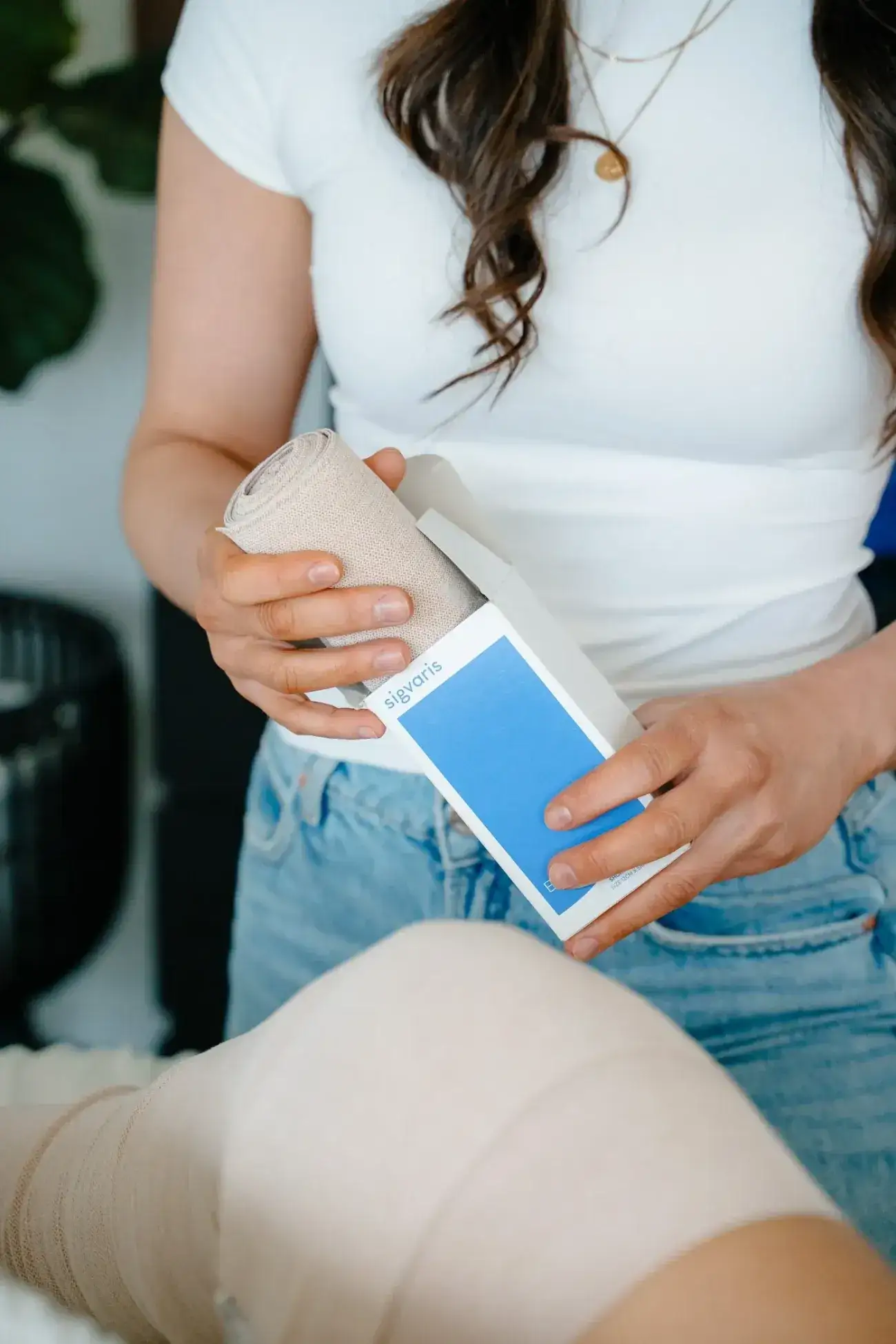
The clearest result came from the two trials that compared compression bandaging with and without MLD. Intensive compression bandaging on its own reduced arm swelling by about 30 to 38 percent. Adding MLD reduced it by a further 7.11 percent (95 percent confidence interval 1.75 to 12.47 percent, 83 participants). Looking closer, that extra benefit was seen in people with mild-to-moderate lymphedema rather than moderate-to-severe, so the authors suggest those are the people most likely to gain from adding MLD to an intensive course.
Three other trials compared a compression sleeve plus MLD with a sleeve plus some other treatment, and the results were mixed: one favoured MLD over a pneumatic pump for volume reduction (47 mL, 24 participants), one favoured MLD over self-administered simple drainage on one measure but not others, and one found no significant difference.
Two findings hold across everything. MLD was well tolerated and safe in all trials. And at one-year follow-up, people who had reduced their swelling were likely to keep it down if they continued to wear a custom-made sleeve. The authors’ conclusion is measured: MLD is safe and may offer additional benefit to compression bandaging for swelling reduction, and the finding needs confirming by further research. The trials were small, 24 to 45 people each, and in four of them the person measuring the swelling knew which treatment the participant had, which could have biased results.
The larger meta-analysis
A 2022 systematic review in Clinical Breast Cancer by Lin and colleagues, cited in the National Cancer Institute’s PDQ summary, pooled 11 randomised trials with 1,564 patients. It found that MLD significantly reduced the incidence of lymphedema (risk ratio 0.58, 95 percent confidence interval 0.37 to 0.93) and significantly reduced pain. But across its trials the effect of MLD on lymphedema volume and on quality of life was not statistically significant. The NCI’s summary of the same review notes that seven of the studies showed no statistical difference in volume.
Put the two reviews together and the picture is consistent rather than contradictory. MLD is an add-on to compression, not a replacement for it; its measurable benefit on volume is modest and shows up most in milder swelling; its benefit on pain and comfort is more robust; and it is safe.
What the NCI says about practice
The National Cancer Institute’s health professional summary states that complete decongestive therapy (CDT) is the standard of care for stage II lymphedema, with the note that the optimal program has not been established. CDT has two phases: a reduction phase of skin care, exercise, manual lymphatic drainage and compression bandaging performed daily for an average of 15 days, then a maintenance phase of skin care, exercise, MLD as needed and compression garments. MLD is one of four parts, and the NCI’s own trial examples show why: in one study of 103 women, CDT with 20 daily MLD sessions produced greater absolute volume loss than garments alone (250 mL versus 143 mL), though baseline differences meant no difference in the proportional reduction.
One more NCI example is worth a sceptic’s attention. A trial that gave 160 women MLD on top of exercise to try to prevent lymphedema found no benefit at six months (24 percent versus 19 percent developed significant swelling). The evidence for MLD as prevention is, at best, mixed, and we do not sell it as such.
Where the evidence is strong, thin, and absent
| Use | What the evidence says |
|---|---|
| Lymphedema, with compression | Modest extra volume reduction, less pain, safe (Cochrane; Lin 2022) |
| Lymphedema, on its own | Volume benefit not shown; compression is the foundation |
| Swelling after cosmetic surgery | Supportive; a 2023 review cited by Healthline notes abdominal MLD may improve flow after liposuction; trial base is small |
| Relaxation | Consistent; the Cleveland Clinic lists stress management among its benefits |
| Detox, immune boosting, weight loss, cellulite | No evidence; Cedars-Sinai and Healthline both say so plainly |
The UK’s advertising regulator applies the same split. CAP guidance requires robust evidence before claims are made for MLD, and the ASA has ruled against advertisers who claimed lymphatic treatments remove toxins or break down fat on the strength of one unpublished study and anecdotes. We have a separate page on whether lymphatic drainage removes toxins, and the answer there is no.
What “works” should mean for you
The honest framing is this. If you have lymphedema, MLD is an evidence-based part of a package, and the package is what reduces and holds your swelling. Cedars-Sinai’s physical therapist describes it as a powerful tool for people whose lymphatic system is compromised by surgery, illness or injury, and in the same breath says that for a healthy system it is unlikely to do more than relax you. The Cleveland Clinic says people without lymphedema may not see meaningful results, and that if you have had several sessions without noticeable improvement you should ask about alternatives.
Results also need a timeframe. Our answer on how long lymphatic drainage results last covers the Cochrane one-year finding and what it takes to maintain a reduction.
When to involve a doctor
Evidence-based or not, MLD is the wrong first step for swelling that has not been diagnosed. New swelling in one limb, swelling that is painful, red or hot, or swelling with breathlessness needs medical assessment, because the differential includes blood clots and infection. The NCI’s diagnosis section lists deep venous thrombosis, malignancy and infection as causes to exclude before lymphedema is assumed. If you are a cancer patient, your oncology team should know you are seeking lymphatic treatment, and no therapist should work over cancerous tissue or radiation-damaged skin.
How we practise it
Because the evidence favours the package, the right booking at Renu for diagnosed lymphedema is the package. Meeghan Mackenzie, a Registered Massage Therapist since 2005 and a Certified Lymphedema Therapist trained through the Academy of Lymphatic Studies, with Vodder and Földi foundations and Chikly advanced training, delivers complete decongestive therapy with compression fitting available (30 minutes, $25). For post-surgical swelling, post-op lymphatic drainage sessions run 30 to 90 minutes. For general fluid and relaxation, a classic lymphatic drainage massage is 30, 45 or 60 minutes, and we will tell you which of the three categories above you fall into before you book. If you want to vet us or anyone else, our journal piece on why a certified lymphatic therapist matters is a reasonable checklist, and the Learning Centre’s overview of what lymphatic drainage is and is not says the same things this page does, more briefly.
Questions people ask
Is lymphatic drainage scientifically proven?
For lymphedema, the evidence is real but modest. Randomised trials show it is safe, that it adds a small extra reduction in swelling when combined with compression bandaging, and that it eases pain. The trials are small and some were not blinded, so reviewers ask for more research. For claims about detoxing, immunity or weight, there are no trials to point to.
Why do some reviews say it does not reduce swelling?
Because the result depends on what it is compared with. Against compression bandaging alone, Cochrane found MLD added about 7 percent. Across trials with mixed comparators, the 2022 meta-analysis found no significant volume difference overall, even though it found less pain and fewer new cases of lymphedema. Both are true; MLD is an add-on, not a stand-alone treatment.
Does it work after cosmetic surgery?
The evidence is thinner than for lymphedema but points the same way. Healthline cites a 2023 clinical review noting that MLD applied to the abdomen may improve lymphatic flow after abdominal liposuction. Surgeons commonly recommend it; the trial base is small, so we describe it as supportive care rather than a proven treatment.
How would I know if it is working for me?
Measure, do not guess. Lymphedema clinics compare limb circumference or volume before and after a course, and the Cleveland Clinic's advice is that if you have had several sessions without noticeable improvement, ask your provider about alternatives. Ask for measurements at the start of a course so progress is tracked rather than guessed.
Sources
- Cochrane: Manual lymphatic drainage for lymphedema following breast cancer treatment (Ezzo et al., 2015)
- National Cancer Institute: Lymphedema (PDQ), health professional version
- Europe PMC: Lin Y et al. Manual lymphatic drainage for breast cancer-related lymphedema: a systematic review and meta-analysis of RCTs (Clinical Breast Cancer, 2022, PMID 35370085)
- Cedars-Sinai: Lymphatic drainage massage FAQs
- Cleveland Clinic: Lymphatic drainage massage
- Healthline: Lymphatic massage and weight loss
- ASA / CAP: Health: detoxing and lymphatic drainage
Page reviewed October 4, 2026. This page is education, not a diagnosis. For your own situation, talk to your doctor, surgeon or care team, or ask us.
Keep reading
Related pages