
Can lymphatic drainage help swelling from varicose veins?
Yes, as comfort: venous swelling is mixed venous and lymphatic fluid. It does not treat the veins; compression is the mainstay; phlebitis or a clot stop it.
By The Renu lymphatic and massage team · 7 min read
Yes, within limits. When leaky vein valves let blood pool in the lower legs, the raised pressure pushes extra fluid into the tissue and the lymphatic vessels end up carrying the overflow, so the evening swelling of varicose veins is a mixed venous and lymphatic problem. The Cleveland Clinic lists chronic venous insufficiency among the conditions treated with lymphatic drainage massage, and gentle drainage can leave heavy legs lighter for a time. It does nothing to the veins themselves: compression stockings, movement and elevation are the mainstay, and vein procedures are a specialist's decision. Painful, red, hard veins or a swollen calf mean a doctor first, not a session.
If you have varicose veins, you probably know the pattern already: legs that are fine in the morning, heavy and aching by late afternoon, and ankles with a sock line pressed into them by bedtime. The question we are asked is whether lymphatic drainage does anything for that. It does something real and limited, and the limits are the useful part.
Why vein problems become a lymphatic problem
Veins return blood to the heart against gravity, using one-way valves. The NHS explains varicose veins as valves that no longer work properly, so blood builds up, pressure rises in the vein, and it swells and twists. When enough valves fail, blood pools in the lower legs for hours at a time; the Cleveland Clinic calls this chronic venous insufficiency and describes the result as high pressure in the leg veins and, eventually, in the smallest vessels.
High pressure in small vessels pushes more fluid out into the tissue. In a healthy leg, the lymphatic vessels pick that fluid up and return it. In a leg with venous disease they are asked to do it all day, every day. A 2024 educational paper in the Journal of Vascular Surgery: Venous and Lymphatic Disorders describes the sequence: venous insufficiency causes venous hypertension in the leg, which causes lymphatic system overload, which ends in what the authors call dual system dysfunction and progressive soft tissue swelling, felt as leg fatigue, heaviness, pain, cramps and swelling. The Lymphoedema Support Network lists venous insufficiency from varicose veins or deep vein thrombosis as a cause of secondary lymphoedema for the same reason.
So the swelling at your ankle on a varicose-vein evening is not purely venous. It is fluid the lymphatics were meant to clear and could not. That is why a lymphatic technique has a place at all. Our answer on whether varicose veins can cause lymphedema follows this process to its later stages.
What lymphatic drainage does for venous swelling
The Cleveland Clinic lists chronic venous insufficiency, alongside injury, lipedema, fibromyalgia and rheumatoid arthritis, among the conditions for which healthcare providers use lymphatic drainage massage. The vascular paper above counts manual lymphatic drainage, lymphedema pumps and complete decongestive physiotherapy among the guideline-accepted treatments for the lymphatic side of venous disease, applied by certified lymphedema therapists where lymphatic insufficiency is present.
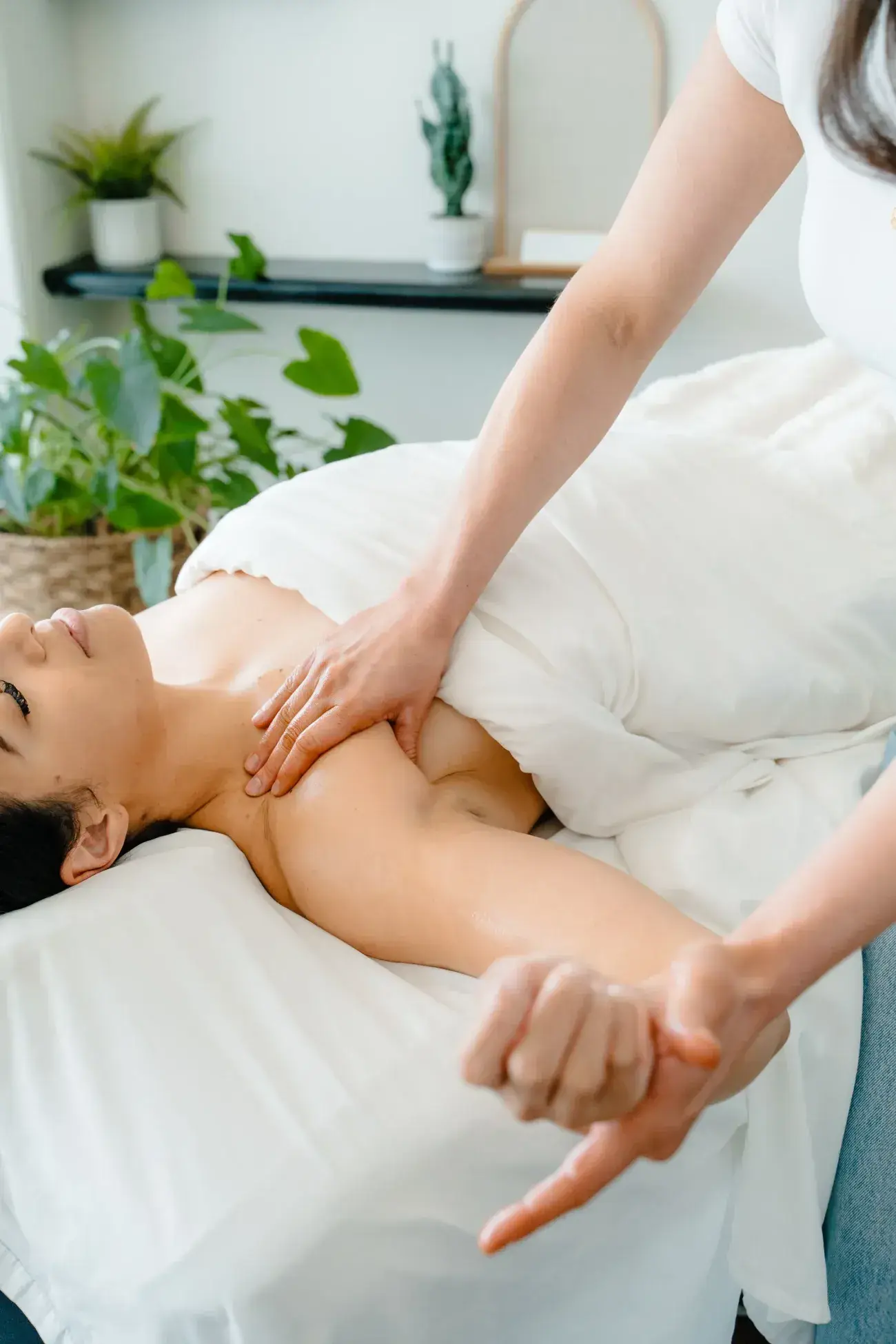
What you can expect from a session is this. The strokes are light and directed from the ankle toward the lymph nodes in the groin, moving fluid out of the tissue so that the leg feels lighter and looks slimmer when you stand up. Because the pressure is a skin stretch rather than a squeeze, it is comfortable on legs that dislike being pressed. The relief is real, and for many people with heavy evenings it is worth having.
What you should not expect is anything to happen to the veins. The Cleveland Clinic states that treatment cannot reverse the damage to vein valves, and that chronic venous insufficiency is a progressive condition managed rather than undone. Drainage empties the tissue; the next day, the same valves let the same blood pool, and the same overflow begins. A session is maintenance, not repair.
Compression is the treatment; everything else is support
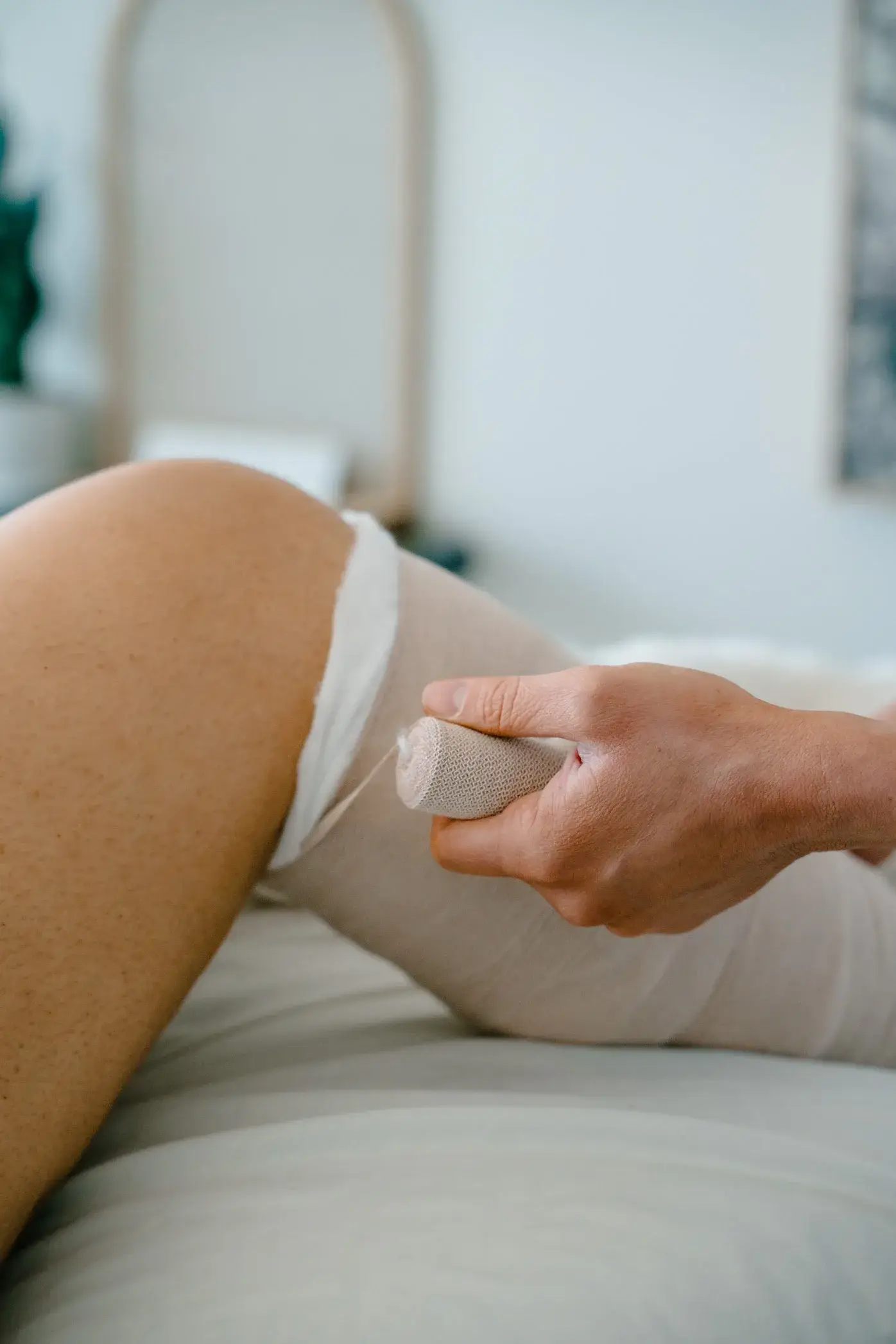
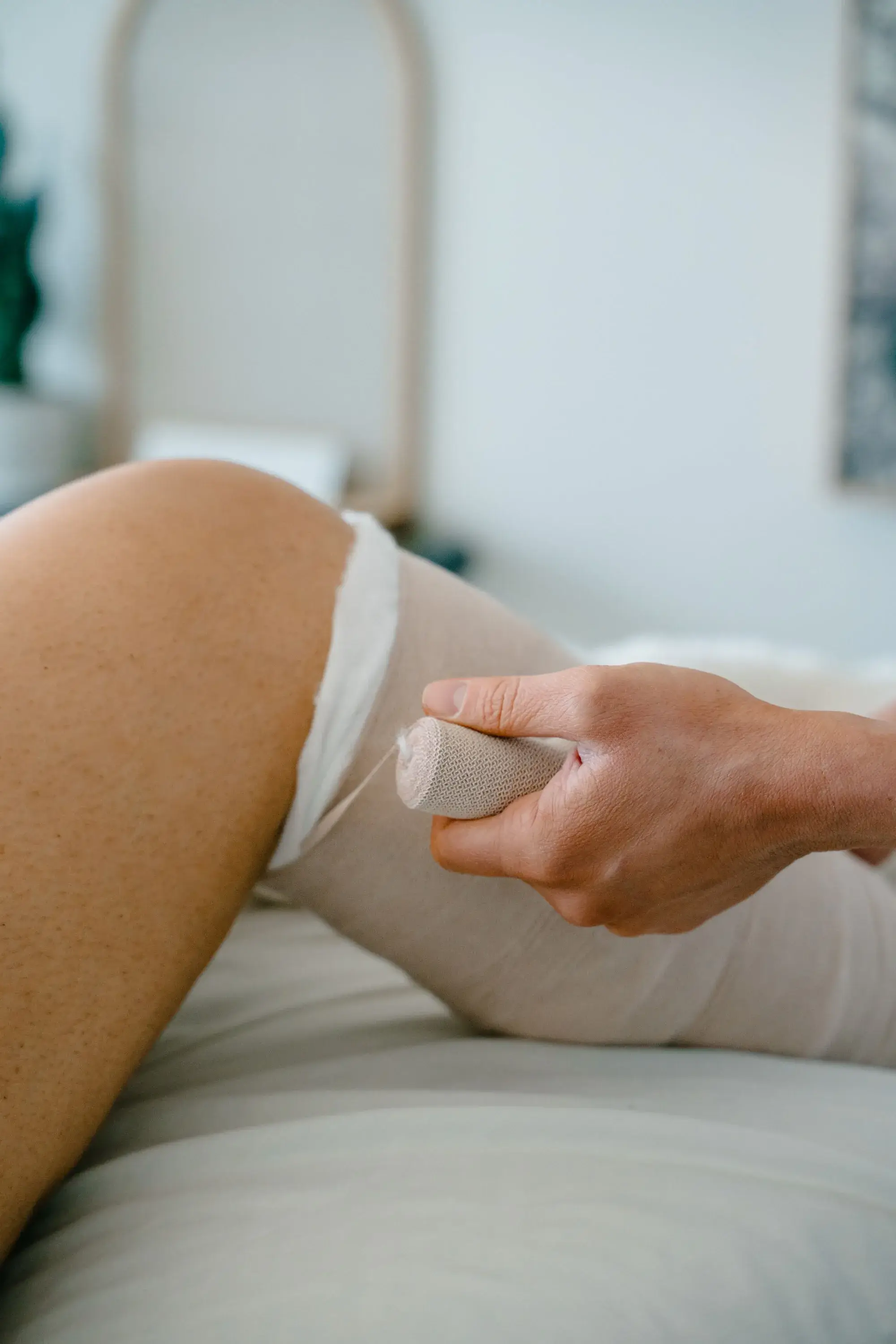
Every source we read puts compression first. The Cleveland Clinic calls compression therapy “very important to help your veins work better and ease your symptoms” and names stockings as one of the best ways to manage venous insufficiency, with graduated stockings tighter at the ankle than higher up. The NHS lists compression stockings among the treatments for varicose veins, to be worn during the day and removed at bedtime, and notes they are not suitable for people with arterial problems, which a specialist can check. Both say the pressure grade should be chosen with a health professional, not guessed.
Around the stocking, the self-care is consistent:
- Elevate. The Cleveland Clinic suggests lifting the legs above heart level for 30 minutes or longer at least three times a day; the NHS says lie down with your legs on cushions when you can.
- Walk. Each step squeezes the calf muscle, which the Cleveland Clinic calls the “second heart” for the leg veins. Walking and foot-and-ankle flexing are its first recommendations.
- Break up standing and sitting. The NHS advises against standing for long periods or sitting for long periods unless your feet are raised; on long drives or flights the Cleveland Clinic suggests flexing and extending the feet and ankles about ten times every 30 minutes.
- Look after the skin. Dry, itchy skin over varicose veins is common, and the NHS recommends moisturiser and care not to injure the legs, because the skin is easily broken and slow to heal.
- Weight and smoking. Both the NHS and Cleveland Clinic list extra weight and tobacco as things that worsen vein disease.
Our blog has a Certified Lymphedema Therapist’s five ways to decrease leg swelling, and the Learning Centre’s compression garments page explains grades, fit and why swelling returns the moment a garment comes off. If a stocking seems to make your leg worse, our answer on why swelling comes back when you take compression off is the place to start.
When lymphatic drainage is unsafe for a varicose leg
Varicose veins have complications, and two of them close the door on a session until a doctor has looked.
Phlebitis. The NHS describes inflammation of a surface vein as common in people with varicose veins: pain, tenderness or swelling over the vein, warm and itchy skin, and skin that may be red, thick and hard. It asks for an urgent GP appointment or a call to its 111 service for throbbing or cramping pain, sudden swelling, warm skin around a painful area, red or darkened skin, or swollen veins that are hard or sore to touch, “in case it’s something more serious like deep vein thrombosis”. We do not work on a leg in that state.
A clot. The NHS lists deep vein thrombosis among the complications of varicose veins and varicose veins among the risk factors for DVT. The Cleveland Clinic lists blood clots and deep vein thrombosis, together with cellulitis, infection and fever, among the conditions in which lymphatic massage should be avoided. A single swollen, warm or discoloured calf is an ultrasound, not an appointment.
A third situation is an open venous ulcer. The Cleveland Clinic warns that venous stasis ulcers do not heal easily and can become infected, and the NHS asks you to see a GP for any leg sore that has not healed after two weeks. Ulcer care belongs to a wound clinic, and we would only work on the limb with that team’s agreement.
How to book this at Renu
For heavy, swollen evenings with varicose veins and no complications, a classic lymphatic drainage massage of 30, 45 or 60 minutes is the right starting point, worn into your routine alongside the stockings your doctor has recommended, not instead of them. If your legs have moved into the territory of long-standing swelling, skin that has darkened or thickened, or a diagnosis of phlebolymphedema, the better fit is complete decongestive therapy with Meeghan Mackenzie, our Certified Lymphedema Therapist and Certified Compression Fitter, where compression fitting (30 minutes, $25) is part of the plan rather than an afterthought.
Please tell us at intake whether you have had a clot, a vein procedure or phlebitis, and whether a specialist has assessed your arteries, because all three change what we do.
When to see a doctor
From the NHS and Cleveland Clinic guidance on varicose veins and venous disease, see a GP if your veins are causing pain, itching or swelling, if they are getting worse, or if you have a sore on the leg that has not healed after two weeks. Seek urgent care the same day if:
- a vein becomes suddenly painful, hard, hot or red;
- one calf or leg swells, throbs or changes colour;
- a varicose vein is bleeding (emergency services if heavily);
- the skin around a vein is red and hot and you feel feverish or shivery.
Call emergency services for leg swelling with breathlessness, chest pain, coughing up blood or feeling faint, which the NHS warns can mean a clot in the lungs.
Questions people ask
Can a therapist massage directly over varicose veins?
Lymphatic drainage does not press into tissue, which is one reason it suits legs with vein disease: the strokes stretch skin lightly toward the groin nodes rather than kneading the calf. We still avoid working over veins that are tender, hard or inflamed, because the NHS describes those as signs of phlebitis that need an urgent check in case a deeper clot is present.
Will lymphatic drainage make my varicose veins go away?
No. Varicose veins come from valves that no longer close, and the Cleveland Clinic states that treatment cannot reverse the damage to vein valves; closing or removing the vein is what procedures do. Drainage addresses the fluid in the tissue, not the vein wall. If the veins themselves bother you, ask your doctor about a referral for a duplex ultrasound and a specialist opinion.
Why do my legs swell more in the evening with varicose veins?
Because gravity works against failed valves all day. The NHS notes that varicose vein symptoms, including swollen ankles, are often worse after standing for a long time and better when you rest with your legs up, and the Cleveland Clinic describes venous swelling as worst after standing a while or at the end of the day. Overnight, lying flat, the pressure drops and the fluid drains.
Is compression or massage more important?
Compression, without hesitation. The Cleveland Clinic calls compression therapy very important for making the veins work better and one of the best ways to manage venous insufficiency, and the NHS lists compression stockings among the treatments for varicose veins, worn in the day and removed at bedtime. A lymphatic session is the pleasant extra; the stocking is the treatment.
When should I not book a lymphatic session for my veins?
When a vein has become suddenly painful, hard, hot or red, when one calf is swollen or throbbing, or when a leg ulcer is open and infected. The NHS asks for an urgent appointment for the first two because they can mean phlebitis or deep vein thrombosis, and the Cleveland Clinic lists blood clots, deep vein thrombosis and cellulitis among the reasons to avoid lymphatic massage.
Sources
- Cleveland Clinic: Lymphatic drainage massage
- Cleveland Clinic: Chronic venous insufficiency (CVI)
- Cleveland Clinic: Varicose veins
- NHS: Varicose veins
- NHS: Phlebitis (superficial thrombophlebitis)
- NHS: Swollen ankles, feet and legs (oedema)
- Lymphoedema Support Network: What is lymphoedema?
- Journal of Vascular Surgery: Venous and Lymphatic Disorders (PMC): Congestive lower extremity failure: an educational model for improved understanding of phlebolymphedema
Page reviewed October 4, 2026. This page is education, not a diagnosis. For your own situation, talk to your doctor, surgeon or care team, or ask us.
Keep reading
Related pages