

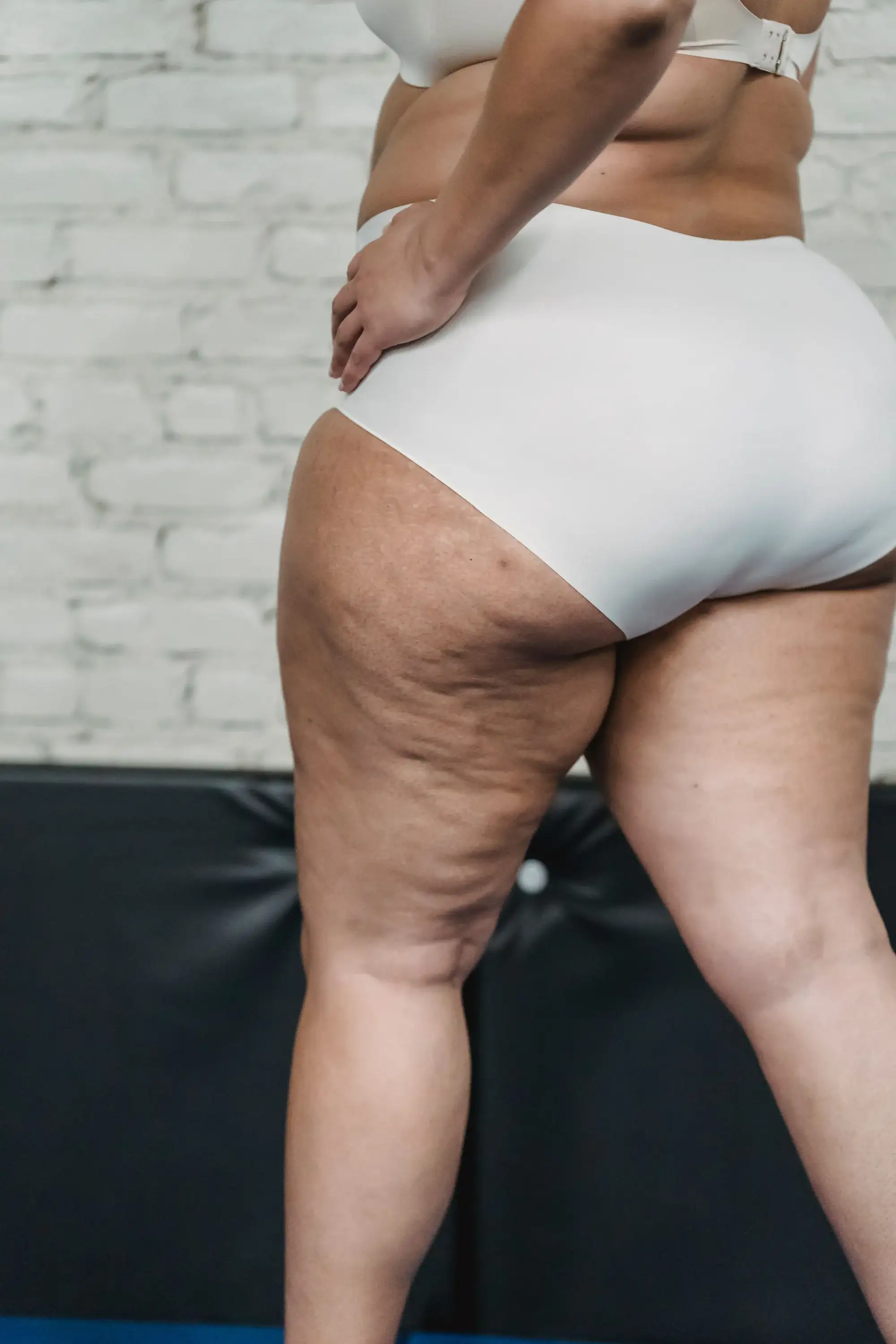
Liposuction vs conservative treatment for lipedema
Liposuction vs conservative treatment for lipedema: compression, MLD and exercise ease symptoms; lymph-sparing surgery removes tissue. Most people need both.
By The Renu lymphatic and massage team · 5 min read
Conservative treatment for lipedema, meaning compression, manual lymphatic drainage, exercise and nutrition, eases pain, heaviness and swelling but does not remove lipedema tissue. Lymph-sparing liposuction is the only treatment that removes it, and guidelines advise it after you have tried conservative care, when symptoms still limit you, with a surgeon experienced in lipedema. It is not a replacement for conservative care: compression and lymphatic therapy are needed after surgery too, and in Alberta you should confirm coverage before planning, because the provincial plan excludes non-medically required surgery.
If you have lipedema, you have probably met two camps online: people who say surgery changed their life, and people who manage well with compression, movement and lymphatic care. Both can be true. The guidelines do not treat these as rival paths; they treat conservative care as the foundation and surgery as a step some people add.
What each approach can do
Conservative care manages symptoms; surgery removes tissue. That is the core difference.
| Conservative treatment | Lipedema liposuction | |
|---|---|---|
| What it involves | Compression garments, manual lymphatic drainage, exercise, nutrition, self-care | Lymph-sparing liposuction (tumescent, water-jet or power-assisted), sometimes excision |
| What it does | Eases pain, heaviness and swelling; supports mobility | Removes lipedema tissue, including nodules and fibrotic tissue |
| What it does not do | Remove lipedema fat | Replace compression and aftercare |
| Risks | Garments need a good fit and daily skin care | Surgical risks, including lymphatic injury and blood clots |
| Ongoing commitment | Daily garments and movement, regular therapy | Surgery, often several procedures, then compression and therapy |
| Cost in Alberta | Therapy is not covered by AHCIP; check your benefits | Check first; AHCIP excludes non-medically required surgery |
The NHS is plain that there is currently no treatment that makes lipoedema go away, but that there are things that can help and stop it getting worse. Its list is healthy eating, more exercise and a healthy weight, compression stockings or bandages, skin care, and counselling or cognitive behavioural therapy for the emotional side.
What conservative treatment looks like
Conservative care is several tools used together, adjusted to your stage. The 2021 US standard of care describes standard conservative therapy as including nutritional guidance, compression garments, pneumatic compression pumps, self-massage, a home exercise plan, adequate sleep and psychosocial support.
- Compression. The guideline matches strength to stage: a micro-massage garment (10 to 20 mmHg) as needed in stage 1, and micro-massage or compression class I or II as tolerated in stages 2 and 3 when pain, swelling or heaviness are present. Fabrics range from lightweight micro-massage to flat knit, which gives the strongest containment. Our page on compression garments for lipedema explains the options.
- Manual lymphatic drainage. Part of an individualised program alongside compression and exercise. See does lymphatic drainage help lipedema.
- Exercise. The guideline suggests swimming and aquatics, elliptical machines, yoga, stationary bikes, whole body vibration and walking, started slowly and kept at a level you can sustain.
- Nutrition and support. Lipedema tissue is hard to reduce by diet, but nutrition matters for overall health and for any coexisting obesity.
The Lipedema World Alliance Delphi consensus, published in 2026, agreed (93.4% of experts) that conservative management should include lifestyle and nutritional optimisation, compression and exercise.
What surgery offers, and what it asks of you
Liposuction is the only technique that removes lipedema tissue, and the guidelines set conditions around it. The US standard of care calls lipedema reduction surgery the only available technique for removing abnormal lipedema tissue and the only treatment that slows progression. It lists these points among others:
- Candidates should show adherence to, or failure of, conservative therapy first
- Surgery should be done by surgeons experienced in lipedema, with expert knowledge of lymphatic anatomy
- Blunt cannulas no larger than 2 to 4 mm, using a longitudinal technique, to avoid damaging lymphatic vessels
- Debulking may require multiple surgeries with proper intervals
- People with lipedema, especially at higher stages, are at increased risk of blood clots after surgery
- Surgery may cause long-term complications, including lymphatic injury, and may be less effective in advanced stages
The Lipedema World Alliance consensus agreed that lymph vessel-sparing reduction surgery should be considered when it may improve lipedema symptoms, but its authors also note a lack of randomised controlled trials and long-term follow-up comparing surgery with no treatment or other approaches.
Afterwards, the conservative tools come back. The guideline recommends a compression garment for at least two to three months after surgery in early-stage lipedema, and possibly for life in advanced lipedema or lipolymphedema. It recommends post-surgical care by a certified lymphedema therapist two to three times a week, as soon after surgery as possible, until swelling subsides. Our page on lymphatic drainage after lipedema liposuction covers that recovery.
The cost question in Alberta
Check coverage before you plan surgery. The Alberta Health Care Insurance Plan does not cover non-medically required surgery such as cosmetic procedures, and it does not cover services from providers other than physicians, such as massage therapists. Whether a particular lipedema operation counts as medically required is a question for your physician and surgeon, so ask in writing before you commit. The NHS likewise notes that liposuction for lipoedema may not be available on the NHS. Compression garments and massage therapy may be covered by an extended health plan; check your own.
When to see your doctor
Start with your family doctor if you think you have lipedema, so other causes of leg swelling are ruled out. Our page on lipedema vs lymphedema vs obesity explains how they differ. The NHS advises seeing a GP if you have swollen legs, ankles or feet that have not improved after a few days, and getting urgent help if a leg becomes swollen, red, hot and painful and you have flu-like symptoms. Because the US guideline notes a higher risk of blood clots after lipedema surgery, report leg pain, new swelling or shortness of breath to your surgeon straight away.
How Renu can help on either path
Our founder, Meeghan Mackenzie, RMT, is a Certified Lymphedema Therapist and Certified Compression Fitter who treats lipedema. That means the same clinician can support conservative care now and recovery after surgery, if you choose it.
- Lipedema management: 30 minutes ($105) or full body, 60 minutes ($140)
- Compression fitting: 30 minutes ($25)
Sessions are part of our complete decongestive therapy service and are booked through Jane. A practical way to start is to build and document a conservative routine of garments, drainage and movement for several months. If pain or mobility limits remain, you will arrive at a surgical consultation with a clear record of what you tried, and a team ready to support the recovery. Lipedema is a long-term condition, as our lipedema overview explains, and either path goes better with steady care around it.
Questions people ask
Do I have to try conservative treatment before lipedema surgery?
The US standard of care lists demonstrated adherence to, or failure of, conservative therapy as an indication for surgery, and many surgeons follow that. Keeping notes on what you tried, for how long and how your symptoms changed will help any surgical consultation.
Will I still need compression after liposuction for lipedema?
Yes. The US guideline recommends compression for at least two to three months after surgery in early-stage lipedema, and says people with advanced lipedema or lipolymphedema may need garments for life. Surgery may reduce how much decongestive therapy you need afterwards, but rarely ends it overnight.
Does losing weight change the decision?
Lipedema tissue is difficult to reduce by diet and exercise, but obesity alongside lipedema matters. The Lipedema World Alliance consensus advises prioritising treatment of obesity and metabolic disease before considering reduction surgery, when both are present.
How many operations does lipedema liposuction take?
Often more than one. The NHS notes you may need more than one operation, and the US guideline says debulking may require multiple surgeries with proper intervals between them. Your surgeon will plan the number with you.
Sources
Page reviewed October 5, 2026. This page is education, not a diagnosis. For your own situation, talk to your doctor, surgeon or care team, or ask us.

