
Hormones and your lymphatic system: how they work together
Hormones and your lymphatic system work together: lymph keeps the fluid between cells moving, so cycles, pregnancy and menopause can show up as swelling.
By The Renu lymphatic and massage team · Reviewed by Meeghan Mackenzie, RMT, CLT · 4 min read
Your hormones and your lymphatic system are closer partners than most people realise. Hormones travel through the same fluid that bathes your cells, and your lymphatic system is what keeps that fluid moving and clear. When lymph flows well, your body's messages get where they need to go. When it slows, many people feel it: bloating before their period, puffiness through pregnancy, heavy legs in perimenopause. Hormones come up in our treatment room almost every day, so here's how the two systems connect.
How hormones travel
Hormones are your body’s messengers. They’re released into the bloodstream, but to reach your cells they have to leave the blood vessels and pass through the fluid-filled space between cells, sometimes called the extracellular matrix. That same space is where lymph begins: your lymphatic system collects the extra fluid, proteins and waste from it and carries them home.
In the education we receive, hormones are among the many things lymph carries, alongside proteins, fats, immune cells and cellular waste. Lymph is part of the round trip your hormones make every day.
When lymph slows, messages get muddled
Naturopathic doctor Dr. Sonya Jensen describes it this way: hormones, nutrients and waste all have to move through that space between cells. When lymphatic flow is sluggish, they don’t move as freely, which can change the messages reaching your cells and leave waste sitting in the tissue. She also notes that the relationship runs both ways: hormonal imbalance can itself slow lymph flow.
We see this connection constantly. Clients often notice their swelling, puffiness and heaviness rise and fall with their hormones.
Hormones and fluid through life’s stages
| Life stage | What many clients notice | How lymphatic work can help |
|---|---|---|
| Monthly cycle | Bloating, puffiness and tender, heavy legs in the days before a period | Moves retained fluid and eases that full, tight feeling |
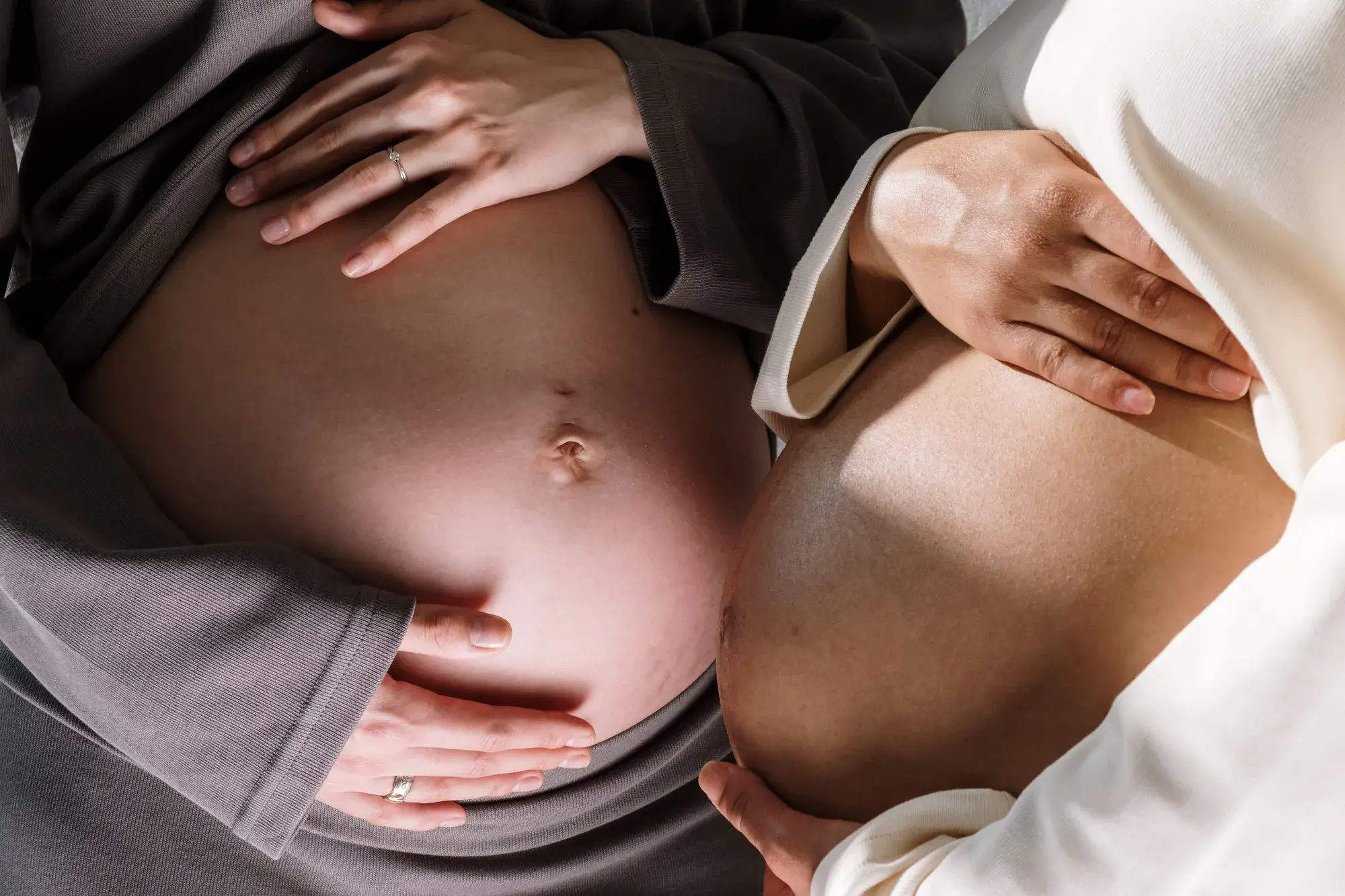
| Pregnancy | Swollen ankles and feet, heavy legs, puffy hands | Gentle, adapted drainage with careful positioning; see our prenatal guide |
| After baby | Lingering swelling, especially after a caesarean | Supports fluid clearance and scar comfort, with your care provider’s okay |
| Perimenopause and menopause | New puffiness, bloating, heavier legs, changes in where the body holds fluid | Lighter legs, less puffiness and a calmer nervous system |
| Lipedema | Painful fat on the legs or arms that often begins or worsens at puberty, pregnancy or menopause | Part of conservative care alongside compression; see our lipedema guide |
Stress hormones count too
Cortisol and adrenaline, your stress hormones, keep the body on high alert. Lymphatic drainage does the opposite. The Chikly Method describes its effect on the parasympathetic nervous system, your “rest and digest” mode, and studies highlighted by UCLA Health show it can slow the heart rate and ease stress. UCLA also points to research suggesting lymphatic drainage may influence insulin and leptin, hormones involved in appetite and blood sugar. It’s an area we’ll be watching closely as the science grows.
Everyday ways to support both systems
- Move every day. Lymph has no pump, so walking, yoga, Pilates and strength work all keep it flowing.
- Breathe deeply. Slow belly breaths draw lymph up through the large vessels in your trunk.
- Try dry brushing. Start with gentle pressure behind the collarbones followed by gentle stimulation of the lymph nodes at the armpits, belly, groin and behind the knees and ankles. Then start in the upper right or left quadrant and brush in the direction of the node group starting closest to the nodes.
- Sleep and hydrate. Lymph is about 96% water, and your body does much of its repair while you rest.
- Work with your care team. If you suspect a hormone imbalance, a doctor or naturopathic doctor can test and guide treatment. Lymphatic work is a lovely partner to that care, not a replacement for it.
From Renu’s treatment room
Hormones come up in our treatment room all the time. A client might book because her rings are tight and her belly is bloated before her period, or because her legs have felt heavier since perimenopause began. Over the years, so many of them have told us they feel lighter, calmer and more like themselves after regular sessions. We’ve learned to listen when the body speaks, and hormones are often part of the conversation.
Noticing that your swelling or bloating follows your hormones? Call us at 403-270-2111 and tell us what you’re experiencing. We’ll help you choose the right session, or book online. Classic lymphatic drainage massage is 30 minutes ($95), 45 minutes ($105) or 60 minutes ($130).
Education, not a diagnosis. Hormone symptoms can have many causes; please see your doctor or naturopathic doctor for assessment. If you’re pregnant, let us know when booking so we can adapt your session.
Questions people ask
Can lymphatic drainage balance my hormones?
Lymphatic drainage isn't a hormone treatment. What it can do is ease the fluid, puffiness and heaviness that often travel with hormonal shifts, and help your nervous system settle. If you suspect a hormone imbalance, a doctor or naturopathic doctor can test and guide treatment, and lymphatic work sits alongside that care.
Is lymphatic drainage safe when I'm pregnant?
Gentle, adapted drainage with careful positioning is a common part of prenatal care; let us know you're pregnant when you book. The NHS says some swelling is normal in pregnancy, but sudden swelling of the face, hands or feet, a very bad headache or vision problems can be signs of pre-eclampsia and need your midwife or doctor straight away.
When in my cycle should I book?
If your bloating follows your cycle, many people choose a session in the days before their period, when that full, tight feeling tends to peak. Tracking your symptoms for a month or two helps you see your own pattern.
Which session should I book for hormonal swelling?
For cycle-related or perimenopausal puffiness, a classic lymphatic drainage massage of 30, 45 or 60 minutes is the usual choice. If you're pregnant, book a prenatal session; if you have or suspect lipedema, ask about lipedema management with our Certified Lymphedema Therapist.
Sources
- Cleveland Clinic: Lymphatic system
- UCLA Health (2026): Lymphatic drainage massage, separating fact from fiction
- Dr. Sonya Jensen, ND: The relationship between hormones and the lymphatic system
- NHS: Premenstrual syndrome (PMS)
- NHS: Swollen ankles, feet and fingers in pregnancy
- Cleveland Clinic: Lipedema
- Herbst et al., Phlebology (2021): Standard of care for lipedema in the United States
Page reviewed October 19, 2026. This page is education, not a diagnosis. For your own situation, talk to your doctor, surgeon or care team, or ask us.
Keep reading
Related pages