
Your first lipedema treatment in Calgary: what to expect
Your first lipedema treatment in Calgary: gentle drainage adapted to tender tissue, how it fits with compression and exercise, and what it can change.
By The Renu lymphatic and massage team · 6 min read
Your first lipedema treatment is a gentle, hands-on session adapted to tissue that is often tender and bruises easily, with manual lymphatic drainage as one part of a wider plan that includes compression and regular movement. It can ease pain, heaviness and fluid in the tissue, but it does not remove lipedema fat; current guidance treats the condition as long-term and aims at comfort and slowing progression. Expect questions about where it hurts most, what garments you wear and any surgery you are considering.
What a first lipedema session is like
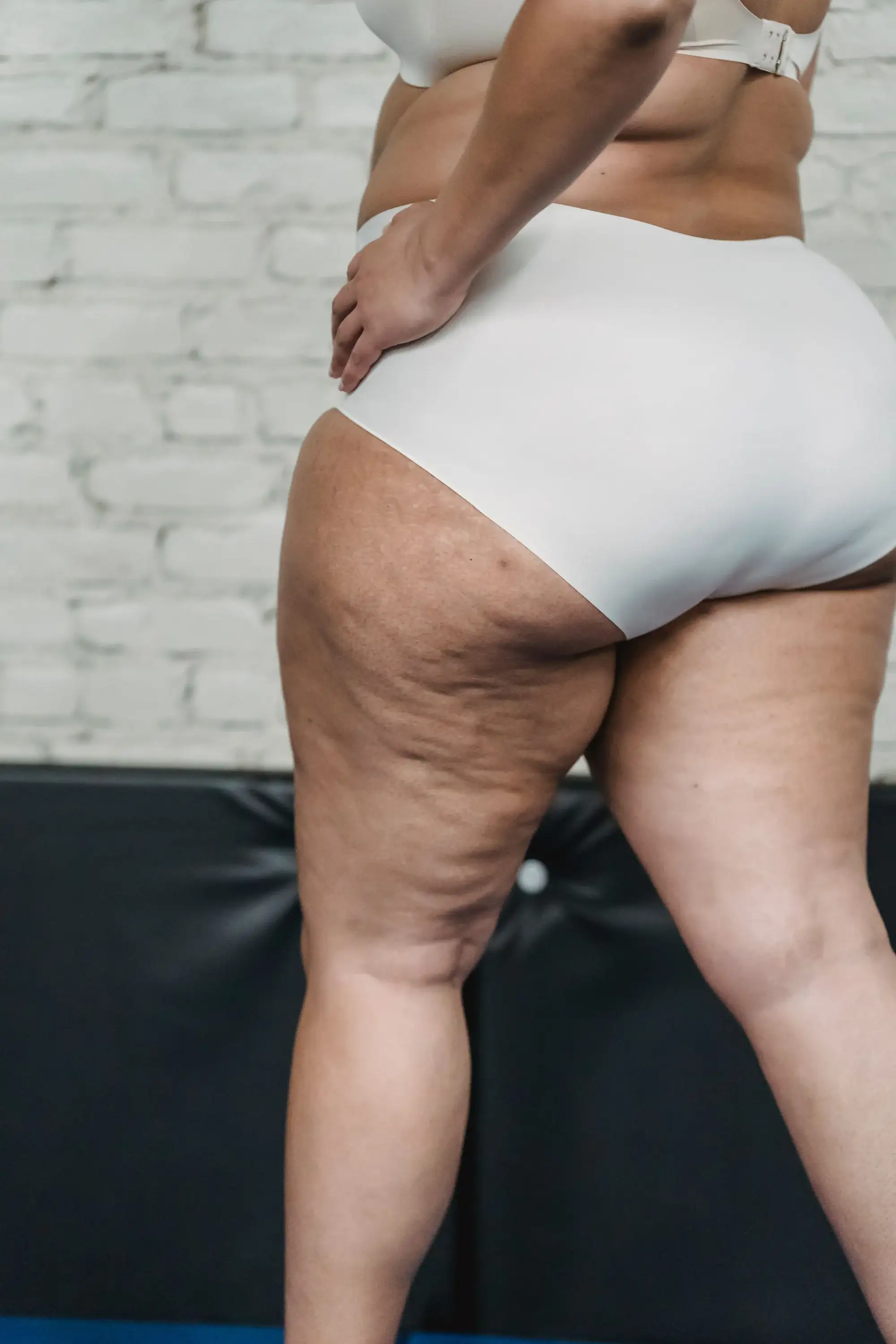
A first lipedema session is slower and gentler than most people expect, and it starts with a conversation about your body rather than a quick look at your legs. Lipedema tissue behaves differently from ordinary fat. The NHS describes it as an abnormal build-up of fat, usually in the legs and sometimes the arms, that can cause pain, tenderness and heaviness, and that bruises easily. The US standard of care, a consensus of lipedema experts published in Phlebology in 2021, also notes that people with lipedema are prone to easy bruising.
So the first visit is built around comfort. Expect your therapist to ask:
- Where the tissue hurts most, and whether it is tender to touch or aches on its own
- Where you bruise easily
- Whether your arms are affected as well as your legs
- What compression you wear now, and whether it helps or digs in
- How you move day to day, and what has become harder
- Whether surgery is being considered
Why the pressure is adapted to tender tissue
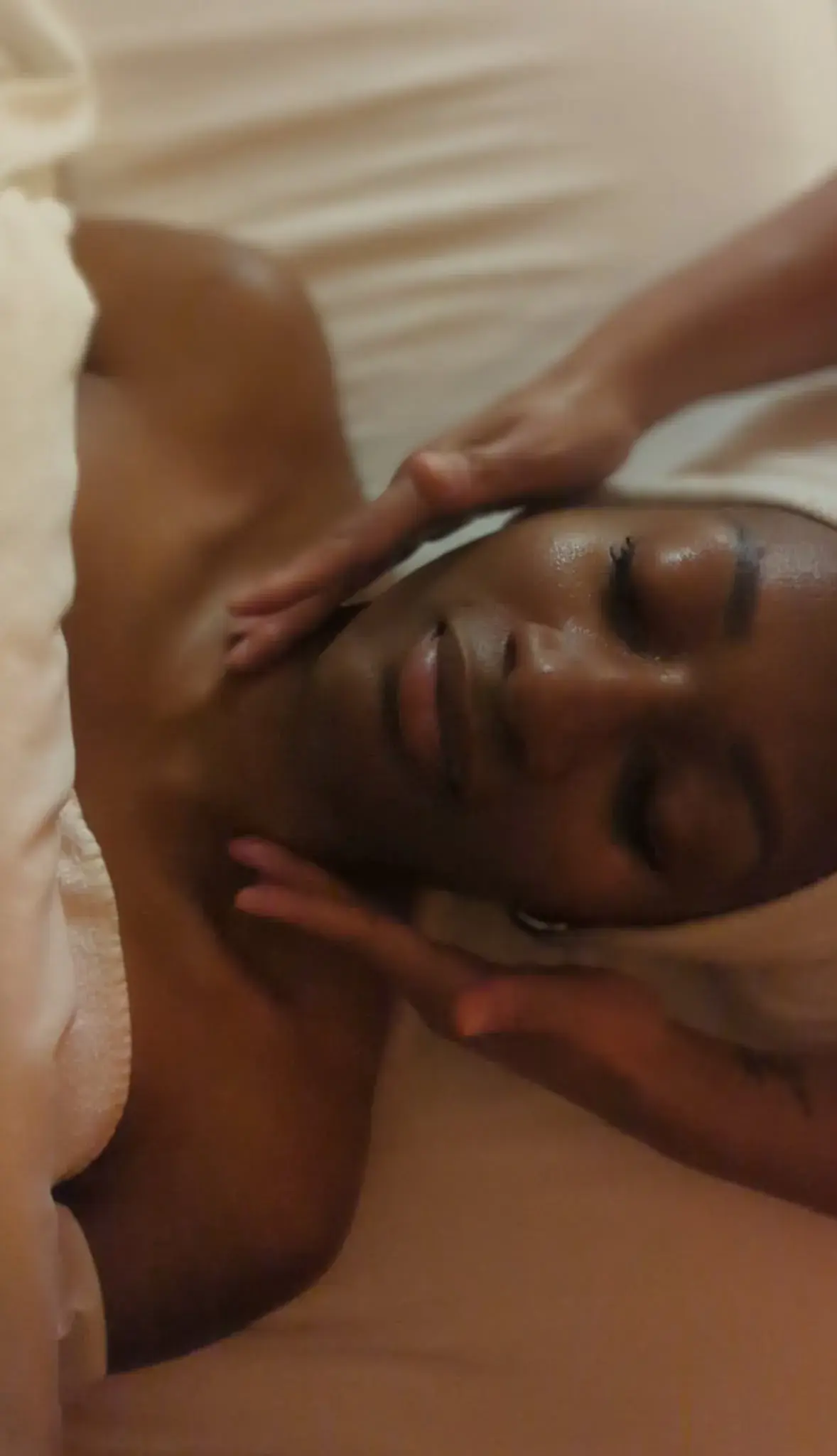
Pressure in lipedema care is set by your tolerance, not a standard depth. The National Lymphedema Network explains that manual lymph drainage is performed directly on the skin with pressure adapted to the tissue, firmer where it is fibrotic and lighter where it is soft. In lipedema, that often means very light work over painful areas and slightly firmer work where tissue feels lumpy or tight.
The US standard of care describes manual therapy for lipedema as including soft tissue mobilisation to reduce pain and restrictions, alongside manual lymphatic drainage as part of an individualised, comprehensive therapy program. It also notes that deeper mobilisation should consider patient tolerance and tissue integrity. What that means on the table: you can say “lighter” at any point. Some tenderness or a small bruise can still happen in sensitive tissue; if it does, tell your therapist so the pressure can be adjusted next time.
The University Hospital Zurich describes the drainage itself as gentle stroking of the skin along the lymph channels, with a calming and pain-relieving effect for many people.
30 minutes, 60 minutes or full body
At Renu, lipedema management is booked as a 30-minute session ($105) or a full-body 60-minute session ($140). The difference is how much ground is covered.
| Session | Price | Suits |
|---|---|---|
| Lipedema management, 30 min | $105 | One region, such as the lower legs, or a short regular top-up |
| Lipedema management, full body, 60 min | $140 | Legs, hips and buttocks, plus arms if affected |
| Compression fitting, 30 min | $25 | Measuring for a garment, booked separately |
If both your legs and arms are affected, or you want time to talk through compression and exercise on the first visit, the full-body session is the easier start.
Drainage is one part of the plan
Manual lymphatic drainage on its own is not the whole treatment, and every major source frames it that way. The US standard of care lists standard conservative therapy as nutritional guidance, manual therapy, compression garments, a pneumatic compression pump where suitable, and a home exercise plan. The Zurich lipedema clinic describes decongestion as a combination of manual lymphatic drainage, compression, exercise and skin care, and recommends drainage once or twice a week.
The other parts:
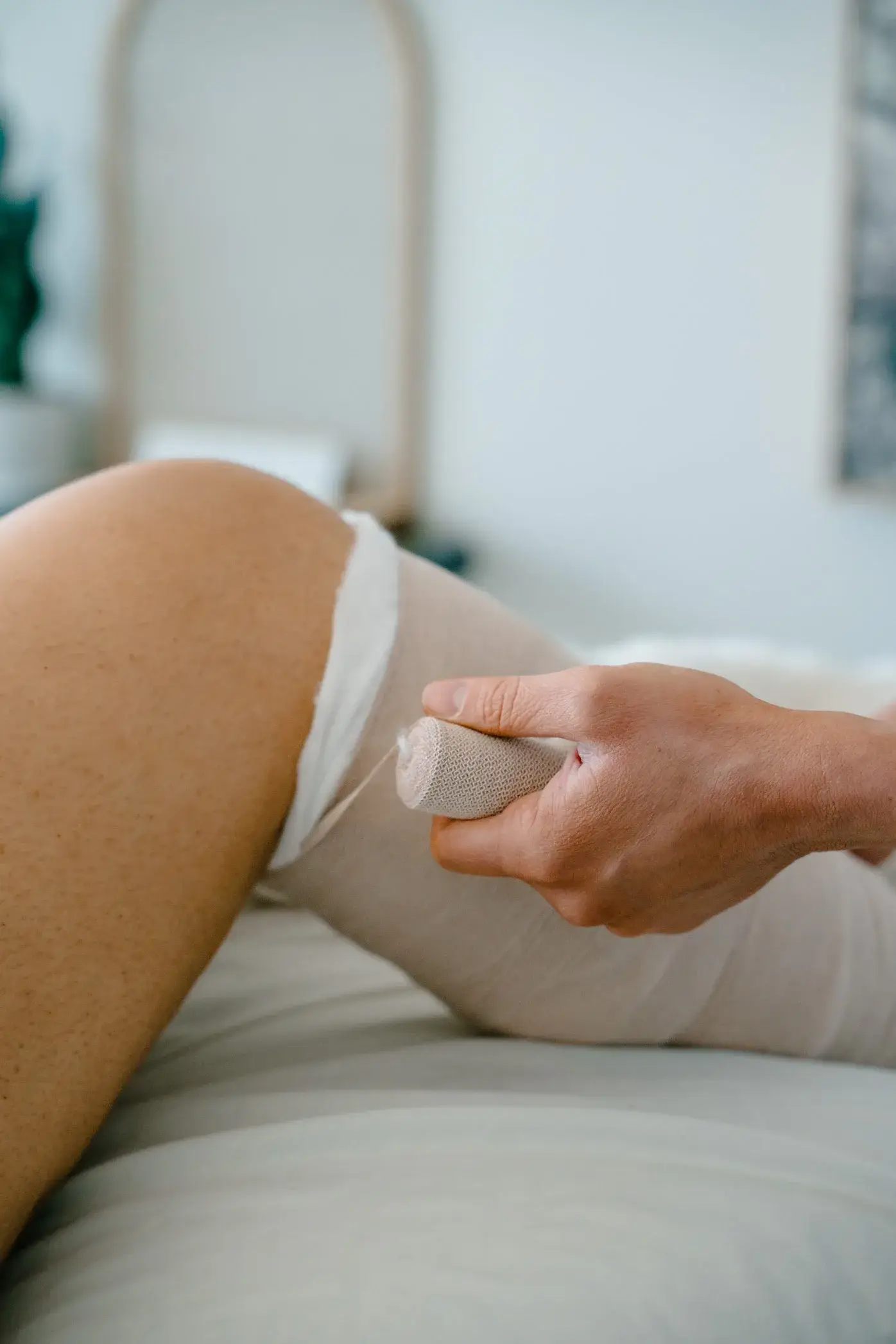
- Compression. The NHS says compression stockings or bandages can reduce pain and discomfort and make walking easier. The Zurich clinic notes most people need made-to-measure flat-knit stockings, with off-the-shelf circular knit only suitable for mild lipedema. Our page on compression garments for lipedema covers the choices.
- Movement. The Lipedema Foundation lists walking, aquatic exercise of any kind, Pilates, cycling and yoga. The Zurich clinic singles out water-based exercise because buoyancy eases the joints. Calgary’s leisure centre pools and the Bow River pathway make both easy to build into a week.
- Skin care. The NHS recommends regular moisturising to stop the skin drying out, which matters in a Calgary winter.
What it can and cannot change
Being clear about this up front saves disappointment. The NHS says there is currently no treatment that makes lipoedema go away, but that there are things that can help and stop it getting worse. Lipedema tissue is typically resistant to caloric restriction, according to the Lipedema Foundation, which also notes most diuretics do not help the swelling. The Zurich clinic warns diuretics have a boomerang effect and are not recommended.
| Realistic aims | Not realistic |
|---|---|
| Less pain, tenderness and heaviness | Removing lipedema fat |
| Less fluid in the tissue | Permanent change from a few sessions |
| Easier walking, especially with compression | Replacing compression or movement |
The US standard of care states that lipedema reduction surgery is currently the only technique that removes lipedema tissue. More on the evidence for drainage is on does lymphatic drainage help lipedema.
If surgery is planned
If you are heading toward lipedema surgery, tell us at the first visit and bring your surgeon’s plan. The US standard of care recommends conservative therapy before reduction surgery. It notes that people may travel for surgery and rely on a therapy team at home for care before and after, and says that in the weeks before surgery a certified lymphedema therapist can do a pre-surgical screening. It also recommends two sets of garments before surgery, and notes that people with lipedema, especially at higher stages, are at increased risk of blood clots after surgery. The Lipedema Foundation adds that post-op care often includes compression, manual lymphatic drainage and light walking.
When to see your doctor first
Some changes should be checked by a doctor before your next session. The NHS advises seeing a GP if your legs, ankles or feet are swollen and the swelling has not improved after a few days. It advises getting urgent help if a leg becomes swollen, red, hot and painful with flu-like symptoms, which can be cellulitis. Lipedema does not usually affect the feet, according to the NHS, so new swelling in the feet is also worth mentioning to your doctor.
Booking at Renu
Book a lipedema management session in Jane. The US standard of care recommends that people with lipedema be assessed by a therapist with certified lymphedema therapist training; Meeghan Mackenzie is our Certified Lymphedema Therapist and a Certified Compression Fitter, so she can also measure you for garments. We are in West Hillhurst on 19 Street NW, with free street parking. See our complete decongestive therapy page for how lipedema care fits with our other lymphatic services.
Questions people ask
Does lipedema treatment hurt?
It should not. Lipedema tissue is often tender and bruises easily, so pressure is adjusted to what you can tolerate, and you can ask for lighter work at any point. Tell your therapist about any area that bruised after a previous massage.
Can lymphatic drainage make my legs smaller?
It can reduce fluid in the tissue, so legs may feel lighter and look slightly less full for a while. It does not remove lipedema fat. The US standard of care describes reduction surgery as the only technique that removes lipedema tissue.
Do I need a diagnosis to book lipedema management?
No, but a diagnosis helps the plan. If you have not been assessed, our page on how lipedema is diagnosed explains what doctors look for, and the NHS recommends seeing a GP if swelling has not improved after a few days.
Will dieting help my lipedema legs?
The Lipedema Foundation says lipedema tissue is typically resistant to caloric restriction, and the NHS notes lipedema is not caused by being overweight. Keeping a healthy, stable weight still matters for overall health and mobility.
Sources
Page reviewed October 5, 2026. This page is education, not a diagnosis. For your own situation, talk to your doctor, surgeon or care team, or ask us.
Keep reading
Related pages