
Lipedema treatment cost in Calgary
Lipedema treatment cost in Calgary at Renu: $105 for 30 minutes, $140 for a 60-minute full-body session, $25 for a compression fitting. How to budget it.
By The Renu lymphatic and massage team · 6 min read
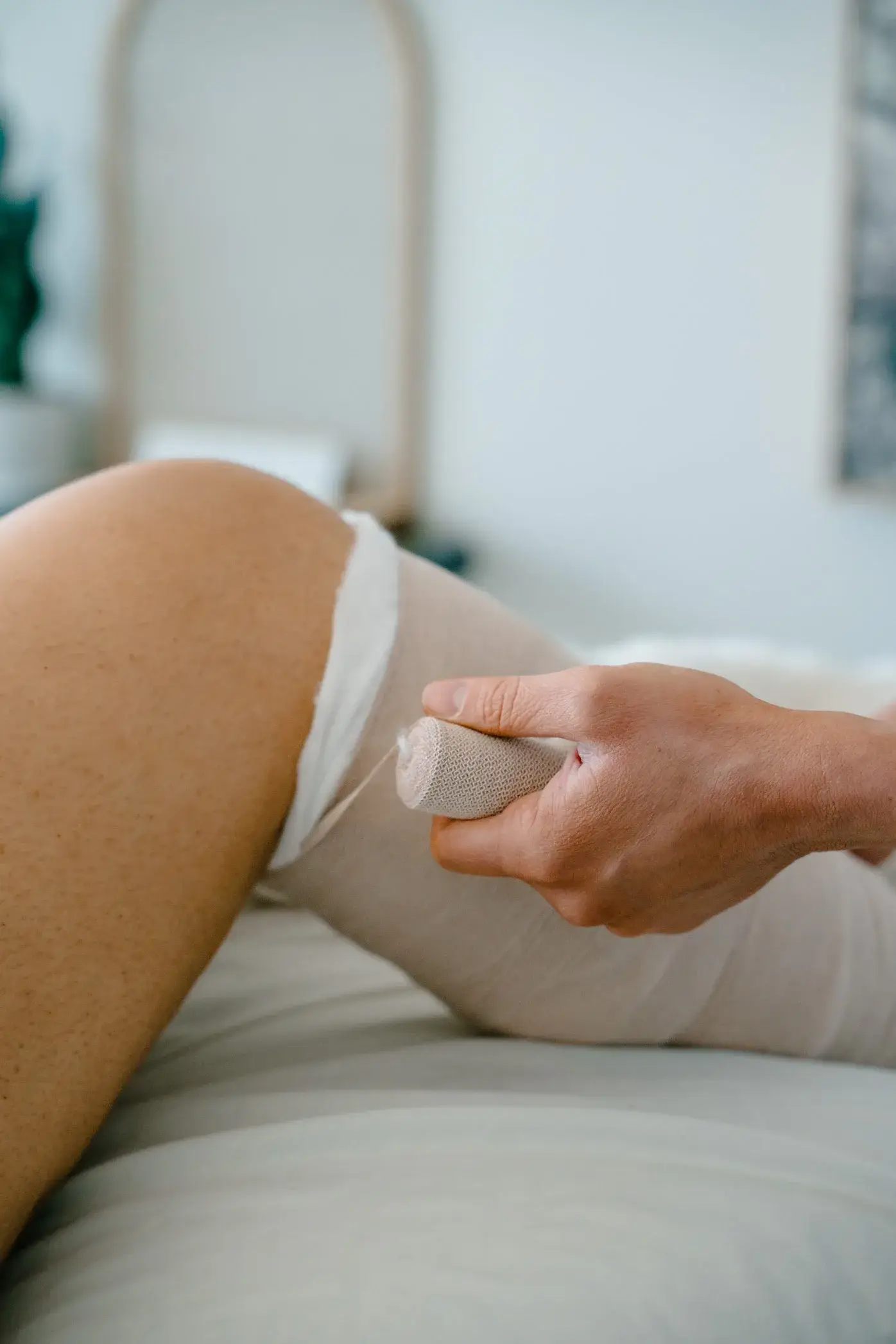
At Renu, lipedema management with our Certified Lymphedema Therapist costs $105 for 30 minutes or $140 for a 60-minute full-body session, and a 30-minute compression fitting is $25. A short course is easier to plan than an open-ended one: the study the Lipedema Foundation highlights used nine 60-minute sessions over six weeks, which at our full-body rate comes to $1,260. After that, most of the ongoing cost of conservative care sits at home, in garments and daily habits, rather than on the table.
Lipedema care has two kinds of cost: the sessions you book and the things you keep doing between them. The first is easy to put a number on. The second is where most of the long-term money and effort goes, and it helps to see both before you commit to anything.
What lipedema treatment costs at Renu
Lipedema management at Renu is priced by length, and the 60-minute session covers the full body. These are the published rates:
| Session | Length | Price | Per minute |
|---|---|---|---|
| Lipedema management | 30 min | $105 | $3.50 |
| Lipedema management, full body | 60 min | $140 | $2.33 |
| Compression fitting | 30 min | $25 |
Sessions are part of our complete decongestive therapy service and are with Meeghan Mackenzie, our founder, who is a Registered Massage Therapist, a Certified Lymphedema Therapist and a Certified Compression Fitter. You book through Jane, our online booking system, and the clinic is in West Hillhurst, open seven days a week.
Which length to pick comes down to how much tissue there is to work on and where you are in your care:
- 60 minutes, full body: a first appointment, when legs, hips and arms are all involved, or when you are starting a short block of treatment.
- 30 minutes: a reassessment once your home routine is settled, a focused session on one region, or a top-up during a flare.
- Compression fitting: a separate 30-minute appointment for measuring and choosing garments.
What a course of conservative care can look like
There is no fixed number of sessions for lipedema, but the research gives one useful reference point. The Lipedema Foundation describes a 2022 study of early-stage lipedema in which nine 60-minute therapy sessions over six weeks produced clinically significant improvements in pain and function. It also found lower sodium in the skin and fat, which the researchers read as less inflammation.
Using that study as a planning shape rather than a prescription, here is what the same number of visits would cost at our rates:
- nine full-body 60-minute sessions: $1,260
- nine 30-minute sessions: $945
- one compression fitting on top: $25
Many people land somewhere between the two, starting with longer visits and moving to shorter ones. We would rather plan a defined block, see how your pain, heaviness and mobility respond, and then decide together whether to continue, than book an open-ended series.
Where the rest of the money goes
The 2021 US standard of care for lipedema, written by a large expert panel and published in Phlebology, describes standard conservative therapy as a package: nutritional guidance, manual therapy, compression garments, a pneumatic compression pump where suitable, and a home exercise plan. Manual lymphatic drainage sits inside that as part of an individualized program, not as a stand-alone fix.
That has real budget consequences:
- Compression garments. The standard of care says garments for lipedema provide comfort and reduce pain by supporting the tissues. It also notes that a higher compression class does not equal better results, and that if pain increases with compression the class can be lowered or garments layered. So the right garment is not necessarily the most expensive one. Our guide to compression garments for lipedema explains the fabrics.
- Home care. The same paper calls home self-management essential to slowing progression, and lists daily skin care, compression, self-massage, healthy eating, a home exercise plan, sleep and social support. Most of that costs time rather than money.
- Movement. Swimming, cycling, walking and yoga are among the home exercise options it names, with the aim of something tolerable and sustainable for the long term.
The NHS puts the bigger picture plainly: there is currently no treatment that makes lipedema disappear, but there are things that help and stop it getting worse. Budget for management, not for a finish line.
Funding in Alberta: what to check before you start
Alberta’s public programs do not make lipedema care free, so check your own coverage first. Three things are worth a phone call:
- Extended health benefits. Ask whether your plan covers treatment from a Registered Massage Therapist, the per-visit and yearly limits, and whether compression garments are covered with a prescription.
- Alberta Aids to Daily Living (AADL). The compression manual sets eligibility around chronic venous disease at CEAP C4 or C5 and chronic lymphedema. Lipedema alone is not named. If your lipedema has a lymphedema component, raise it with an assessor; our page on AADL compression garment coverage walks through the rules.
- Health spending accounts. If your employer offers one, it may stretch further than a standard benefit; ask your plan administrator what it accepts.
The US standard of care names affordability of services among the real barriers to lipedema treatment. If cost is the thing standing between you and care, tell us. A smaller number of well-used sessions and a solid home routine is a legitimate plan.
Surgery is a separate, much larger decision
Lipedema reduction surgery is a different category of cost and risk, and it does not replace conservative care. The Lipedema Foundation reports results from the LIPLEG trial at 12 months: 68% of people who had liposuction achieved a meaningful reduction in leg pain, compared with 8% in the conservative therapy group. Adverse events were also higher with surgery, at 47% against 21%, and serious adverse events 7.5% against 3.4%. The NHS adds that more than one operation may be needed.
If you go down that road, therapy costs continue on the other side. The standard of care recommends post-surgical care by a Certified Lymphedema Therapist two to three times a week, starting as soon after surgery as possible and continuing until swelling subsides. It also recommends a postoperative garment for at least two to three months in early-stage lipedema. The Lipedema Foundation also notes that many insurers want to see a trial of conservative treatment before considering surgery. Our page on lymphatic drainage after lipedema liposuction covers that recovery in detail, and does lymphatic drainage help lipedema looks at the evidence for the hands-on part.
When to see your doctor before you book
Some symptoms need a medical assessment before any hands-on treatment. Cleveland Clinic lists blood clots, deep vein thrombosis, cellulitis, infection and fever among the reasons not to have lymphatic drainage, so please see your family doctor first if you notice:
- one leg suddenly more swollen, painful, warm or red than the other
- skin that is hot, red and spreading, or a fever
- a heart or kidney condition you have not mentioned to us, since both appear on the same list
- leg pain on walking that eases with rest, or cold, pale feet, because the standard of care says compression garments are not used with severe peripheral arterial disease
If you have not been diagnosed yet, your doctor can also rule out other causes of heavy, painful legs. Our page on how lipedema is diagnosed explains what that assessment usually involves.
Questions people ask
Should I book the 30-minute or the 60-minute lipedema session?
Book 60 minutes for a first visit or when both legs, the hips and perhaps the arms need attention, since there is assessment to do and a lot of tissue to cover. The 30-minute session suits a check-in once you know your routine, or a focused visit on one area. The price per minute is lower on the longer session ($2.33 against $3.50).
Will my health benefits pay for lipedema treatment?
It depends on your plan, so call your insurer before you start. Ask whether it covers treatment from a Registered Massage Therapist, whether there is a per-visit or yearly cap, and whether compression garments are covered with a prescription. Many plans treat garments and hands-on sessions as separate benefits.
Does AADL help pay for lipedema compression in Alberta?
Not on a lipedema diagnosis alone, as far as the program manual reads. AADL compression eligibility is written around chronic venous disease at CEAP C4 or C5 and chronic lymphedema, and lipedema is not named. If you have lipedema with a lymphedema component, ask a Certified Lymphedema Therapist or AADL assessor whether you qualify.
Is lipedema treatment something I will pay for forever?
The hands-on part usually does not need to be weekly forever. The US standard of care describes home care as essential to slowing progression, so the long-term costs tend to be garments, a home routine and the occasional session to reassess and adjust. How often you come back is your decision, made with your therapist.
Sources
Page reviewed October 5, 2026. This page is education, not a diagnosis. For your own situation, talk to your doctor, surgeon or care team, or ask us.
Keep reading
Related pages