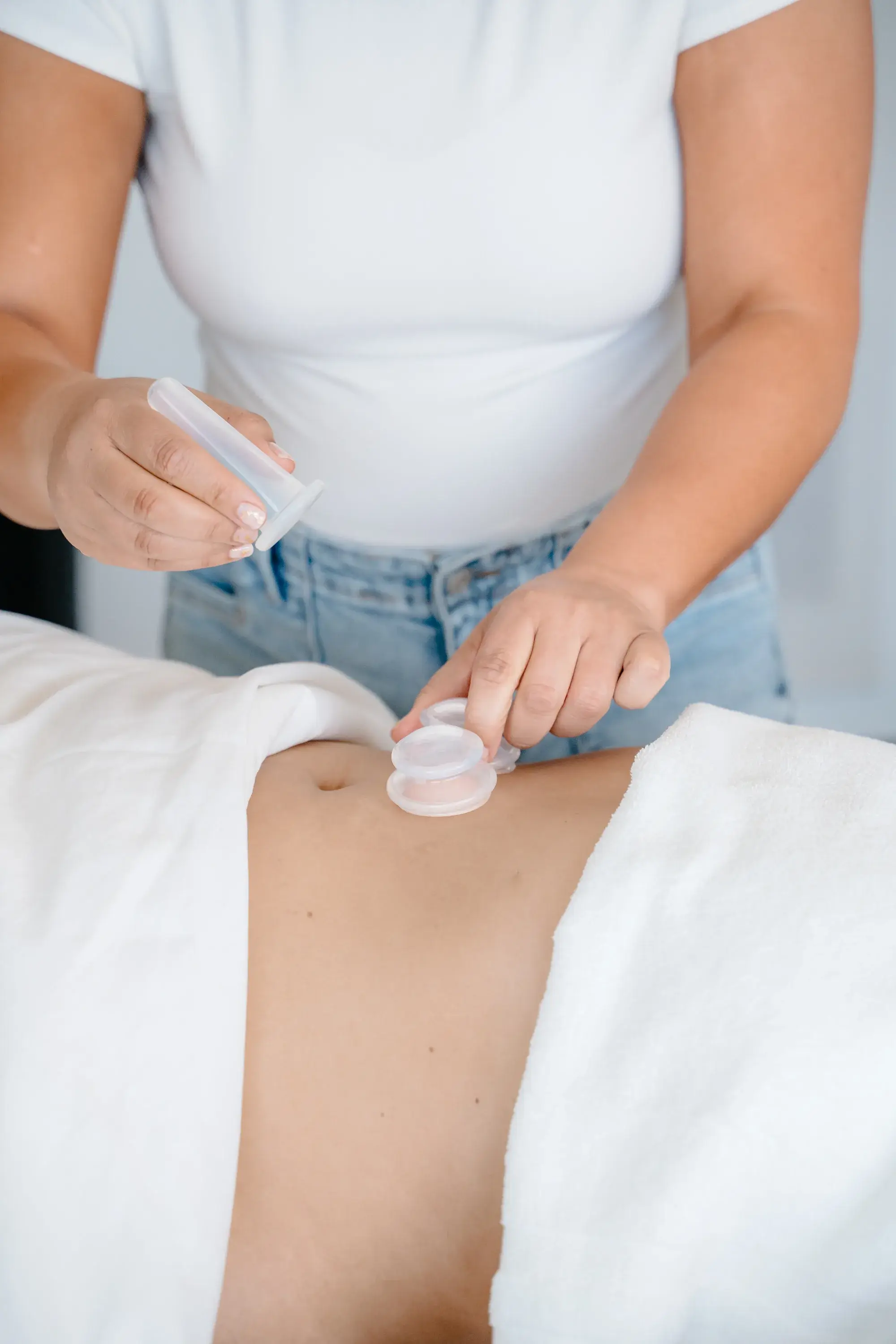


What to ask before booking post-op lymphatic drainage
What to ask before booking post-op lymphatic drainage: the therapist's training, how they follow your surgeon's plan, what they do if something looks wrong.
By The Renu lymphatic and massage team · 5 min read
Before booking post-op lymphatic drainage, ask about the therapist's specific lymphatic training, how they work with your surgeon's instructions, drains and garment, and what they do if they see signs of infection or a clot. Ask too what a session costs and how long it runs. Good clinics answer these plainly and in advance. The answers matter because not every massage therapist is trained in lymphatic techniques, and your first weeks after surgery are when skill matters most.
Booking post-op lymphatic drainage often happens in a rush, a week or two before surgery, with a long list of other things to arrange. A few good questions asked on the phone or by email can save you from a poor fit at a time when you have little energy to switch clinics. Here is the list we would want a friend to use, including the questions we expect to be asked ourselves.
1. What lymphatic training does the therapist have?
This is the first question because training varies widely. HelloPhysio’s post-liposuction guide puts it plainly: not all massage therapists are trained in the specialised techniques of manual lymphatic drainage. A general massage diploma does not by itself mean someone is trained in post-surgical lymphatic work.
What to listen for:
- A named course or method. Vodder, Földi, Chikly, Leduc or a Brazilian lymphatic method are all real training paths. “We just do it lightly” is not a training answer.
- Certified Lymphedema Therapist (CLT). The Canadian Lymphedema Framework says CLTs train for a minimum of 135 hours with a recognised school, and may be physiotherapists, occupational therapists, registered massage therapists, nurses or physicians. Its training standard also requires practitioners to hold unrestricted licensure or ability to practise in a related field.
- Listing with the Alberta Lymphedema Association. The association keeps a master list of CLTs in Alberta, asks for certification from an approved program, and follows the Canadian Lymphedema Framework’s training standards.
For routine cosmetic recovery, an RMT with specific post-surgical lymphatic training may be all you need. If you had lymph nodes removed, or already have lymphedema, ask for a CLT. Our glossary entry on the Certified Lymphedema Therapist explains the credential in more depth.
2. Have you worked with my procedure?
Liposuction of the flanks, a tummy tuck, a breast reduction, a facelift and a knee replacement each swell differently and drain toward different lymph node groups. Ask whether the therapist regularly sees your procedure and how sessions change with it. A good answer mentions the areas they would treat first, how they handle incisions, and any positioning limits.
3. How do you work with my surgeon’s instructions?
Your surgeon sets the rules; the therapist works inside them. Ask:
- Do you need written clearance or my post-op instructions before the first session?
- What happens if I still have drains? (See lymphatic drainage with drains in.)
- Will you take my garment off for the session and help me put it back on?
- How will you handle my incisions?
HelloPhysio describes qualified therapists coordinating treatment with compression garments and activity advice. AMTA advises therapists to inspect incisions and to refer the client to their doctor if redness or inflammation suggests infection. You want a therapist who expects to follow your surgeon, not one who offers to overrule them.
4. What do you do if something looks wrong?
This is the safety question, and the answer should be immediate and specific. A therapist trained in post-op care will stop and send you to your surgeon, or to urgent care, for signs such as:
- an incision that is red, warm, more painful or leaking cloudy fluid, or a fever;
- pain, warmth and swelling in one calf or thigh, which can mean a blood clot;
- shortness of breath or chest pain, which is an emergency.
If the answer is vague, or suggests massaging through these signs, keep looking.
5. How long are sessions, how often, and what will it cost?
Ask for prices in writing before you start, and ask how they decide on session length and frequency. Published schedules vary. The American Society of Plastic Surgeons notes that many surgeons start liposuction patients on lymphatic massage the day after surgery and continue several times a week for two months. HelloPhysio describes two to three sessions a week in weeks two to four, tapering to weekly, with most patients needing 6 to 20 treatments. Those are ranges, not prescriptions, and a clinic that reviews the plan as your swelling changes is more trustworthy than one that sells a fixed package up front. Our page on how many sessions you need after lipo goes further.
Also ask what receipt you will get, if you plan to claim through benefits, and whether the clinic can see you on the days you will need early in recovery. Our page on what receipt you will get covers that side.
How Renu answers these questions
Here is how we would answer our own checklist.
| Question | Renu’s answer |
|---|---|
| Training | Founder Meeghan Mackenzie is an RMT and Certified Lymphedema Therapist through the Academy of Lymphatic Studies and a Certified Compression Fitter, with Vodder and Földi foundations and advanced Chikly training. Leah Buschau is an RMT with Vodder Level One MLD. Sasha Bernard and Monica Von Gaza are RMTs with lymphatic training. |
| Surgeon’s instructions | Your surgeon’s plan sets the limits for every session, so bring your written post-op instructions to the first visit. |
| Session lengths and prices | Post-op lymphatic drainage: 30 min $105, 45 min $115, 60 min $140. Multiple surgeries: 90 min $210. |
| Booking | Online through Jane, seven days a week, in West Hillhurst. |
The full team, with credentials, is on our team page, and the post-op lymphatic drainage page explains how a session runs. If you have a question that is not on this list, call us before you book; we would rather answer it than have you guess.
Questions people ask
Is it rude to ask a therapist about their training?
Not at all. Clinics that do post-surgical work hear the question often and should answer it without hesitation. A clear answer, with the course or school named, is a good sign in itself.
Should I choose a Certified Lymphedema Therapist for cosmetic surgery recovery?
A CLT holds a formal lymphatic credential of at least 135 hours, but you do not need one for every routine recovery. An RMT with specific post-surgical lymphatic training can be a good fit. Lean toward a CLT if you had lymph nodes removed, have a lymphedema history, or your swelling is not following the expected pattern.
Should the clinic ask for my surgeon's contact details?
It helps. A therapist who knows who your surgeon is and how to reach you can point you back to them quickly if something looks wrong. You choose what you share, and your surgeon's written instructions are the most useful thing to bring.
What if a clinic promises fast results or a set number of sessions?
Be cautious. Recovery varies with the procedure, the number of areas and your own healing, and published guides describe a wide range of session counts. A plan that is reviewed as you go is more honest than a fixed promise.
Sources
- Canadian Lymphedema Framework: Finding a therapist
- Canadian Lymphedema Framework: Lymphedema training standards consensus statement
- Alberta Lymphedema Association: Therapists
- HelloPhysio: Lymphatic drainage massage after liposuction
- American Massage Therapy Association: Post-surgery relief
- American Society of Plastic Surgeons: Eight ways to make liposuction recovery a breeze
Page reviewed October 5, 2026. This page is education, not a diagnosis. For your own situation, talk to your doctor, surgeon or care team, or ask us.
Keep reading
Related pages