
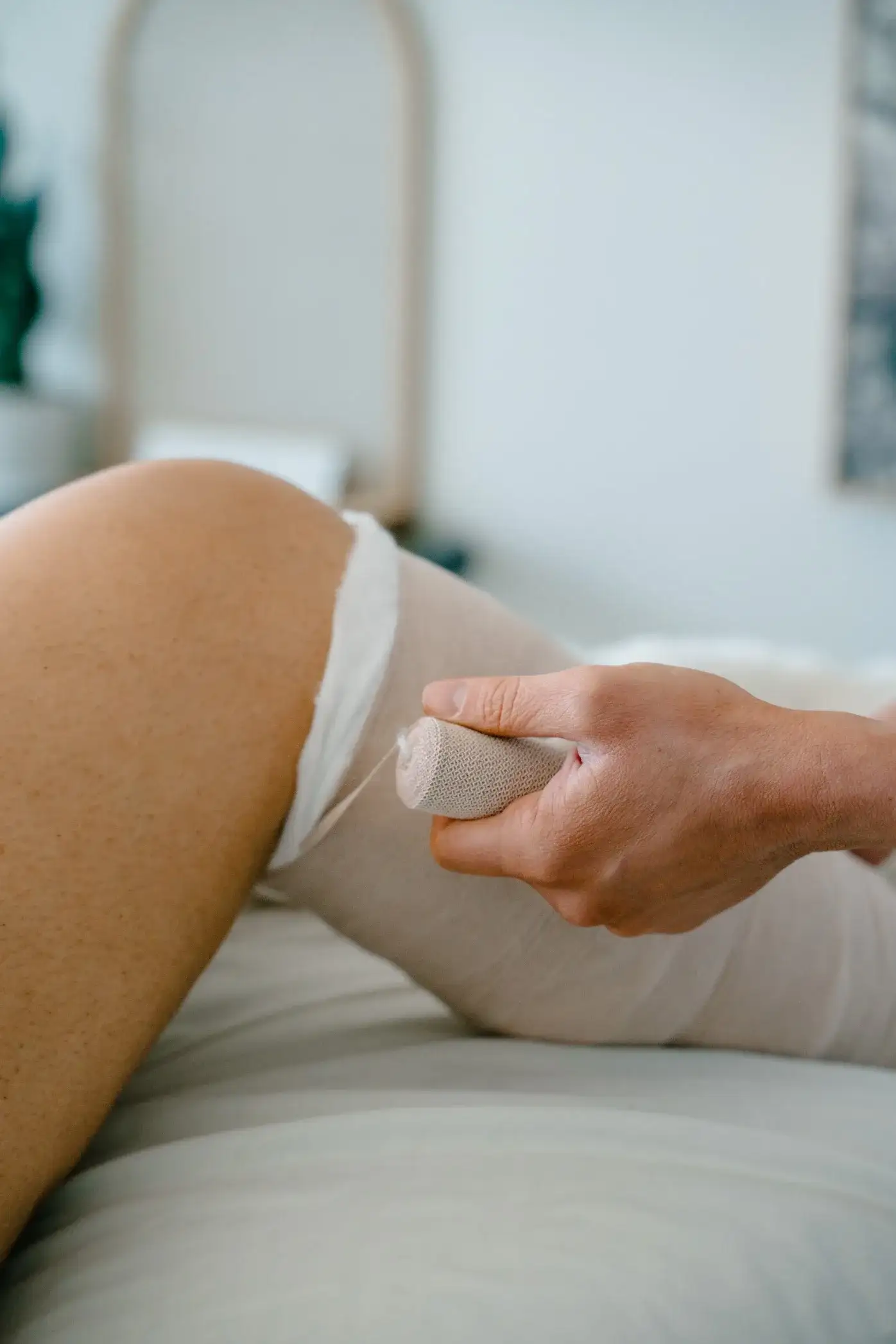
Lymphatic drainage after LVA or lymph node transfer in Calgary
Lymphatic drainage after LVA or lymph node transfer in Calgary: most people still need compression and therapy after surgery, on their surgeon's timeline.
By The Renu lymphatic and massage team · 6 min read
Yes, for most people lymphatic drainage and compression carry on after lymphaticovenous anastomosis (LVA) or vascularized lymph node transfer (VLNT). Reviews of these operations describe conservative care continuing afterwards to protect the result, and in one pooled analysis people with a post-operative compression protocol improved more than those with none. Your microsurgeon decides when hands-on work resumes and which sites to leave alone; in Calgary, ask Renu when you book whether our Certified Lymphedema Therapist and compression fitter can support that plan.
Lymphaticovenous anastomosis (LVA, also called lymphovenous bypass) joins small lymphatic vessels to nearby veins so lymph has a new way out of the limb. Vascularized lymph node transfer (VLNT) moves a small flap of healthy nodes, with their own blood supply, into the swollen arm or leg. Both are real options for selected people, and both are usually followed by more of the care you already know: compression, skin care, exercise and, for many, manual lymphatic drainage. This page is about that second chapter, and how it works when you come home to Calgary.
Does conservative care continue after lymphatic microsurgery?
For most people it does. A 2026 narrative review in JPRAS Open puts it plainly: patients continue to require long-term conservative therapies after surgery to preserve outcomes and prevent symptoms from worsening.
The bigger picture from the research:
- An umbrella review for the American Venous Forum and the American Vein and Lymphatic Society pooled 26 systematic reviews and 14 meta-analyses on leg lymphedema surgery. It found that most studies stress continuing compression after the operation, using bandages, garments, manual lymph drainage and massage, with exercise and skin care.
- The same review describes compression as generally restarting about a month after surgery and being supervised for at least three months.
- It also reports one pooled analysis in which people with a post-operative compression protocol had a larger improvement (about 34%) than people with no protocol (about 20%).
That last finding is the most useful one for anyone deciding whether to keep a therapist involved. It does not prove that compression or massage on its own made the difference, but it argues against stopping everything once the operation is done.
What the surgery can change, and what it usually does not
Surgery can reduce limb size and infections, and it can cut down how much compression you need. It rarely makes compression disappear altogether.
| Finding after surgery | What the source reported |
|---|---|
| Cellulitis after VLNT | About 2.1 fewer episodes a year |
| Cellulitis after LVA | Yearly rate fell from 0.84 to 0.07 in advanced leg lymphedema |
| Garment use after LVA | Daily compression use down 68% on average versus complete decongestive therapy alone, at two years in a multicentre trial |
| Stopping garments after VLNT | 30% at one year, 42% at longer follow-up in one series |
| Advanced-stage LVA | In one study of 64 people, all still needed long-term compression |
Read the table both ways. The infection results are a strong reason people choose these operations, and fewer cellulitis flares matter a great deal if you have been hospitalised for one. The garment numbers show that, even after a good result, a large share of people keep wearing compression, and earlier-stage limbs tend to do better than late-stage ones.
Why your microsurgeon sets the timing
There is no standard aftercare protocol, so the plan has to come from your own surgeon. A 2017 overview in BMC Cancer noted there is no standardised conservative protocol before or after these operations. The umbrella review found that garment grade and duration were stated in only 2 of 29 studies in one of the analyses it pooled.
In practice, that means a few things your surgical team should spell out before your first session with us:
- The start date for compression and for hands-on lymphatic drainage.
- The bypass sites. LVA joins lymphatic vessels as fine as 0.2 mm to small veins in the limb. Those connection sites and their incisions are left alone until the surgeon says otherwise.
- The donor site. Lymph nodes for VLNT are commonly taken from the groin, the abdomen (omentum), under the chin, above the collarbone or the side of the chest. Reviews report that lymphedema can develop in the donor limb, so that area needs gentle attention, not pressure.
- Any further surgery planned. Some people have LVA and VLNT staged months apart, or liposuction later for fatty tissue. A delayed reconstruction review notes surgeons may wait about six months after a physiologic procedure before deciding on liposuction.
If those instructions are not written down, ask for them before your first session. That is not red tape: it is how a light technique supports the surgeon’s work instead of guessing around it.
How sessions look once you are cleared
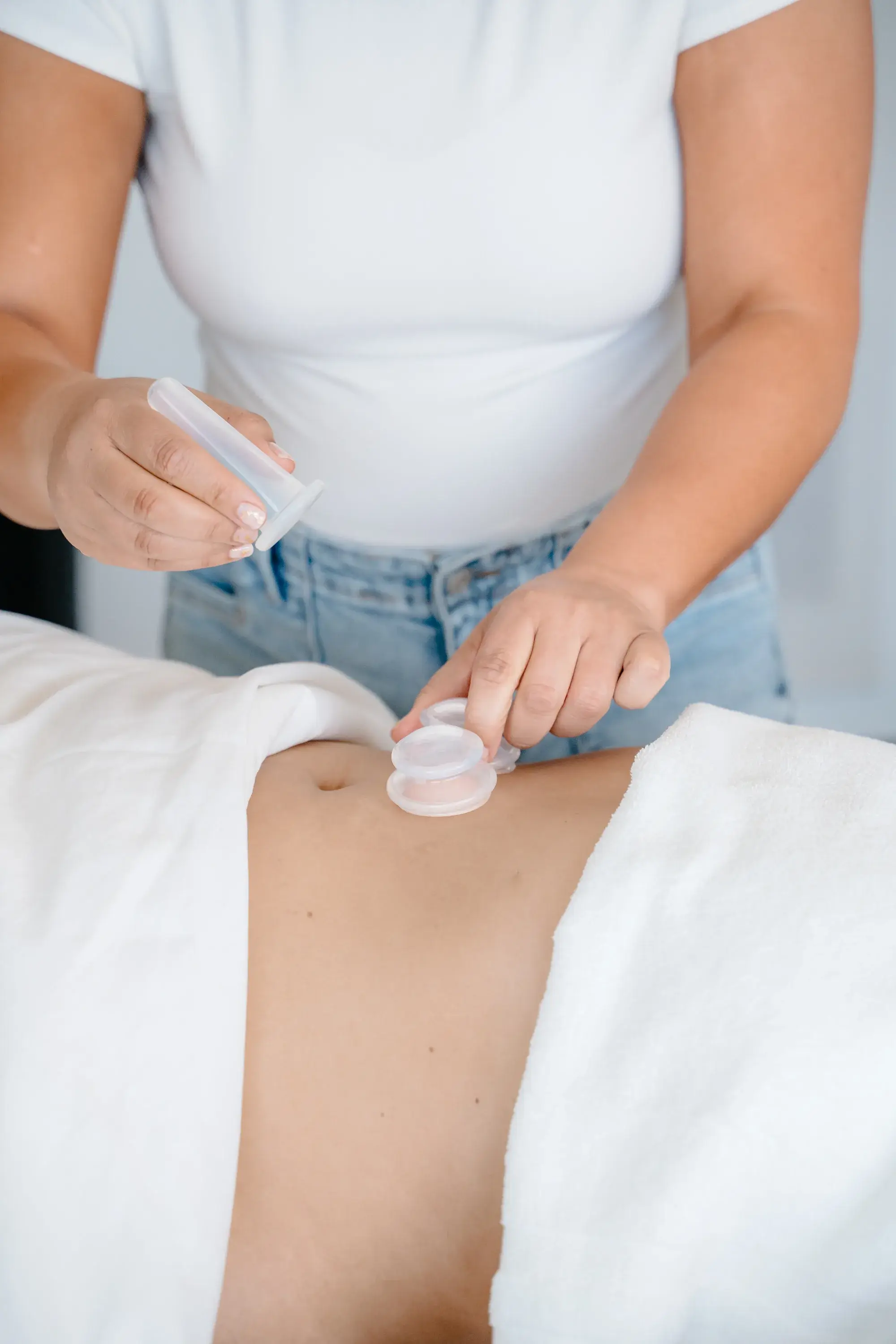
Sessions after microsurgery are slower and more mapped than a general lymphatic massage. The technique itself is the same light, rhythmic skin stretching, but where it goes changes.
- We start at the neck, trunk and the healthy node regions on the other side, so lymph has somewhere to drain before we touch the limb.
- We route around incisions and any area your surgeon has marked, rather than over them.
- We look at the donor site and, if your surgeon agrees, include it lightly.
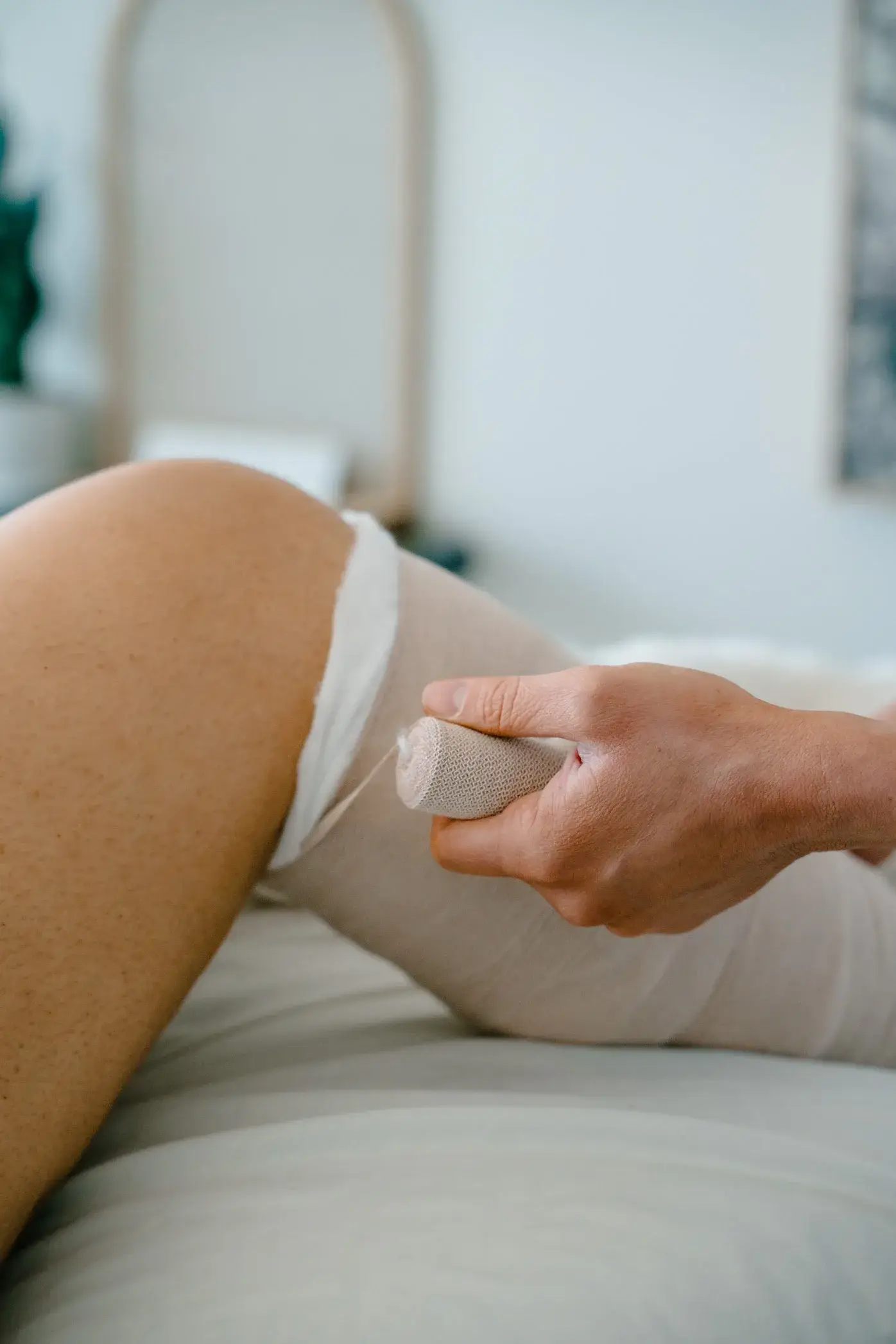
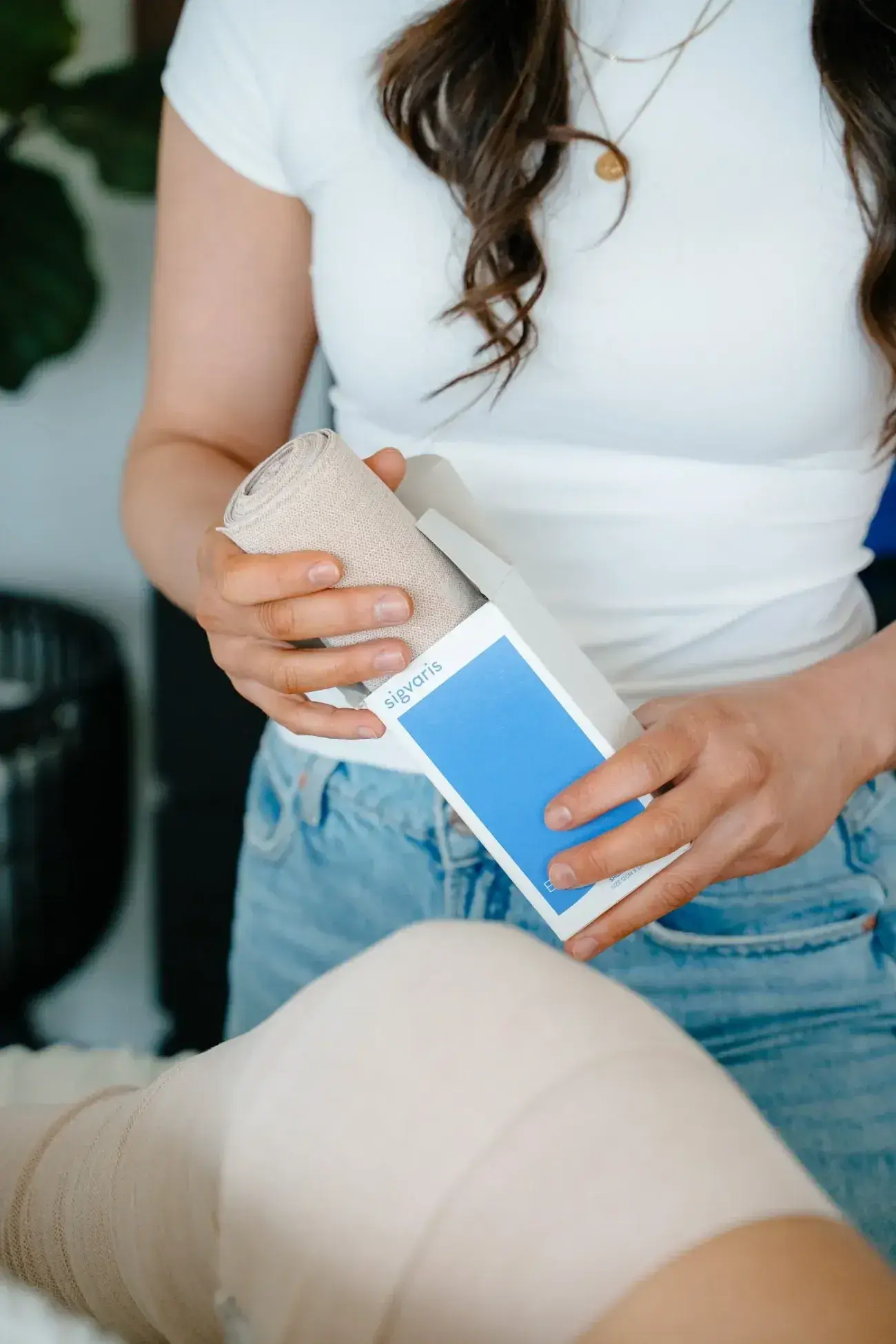
- We check your garment: fit, rolling at the top, marks on the skin and whether the limb has changed enough that a refit is due.
A 60-minute post-op session gives time for a full sequence plus a garment check. Shorter 45-minute visits suit maintenance once the routine is settled.
When to call your surgeon first
Some changes after lymphatic surgery need a medical opinion, not a massage. Call your microsurgery team or seek care if you notice:
- redness, heat, fever or red streaks in the limb or around an incision or donor site, which can signal infection or cellulitis;
- a new, sudden or one-sided increase in swelling, especially with calf or arm pain, since deep vein thrombosis has to be ruled out;
- an incision that opens, leaks clear fluid persistently or develops a fluid collection;
- swelling that keeps climbing despite compression.
A 2026 review of breast cancer-related lymphedema reminds clinicians that new arm swelling can come from deep vein thrombosis, cancer recurrence, narrowing of the axillary vein, infection, heart failure, or kidney or liver failure. None of those is treated by lymphatic drainage, which is why a change in the picture means a medical review first.
Lymphedema aftercare at Renu in Calgary
Meeghan Mackenzie, our founder, is a Registered Massage Therapist, Certified Lymphedema Therapist and Certified Compression Fitter. That combination is useful after microsurgery, because the work after surgery is rarely only hands-on drainage; it is drainage, garment fit and watching the measurements together.
- Post-op lymphatic drainage: 30 minutes ($105), 45 minutes ($115) or 60 minutes ($140).
- Compression fitting: 30 minutes ($25), through our complete decongestive therapy service, for measuring and refitting garments as the limb changes. Our page on what happens at a compression fitting walks through the visit.
You book through Jane, and we are open seven days a week. If your operation was done outside Calgary, ask us when you book about follow-up here, and bring the operative note and discharge instructions to your first visit.
If you are still deciding whether surgery is right for you, the glossary entry on vascularized lymph node transfer explains how the node flap is thought to work. If fatty tissue rather than fluid is your main problem, lymphatic care after liposuction for lymphedema covers that different operation.
Questions people ask
How soon after LVA can I have lymphatic drainage massage?
There is no single published start date, and protocols differ between surgeons. Ask your microsurgeon for a written date and for any areas to avoid, because the tiny vessel connections and the incisions are theirs to protect. Hands-on work should start on the day they give you, not before.
Will I be able to stop wearing my compression sleeve after lymph node transfer?
Some people can, but not everyone. In one VLNT series 30% had stopped garments at one year and 42% at longer follow-up, which means most were still wearing them. Make that decision with your surgeon and your measurements, not on how the limb feels on a single day.
Is the lymph node donor site at risk of swelling too?
It can be. Surgical reviews report lymphedema developing in the donor limb after node harvest, for example in the leg after groin nodes are taken. Tell us where your nodes came from so we can watch that area and treat it lightly if your surgeon agrees.
Do I need a referral to see a lymphedema therapist in Calgary after surgery?
You book Renu online through Jane. Your surgeon's written instructions still matter, so bring them, and check your own benefits plan for its rules if you want to claim the visit.
Sources
- Gloviczki P et al. Journal of Vascular Surgery: Venous and Lymphatic Disorders (2026): Microsurgical treatment of lower extremity lymphedema, an umbrella systematic review
- Frontiers in Surgery (2026): Breast cancer-related lymphedema of the upper limb, integrating early surveillance and functional surgery
- JPRAS Open (2026): Debulking the future of lymphedema surgery, a narrative review
- Garza R et al. BMC Cancer (2017): A comprehensive overview on the surgical management of secondary lymphedema of the upper and lower extremities
- Monzy J et al. Cancers (2026): Delayed lymphatic reconstruction for breast cancer-related lymphedema
Page reviewed October 5, 2026. This page is education, not a diagnosis. For your own situation, talk to your doctor, surgeon or care team, or ask us.
Keep reading
Related pages