
What to expect at a compression fitting in Calgary
What to expect at a compression fitting in Calgary: when to book, what to wear, how the limb is measured, choosing a style, and when to be re-measured.
By The Renu lymphatic and massage team · 6 min read
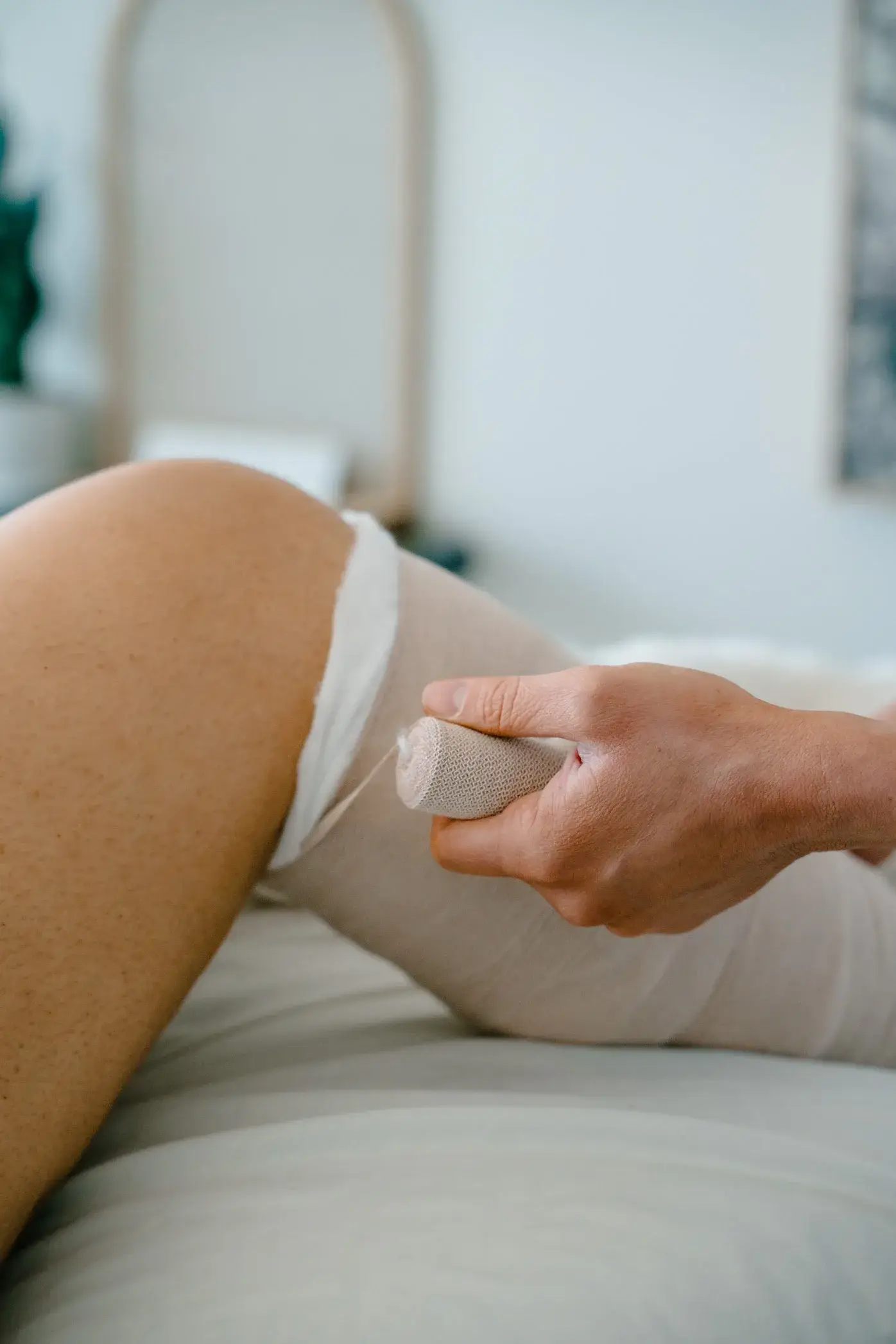
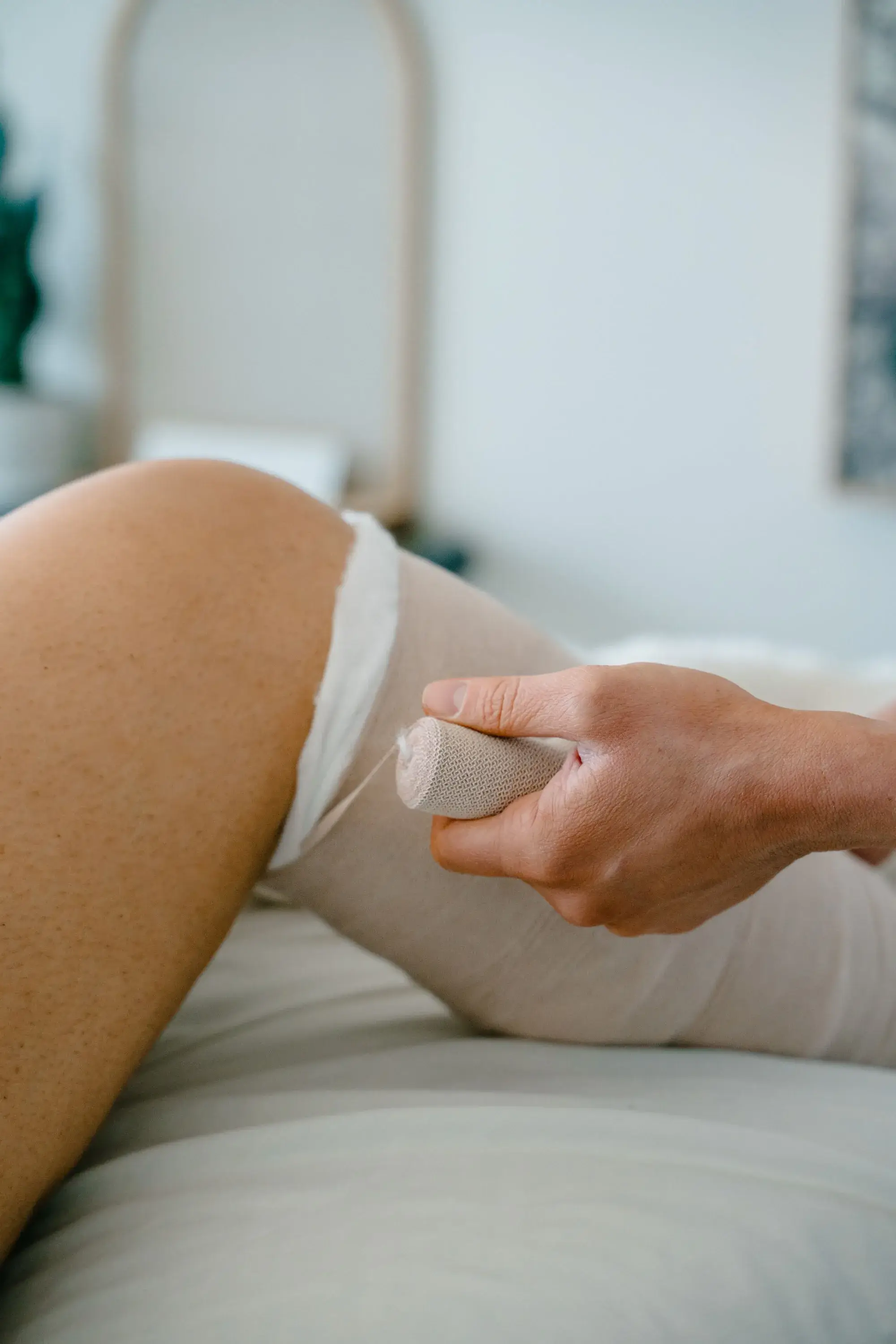
A compression fitting is a short, hands-on appointment: the fitter measures the limb at set points, talks through garment style and compression level with you, and checks that you can put the garment on and take it off. Book it for when your swelling is at its lowest, usually the morning or straight after decongestive treatment, and wear clothes that leave the limb easy to reach. Plan to be re-measured every three to six months, or sooner if your weight changes.
What happens in a fitting, step by step
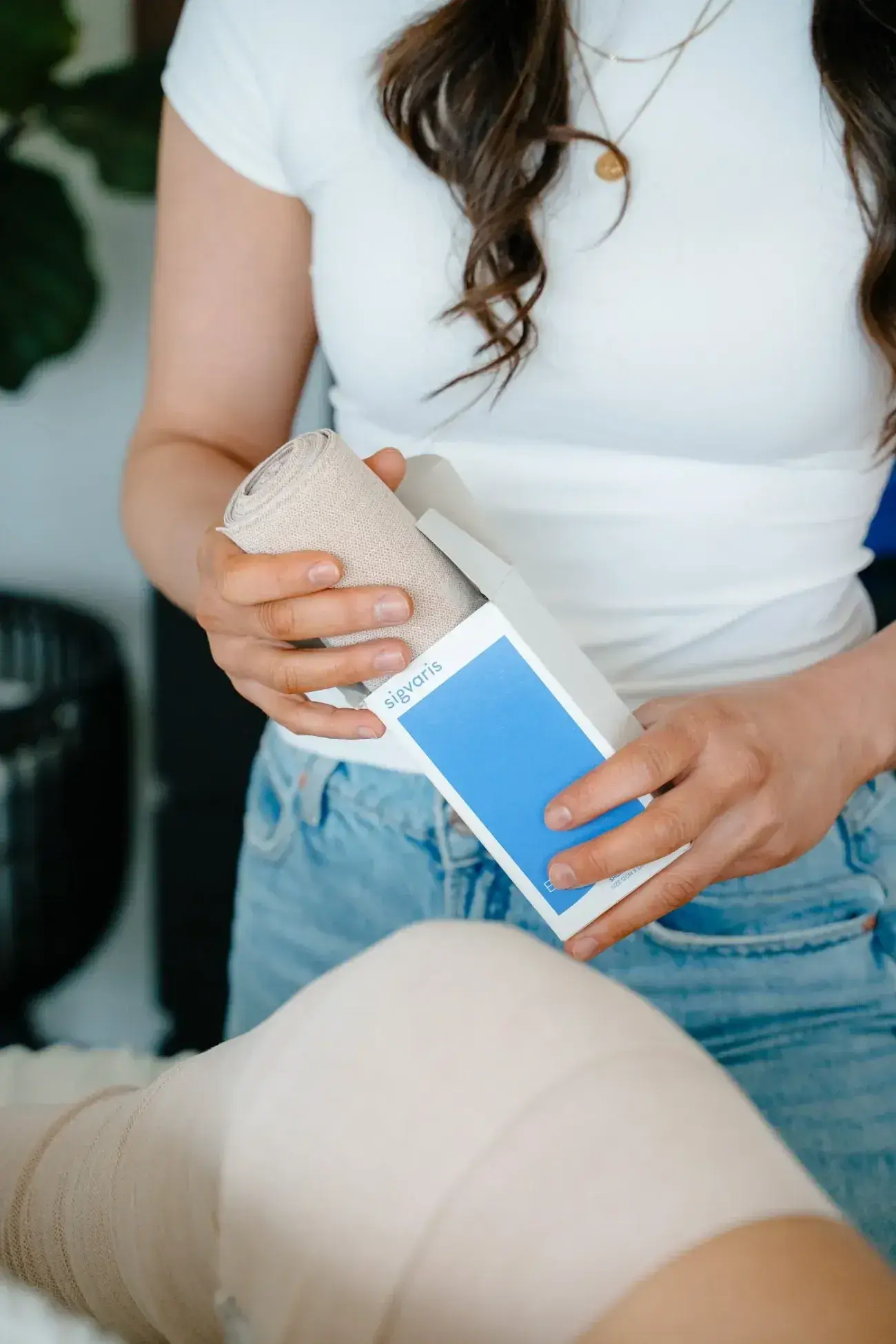
A compression fitting has five parts: a quick conversation, measuring, choosing a garment, trying it on, and planning the follow-up. Macmillan Cancer Support stresses that someone experienced in measuring and fitting compression should fit your garment, because a poorly fitting one can harm the skin and will not control swelling.
- Conversation. Why you need compression, what you have worn before, what went wrong with it, and your day: desk, standing job, hiking, gym.
- Measuring. Circumference and length measurements at set points along the limb.
- Choosing. Style, knit, compression level and any hand, foot or toe pieces.
- Trying on. Putting the garment on and taking it off yourself, then checking the fit.
- Follow-up. When to come back for a fit check and when to plan the next garment.
How the measurements are taken in detail is covered on measuring for compression garments. This page is about the appointment itself.
Book it for when swelling is lowest
Timing matters more than most people expect, because the garment is made to hold the limb at the size it is measured. Macmillan advises putting a garment on first thing in the morning, when the limb is at its smallest, and the same logic applies to measuring: earlier in the day is usually better than late afternoon.
If you are in a course of complete decongestive therapy, the fitting comes at the end of the intensive phase. The National Lymphedema Network says patients move from intensive treatment into maintenance without a gap in compression, and the International Lymphoedema Framework says bandaging continues until pitting has gone and long-term hosiery begins. In practice that means being measured once your volume has stopped falling, often right after a treatment session.
What to wear and bring
Wear clothing that leaves the limb easy to reach: shorts or loose pants for a leg, a tank top or loose sleeve for an arm. You will need to uncover the whole limb, and for a full-leg or pantyhose-style garment, the hip and waist as well. Bring:
- Any garments you already have, even ones you dislike
- Your diagnosis, referral or prescription if you have one
- Notes on what you need to be able to do in the garment, such as work shifts, cycling or a long flight
- A list of skin problems, allergies or areas that rub
Choosing style, knit and hand or foot pieces
The garment is chosen to fit your limb shape and your hands, not just your measurements. The NLN explains that garments apply the highest pressure at the far end of the limb and less toward the body, that style and strength should match your ability to put the garment on and take it off, and that proper fit is crucial.
| Choice | What the sources say |
|---|---|
| Ready-to-wear or made-to-measure | The NLN says maintenance garments can be either. Macmillan notes a ready-made garment may match your measurements, or one may need to be specially made. |
| Circular knit or flat knit | The NLN describes circular knit as seamless and typically used for mild lymphedema, and flat knit as custom-made, firmer and recommended for most lymphedema because it does not settle into skin folds. |
| Day or night | The NLN describes daytime garments for activity and lower-containment night garments. |
| Hands, feet and trunk | The US lipedema standard of care notes that garment styles can be combined to cover the arms, hands, legs, feet, trunk or pelvis. |
If your hand or foot swells too, expect a conversation about a glove, gauntlet or toe cap alongside the sleeve or stocking.
Trying it on and checking the fit
You should leave knowing how to put the garment on yourself. Macmillan says you will be shown how to put it on and take it off, that the material should be spread evenly with no creases, that the top should never be turned or rolled over, and that a rubber glove helps smooth it into place. The AADL manual asks vendors to have clients demonstrate that they can put garments on and take them off independently, or to confirm they have daily help.
A good fit feels firm and even. Macmillan lists numbness, pins and needles, pain, or fingers or toes changing colour as signs a garment is too tight, and says to remove it straight away and contact your specialist. Our page on how to tell if your compression garment is too tight goes further.
Funding in Alberta and why a CLT assessment matters
If you plan to use Alberta Aids to Daily Living, the assessment counts. The AADL manual for ready-made compression stockings and lymphedema sleeves says clients presenting with chronic lymphedema should be assessed by a Certified Lymphedema Therapist or Specialty Assessor, and that a physician or nurse practitioner prescription is needed if neither is accessible. Prescriptions are not required for clients in active treatment with Alberta Health Services cancer rehabilitation oncology programs. The manual also requires fitters to hold a manufacturer fitter certification renewed every three years. Eligibility and what is covered are explained on AADL funding for compression garments. If you are hoping to use AADL, ask us when you book how that would work for your garment, before you are measured.
Replacement and re-measuring
Compression garments wear out, and your limb changes. Macmillan says each garment lasts three to six months if worn daily, that you need re-measuring before replacements, and that a change in weight means a new measurement. The NLN recommends garment fittings and replacements every four to six months in the maintenance phase. Put the next fitting in your calendar when you leave. Signs that a garment has worn out early are covered on when to replace compression garments.
When not to be fitted yet
A fitting should wait if the skin or circulation is not ready. Macmillan advises usually avoiding compression when the skin is fragile or damaged, leaking fluid, or affected by cellulitis. The AADL manual does not authorize garments for acute cellulitis of the lower leg, an untreated malignant tumour of the leg, or scleroderma, and requires cellulitis, dermatitis and open wounds to be healed first. The ILF notes compression is contraindicated in critical ischaemia, so tell your fitter about any arterial disease or leg pain when walking. If your limb is red, hot and swollen, see your doctor before you see us.
Compression fitting at Renu
Fittings at Renu are with Meeghan Mackenzie, a Certified Compression Fitter and our Certified Lymphedema Therapist. A compression fitting is 30 minutes and costs $25; book it in Jane. We are on 19 Street NW in West Hillhurst with free street parking nearby, and we are open seven days a week. More on how fittings fit into lymphedema and lipedema care is on our complete decongestive therapy page.
Questions people ask
How long does a compression fitting take?
At Renu a compression fitting is booked as a 30-minute appointment. That covers measuring, talking through styles and practising getting the garment on and off. A first fitting with a lot of questions may feel full, so write yours down beforehand.
Should I wear my old garment to the fitting?
Wear it to the clinic if it helps keep the swelling down, then take it off for measuring. Bring it along too, because seeing where an old garment rolled, dug in or wore through tells the fitter a lot.
Can I get a garment fitted while my leg is infected?
No. Macmillan advises against wearing compression with cellulitis in the area, and Alberta's AADL program does not authorize garments for acute cellulitis of the lower leg and requires it to be healed first. Get the infection treated, then rebook.
Do I need a new fitting if I lose weight?
Yes. Macmillan says a change in weight means you need re-measuring, because a garment that is too loose will not control swelling and one that is too tight will restrict blood flow.
Sources
- Macmillan Cancer Support: Compression to treat lymphoedema
- National Lymphedema Network: Position paper, Lymphedema diagnosis and treatment (2025)
- Alberta Health: AADL compression stockings and lymphedema sleeves policy and procedures manual
- International Lymphoedema Framework: Compression therapy, a position document on compression bandaging
- Herbst et al., Phlebology 2021: Standard of care for lipedema in the United States
Page reviewed October 5, 2026. This page is education, not a diagnosis. For your own situation, talk to your doctor, surgeon or care team, or ask us.
Keep reading
Related pages