
Axillary web syndrome (cording) after breast surgery
Axillary web syndrome (cording) is a common, very treatable side effect of breast surgery: tight cords from armpit to arm. Hands-on care helps; don't wait.
By The Renu lymphatic and massage team · Reviewed by Meeghan Mackenzie, RMT, CLT · 5 min read
Axillary web syndrome, usually called cording, is a common and very treatable side effect of breast cancer surgery. Tight, rope-like cords form under the skin from the armpit down the inner arm, making it painful to reach or straighten your elbow. With gentle hands-on work, stretching and lymphatic drainage from an experienced therapist, most people get their movement back within weeks. The key is not to wait it out.
What cording looks and feels like
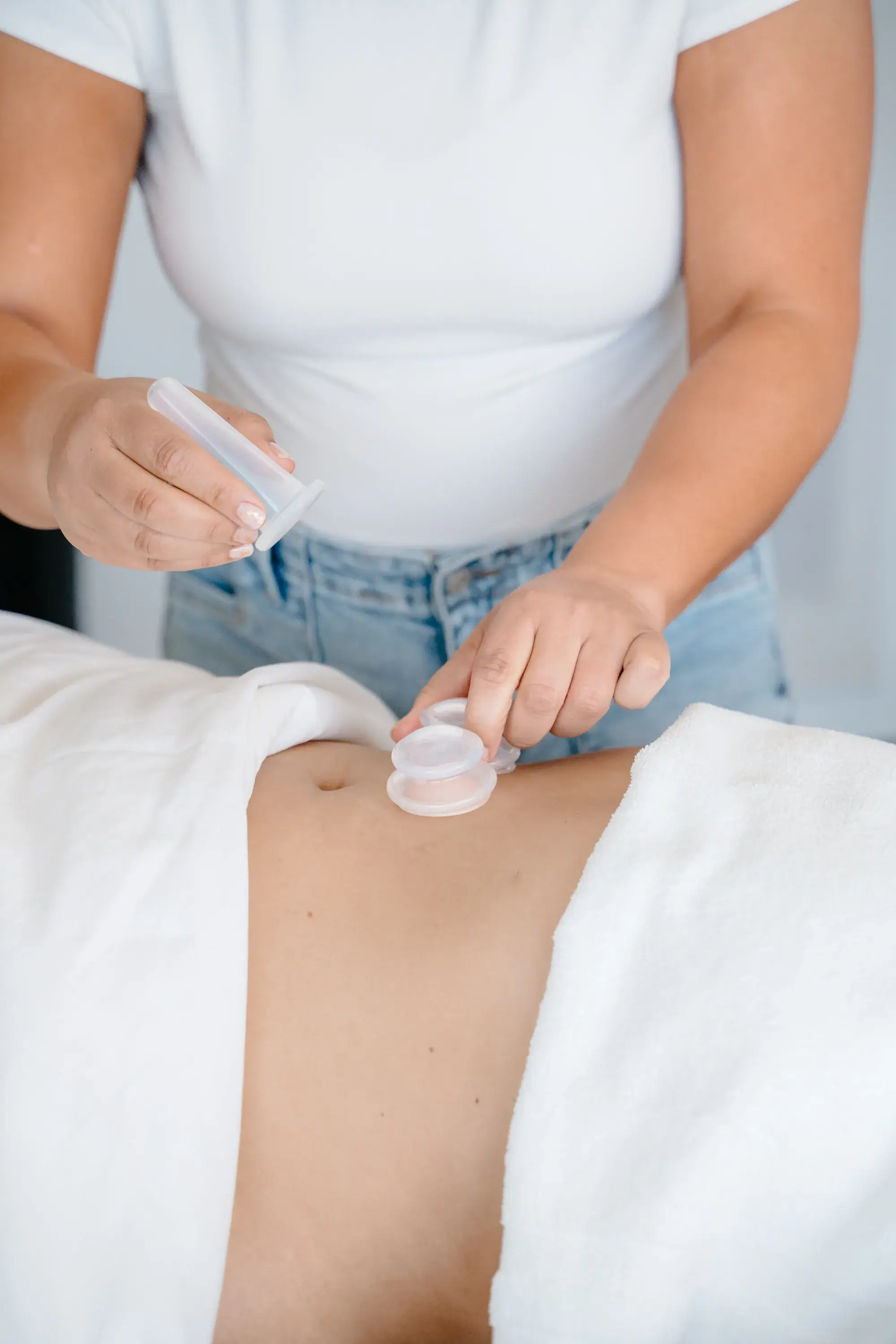
Cording most often appears after lymph nodes are removed from the armpit, either through a sentinel node biopsy or a larger axillary dissection, and sometimes after a mastectomy or as a result of radiation therapy. You might notice:
- One or more thin, tight, guitar-string-like bands under the skin, often visible when you lift your arm out to the side
- Cords running from the armpit to the inside of the elbow, sometimes down to the wrist or thumb, or along the chest wall
- Pain or a sharp, “zinging” pull when you reach, stretch or put on a coat
- Difficulty lifting your arm above shoulder height or straightening your elbow
It usually shows up two to eight weeks after surgery, though it can appear months to years later. Some people can’t see the cords at all; they just feel the tightness.
Why it happens
The exact cause is still being studied. The leading theory is that surgery injures lymph vessels and the connective tissue around them, which become inflamed, scarred and hardened into cords. The Ottawa Cancer and Lymphatics Centre describes the cords as hardened veins and lymph vessels with fibrous tissue around them, and notes that it’s their attachment to nearby tissue that limits shoulder movement most.
How often it happens varies widely between studies, but it’s common. Risk tends to be higher with more extensive node removal, radiation, chemotherapy and younger age.
Why you shouldn’t wait
It’s natural to protect a painful arm by not moving it. But as CLTs, we caution against waiting to see if cording goes away on its own, because guarding the arm can tighten the shoulder and chest further. Cording can also be especially frustrating before radiation, which usually requires you to lift your arm overhead. Early, guided treatment is the faster route back to comfortable movement.
How we treat it
| Approach | What it does |
|---|---|
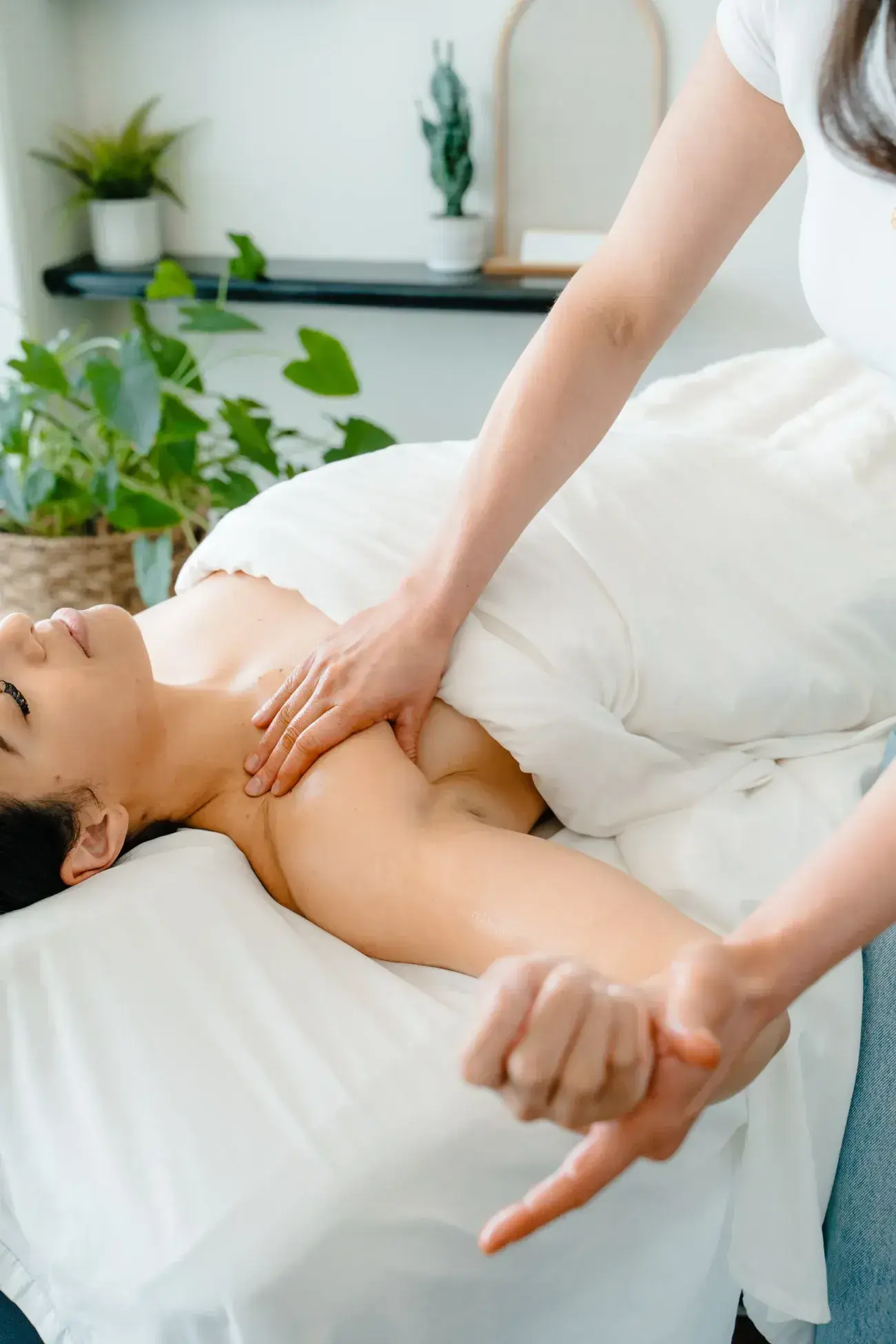
| Gentle cord and skin stretching | Short sections of the cord are eased with the arm in a comfortable stretch; sometimes a cord releases with a small pop, usually painlessly, and movement improves straight away |
| Manual lymphatic drainage | Encourages lymph to find healthy routes around the injured area and calms inflammation |
| Nerve gliding and stretching | Gentle movements you’ll learn for home, which help with the sharp, zinging pain |
| Scar work | Keeps tissue around the armpit and chest moving freely |
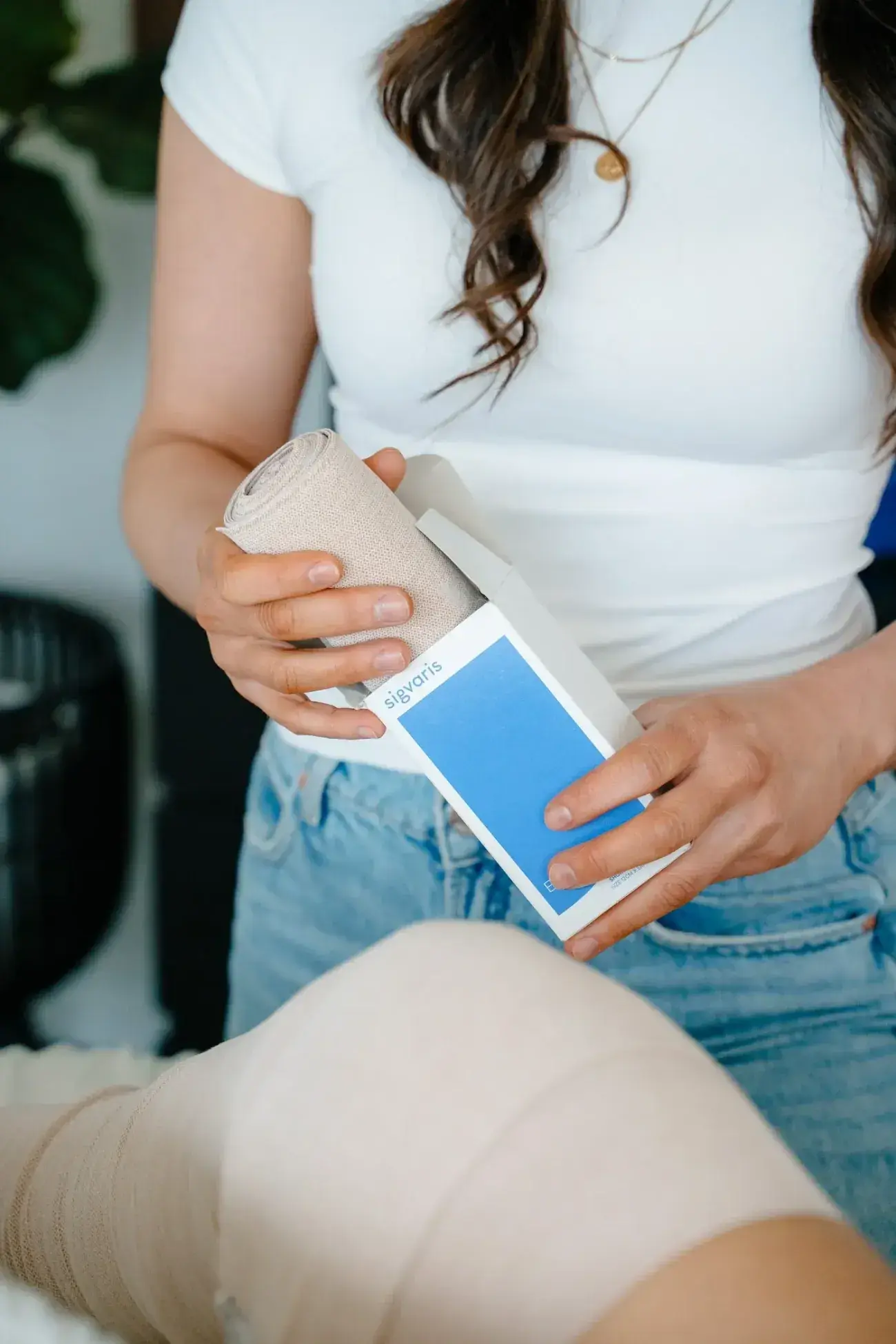
| Compression, if needed | A sleeve may help if there’s swelling as well |
There’s good evidence behind this approach. A randomised controlled trial in Physical Therapy (2022) found that manual lymphatic drainage combined with progressive arm exercises helped clear cording after breast cancer surgery.
Physical therapist and lymphedema specialist Nicole Stout compares a cord to fishing line caught at several points along a rod: release one spot and you may feel more pull somewhere else, because other spots are still stuck. That’s normal, and it’s why treatment works along the whole length of the cord over a few sessions.
Movement is medicine
Kelly Sturm, a doctor of physical therapy, board-certified oncology clinical specialist and Certified Lymphedema Therapist, created Cancer Rehab PT as an educational resource for people navigating breast cancer side effects, including cording, arm mobility after surgery, scar tissue and rehab after radiation. Her message runs through all of it: gentle, regular movement is one of the most powerful things you can do for your recovery, and the earlier you start, the more responsive your tissue tends to be.
A few principles from her approach that we share with our clients:
- Stretch to a gentle pull, not pain. Cords respond to steady, comfortable stretching held for a few breaths, repeated through the day.
- Breathe into it. Sturm describes the diaphragm as working almost like a pump for lymph. Slow breaths into the lower ribs during your stretches help both tightness and fluid flow.
- Keep going after the cords ease. Continuing your stretches helps keep the shoulder and chest mobile through radiation and the months of healing that follow.
- It’s never too late. Even if surgery was months or years ago, tissue can still loosen and movement can still improve.
We’ll give you a short home programme tailored to your cords, and we’re happy to point you to Sturm’s videos and guides between sessions.
Cording and lymphedema
Cording is a sign the lymphatic system on that side has been disrupted. Experts are still debating whether it raises your risk of lymphedema, but anyone who has had lymph nodes removed is at some risk. We recommend working with a Certified Lymphedema Therapist early and watching the arm for swelling, heaviness or skin changes. That’s exactly what we do.
From Renu’s treatment room
Many of our clients don’t mention cording at first. They assume it’s just part of surgery, or they’re worried it’s something serious. When we find it, we can usually start easing it in the very first session, and seeing someone lift their arm over their head again without wincing never gets old.
Noticing tight cords or a pulling sensation after breast surgery? Call us at 403-270-2111 to talk with our Certified Lymphedema Therapist, or book online. We’re happy to work alongside your surgeon, oncology team or physiotherapist.
Education, not a diagnosis. Sudden swelling, redness, warmth or pain in the arm should be checked by your doctor promptly, as these can signal infection or a blood clot.
Questions people ask
Is cording dangerous?
Cording itself is not dangerous. Its main cost is a stiff, painful shoulder if it is left to restrict movement, which is why we suggest getting it assessed rather than waiting. A hot, swollen or discoloured arm is a different problem and needs same-day medical review.
Is cording a blood clot?
Usually not. A cord is firm, thin and linear, most obvious when the arm is stretched. The NHS lists the signs of a deep vein thrombosis as throbbing pain, swelling of the limb, red, blue or darkened skin and swollen veins; if you notice those, call your doctor the same day.
How long does cording take to go away?
With gentle hands-on work, stretching and lymphatic drainage, most people get their movement back within weeks, which is why we suggest starting early rather than waiting. Cording can occasionally return after it has eased, so keep up your home stretches through radiation and healing.
Can I stretch cording myself?
Yes, gently, once your surgeon has cleared movement for the incision and any drains. Slow reaching overhead and out to the side, held to a gentle pull and repeated daily, is the core of the approach. A therapist adds hands-on work along the cord and checks your shoulder range.
Does cording mean I will get lymphedema?
Not necessarily. The NLN lists cording among postulated risk factors because people who reported cording in one large screening cohort had a higher lymphedema risk, but the link is not settled. Treat it as a reason to keep measuring and to report heaviness or a change in size promptly.
Sources
- Koehler et al., Breast Cancer (Dove Medical Press) 2019: Axillary web syndrome following breast cancer surgery, symptoms, complications and management strategies
- Torres-Lacomba et al., Physical Therapy 2022: Manual lymph drainage with progressive arm exercises for axillary web syndrome after breast cancer surgery, a randomized controlled trial
- Breastcancer.org: Axillary web syndrome (cording)
- Ottawa Cancer and Lymphatics Centre: Axillary web syndrome
- Mastectomy Guide: What is cording (axillary web syndrome) and how can massage therapy help
- Cancer Rehab PT (Kelly Sturm, DPT, CLT): Blog
- Koehler et al., Physical Therapy 2018: Function, shoulder motion, pain and lymphedema in breast cancer with and without axillary web syndrome, an 18-month follow-up
- Koehler et al., Archives of Physical Medicine and Rehabilitation 2022: Five-year cumulative incidence of axillary web syndrome
- American Cancer Society: Lymph node surgery for breast cancer
- NHS: Deep vein thrombosis (DVT)
- National Lymphedema Network: Position Statement, Evidence-Based Practices for Lymphedema Risk Reduction (March 2026)
Page reviewed October 19, 2026. This page is education, not a diagnosis. For your own situation, talk to your doctor, surgeon or care team, or ask us.
Keep reading
Related pages