
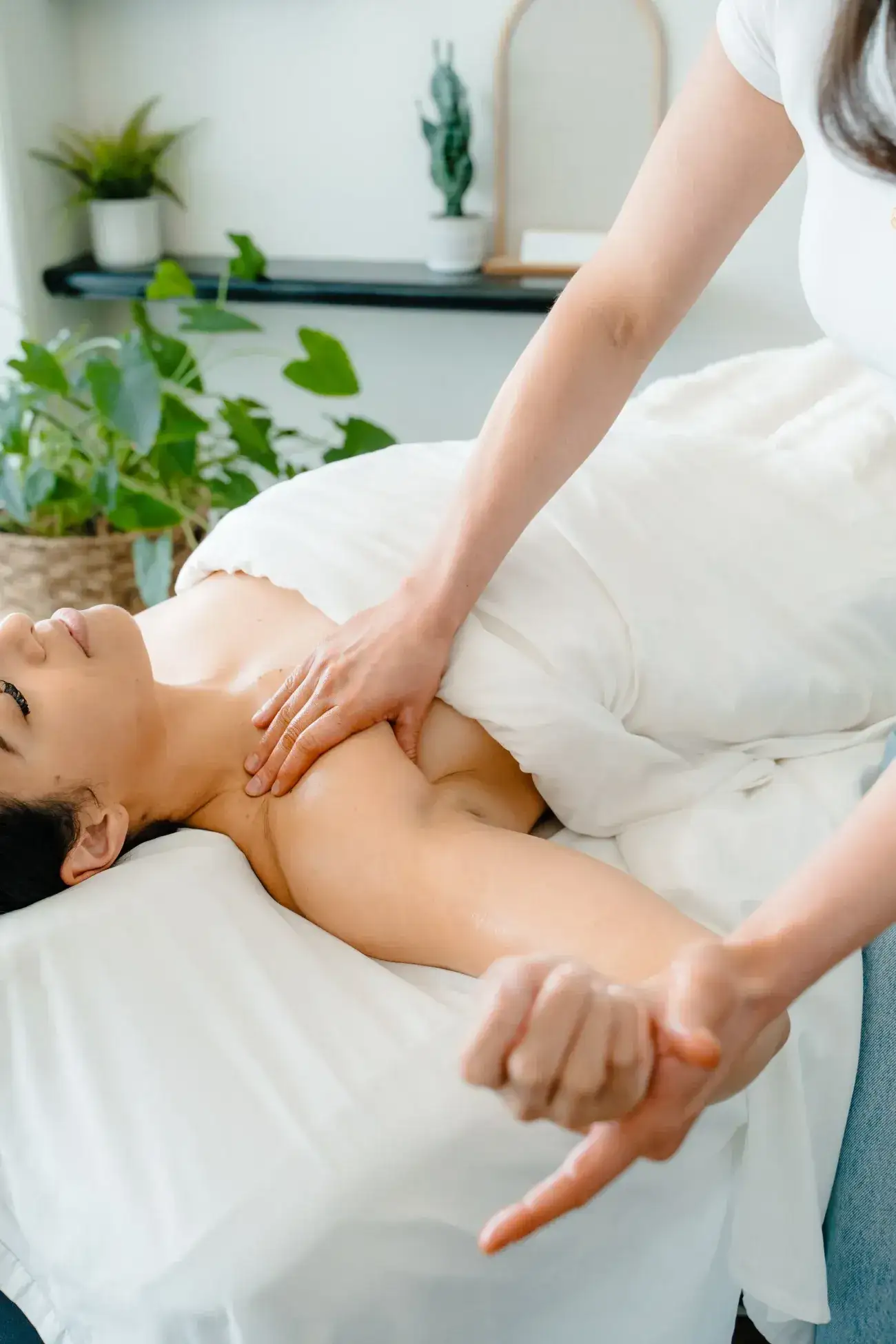
Oncology massage in Calgary
Oncology massage in Calgary with Meeghan Mackenzie, RMT, CLT: gentle, adapted massage and lymphatic care during and after cancer treatment, with your team.
By The Renu lymphatic and massage team · 5 min read
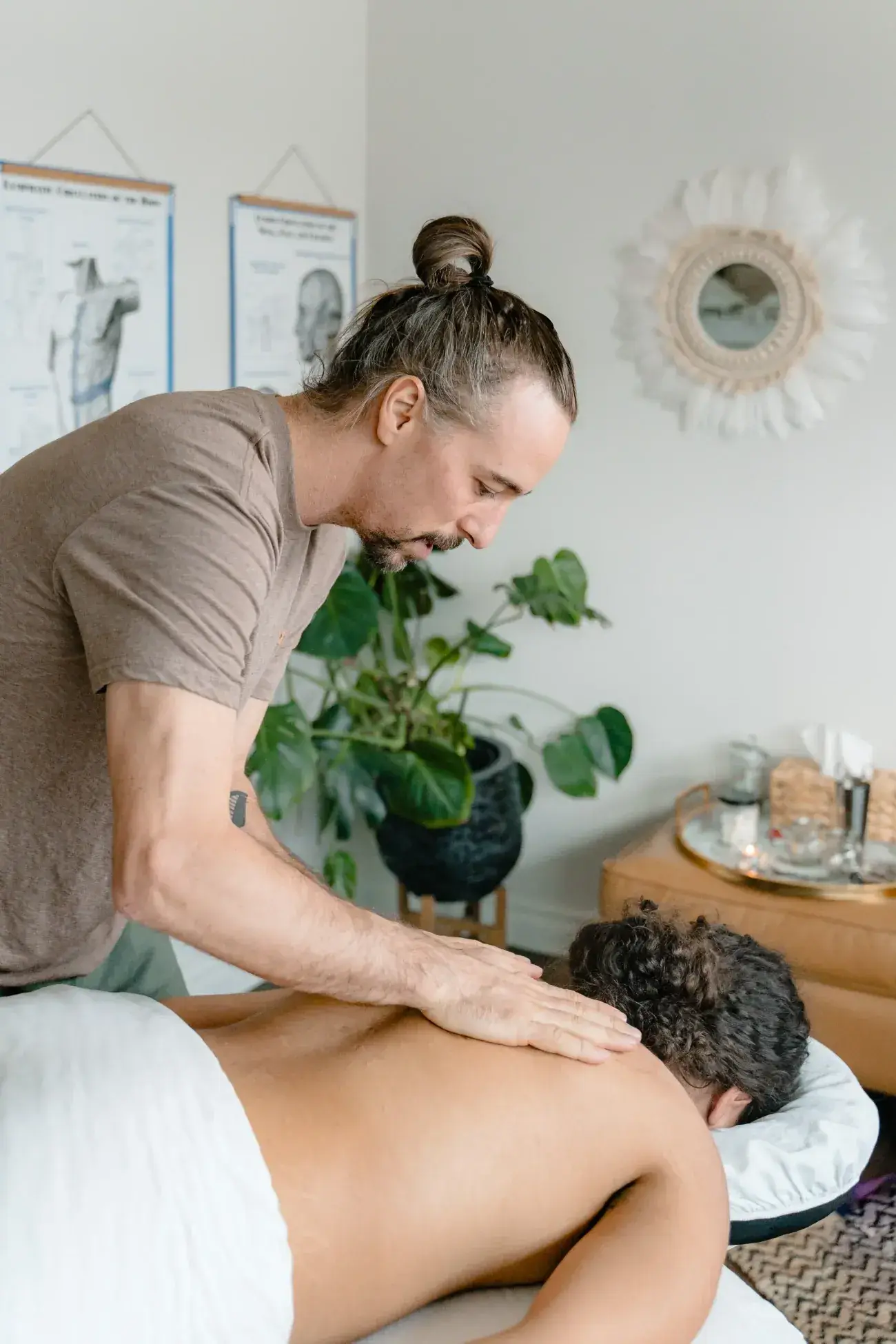
Oncology massage at Renu is gentle massage and manual lymphatic drainage adapted for someone in or after cancer treatment, and every session is with Meeghan Mackenzie, a Registered Massage Therapist and Certified Lymphedema Therapist with a clinical focus on oncology. Before starting, she reviews your treatment history and adjusts pressure, position, session length and the areas worked, including timing around chemotherapy, attention to blood counts and care for any limb at risk of lymphedema. It supports your oncology care and never replaces it, so tell your care team you are coming.
What oncology massage is at Renu
Oncology massage is an approach, not a single technique. The Society for Oncology Massage describes it as thorough assessment followed by adjustments to standard massage: session length, pressure and direction of strokes, positioning, lymphedema risk, and areas of specific concern such as catheters, incisions or painful sites. It also says there is always some form of touch that can be safely provided, whether someone is in active treatment, recovering, or years beyond it.
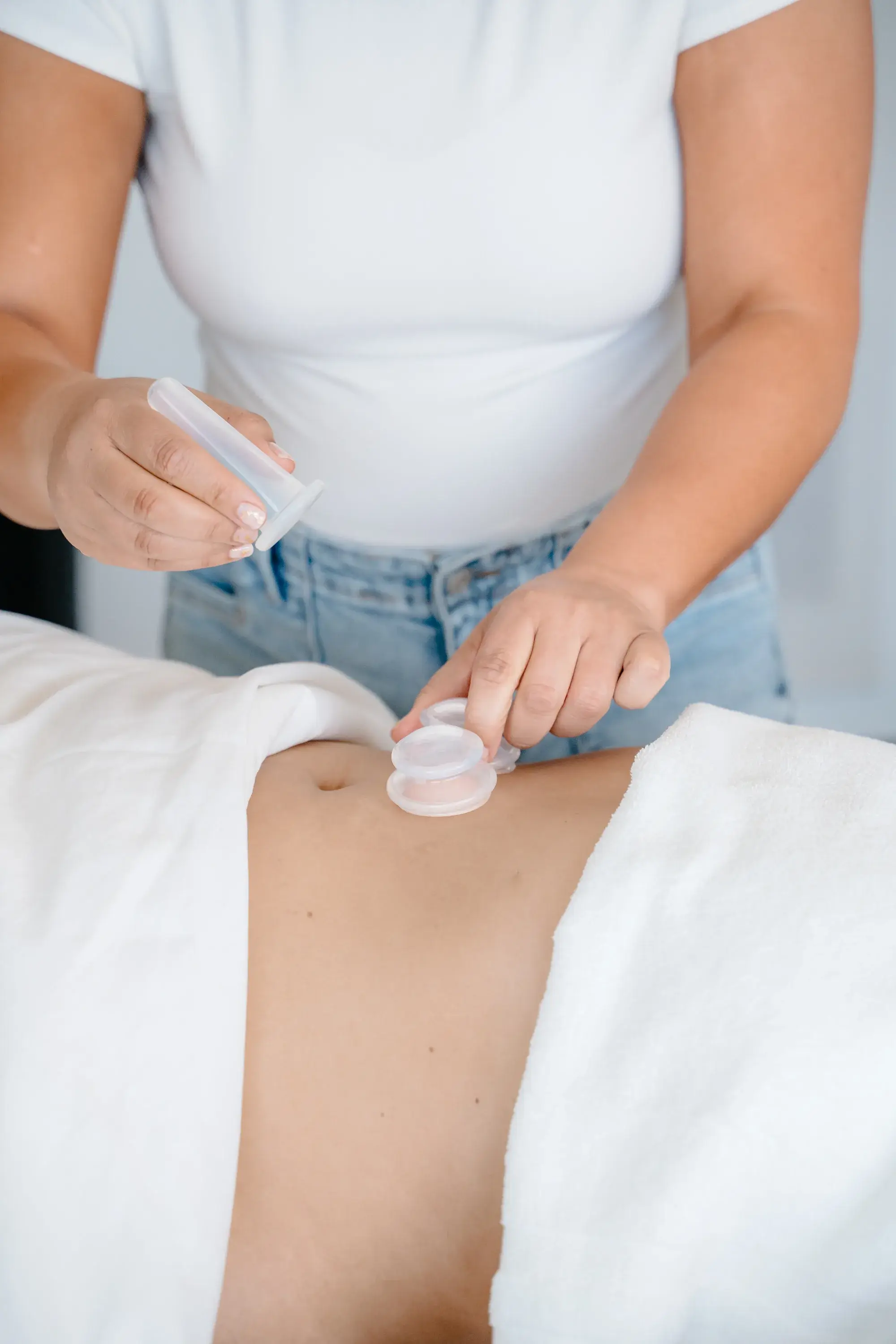
At Renu, oncology massage combines gentle massage with manual lymphatic drainage. Sessions aim at treatment-related fatigue, nausea, anxiety and pain, and they include monitoring for early signs of lymphedema. Meeghan can also work alongside Dr. Will Tanner, our acupuncturist, when you want both kinds of support.
Who treats you: Meeghan Mackenzie
All oncology and orthopedic lymphatic work at Renu is performed by Meeghan Mackenzie, RMT, CLT. She has worked as a Registered Massage Therapist in Calgary since 2005, earned her Certified Lymphedema Therapist designation through the Academy of Lymphatic Studies, and holds specialized training in oncology and manual lymphatic drainage. That training is what allows her to modify treatment for people going through chemotherapy, radiation or surgery involving lymph nodes.
Many people come to us between infusions, in the months after radiation, or years later when an arm starts to feel heavy. Seeing one therapist throughout has a practical benefit: she gets to know your baseline, so a change in an at-risk arm or a new area of tightness is easier to notice from one visit to the next.
What is adapted, and why
Before the first session, Meeghan reviews your treatment history and where you are now. Then she adapts the work in specific ways:
- Timing around chemotherapy. Sessions are scheduled with your treatment cycle in mind; our page on massage during chemotherapy covers how that usually works.
- Blood counts. Meeghan pays attention to your blood counts and adapts the session to them, so tell her about any recent results your team has flagged.
- Sites. The Cleveland Clinic notes that lymphatic drainage is not performed directly over cancerous tissue or skin damaged by radiation therapy. Ports, incisions and tender areas are worked around.
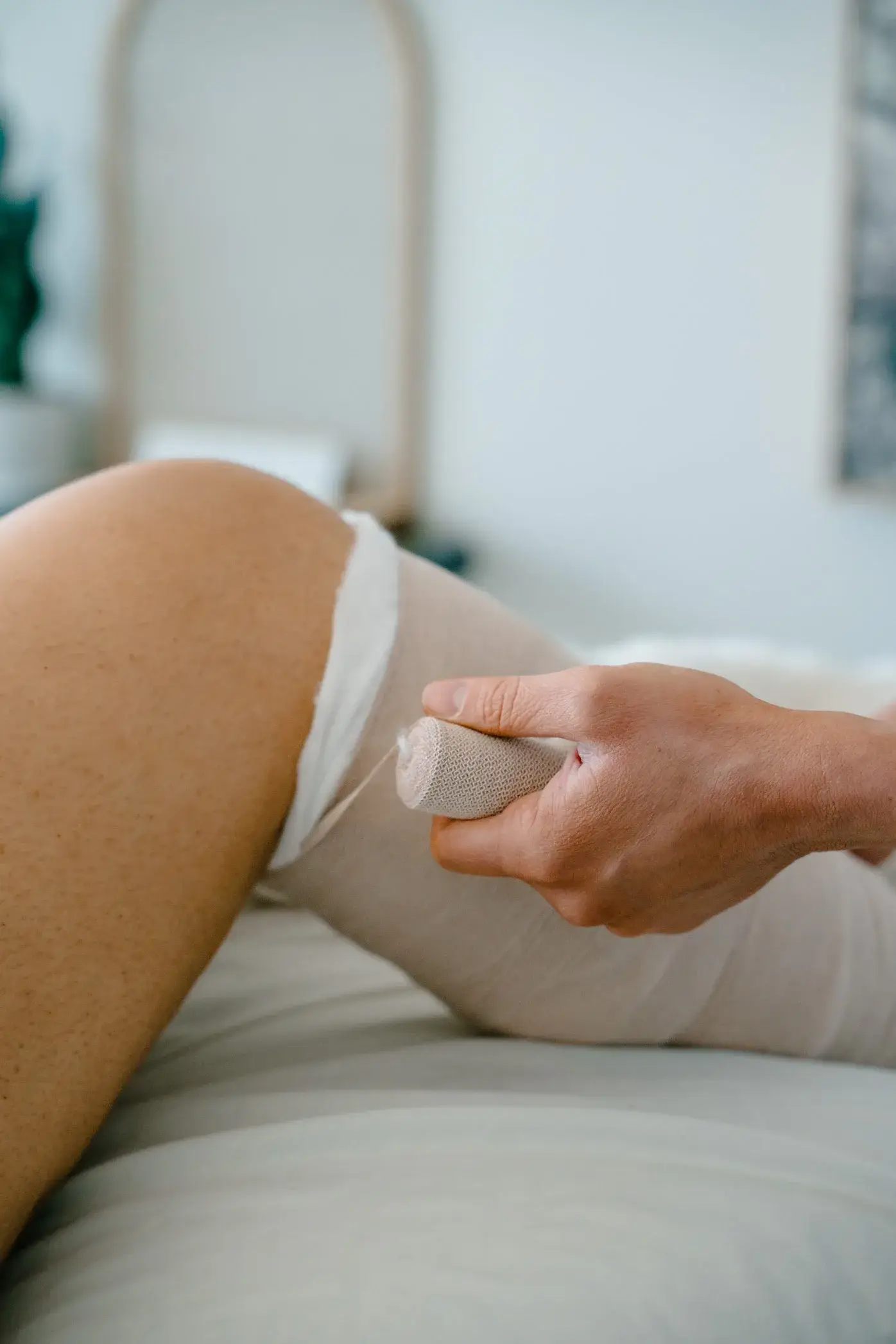
- The at-risk limb. Any arm or leg whose lymph nodes were removed or radiated gets special care in every session, because it is the area most vulnerable to swelling.
- Position and length. You may lie on your side, sit supported, or have a shorter session if treatment has left you tired.
NCCIH puts it simply: with appropriate precautions, massage can be part of supportive care for people with cancer, with less pressure used near areas affected by the cancer or its treatment. For how this differs from a standard massage, see oncology massage versus regular massage. If you are worried that massage could spread cancer, our answer on whether massage spreads cancer goes through the evidence.
What the evidence supports
The evidence is encouraging. A 2016 systematic review and meta-analysis in Pain Medicine, covering sixteen randomized trials in cancer populations, found massage reduced pain compared with no treatment and with active comparators, and helped fatigue and anxiety when compared with active comparators.
The Canadian Cancer Society describes massage therapy as something people with cancer use for stress, anxiety, depression or pain, and notes that manual lymphatic drainage can improve lymphatic circulation, especially for people with lymphedema. We describe oncology massage the same way: comfort and symptom support, alongside your medical care.
Booking with Meeghan
Phone the clinic for your first oncology session so we can book enough time with Meeghan and collect what she needs before you arrive. Post-surgical oncology sessions, after a lumpectomy, mastectomy or node dissection, follow our post-op pricing: $140 for 60 minutes or $115 for 45 minutes. Bring:
- your diagnosis and treatment history, and your current treatment schedule;
- how many lymph nodes were removed and from which area, if you have had surgery;
- any recent blood count concerns or instructions from your oncology team.
If you already have lymphedema, complete decongestive therapy is usually the better path. Procedure-specific recovery is covered in lymphatic care after mastectomy and reconstruction. We are on 19 Street NW in West Hillhurst, with free street parking, which helps on low-energy days.
When to contact your oncology team first
Some symptoms need your medical team, not a massage. Meeghan watches for contraindications including active infection, deep vein thrombosis risk, malignant tumours in the treatment area and major heart problems; when any of these arise, treatment is designed with your medical team’s approval.
The National Lymphedema Network advises people at risk of lymphedema to treat a suspected infection in the at-risk limb as an urgent medical event. Call your oncology team or doctor promptly, and postpone your session, if you notice:
- redness, warmth, pain or new swelling in an arm, leg, breast or trunk area that was treated;
- a fever or chills;
- pain, warmth or swelling in one calf, or sudden breathlessness or chest pain, which need emergency care.
The Canadian Cancer Society’s advice applies throughout: talk to your healthcare team before starting a complementary therapy so it does not get in the way of your standard treatment.
Questions people ask
Do I need my oncologist's permission to book an oncology massage?
The Canadian Cancer Society advises talking to your healthcare team before starting any complementary therapy, so it does not interfere with your standard treatment. Where a contraindication such as infection or clot risk is present, Meeghan designs treatment with your medical team's approval.
Can a family member or caregiver book a session too?
Yes. Caregivers carry a lot of physical and emotional strain, and a regular massage with any of our Registered Massage Therapists can be booked separately. The oncology adaptations on this page are for the person in or after treatment.
Should I use the infrared pod while I am at Renu?
If you have had lymph nodes removed or radiated, it is safest to skip it. The National Lymphedema Network recommends that people at risk of lymphedema avoid saunas, and the cocoon pod is an infrared heat session.
What if I already have lymphedema after cancer treatment?
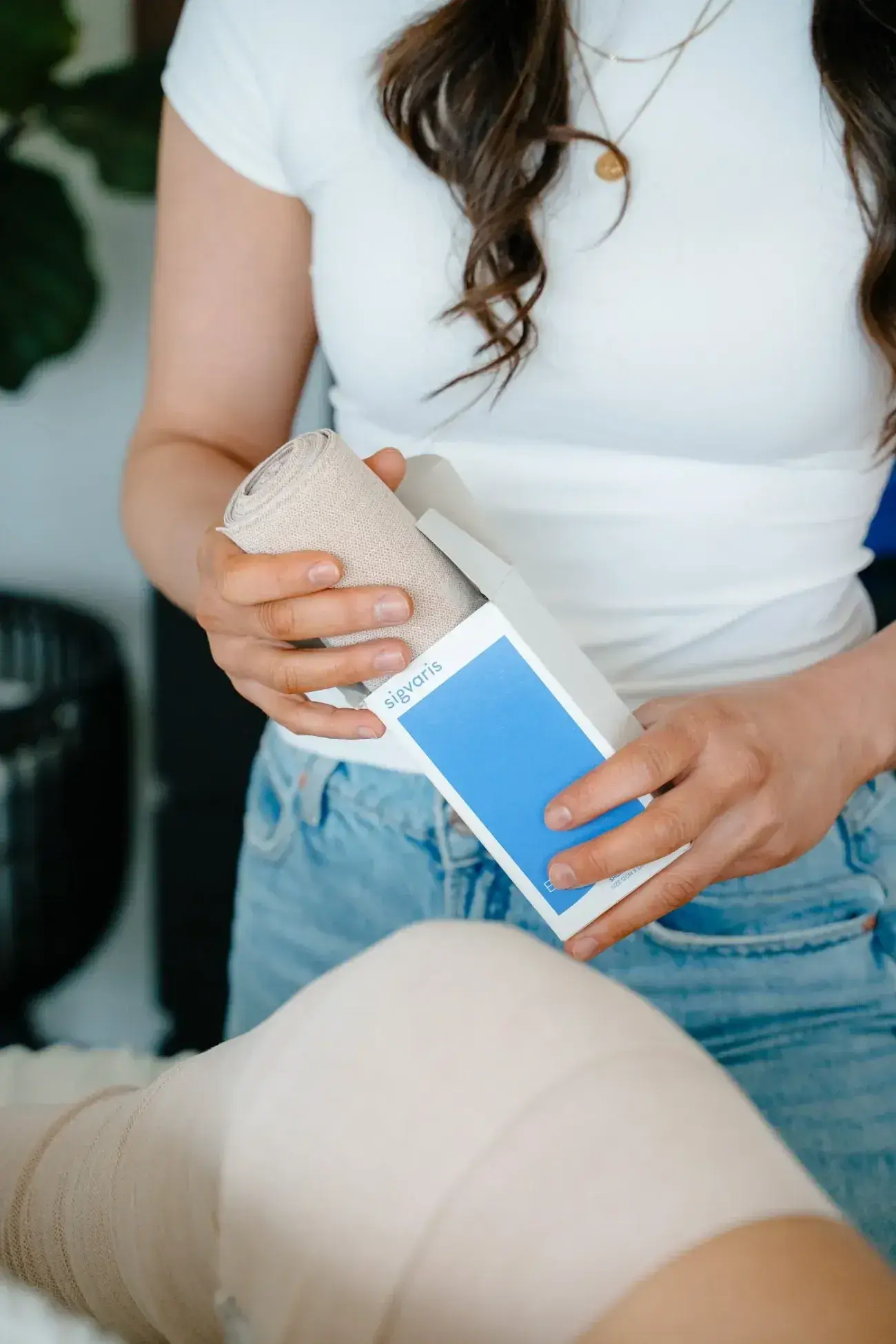
Then complete decongestive therapy is usually the right booking. Meeghan provides it as our Certified Lymphedema Therapist, combining manual lymphatic drainage with compression, skin care and exercise.
Sources
- Society for Oncology Massage (S4OM): Oncology massage 101
- Pain Medicine (2016): Impact of massage therapy on function in pain populations, systematic review and meta-analysis, part II: cancer pain populations
- Canadian Cancer Society: Types of complementary therapies
- Cleveland Clinic: Lymphatic drainage massage
- NCCIH: Massage therapy, what you need to know
- National Lymphedema Network: Evidence-based practices for lymphedema risk reduction (position statement, 2026)
Page reviewed October 5, 2026. This page is education, not a diagnosis. For your own situation, talk to your doctor, surgeon or care team, or ask us.
Keep reading
Related pages