Comparison
Reflexology vs massage therapy
Reflexology vs massage therapy: reflexology presses foot or hand points based on a zone map; massage treats the muscles directly. Evidence, safety, choice.
By The Renu lymphatic and massage team · 5 min read
Reflexology applies pressure to points on the feet, hands or ears on the idea that each point corresponds to an organ or body area, while massage therapy works directly on the muscles and soft tissues where you feel the problem. Systematic reviews have not shown convincingly that reflexology treats any medical condition, though many people find it relaxing. Massage has low-strength but real evidence for back and neck pain. For a muscle or joint complaint, or an RMT receipt, book massage.
Reflexology and massage both involve skilled hands and a quiet room, and both leave most people feeling calmer. The difference is in where the hands go and why. Massage works on the tissue that is sore. Reflexology works on the feet or hands with the aim of affecting somewhere else. That single difference shapes the evidence, the safety advice and the right choice for your situation.
Two different ideas about where to press
The core difference is the theory behind the touch. Reflexology is built on a map: it divides the body into ten equal vertical zones, five on each side, and holds that areas of the feet correspond to organs and structures within those zones. Pressing a point on the foot is meant to influence the matching area of the body. There is no scientific evidence for that connection between foot points and organs.
Cancer Research UK describes reflexology as gentle pressure applied to the feet or hands, aiming to bring about relaxation and support the body’s own healing. A session usually lasts 30 to 60 minutes, lying down or reclining, and while most people find it soothing, some points can feel uncomfortable.
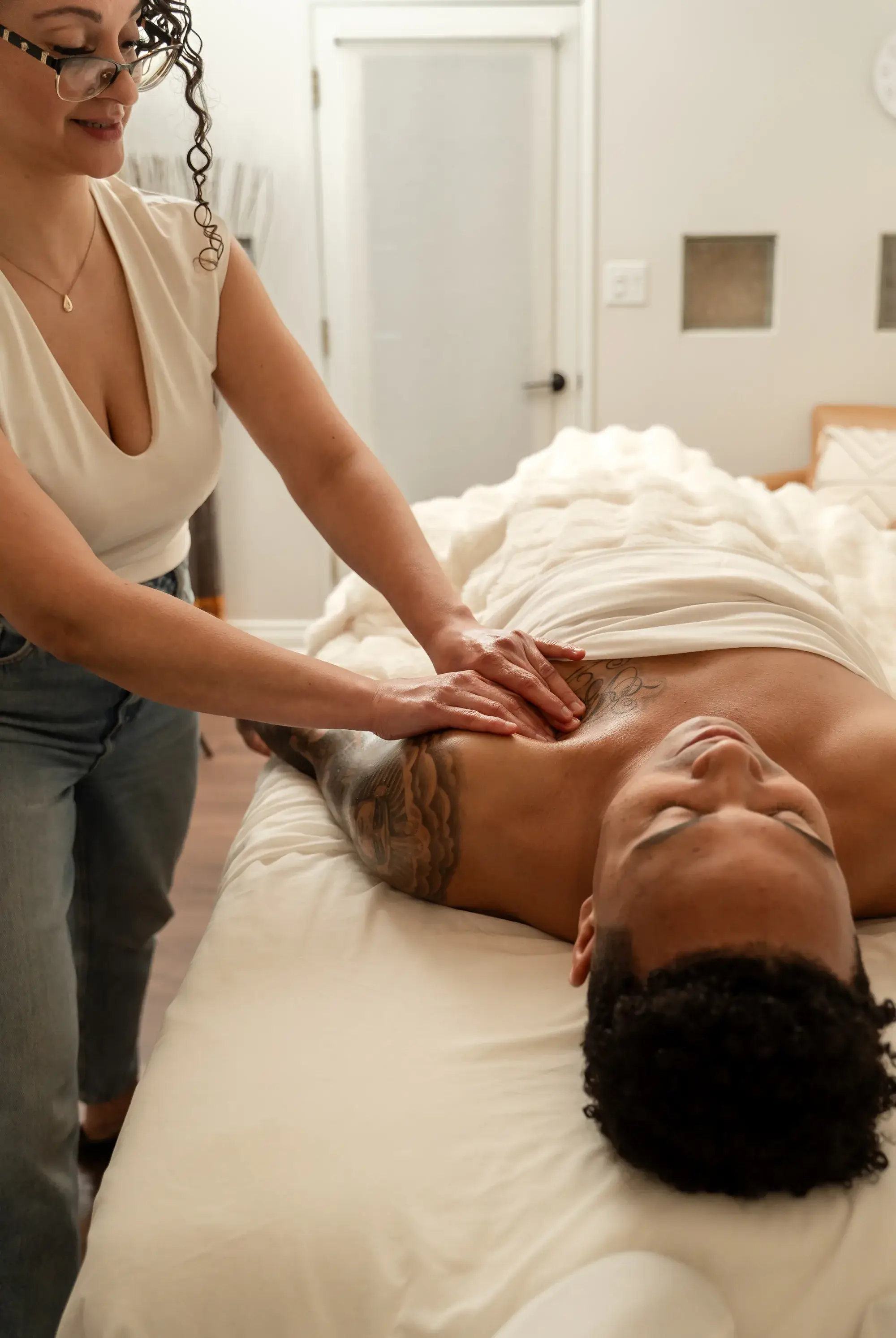
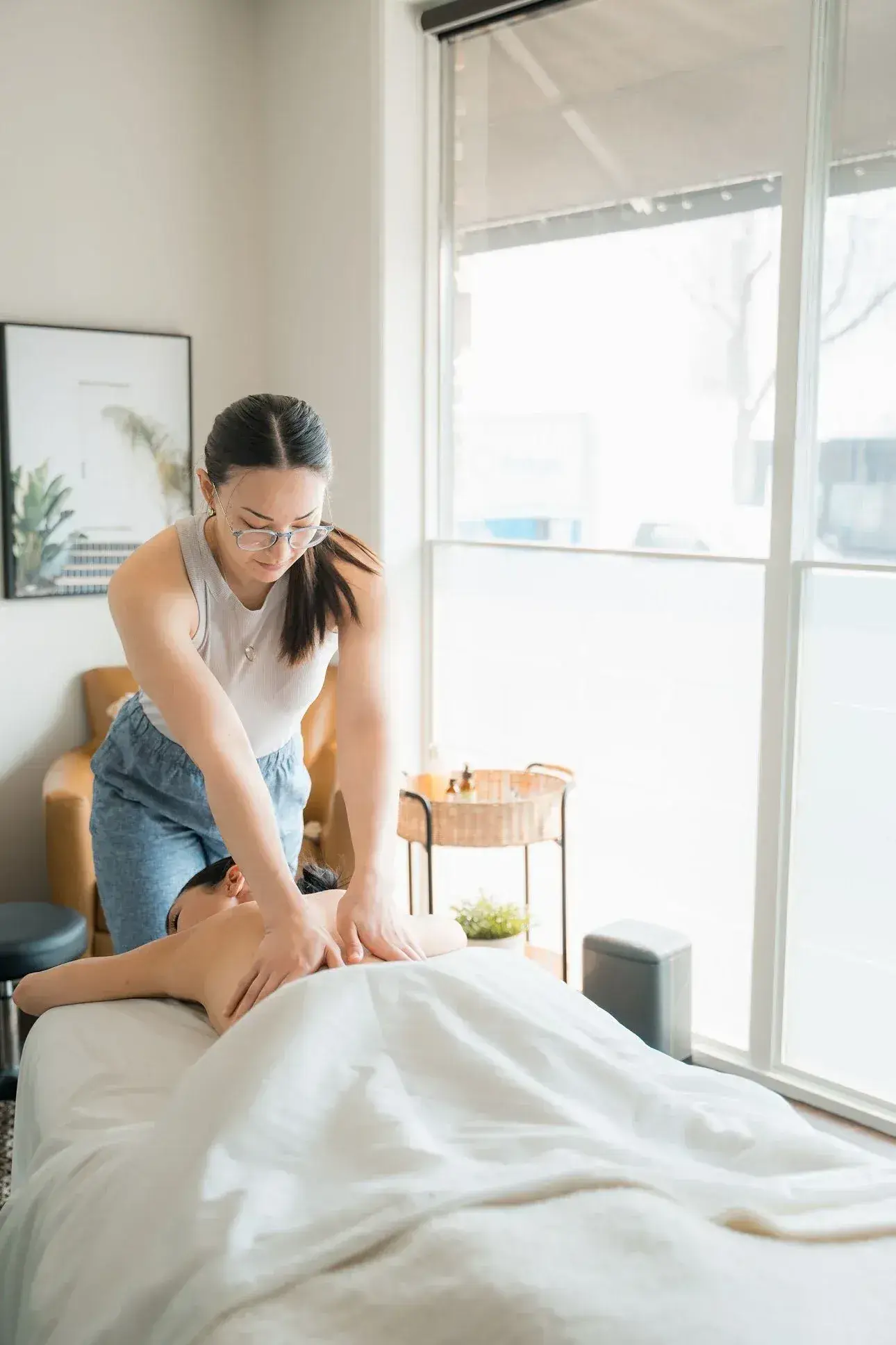
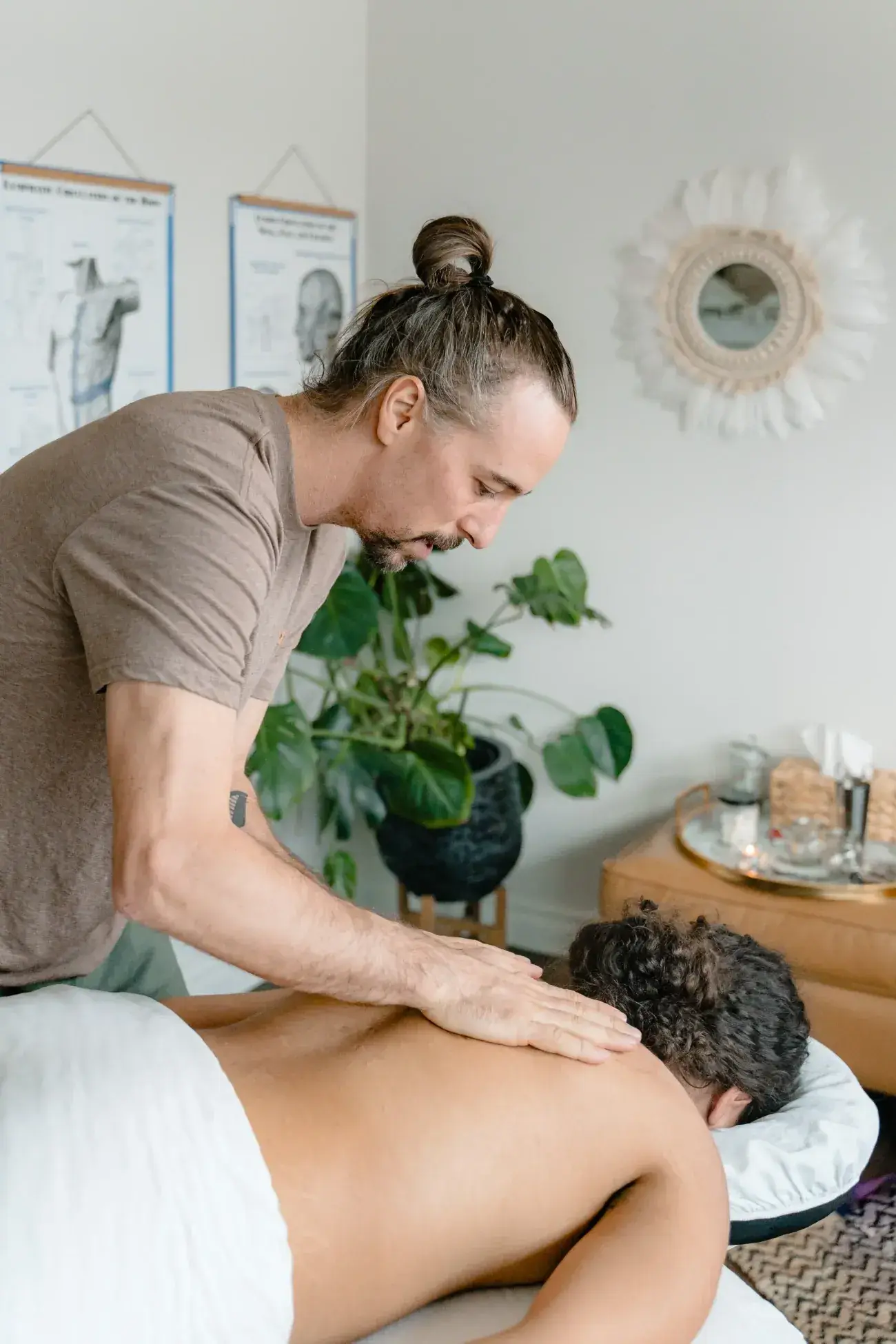
Massage therapy has no map of that kind. A Registered Massage Therapist assesses the muscles and soft tissue, then treats the area that hurts directly: the tight upper back, the sore hip, the strained calf. If your feet ache, a massage therapist will work on your feet because the problem is in your feet.
| Reflexology | Massage therapy | |
|---|---|---|
| Where the hands go | Feet, hands or ears | The muscles and soft tissue involved, often full body |
| Underlying idea | Points correspond to organs in ten zones | Treat the tissue that is sore or tight |
| Typical session | 30 to 60 minutes, reclining | 30 to 90 minutes or more, on a table |
| Evidence for medical conditions | Not convincing in systematic reviews | Low-strength for back pain; short-term help for neck and shoulder pain |
| Canadian credential | Association certification (for example RAC) | Association membership after 2,200-hour training |
What the evidence says about each
Reflexology’s evidence is weak for treating conditions, while massage’s evidence is modest but real for common muscle and joint pain.
Reflexology. A 2009 systematic review in the Medical Journal of Australia found 18 randomized trials across conditions from back pain and headache to multiple sclerosis and cancer palliation. Five were positive, quality was often poor, and most of the higher-quality trials did not show benefit. The authors concluded that the best evidence does not convincingly show reflexology is effective for any medical condition. A 2011 update covering 23 trials found nine high-quality trials negative and five positive, and reached the same conclusion. Cancer Research UK adds that research suggests reflexology may help with relaxation, stress, pain and mood, but most studies have been small with mixed results.
Massage. The US National Center for Complementary and Integrative Health summarizes the evidence this way: massage helped chronic low back pain, though the strength of the evidence was low, and it helped neck and shoulder pain more than inactive treatments, though not more than other active ones.
The fair conclusion: if relaxation is what you are after, either may give it to you. If you want treatment for a specific muscle or joint problem, massage is aimed at the problem itself.
Safety: who should take care
Both are low-risk for most people, but each has its own cautions.
For reflexology, Cancer Research UK advises avoiding it or taking care with:
- circulation problems in the feet;
- inflammation of leg veins, or blood clots;
- gout;
- foot ulcers;
- fungal infections such as athlete’s foot;
- a low platelet count.
Some people feel light-headed, have tender feet or feel emotional afterwards. Tell the practitioner about any medical condition and any cancer treatment first.
For massage, NCCIH notes that the risk of harm appears low, with rare reports of serious problems such as a blood clot, nerve injury or bone fracture, and that therapists may need gentler pressure for people having cancer treatment. Your health history at the start of the session is how a therapist screens for these.
Training and credentials in Canada and Alberta
Neither practice is regulated in Alberta, so credentials come from associations. The Reflexology Association of Canada describes itself as a federally chartered, non-profit association formed in 1976; it offers foot, hand and ear certification courses and lists registered members under its RCRT designation.
Massage therapy is not regulated in Alberta either. The Massage Therapist Association of Alberta explains that a regulation application is with the provincial government and that “RMT” is not yet a protected title. In practice, massage associations require at least 2,200 hours of training, and that standard is what many benefit plans use. Our page on whether massage therapy is regulated in Alberta has the full background.
How to choose
A short guide:
- You want to unwind, enjoy having your feet worked on and are comfortable with limited evidence: reflexology may suit you.
- You have a muscle or joint complaint, such as a sore back, tight neck or aching legs: book massage, aimed at the tissue involved.
- You want to claim the visit on your benefits: check your plan’s wording first; for massage, plans look for a therapist who meets the 2,200-hour standard.
- You have diabetes, circulation problems, a clot history or are in cancer treatment: speak with your doctor first and tell any practitioner at intake.
Massage at Renu
Renu does not offer reflexology; our hands-on work is massage therapy with Registered Massage Therapists. If you love having your feet treated, say so: feet and lower legs can be part of your session, as massage rather than zone-based reflexology.
- Massage, 60 minutes, $120, or 90 minutes, $157 for a full-body session with unhurried time on the feet and legs.
- Other lengths, and the therapists who offer them, are on our massage therapy page.
Book through Jane online. We are on 19 Street NW, open seven days a week, with free street parking on 19 Street.
Questions people ask
Is reflexology just a foot massage?
Not quite. A foot massage aims to relax the feet themselves, while reflexology presses specific points on the premise that they correspond to organs and other parts of the body. That premise has no scientific evidence behind it, but the hands-on pressure can still feel relaxing.
Can a massage therapist include foot work in my massage?
Yes. Feet and lower legs can be part of a full-body massage, and you can ask for extra time there. It will be massage of the feet themselves, not reflexology based on a zone map.
Who should avoid reflexology?
Cancer Research UK advises avoiding it or taking care if you have circulation problems in the feet, inflamed leg veins or blood clots, gout, foot ulcers, fungal infections such as athlete's foot, or a low platelet count. Tell the practitioner about any medical condition or cancer treatment first.
Is reflexology covered by benefits in Alberta?
Coverage depends entirely on your plan's wording, so check before you book. Australia removed reflexology from private health insurance rebates in 2017 over the lack of evidence, which shows how insurers can view it.
Sources
- Medical Journal of Australia (2009): Is reflexology an effective intervention? A systematic review of randomised controlled trials
- Maturitas (2011): Reflexology, an update of a systematic review of randomised clinical trials
- Cancer Research UK: Reflexology
- Wikipedia: Reflexology
- Reflexology Association of Canada
- Reflexology Association of Canada: Training
- NCCIH: Massage therapy, what you need to know
- Massage Therapist Association of Alberta: Regulation FAQ
Page reviewed October 5, 2026. This page is education, not a diagnosis. For your own situation, talk to your doctor, surgeon or care team, or ask us.
Keep reading
Related pages