
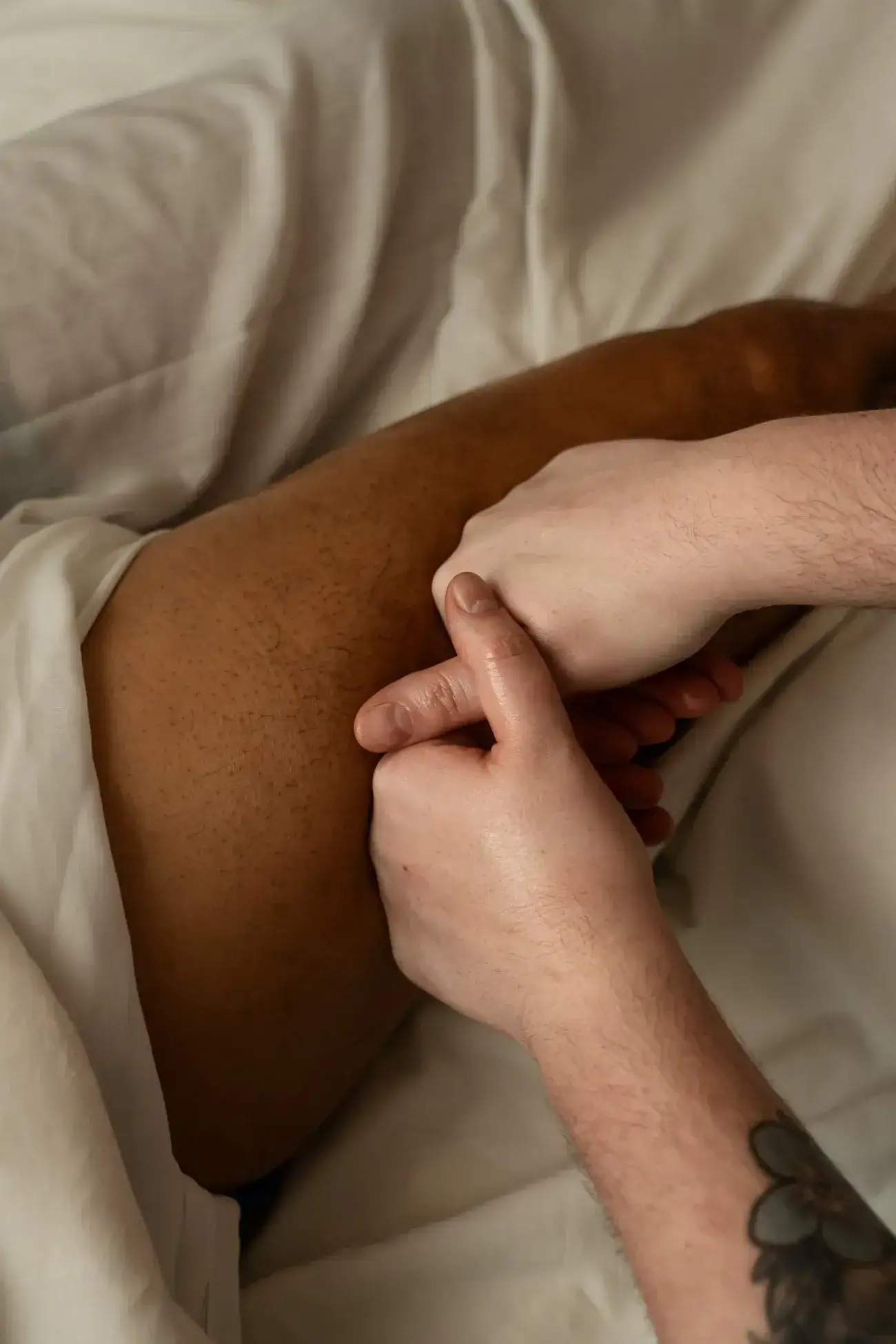
Massage for dancers in Calgary
Massage for dancers in Calgary: overuse aches in feet, ankles, hips and back, why hypermobility changes the approach, and how to time sessions around shows.
By The Renu lymphatic and massage team · 5 min read
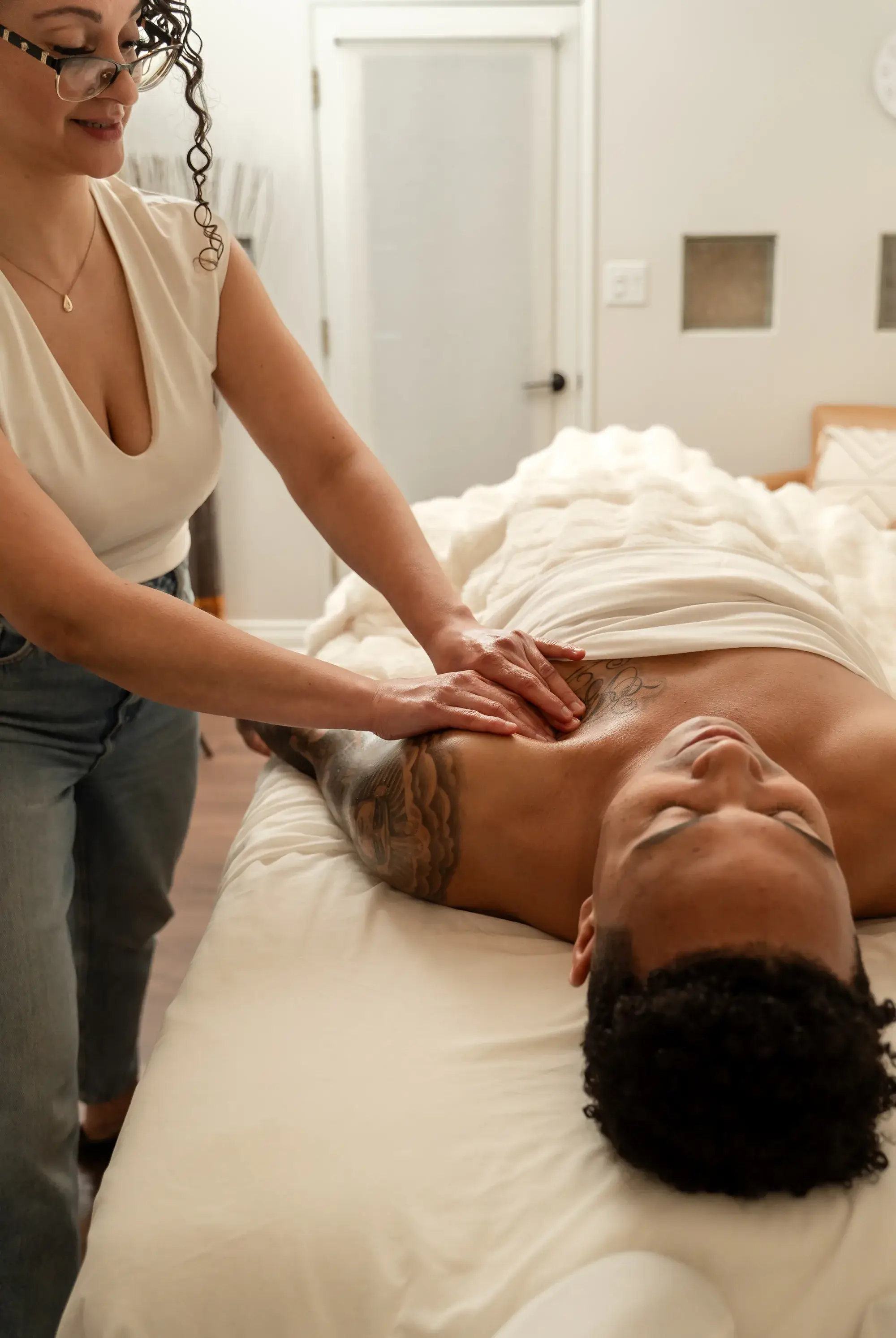
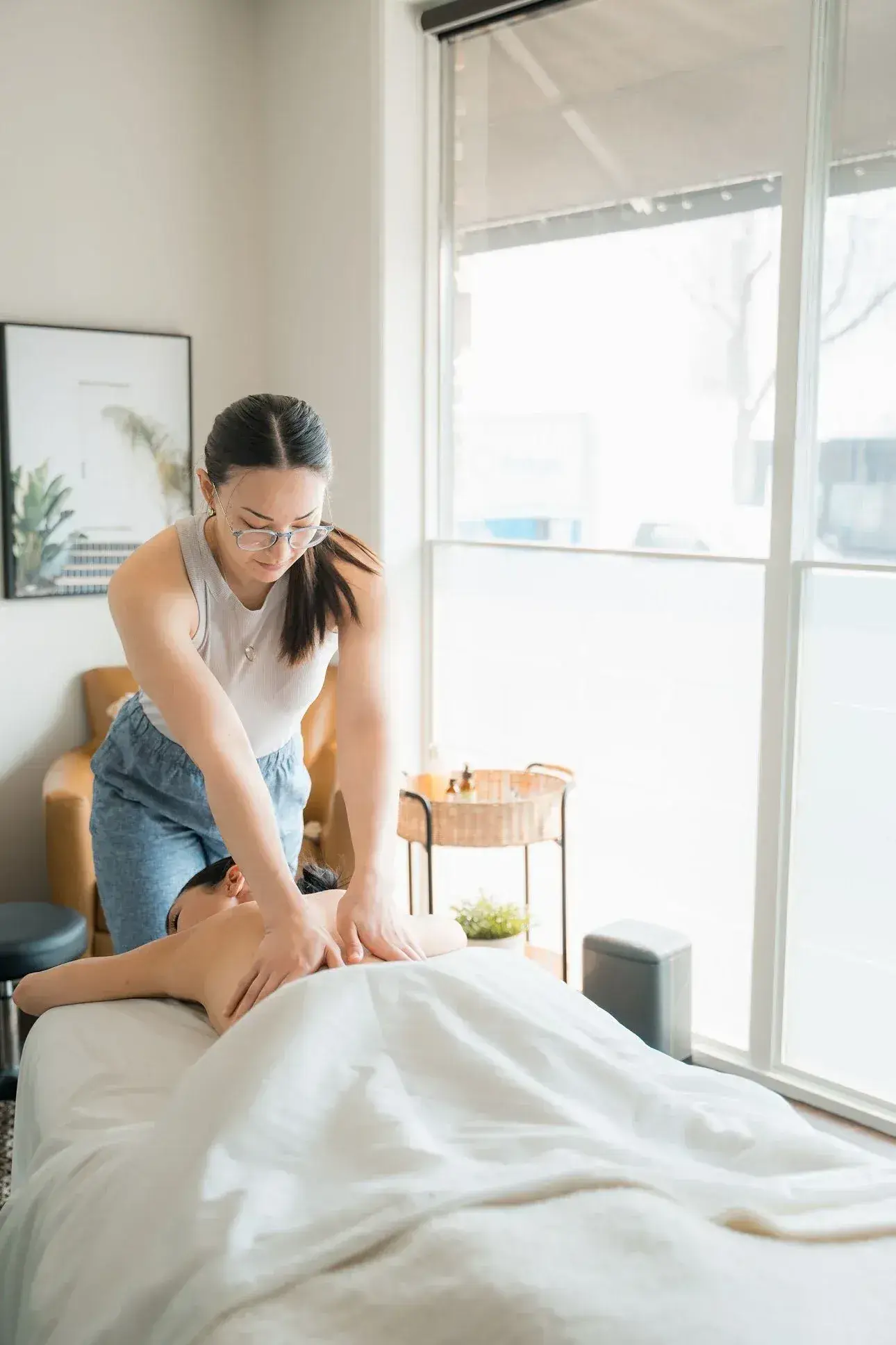
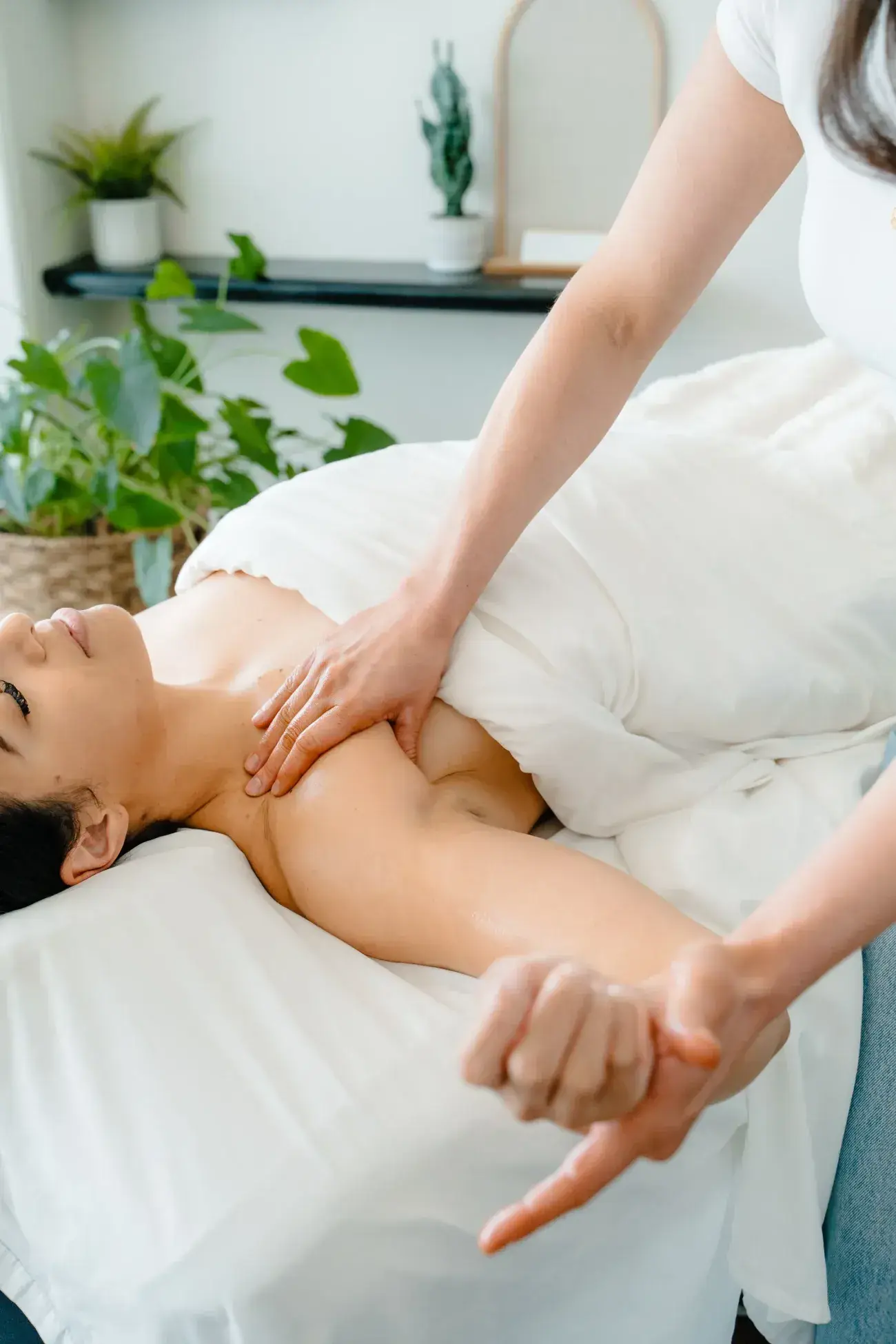
Massage can help dancers manage the overuse tightness that builds in the calves, feet, hips and back through a training or performance season. Many dancers are hypermobile, so the work should loosen muscle without pushing already-flexible joints further. Book lighter sessions close to shows, deeper work in lighter weeks, and have any new joint pain, especially in the ankle, assessed before massage.
How massage fits a dancer’s season
For dancers, massage is mostly about overuse: the steady build-up of tightness in calves, feet, hips and the low back from hours of class, rehearsal and performance. It eases that tightness, helps you notice early which areas are taking the strain, and gives your body a recovery hour in heavy weeks. It does not replace assessment of an injury, and the timing matters as much as the technique.
Calgary has a serious dance community to look after. Alberta Ballet merged with the Calgary City Ballet in 1990 and moved into the Nat Christie Centre in Calgary, and it is a resident company of the Southern Alberta Jubilee Auditorium. Around it sit schools, studios and companies training dancers from childhood to professional level.
Overuse is the main story
Dance injuries are common, and most of them build slowly. A year of data from a professional ballet company of 52 dancers recorded 355 injuries: 4.4 injuries per 1,000 hours of dance, an average of 6.8 per dancer, and 64% of them overuse injuries.
Students are not spared. Among 266 full-time pre-professional ballet students aged 15 to 19, the risk of injury over one school year was 76%. Joints were the structures most often injured, the ankle was the body area most often affected, and overuse injuries outnumbered traumatic ones. Risk rose as students moved up through their three years of training.
The pattern is not limited to ballet companies. In a Broadway show using ballet technique, most injuries involved the foot and ankle, as in classical companies.
What this means on the table:
- Calves and feet get the most attention for most dancers: relevé, pointe, jumps and landings all load them.
- Hips carry turnout, extensions and lifts.
- The low back absorbs arabesques, cambrés and partnering.
- Early signs matter. An area that is tighter every week is worth mentioning before it becomes an injury.
Hypermobility changes the approach
Many dancers are more flexible than the general population, and that shapes how a massage should go. In a study of 77 jazz dancers from a Polish dance theatre, the prevalence of joint hypermobility syndrome was 64.9% by the Beighton score and 74% by the Grahame and Hakim questionnaire, and it was more common in women. In 73 young pre-professional ballet dancers with an average age of 13.7, 61.6% had been injured in the previous 18 months, mostly overuse injuries in the lower limbs, and joint hypermobility and fatigue predicted who had been injured.
For a hypermobile dancer, our approach is to work the muscle and leave the joint range alone:
- muscle work on tight, guarding areas rather than long passive stretches
- no pushing a joint toward the end of a range it already overshoots
- attention to fatigue: a tired, flexible body is the combination linked with injury
- clear communication if anything feels unstable rather than tight
If you have never been assessed but can bend your thumb to your forearm or your knees and elbows go past straight, mention it at intake; it changes how your therapist reads tight muscle. Our page on joint hypermobility explains the condition and how it differs from simply being flexible.
Timing massage around rehearsals and shows
The same massage can feel great or leave you heavy depending on when you have it. A simple pattern many dancers use:
| Point in the season | What to book |
|---|---|
| Heavy rehearsal weeks | 60 or 90 minutes, moderate to firm, legs, hips and back |
| A day or two before opening | 45 minutes, light, focused on what feels tight |
| During a show run | Short, light sessions on rest days only |
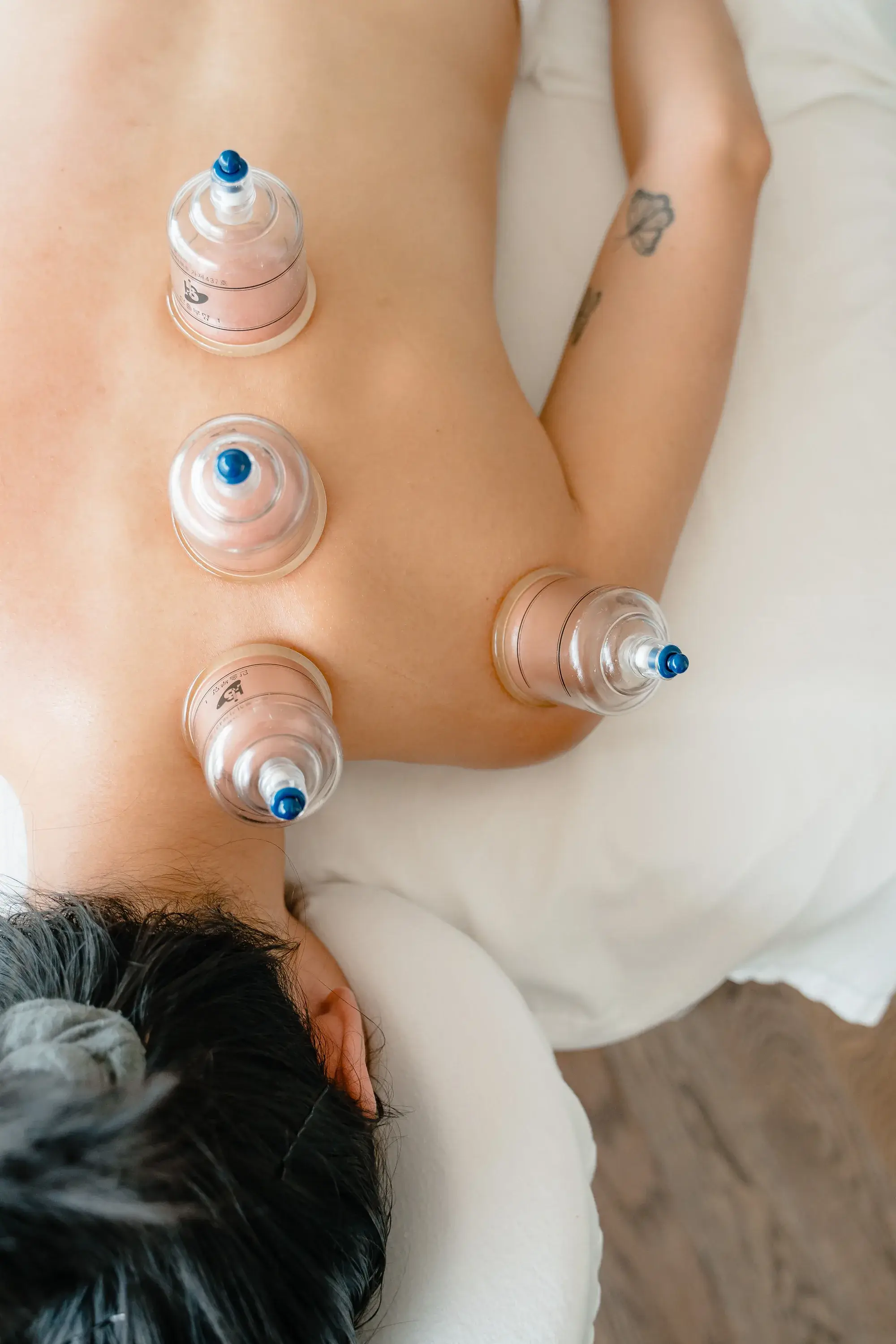
| The week after closing | 90 minutes, or myofascial cupping for the calves and back |
The principle is the same one runners use before a race; how long before a race to get a sports massage explains it in more detail. Myofascial cupping, which glides silicone cups across the skin, is popular with dancers for calves, hamstrings and the back, but it can leave marks, so keep it well away from costumes that show skin. See myofascial cupping.
Young dancers and low back pain
Adolescent dancers have their own concerns. In 50 female pre-professional dancers aged 14 to 18, 15 reported a history of low back pain. Hypermobility and scoliosis were not linked with it in that group; starting dance before age 6, hip asymmetry and less internal hip rotation were. If you are booking for a dancer under 18, ask us what we need from a parent or guardian; our page on massage for teens covers consent and growth-related pain.
When to get assessed before massage
Book an assessment with a doctor or physiotherapist first, rather than a massage, if you have:
- ankle pain after a rolled ankle or a bad landing, especially with swelling or trouble taking weight (see ankle sprain)
- pain over bone that gets worse with each class, which can be a stress injury
- a joint that feels like it gives way or slips
- low back pain that radiates down a leg or comes with numbness
Once you know what you are dealing with, massage can sit alongside your rehabilitation. We are open seven days a week, until 8:30 pm on weekdays, which suits evening classes, and you book through Jane. Lengths and prices are on our massage therapy page.
Questions people ask
Should a hypermobile dancer avoid deep tissue massage?
Not necessarily, but the aim changes. Firm work on muscle that is guarding a lax joint can be fine; what we avoid is stretching that takes a hypermobile joint further than it already goes. Tell your therapist your Beighton score or diagnosis if you know it.
How close to a performance can I have a massage?
Keep it light and short in the day or two before a show, so you do not feel heavy or sore on stage. Save deeper work and cupping for the week after a run or a lighter rehearsal block.
Can massage help my calves after pointe or jumping?
Calf and foot tightness is one of the most common reasons dancers book. Massage eases it, but persistent pain over bone, or pain that worsens with each class, needs an assessment for a stress injury first.
Do you treat young dance students?
Ask us before you book for a dancer under 18, and we will explain what we need from a parent or guardian. Our page on massage for teens covers how consent works for young people.
Sources
- Allen et al., J Orthop Sports Phys Ther 2012: Ballet injuries, injury incidence and severity over 1 year
- Ekegren, Quested and Brodrick, J Sci Med Sport 2014: Injuries in pre-professional ballet dancers
- Dondin and Baeza-Velasco, 2023: Joint hypermobility and fatigue are associated with injuries in preprofessional ballet dancers
- Skwiot et al., 2019: Hypermobility of joints in dancers
- Bronner and Brownstein, 1997: Profile of dance injuries in a Broadway show
- Everaert et al., 2024: Bone maturation, menstrual cycle, hypermobility, scoliosis and low back pain in pre-professional female adolescent dancers
- Wikipedia: Alberta Ballet
Page reviewed October 5, 2026. This page is education, not a diagnosis. For your own situation, talk to your doctor, surgeon or care team, or ask us.
Keep reading
Related pages