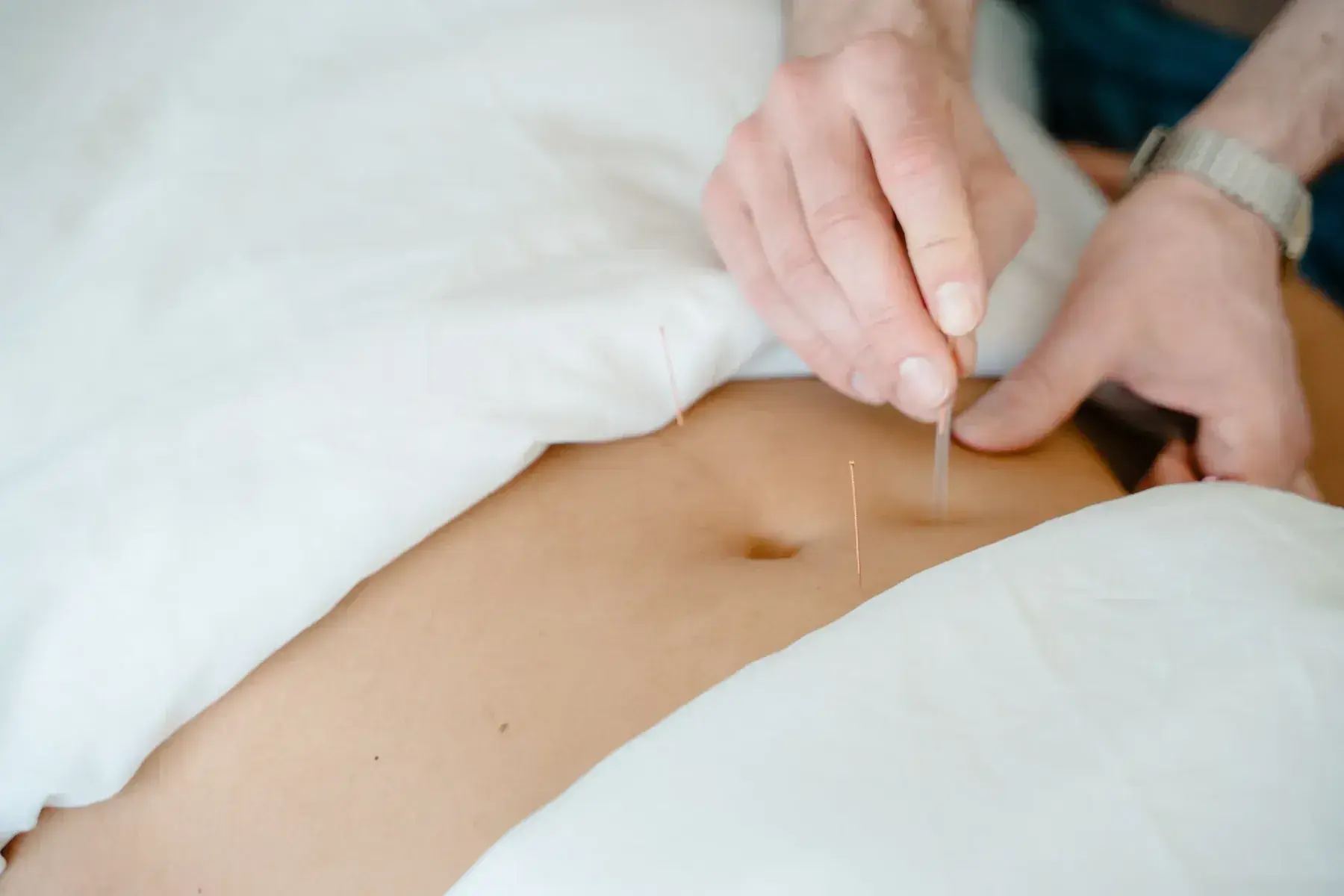

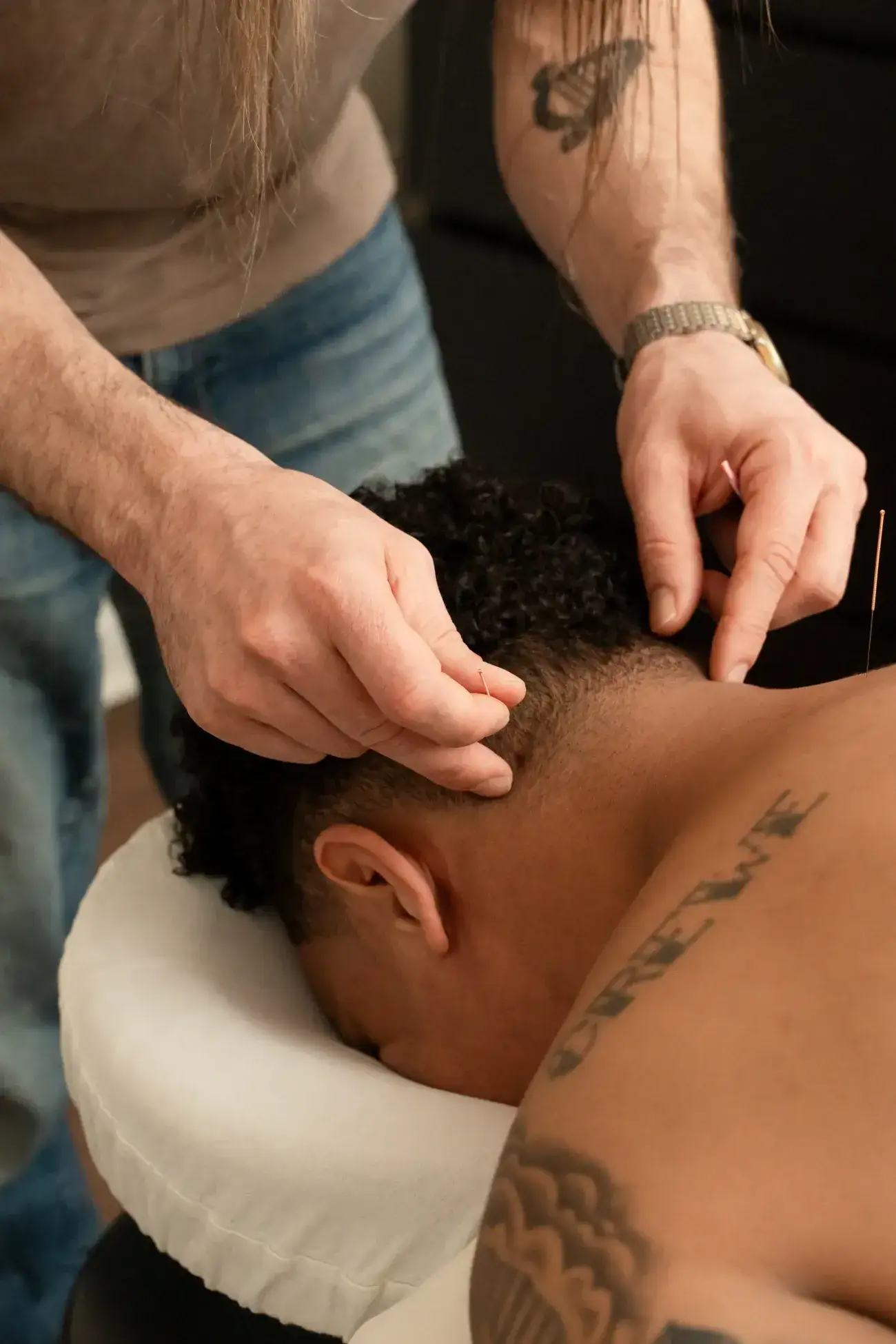
Acupuncture for stroke recovery
Acupuncture for stroke recovery may add a little to rehab in the months after a stroke, but the evidence is weak and it never replaces physio, OT or speech.
By The Renu lymphatic and massage team · 5 min read
Acupuncture may offer a small extra benefit when it is added to rehabilitation in the months after a stroke, but the evidence is weak. A 2016 Cochrane review of 31 trials found possible gains in independence and neurological deficit compared with no acupuncture, yet no difference from sham acupuncture for movement or quality of life, and judged the evidence too poor to recommend routine use. It can sit alongside physiotherapy, occupational and speech therapy once your stroke team agrees, and never for a stroke that is happening now.
Families often hear about acupuncture for stroke from relatives, from friends who have had treatment overseas or from a rehab waiting room. It is a fair question to ask, and it deserves a straight answer: the research hints at some benefit when acupuncture is added to rehabilitation, but the trials are mostly small and of low quality, and the most careful comparisons against sham needling found little difference. At Renu we treat it as a possible add-on to the work of your stroke team, never a substitute for it.
What the Cochrane reviews found
The best summary of the evidence is the Cochrane review, updated in 2016. It included 31 trials with 2,257 people in the subacute or chronic stage of stroke (the convalescent period after the first weeks).
Its findings split two ways:
- Against sham acupuncture, in the two trials that tested it, there was no evidence of a difference in motor function or quality of life.
- Against no acupuncture, in 29 trials where both groups received their usual treatment, acupuncture was linked to better scores for dependency in daily activities, global neurological deficit and some specific impairments, including movement, thinking, mood, swallowing and pain.
The quality of evidence for the main outcomes was rated low or very low, most trials were small, and none reported on death or the need for institutional care. The authors concluded that there was inadequate evidence to support routine use and called for large, rigorous trials. The earlier 2006 version, with only five trials, found no clear evidence either way.
A separate overview graded the strongest systematic reviews with the same GRADE system. It found benefits for neurological function and swallowing but, because of poor evidence quality and limited information on harms, gave acupuncture only a weak recommendation for stroke rehabilitation.
Symptoms where acupuncture has been studied
Beyond overall recovery, researchers have looked at specific problems that linger after a stroke. These are the areas where the reviews we read report a signal:
| Problem after stroke | What the review found | Caveat |
|---|---|---|
| Spasticity | Acupuncture or electroacupuncture reduced spasticity, especially at the wrist, knee and elbow | Only five trials; long-term effects unknown |
| Swallowing difficulty (dysphagia) | Higher short-term improvement rate than rehabilitation or medication alone, in 29 trials | Medium-quality Chinese trials; short-term only |
| Post-stroke depression | Acupuncture alone or combined with other treatment lowered depression scores in 62 trials | Network meta-analysis; mixed comparisons |
None of these replace the core treatments. Spasticity is managed by your physiotherapist and physician, swallowing by a speech-language pathologist, and depression by your doctor or mental health team. Acupuncture is a possible extra.
Who might reasonably try it
Acupuncture is most worth considering when you are past the early weeks, medically stable, already doing your rehab, and want to see whether it adds anything for a specific problem such as a tight wrist, low mood or a painful shoulder. It makes less sense as a way to restore movement on its own, since the sham-controlled trials did not show that.
Before booking, check these with your doctor:
- Blood thinners. Many survivors take anticoagulant or antiplatelet medicine. Our answer on massage, cupping or acupuncture on blood thinners explains why this needs a medical conversation first.
- Skin and sensation. If you have reduced feeling on one side, you may not notice discomfort at a needle site, so say so at your intake.
- Seizures, heart devices or recent surgery. Mention all of these on your intake form.
The Cochrane review noted that a few people felt sick during treatment or could not tolerate pain at needle points, and no serious adverse events were obvious in the trials. Our general guide to whether acupuncture is safe covers needle safety in more detail.
Never for a stroke that is happening now
Acupuncture has no place in the emergency phase of a stroke. Heart and Stroke reminds Canadians that after 911, every minute counts. Call 911 at once for:
- Face: one side drooping, or a smile that looks uneven;
- Arms: weakness or numbness, or one arm that cannot be held up;
- Speech: slurred, confused or lost words;
- Time: call 911 straight away, even if the signs pass.
The NHS also lists sudden blurred vision or loss of sight, dizziness or falling over, confusion and a sudden severe headache. The NHS is clear that symptoms which stop after a short time still need medical help straight away. Do not drive yourself.
If any of these signs appear at any point, including on the treatment table, say so at once so 911 can be called.
How acupuncture for stroke recovery works at Renu
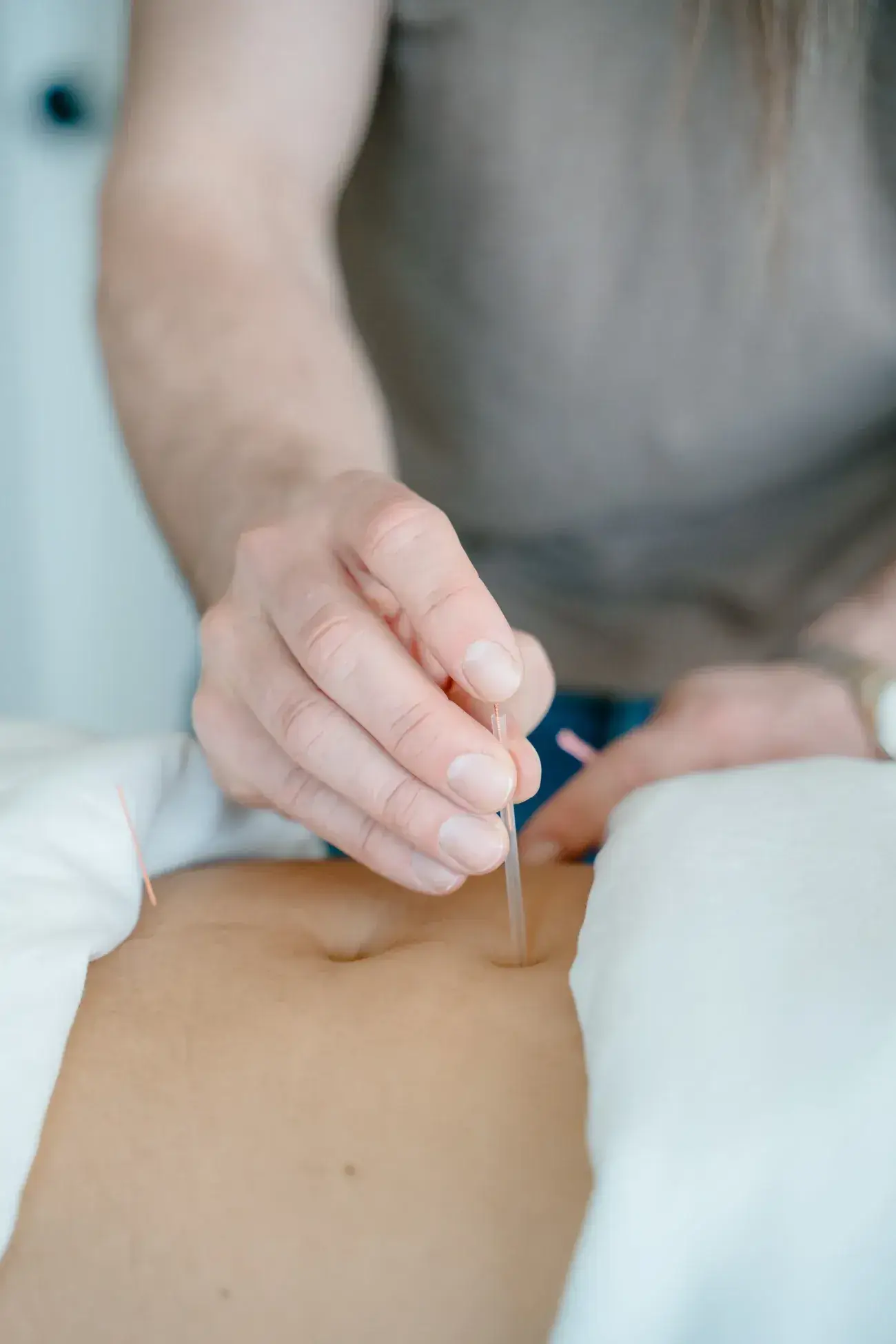
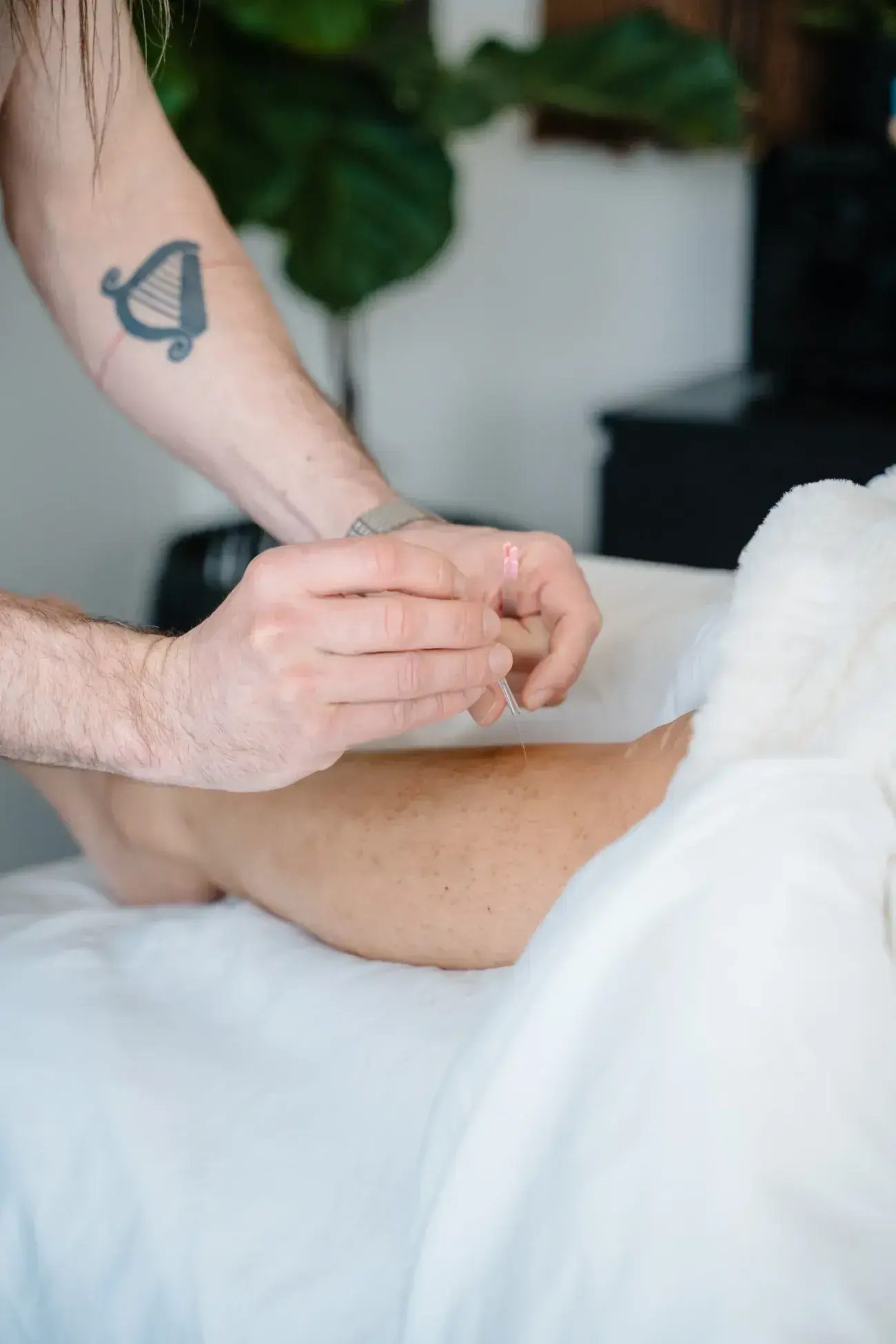
At Renu, acupuncture is Dr. Will Tanner’s work; he is both a Registered Massage Therapist and an acupuncturist. The first visit is a 90-minute initial consultation and treatment ($150), with time to go through your stroke history, medicines, rehab goals and how you move on and off the table. Return visits are 60 minutes ($120), and shorter follow-ups are 45 minutes ($85).
Many survivors also carry a sore shoulder, neck or hip from moving unevenly. The 90-minute acupuncture and massage combination ($167) pairs needling with massage in one visit. For shoulder pain on the weak side specifically, our page on massage for shoulder pain after a stroke explains how that arm should be handled.
Bring a family member to the first appointment if that helps, book through Jane, and tell us in the booking notes if you use a cane, walker or wheelchair so we can plan the visit. If you want to know what the first session involves step by step, read our guide to the first acupuncture appointment.
Questions people ask
Is acupuncture used for stroke in hospitals in China?
Yes. The Cochrane reviewers note that acupuncture has been used for stroke in China for hundreds of years and is increasingly practised in some Western countries. Wide use is not the same as proof, which is why the reviews look so closely at trial quality.
Does scalp acupuncture work better than body acupuncture for stroke?
The reviews we read did not settle that question. The Cochrane review pooled different styles of needling, and its authors called for large, well-designed trials before firm conclusions are drawn about any style.
Can acupuncture help me swallow better after a stroke?
A meta-analysis of 29 Chinese trials found a higher rate of improvement in swallowing when acupuncture was added, in the short term and with no severe adverse events. Swallowing problems need a speech-language pathologist's assessment first, and their exercises and diet advice come before any add-on.
How many sessions would I need?
No trial gives a reliable number for stroke recovery. A sensible approach is to agree on a short block, pick one or two measurable goals with your rehab team, and review honestly before continuing.
Sources
- Yang et al., Cochrane Database of Systematic Reviews (2016): Acupuncture for stroke rehabilitation
- Wu et al., Cochrane Database of Systematic Reviews (2006): Acupuncture for stroke rehabilitation
- Xin et al., Scientific Reports (2015): GRADE in systematic reviews of acupuncture for stroke rehabilitation
- Lim et al., Evidence-Based Complementary and Alternative Medicine (2015): Acupuncture for spasticity after stroke, a meta-analysis
- Li et al., Chinese Journal of Integrative Medicine (2018): Acupuncture for post-stroke dysphagia, an updated meta-analysis
- Lam Ching et al., BMC Psychiatry (2023): Acupuncture for post-stroke depression, a network meta-analysis
- NHS: Symptoms of a stroke
- Heart and Stroke Foundation of Canada: Signs of stroke
Page reviewed October 5, 2026. This page is education, not a diagnosis. For your own situation, talk to your doctor, surgeon or care team, or ask us.
Keep reading
Related pages