
Acupuncture for hot flashes after breast cancer
Acupuncture for hot flashes after breast cancer: trials in survivors on tamoxifen or AIs found fewer flashes, without raising estrogen. What to expect.
By The Renu lymphatic and massage team · 5 min read
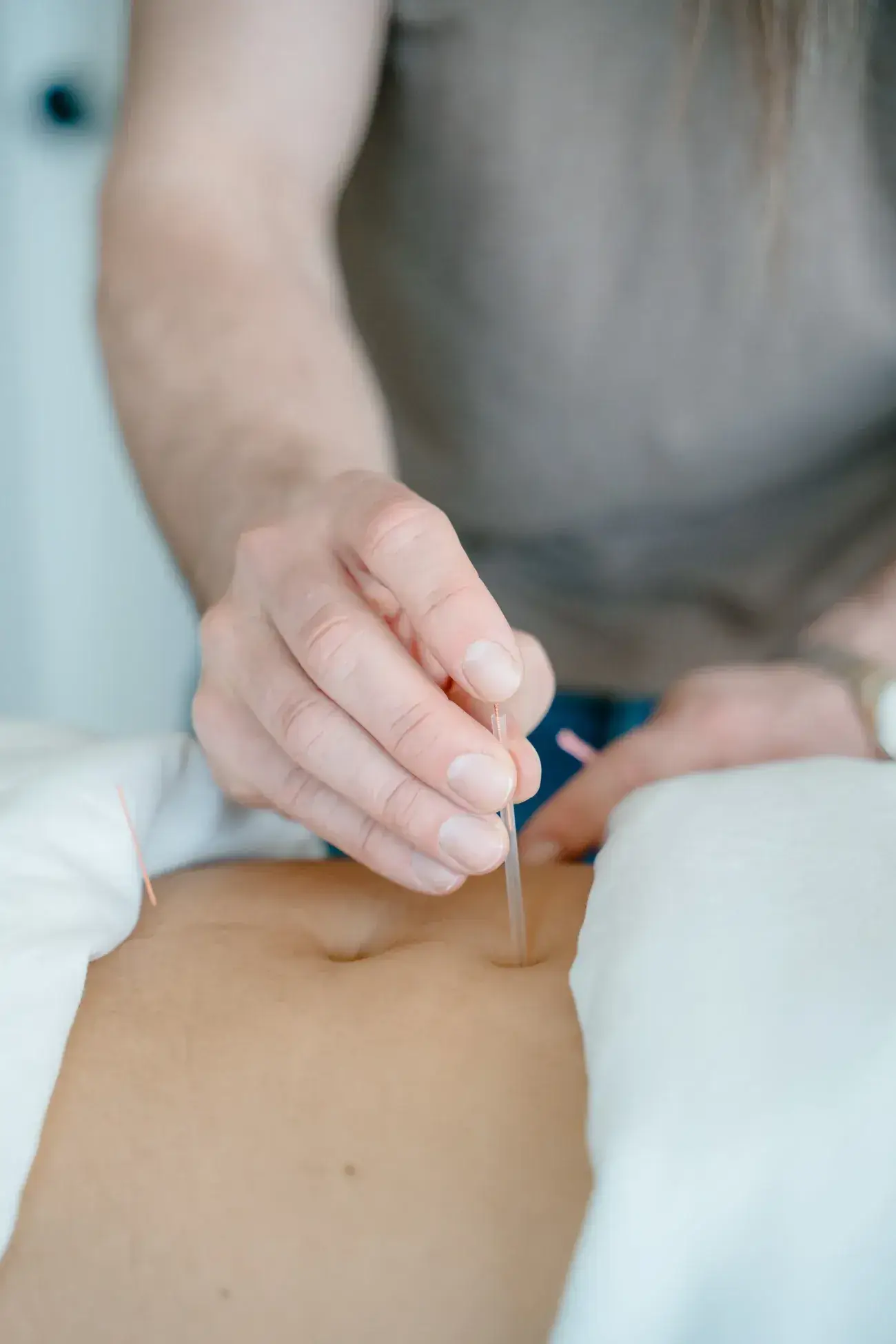
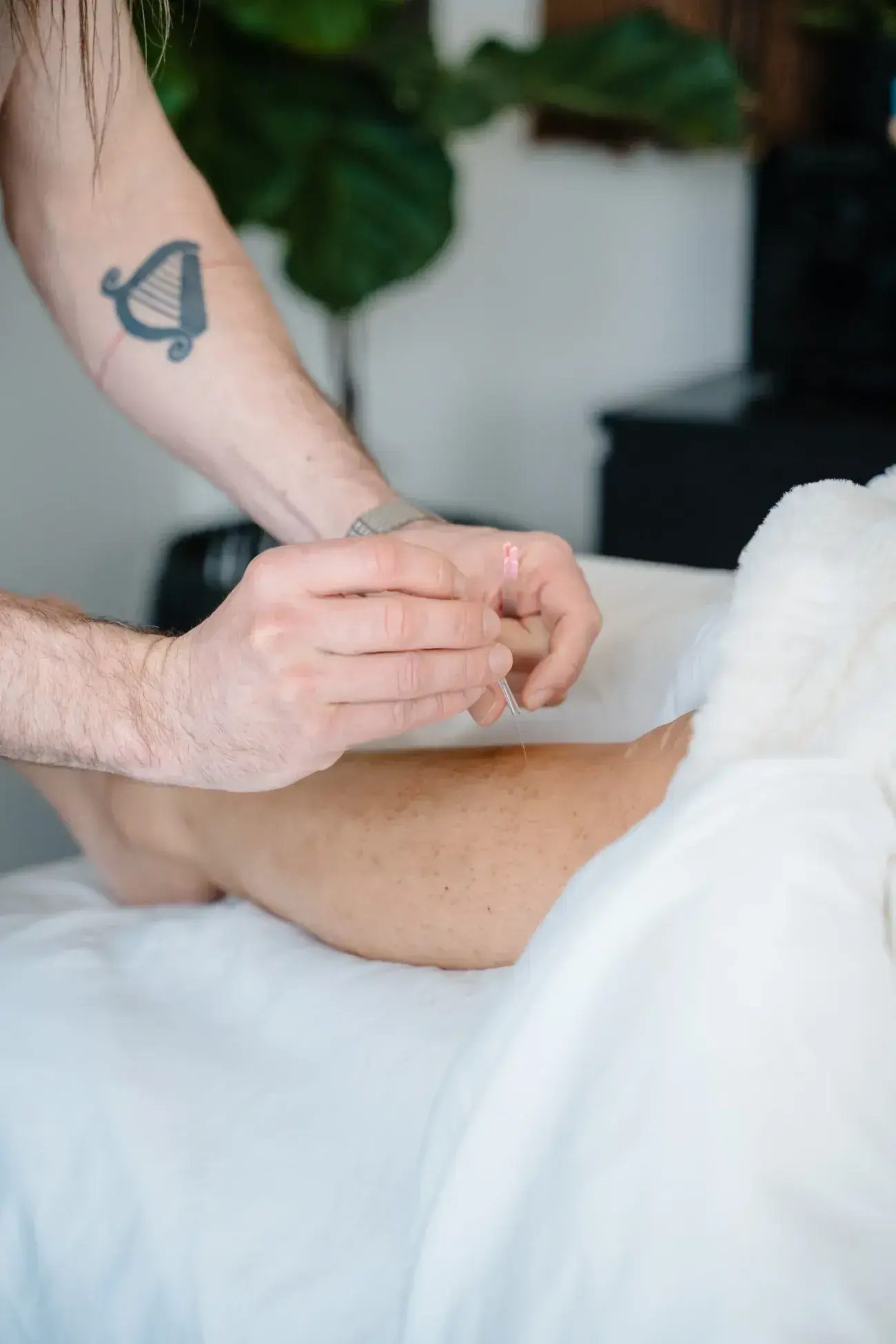
Acupuncture is a reasonable non-hormonal option for hot flashes after breast cancer, when hormone replacement therapy is off the table. Several randomised trials in survivors, many on tamoxifen, found fewer or milder hot flashes with acupuncture, one found no rise in estradiol, and one found it worked about as well as venlafaxine without the drug's side effects. Not every trial beat sham needling, so we offer it as support alongside your oncology team, with a plan for any at-risk arm agreed before the first needle.
For many breast cancer survivors, hot flashes are not a passing phase of menopause but a daily side effect of the treatment keeping cancer away. Acupuncture is one of the few non-hormonal options with trials done specifically in this group, and most of those trials point toward fewer, milder flashes. The evidence is not airtight, so we offer it as support alongside your oncology team, never as a reason to change your cancer treatment.
Why the usual menopause fix is off the table
Hormone replacement therapy is contraindicated after breast cancer. Most breast cancers are hormone receptor-positive, which is why the Canadian Cancer Society notes that most people with breast cancer have hormone therapy, usually tamoxifen or an aromatase inhibitor, for a total of 5 to 10 years. Hot flashes and sweating are among its most common side effects.
That leaves survivors with a long stretch of symptoms and a short list of options. Venlafaxine, an antidepressant, has been a common prescription for these flashes, but in one trial it caused 18 reported side effects such as nausea, dry mouth, dizziness and anxiety. It is in that gap that acupuncture gets asked about.
What the trials in survivors found
The National Cancer Institute’s summary for health professionals notes that six randomised trials have looked at acupuncture for hot flashes in breast cancer survivors. Here are the ones that matter most for a decision:
| Trial | Women | What happened |
|---|---|---|
| Tamoxifen trial, 2009 | 59 on tamoxifen; 15 sessions over 10 weeks | Daytime flashes fell from 9.5 to 4.7 with real acupuncture vs 12.3 to 11.7 with sham, and kept falling for 12 weeks after |
| Three-arm trial, 2013 | 94 | 52% had a significant reduction with acupuncture vs 24% with sham; sleep improved; estradiol did not rise |
| Venlafaxine comparison, 2010 | 50; 12 weeks | Both reduced flashes similarly; two weeks after stopping, flashes rose on venlafaxine but stayed low with acupuncture; no adverse effects with acupuncture |
| AcCliMaT, 2016 | 190; 10 sessions plus self-care vs self-care alone | Significantly lower hot flash scores at 12 weeks and at 3 and 6 months after |
Now the honest caveat. In a 2007 sham-controlled trial of 72 women, hot flashes fell with real acupuncture (from 8.7 to 6.2 a day), but they also fell with sham, and the difference between the two was not statistically significant. The NCI summary concludes that acupuncture appears to reduce hot flash frequency, while noting it is not clear whether it beats sham. The authors of that 2007 trial suggested a longer or more intensive course might do more.
So the fair reading is: acupuncture is likely to help many survivors feel better, part of that may be the ritual and attention of treatment, and it is low-risk enough that the question is often “is it worth my time” rather than “is it safe”.
Keeping needles away from an at-risk arm
If you had lymph nodes removed or radiation to the armpit, the arm on that side carries a lifelong lymphedema risk. The good news for hot flash treatment is that the trials used points on the legs, abdomen and elsewhere on the body, so the arm is rarely the focus. Tell Will which side is at risk at your first visit; the decision about that arm belongs to you, your oncology team and your acupuncturist together.
Our oncology page on acupuncture on the arm after lymph node removal explains what the guidance and the research each say about that arm.
How this works at Renu
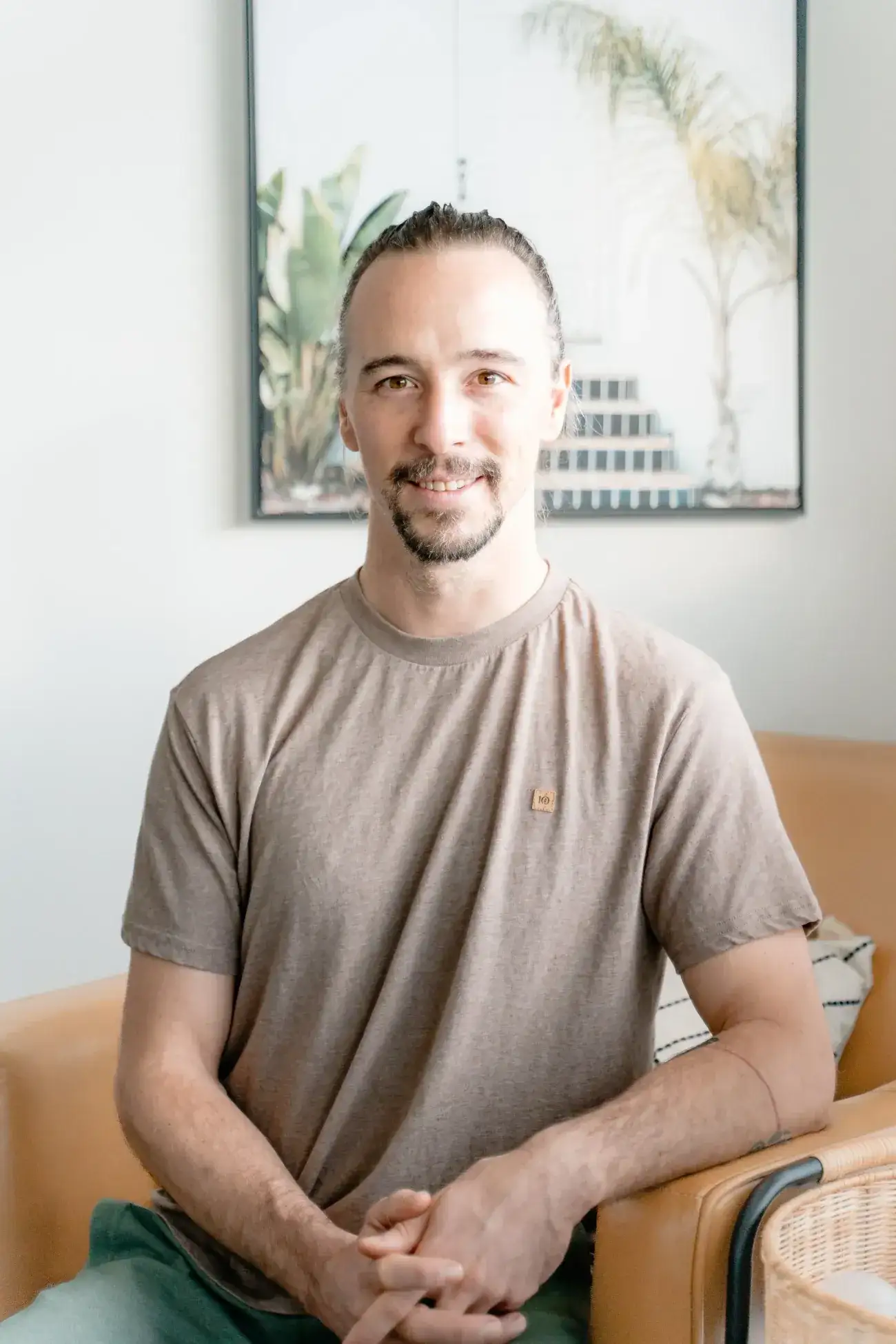
Hot flash care here is with Dr. Will Tanner, who practises acupuncture and registered massage therapy. A course usually starts with a 90-minute initial consultation and treatment ($150), followed by 60-minute return visits ($120) or 45-minute follow-ups ($85).
Before your first visit, it helps to:
- count your flashes for a week (day and night separately), so you have a baseline like the trials used
- bring your treatment details: which hormone therapy you take and since when, and whether you have had chemotherapy or radiation
- know your at-risk side, if any, and whether your team has given guidance about it
The trials that helped used roughly 10 to 15 sessions over 10 to 12 weeks, often twice weekly at first. That gives you a reasonable frame for judging it: if your flash count has not moved after a few weeks, it is fair to stop.
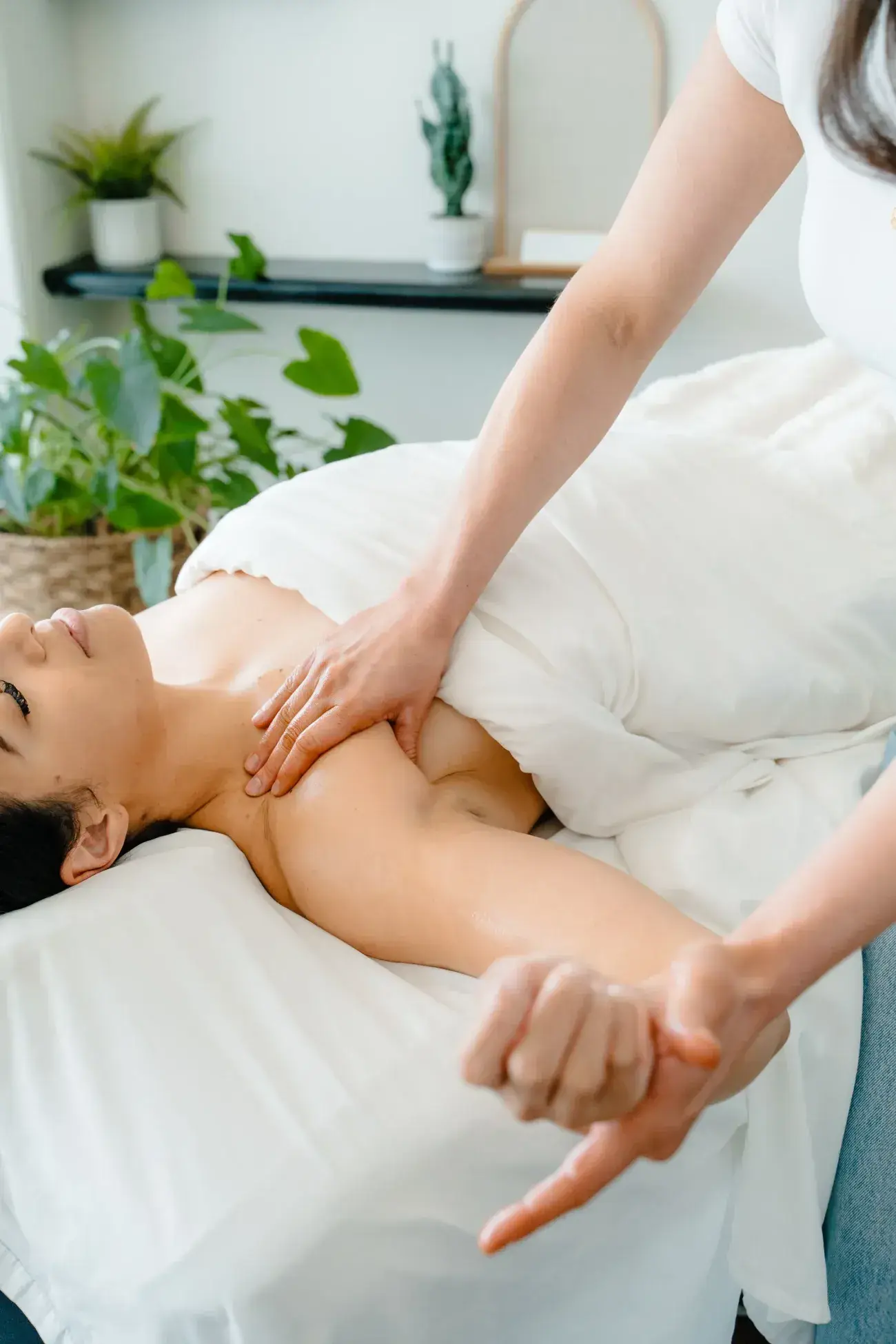
If aching joints from an aromatase inhibitor are also part of your day, our page on acupuncture for aromatase inhibitor joint pain covers that evidence. For gentle hands-on support during and after treatment, see our oncology massage page. If you are going through menopause without a cancer history, the general evidence is on our page about acupuncture for menopause hot flashes.
When to call your oncology team first
Talk to your oncologist or cancer centre before starting if you are still in active chemotherapy or radiation, or have a low blood count. Tell them about acupuncture in any case, so your record is complete.
Call your team promptly, rather than waiting for your next acupuncture visit, if:
- you have vaginal bleeding after menopause, even a small amount once. Tamoxifen very slightly raises the risk of uterine cancer, and the NHS advises getting any postmenopausal bleeding checked.
- one leg becomes painful, swollen or discoloured, which can be a blood clot (tamoxifen slightly raises this risk too). Call 9-1-1 if this comes with chest pain or shortness of breath.
- new swelling, heaviness or tightness appears in the arm, hand or chest on your surgery side
Never stop or pause hormone therapy because of hot flashes without that conversation. Your team can talk through the options with you, and acupuncture can sit beside whatever you decide together.
Questions people ask
Does acupuncture raise estrogen after breast cancer?
In the 2013 three-arm trial, researchers measured plasma estradiol and found the improvement in hot flashes was not linked to any rise in it. That is reassuring for anyone with a hormone-sensitive cancer. Still, tell your oncologist you are having acupuncture so it sits in your record.
How long does the effect last after the course ends?
Several trials followed women after treatment stopped. In the tamoxifen trial, hot flashes kept falling for 12 weeks afterwards; in the 2007 sham-controlled trial, reductions persisted up to 6 months; and in the venlafaxine comparison, flashes stayed low with acupuncture while they rose again within two weeks of stopping the drug.
Can I have acupuncture for hot flashes while on tamoxifen?
Yes. Many of the trials enrolled women who were taking tamoxifen or other anti-estrogen treatment, and acupuncture does not interact with the tablets. Keep taking your hormone therapy exactly as prescribed; acupuncture is meant to make it easier to live with, not to replace it.
Do night sweats count as hot flashes?
They are the night-time version of the same vasomotor symptom. The tamoxifen trial counted daytime and night-time flashes separately and saw both fall with real acupuncture, and the 2013 trial found sleep improved compared with sham.
Sources
- National Cancer Institute: Acupuncture (PDQ), health professional version
- Walker EM et al., Journal of Clinical Oncology 2010: Acupuncture versus venlafaxine for vasomotor symptoms in hormone receptor-positive breast cancer
- NHS: Postmenopausal bleeding
- Deng G et al., Journal of Clinical Oncology 2007: Randomized, controlled trial of acupuncture for hot flashes in breast cancer patients
- Lesi G et al., Journal of Clinical Oncology 2016: Acupuncture as an integrative approach for hot flashes in women with breast cancer (AcCliMaT)
- Canadian Cancer Society: Hormone therapy for breast cancer
- NHS: DVT (deep vein thrombosis)
- Canadian Cancer Society: Lymphedema
Page reviewed October 5, 2026. This page is education, not a diagnosis. For your own situation, talk to your doctor, surgeon or care team, or ask us.
Keep reading
Related pages