
Acupuncture for aromatase inhibitor joint pain
Acupuncture for aromatase inhibitor joint pain: the SWOG trial found a modest drop in pain versus sham. How a course works and when to call your team.
By The Renu lymphatic and massage team · 5 min read
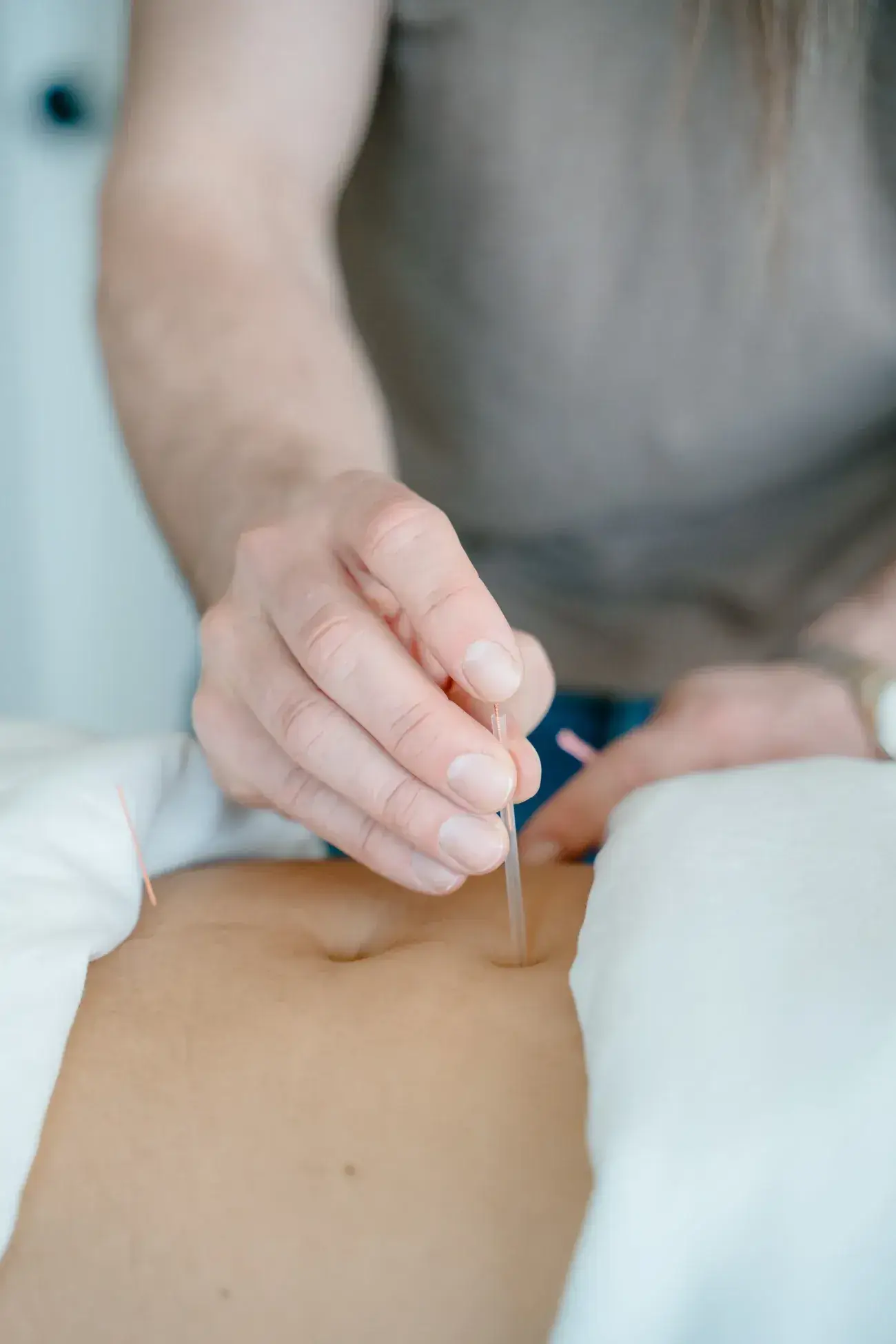
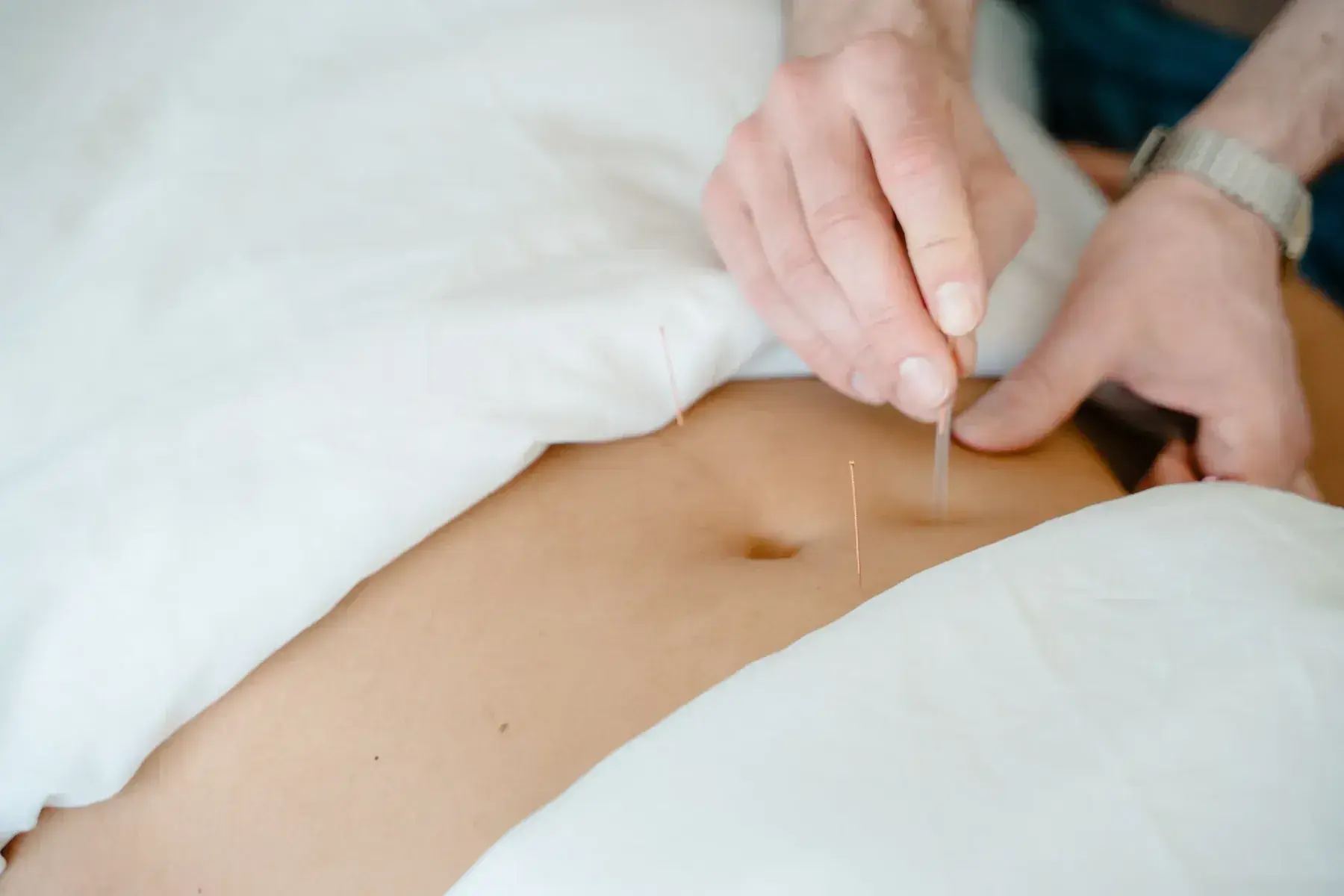
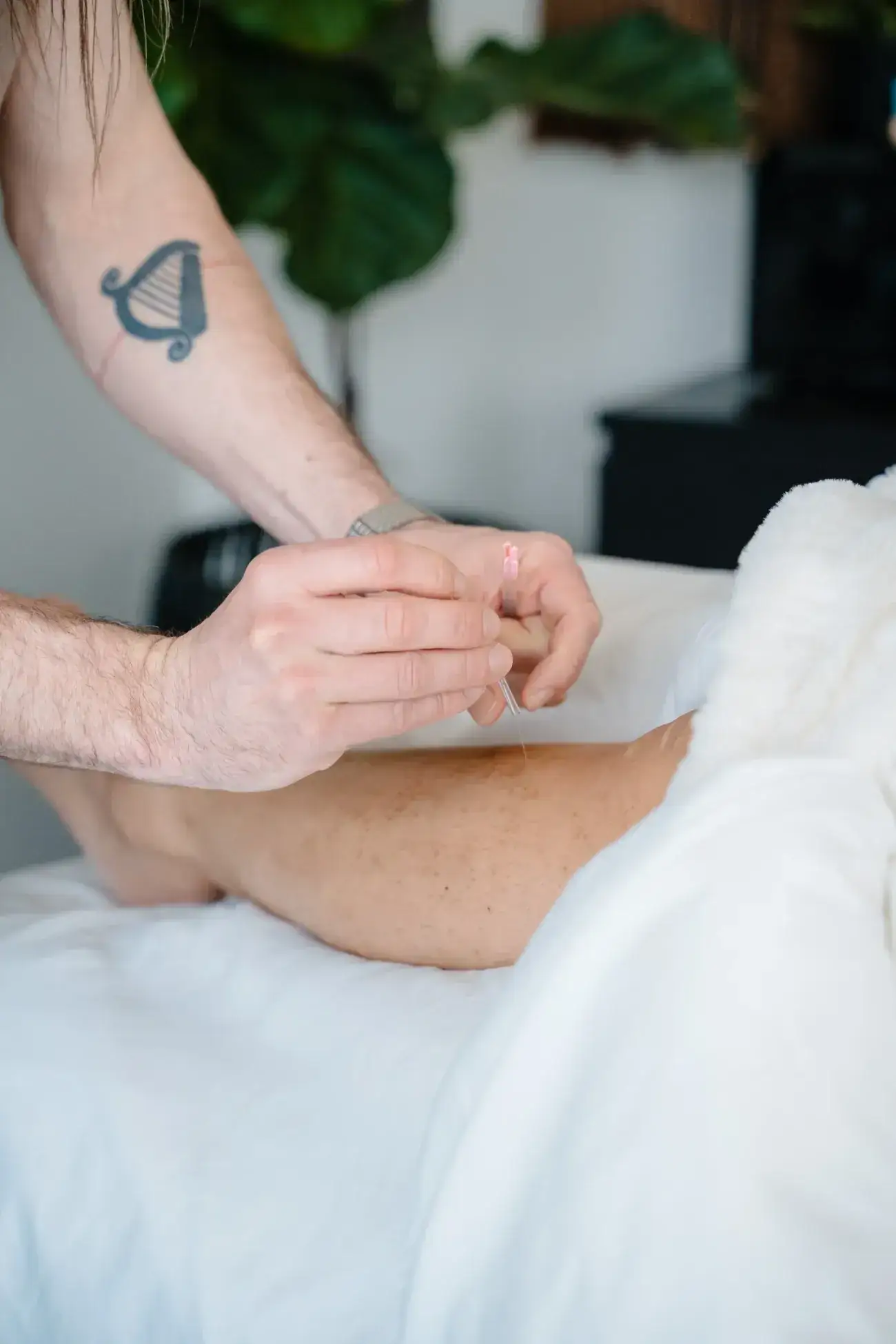
Acupuncture can modestly ease the aching, stiff joints that aromatase inhibitors cause, and that matters because joint pain is a common reason people stop these drugs. In the largest trial, 226 women, real acupuncture lowered worst-pain scores by about 2 points on a 10-point scale over six weeks, roughly a point more than sham or waiting. The benefit was statistically real but of uncertain clinical importance, so we offer it to help you stay comfortable on treatment, alongside your oncology team.
Aromatase inhibitors are one of the main reasons hormone receptor-positive breast cancer stays away, and also one of the main reasons survivors wake up stiff and sore. Acupuncture has been tested specifically for this joint pain in several randomised trials. The results are modest but consistent enough that it is worth considering if aching hands, knees or hips are making you wonder whether you can keep taking your pill.
Our role is to support you in staying on the treatment your oncologist prescribed. We do not decide whether you continue, switch or stop an aromatase inhibitor; that stays with your oncology team.
Why AI joint pain is worth treating
Aromatase inhibitors work by stopping the body from making estrogen outside the ovaries, leaving very little for hormone-sensitive cancer cells to use. The Canadian Cancer Society lists the common ones as anastrozole, letrozole and exemestane, often taken for five years or more.
The trade-off is that musculoskeletal symptoms are the most common side effects of the drug class, and the JAMA trial authors note that they often lead to people stopping therapy. Anything safe that helps you stay comfortable enough to keep taking it has real value, which is why oncology researchers bothered to run these trials at all.
What the trials found
Three trials give a fair picture, including one that was less flattering.
| Trial | Design | Result |
|---|---|---|
| SWOG S1200, JAMA 2018 | 226 women at 11 US sites; 12 sessions over 6 weeks, then weekly for 6 weeks; real vs sham vs waitlist | Worst pain fell 2.05 points with real acupuncture, 1.07 with sham, 0.99 with waitlist; about 0.9 points better than either control |
| Crew, Journal of Clinical Oncology 2010 | 38 evaluable women; twice weekly for 6 weeks; real vs sham | Worst pain at 6 weeks 3.0 with real acupuncture vs 5.5 with sham; stiffness also improved |
| Mao, European Journal of Cancer 2014 | 67 women; 10 electroacupuncture sessions over 8 weeks vs sham vs waitlist | Pain severity fell 2.2 vs 0.2 on waitlist, held at week 12; sham did about as well as real |
The SWOG authors had set 2 points as the difference they considered clinically meaningful, and the gap between real and sham acupuncture fell short of that. They concluded the improvement was statistically significant but “of uncertain clinical importance”. In plain terms: most women in the real acupuncture group felt better, some of that is probably the care and attention of treatment, and the extra benefit from the needles themselves is real but small.
Bones and tendons: why hands-on pressure changes on an AI
Aromatase inhibitors bring two cautions that change how we touch you, not just where needles go.
- Bone density. The Canadian Cancer Society notes AIs can cause osteoporosis, making bones fragile and easier to break. Your team may already have you on a bone-strengthening drug.
- Tendons. The same source lists tendon problems, including inflammation and rupture.
For acupuncture, this mostly means gentle handling and no forceful joint movements. It matters more if you book the 90-minute acupuncture and massage combination, where deep pressure over thin bone or a sore tendon is not appropriate. Our pages on oncology massage adaptations and massage with osteoporosis describe how pressure and positioning are adjusted.
If you had lymph nodes removed, tell Will which side is at risk so the plan accounts for it from the start. Our page on acupuncture on the arm after lymph node removal explains the guidance.
How this works at Renu
Will Tanner, who is both our acupuncturist and a Registered Massage Therapist, sees people for AI joint pain. You can start with a 90-minute initial consultation and treatment ($150), then continue with 60-minute return visits ($120) or 45-minute follow-ups ($85). If you would like hands-on work for stiff shoulders, hips or hands in the same visit, the acupuncture and massage combination is 90 minutes ($167).
The SWOG schedule gives a sensible template: twice a week for six weeks, then weekly for another six. Not everyone can manage that pace, and it is fine to talk through a lighter rhythm. What makes the course useful is measuring:
- Score your worst joint pain each day for a week before starting, from 0 (none) to 10 (worst imaginable).
- Keep scoring weekly during treatment.
- Review the numbers at six weeks, which is where the trials measured their main result.
Bruising was the side effect the trials kept noticing: nearly half of the real acupuncture group in SWOG had mild bruising. Our note on bruising after acupuncture explains what is normal. If hot flashes are also part of your day on hormone therapy, see acupuncture for hot flashes after breast cancer.
When to call your oncology team
Tell your oncologist about your joint pain before you decide anything about your AI. They may have options, and the decision to continue, pause or switch is theirs to make with you.
Call your team promptly if:
- you are thinking of stopping your aromatase inhibitor because of the pain; please do not stop on your own
- a tendon suddenly hurts sharply, gives way, or you cannot use a joint normally, since AIs can cause tendon inflammation and rupture
- you have a fall, or new bone pain, given the higher risk of fragile bones on these drugs
- your rings or sleeve feel tight, or the arm or hand on your surgery side feels full, heavy or swollen, which the Canadian Cancer Society lists among early lymphedema symptoms
Acupuncture and massage can wait; none of these should.
Questions people ask
Which aromatase inhibitors cause joint pain?
The three in common use in Canada are anastrozole (Arimidex), letrozole (Femara) and exemestane (Aromasin). Musculoskeletal symptoms are the most common side effects of this drug class as a whole, so switching from one to another does not always settle them. That decision belongs to your oncologist.
Is the bruising from acupuncture a concern while I am on an AI?
In the SWOG trial, mild (grade 1) bruising showed up in 47 percent of women having real acupuncture versus 25 percent with sham. It is a nuisance rather than a danger for most people. If you also take a blood thinner or bruise very easily, mention it before your first session.
Does electroacupuncture work better for AI joint pain?
Not clearly. In a 67-woman trial, electroacupuncture cut pain severity by 2.2 points by week 8, but sham acupuncture did about as well. The same group also reported less fatigue, anxiety and depression with electroacupuncture than with usual care, which some people value in its own right.
How soon would I know if acupuncture is helping my joints?
The trials measured their main result at six weeks, after twelve sessions at twice a week. That is a fair checkpoint for you too. If your worst-pain score has not moved by then, it is reasonable to stop and talk with your team about other options.
Sources
- Hershman DL et al., JAMA 2018: Acupuncture vs sham acupuncture or waitlist control on joint pain related to aromatase inhibitors (SWOG S1200)
- Crew KD et al., Journal of Clinical Oncology 2010: Randomized, blinded, sham-controlled trial of acupuncture for aromatase inhibitor-associated joint symptoms
- Mao JJ et al., European Journal of Cancer 2014: A randomised trial of electro-acupuncture for arthralgia related to aromatase inhibitor use
- Mao JJ et al., Cancer 2014: Electroacupuncture for fatigue, sleep and psychological distress in breast cancer patients with aromatase inhibitor-related arthralgia
- Canadian Cancer Society: Hormone therapy for breast cancer
- Canadian Cancer Society: Lymphedema
Page reviewed October 5, 2026. This page is education, not a diagnosis. For your own situation, talk to your doctor, surgeon or care team, or ask us.
Keep reading
Related pages