

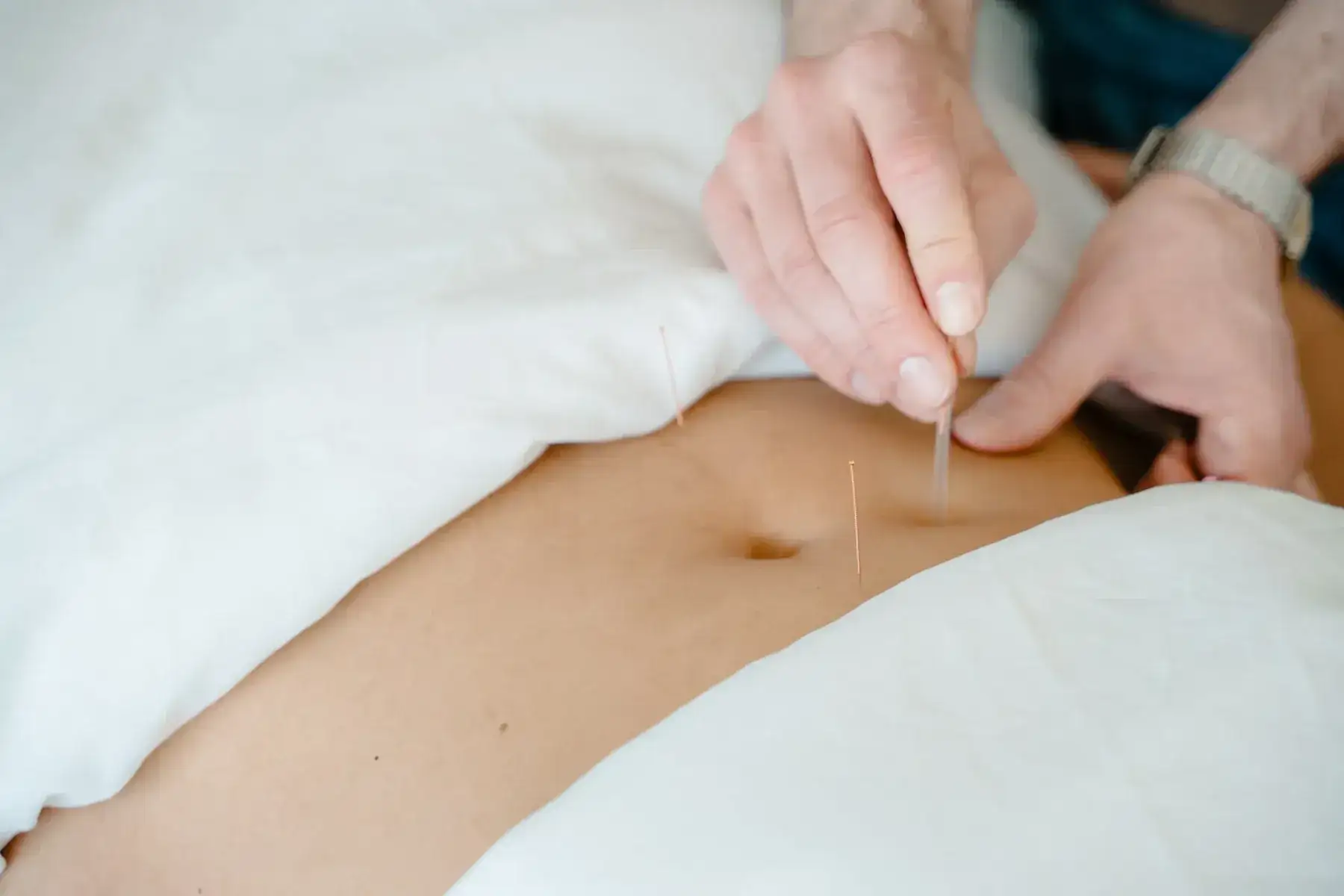
Acupuncture for chemotherapy nausea
Acupuncture for chemotherapy nausea: an ASCO-endorsed guideline recommends it, with acupressure, as an add-on to anti-nausea drugs. Timing and red flags.
By The Renu lymphatic and massage team · 5 min read
Acupuncture and acupressure can help with chemotherapy nausea and vomiting when added to your prescribed anti-nausea drugs, and this is the cancer use of acupuncture with the strongest evidence. A Cochrane review found needle and electroacupuncture reduced acute vomiting, and acupressure eased acute nausea, and a Society for Integrative Oncology guideline endorsed by ASCO recommends both. They support your antiemetics; they never replace them, and sessions are timed around your blood counts with your oncology team's agreement.
Nausea is one of the side effects people dread most about chemotherapy, and modern anti-nausea drugs prevent a great deal of it. When some still breaks through, acupuncture and acupressure are reasonable things to add. Of all the ways acupuncture has been studied in cancer care, nausea and vomiting from chemotherapy is where the National Cancer Institute calls the evidence most convincing.
Our role is supportive. Your oncology team prescribes and adjusts your antiemetics; we add needles or pressure points on top, at times that suit your treatment and your blood counts.
Three kinds of chemo nausea
The Canadian Cancer Society separates chemotherapy nausea by timing, and it helps to know which one you have:
- Acute: within the first 24 hours after a treatment.
- Delayed: more than 24 hours after a treatment, sometimes lasting days.
- Anticipatory: before a treatment, because the brain has linked the sights, sounds or smells of the clinic with being sick.
The acupuncture evidence is strongest for the acute kind. The Canadian Cancer Society lists acupuncture or acupressure for acute nausea, and guided imagery and muscle relaxation for anticipatory nausea. Different chemotherapy drugs carry different risks, and combinations with radiation raise the chance of nausea further.
What the evidence shows, by method
The Cochrane review pooled 11 trials with 1,247 people. Every trial gave pharmacologic antiemetics as well, so the results are about acupuncture as an add-on, which is exactly how we use it.
| Method | Effect in the Cochrane review |
|---|---|
| Needle acupuncture (all types) | Fewer people had acute vomiting (risk ratio 0.74); acute nausea severity not changed |
| Electroacupuncture | Fewer people had acute vomiting (risk ratio 0.76) |
| Manual acupuncture alone | No clear effect on acute vomiting |
| Acupressure (finger pressure) | Lower acute nausea severity; no change in vomiting or delayed symptoms |
| Noninvasive electrical wristbands | No benefit for any outcome |
Since then, the Society for Integrative Oncology’s 2017 guideline for people with breast cancer recommended acupressure and acupuncture for reducing chemotherapy nausea and vomiting, and the American Society of Clinical Oncology endorsed that guideline in 2018. The NCI’s summary notes that most earlier trials used the PC6 point on the inner forearm.
The honest limits: the Cochrane authors said studies combining acupuncture with the best current antiemetics, in people whose symptoms do not respond to them, were still needed. Some later NCI-listed trials found no difference between real and sham needling. So acupuncture is a reasonable add-on, not a sure fix.
Blood counts, clean needles and timing
Chemotherapy can lower your platelets (raising bleeding and bruising risk) and white blood cells (raising infection risk). Both shape when acupuncture is safe.
- Platelets. The Canadian Cancer Society advises checking with your healthcare team before any complementary therapy that uses pressure or needles, naming acupuncture, when platelet counts are low.
- White cells. The NCI notes that people having chemotherapy are immunocompromised, so strict clean-needle technique is essential. Our page on clean needle technique and single-use needles explains what that involves.
- Research thresholds. In one trial listed by the NCI, needling was stopped once the neutrophil count fell below 200 per microlitre or platelets fell below 20,000. That was a research rule for very sick transplant patients, not a target to aim for; your team may set a more cautious line.
Timing matters here. The Canadian Cancer Society notes that low-platelet symptoms are usually at their worst 10 to 14 days after chemotherapy starts, so that window deserves extra caution. Your team can tell you where your counts typically sit in each cycle.
How this works at Renu
During chemotherapy, your sessions would be with Dr. Will Tanner, Renu’s acupuncturist and an RMT. The first visit is a 90-minute initial consultation and treatment ($150), with 60-minute return visits ($120) or 45-minute follow-ups ($85) after that. Shorter follow-ups often suit people who tire easily during treatment.
Please bring:
- your chemotherapy calendar and the names of your anti-nausea medicines
- your most recent blood count, or the date of your next one
- any guidance from your oncology team about acupuncture, needles or lymph node removal
Ask Will about pressing PC6 yourself between visits; finger pressure is the form of point stimulation the Cochrane review found eased acute nausea. If fatigue is weighing on you as much as nausea, our page on massage for chemotherapy fatigue covers that, and massage during chemotherapy explains how hands-on work is adjusted during treatment.
When to call your oncology team instead
Tell your team if your anti-nausea drugs are not working. The Canadian Cancer Society notes they can change the dose, switch drugs or change how you take them, and that is a bigger lever than any needle.
Call your team or cancer centre’s after-hours line right away, and do not come in for acupuncture, if:
- you have a fever or chills, or other signs of infection such as a sore throat, mouth sores, a severe cough, burning when you pee, or redness or pus around a line or port
- you cannot keep fluids down, since ongoing vomiting can lead to dehydration and electrolyte imbalances
- you notice easy bruising, bleeding gums or nose, or tiny red spots under the skin, which can mean low platelets
- you vomit blood or something that looks like coffee grounds, or pass black stool
- nausea comes with severe belly pain or bad constipation; the Canadian Cancer Society lists constipation and bowel obstruction among other causes of nausea
The Canadian Cancer Society also advises against taking any medicine for a fever without checking with your team first.
Questions people ask
Do acupressure wristbands work for chemo nausea?
In the Cochrane review, acupressure reduced the severity of acute nausea, though those trials had no placebo control. Noninvasive electrical stimulation, the battery-powered kind, showed no benefit for any outcome when people were also on modern antiemetics. Simple pressure is cheap and low-risk to try alongside your medicines.
What is the PC6 point?
PC6 (also written P6) is the point on the inner wrist that acupressure wristbands are designed to press. The NCI summary notes that most early acupuncture trials for chemotherapy nausea used it. In a 2018 trial of 165 children on highly nausea-causing chemotherapy, PC6 bands were safe but did no better than placebo bands, a reminder that results vary.
Can acupuncture help with anticipatory nausea?
The trials focused mostly on acute nausea and vomiting in the first day after treatment. For anticipatory nausea, the kind that starts before treatment because the brain links the clinic with feeling sick, the Canadian Cancer Society lists guided imagery and progressive muscle relaxation instead. Preventing nausea from the first cycle is the best way to stop it becoming anticipatory.
Should I come for acupuncture on my chemo day?
The acute window is the first 24 hours after chemotherapy, and many trials gave treatment around that time. Whether you feel up to travelling is another matter. Some people prefer the day before or the day after; plan it with your team and with Will, and never come if you have a fever.
Sources
- Ezzo JM et al., Cochrane 2006: Acupuncture-point stimulation for chemotherapy-induced nausea or vomiting
- Greenlee H et al., CA: A Cancer Journal for Clinicians 2017: Clinical practice guidelines on integrative therapies during and after breast cancer treatment (SIO)
- Lyman GH et al., Journal of Clinical Oncology 2018: Integrative therapies during and after breast cancer treatment, ASCO endorsement of the SIO guideline
- National Cancer Institute: Acupuncture (PDQ), health professional version
- Canadian Cancer Society: Nausea and vomiting
- Canadian Cancer Society: Low platelet count
- Canadian Cancer Society: Low white blood cell count
Page reviewed October 5, 2026. This page is education, not a diagnosis. For your own situation, talk to your doctor, surgeon or care team, or ask us.
Keep reading
Related pages