
When can you get a regular massage after surgery?
When can you get a regular massage after surgery? Away from the incision, often soon; on or near it, about six weeks and only once your surgeon clears it.
By The Renu lymphatic and massage team · 6 min read
A regular massage on parts of the body away from your surgery can often happen within days, as long as you can lie comfortably and your surgeon has no objection. Work on or near the incision is different: six weeks is the standard wait massage therapists use, and only once your surgeon has cleared the area. Light post-op lymphatic drainage follows its own, earlier timeline and is not the same treatment as a deep or Swedish massage.
If you are used to a regular massage and then have surgery, the weeks without one can feel long. The good news is that “after surgery” is not one single date. It depends on where on your body the therapist would be working, how firm the work is, and what your surgeon has said about the operated area.
The short version: two different clocks
There are two timelines, and it helps to keep them apart.
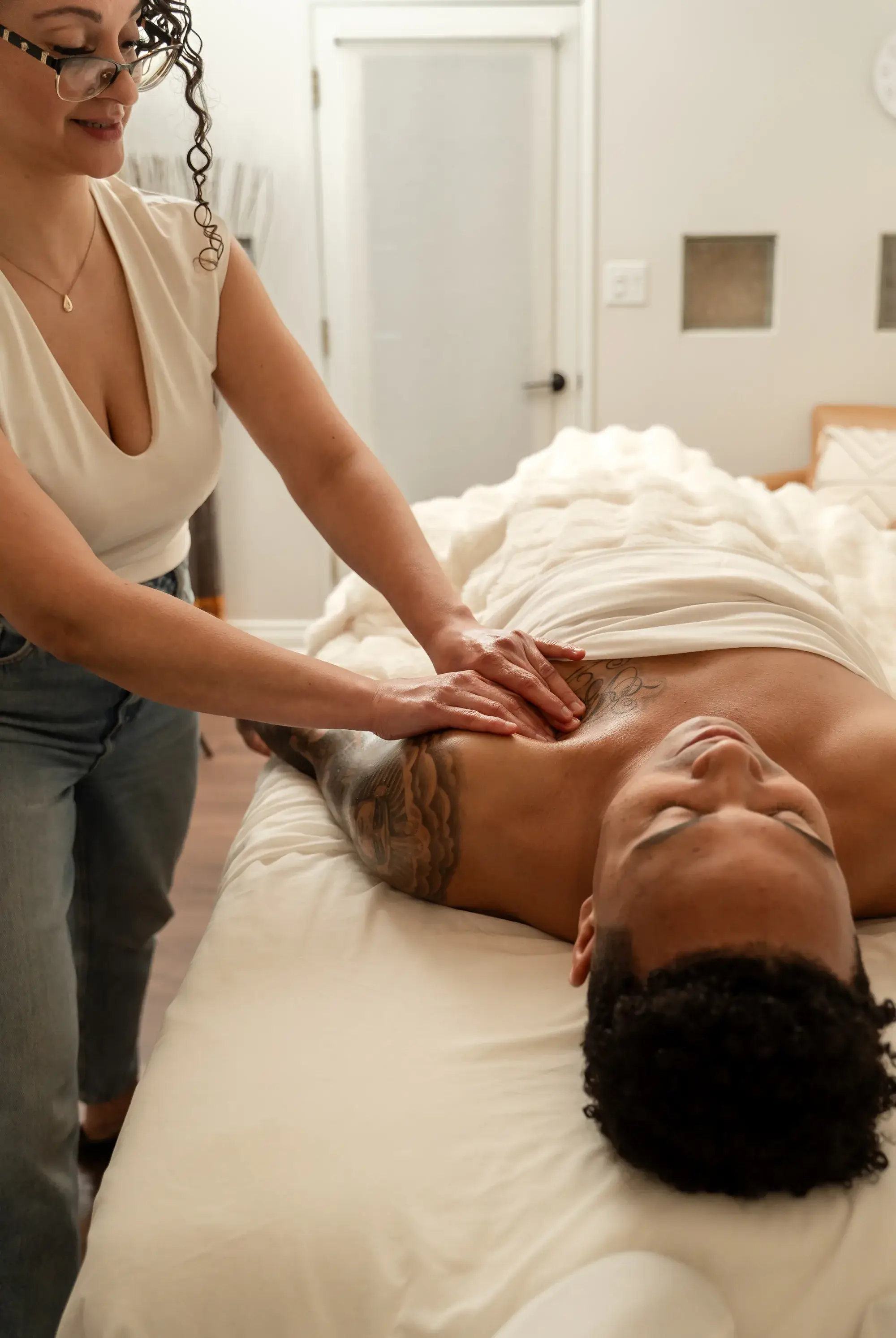
- Areas away from the surgery. Massage on parts of the body that were not operated on can often start early. The American Massage Therapy Association (AMTA) describes hospital research in which people received massage as early as one day after coronary bypass surgery and reached a lower pain level about a day sooner than the comparison group. The key detail: the therapists did not massage the incisions and avoided their vicinity altogether.
- On or near the incision. AMTA states that six weeks is the standard time massage therapists wait before working on or near a post-operative incision site, and that clearance from the client’s doctor comes first. After six weeks, work near the incision starts gently.
So a neck and shoulder massage a couple of weeks after a knee operation is a very different question from firm work across a tummy tuck scar at three weeks.
Why lymphatic drainage starts sooner than a regular massage
Post-op lymphatic drainage is a separate treatment with its own early schedule. The American Society of Plastic Surgeons (ASPS) notes that many surgeons have liposuction patients begin lymphatic massage the day after surgery and continue several times a week for two months. That is possible because manual lymphatic drainage is so light: slow, rhythmic strokes that stretch the skin rather than press into muscle.
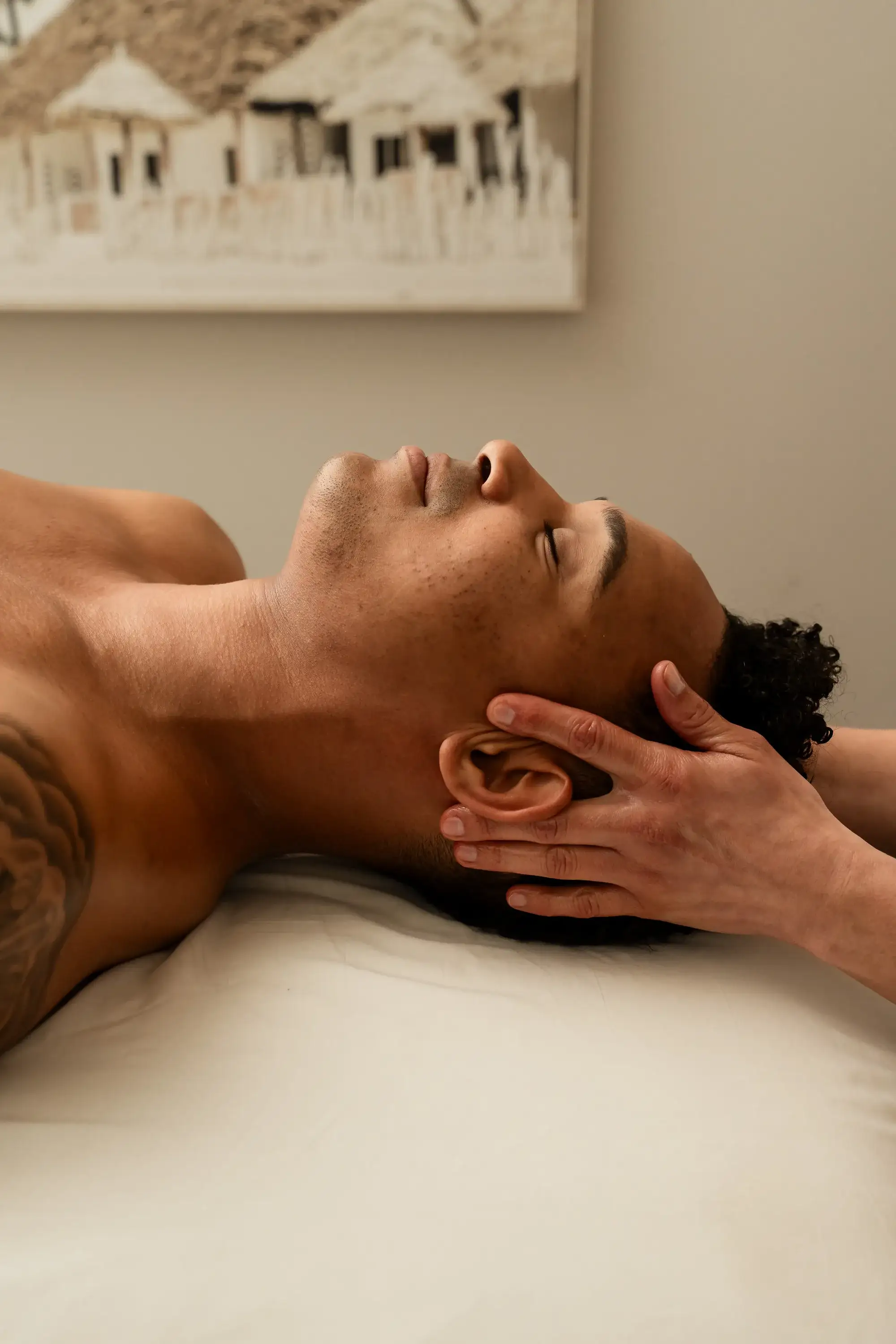
A regular massage does the opposite. Swedish and deep tissue strokes knead and compress muscle and fascia. That is what makes them feel good on tight shoulders, and it is also why they wait near fresh repairs. If you want the comfort of a familiar massage early in recovery, the honest options are lymphatic work on the surgical region and regular massage on areas well away from it.
| What you want | Usually reasonable | Wait for |
|---|---|---|
| Massage on areas away from the surgery | Once you can lie comfortably and your surgeon has no objection | Nothing extra, beyond your surgeon’s general restrictions |
| Light lymphatic work on the operated region | When your surgeon clears it, sometimes from the first days | Drains, garments and incision instructions per your surgeon |
| Gentle massage near the incision | Around six weeks | Your surgeon’s clearance |
| Firm or deep work across the scar | Later, gradually | A fully closed scar and your surgeon’s agreement |
What changes on the table in early recovery
Even a massage away from the surgery looks different in the first weeks.
- Positioning. In the hospital research AMTA describes, people were massaged seated in a chair or lying on their side in bed. After abdominal, breast or back surgery, lying face down may press on the area, so side-lying with pillows is common. Your surgeon may have given you specific limits on lying flat or face down; bring them with you.
- Pressure. ASPS notes that after breast augmentation there is a risk of bleeding into the implant pockets for the first several days, so activity is kept low until the surgeon allows more. Firm pressure on the chest or upper back in that window is not the moment.
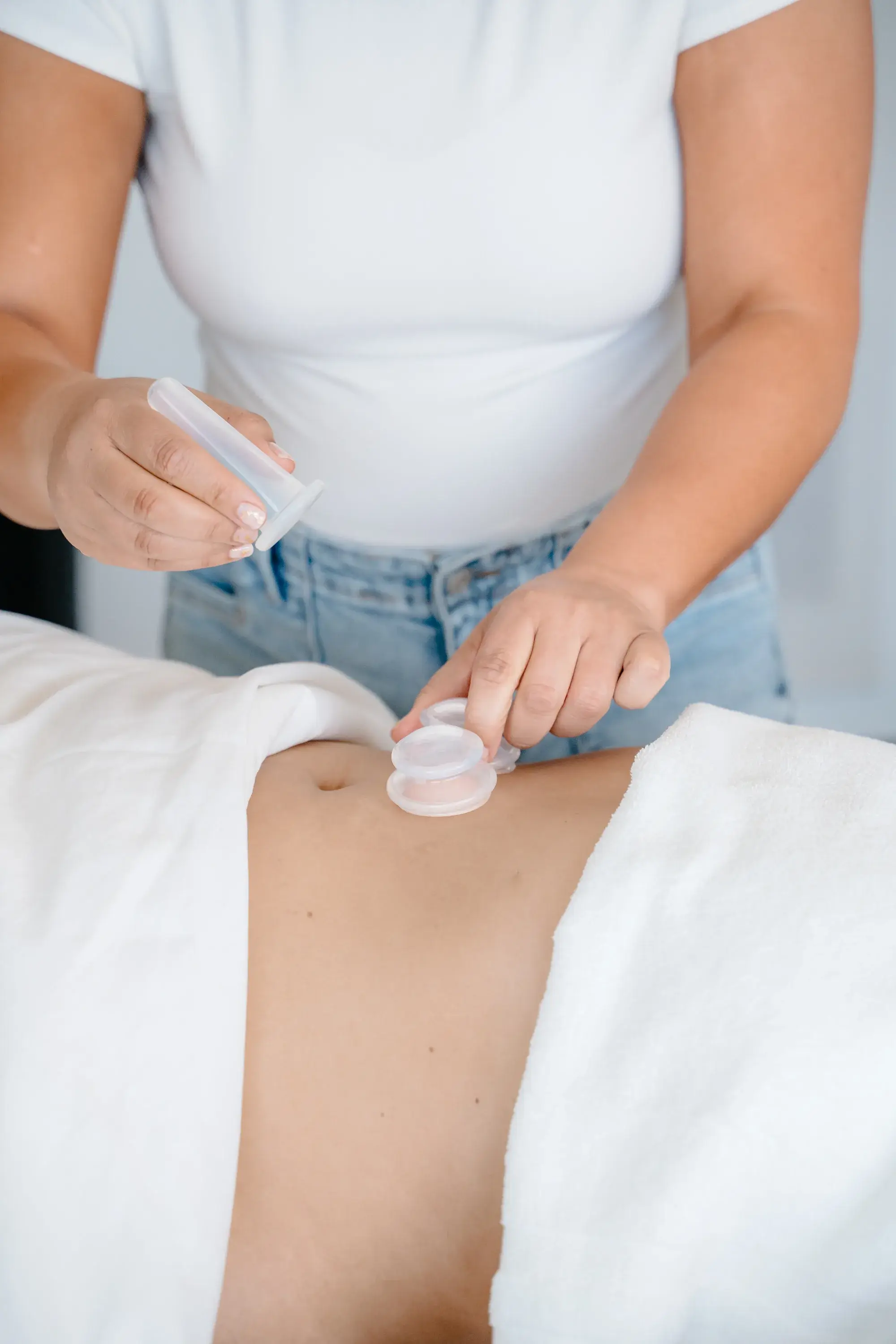
- Garments and dressings. Compression garments and dressings usually stay on, and the therapist works around them. MyHealth Alberta notes that after liposuction a compression wrap may stay on for three to four weeks, and support hose for about six weeks after leg procedures.
- Getting on and off the table. Pain medicine and stiffness make transfers harder. Take your time, and ask for help.
Watch for blood clots before any massage
The period after surgery is a time of higher clot risk, and the NHS notes that a clot can develop weeks after an operation, not only in the first days. A deep vein thrombosis usually shows up as throbbing pain and swelling in one leg, typically the calf or thigh, sometimes with discoloured skin or swollen veins. MyHealth Alberta adds pain at the back of the knee or in the groin.
Do not book a massage, and do not rub the leg, if you notice those signs. Contact your surgeon or seek urgent care. Shortness of breath or chest pain alongside them is an emergency: call 911. If you have had a clot during recovery, our page on lymphatic drainage after a blood clot explains how treatment is adjusted once it has been managed.
When to check with your surgeon first
Ask your surgeon before any massage if:
- you still have drains, stitches or an open area of the incision;
- the incision is red, warm, more painful or leaking. AMTA advises therapists to look for redness or inflammation at the site and refer to a doctor to rule out infection;
- you have a fever, which MyHealth Alberta lists as a reason to call after liposuction;
- you had a complication, a revision or a long operation;
- you are on blood thinners after surgery.
Scar work is its own step. MyHealth Alberta advises starting scar massage only when the edges of the scar are well closed with no gaps and no drainage. Our scar massage technique page explains what that work involves once you get there.
How this works at Renu
At Renu, a regular massage is booked as Massage with one of our Registered Massage Therapists: 60 minutes is $120. If you are partway through recovery and want both comfort and swelling care, the Massage and lymphatic combination is 60 minutes for $130 or 90 minutes for $165. Ask us when you book how the time is divided for your recovery; the work always stays within the limits your surgeon has set. If the operated area is still in its early weeks, a dedicated post-op lymphatic drainage appointment is usually the better fit.
When you book through Jane, add your surgery, the date and any restrictions to your intake. We are in West Hillhurst, open seven days, and you are welcome to call before booking if you are unsure which appointment suits the stage you are at. Once you are fully cleared, our massage therapy page covers the regular options, and whether deep tissue can make pain worse is worth a read before you ask for firm pressure again.
Questions people ask
Can I get a back massage two weeks after knee or shoulder surgery?
Often yes, if you can get on and off the table safely and lie in a position that does not load the operated joint. The therapist works on areas well away from the incision and props you with pillows. Tell us your surgery date, your surgeon's restrictions and any blood thinners you are taking when you book.
Is a post-op lymphatic session the same as a gentle massage?
No. Post-op lymphatic drainage uses very light, slow skin stretching to guide fluid toward working lymph nodes, and it is designed to be used early in recovery. A Swedish or deep tissue massage presses into muscle, which is why it waits longer near a surgical site.
Why does my therapist want my surgeon's okay before working near the scar?
Massage therapy guidance asks for clearance from the client's doctor before working on a surgical site. Your surgeon knows how the deeper layers were repaired, which a therapist cannot see from the skin. The okay protects the repair and gives the therapist a clear limit to work within.
My incision looks healed at four weeks. Can I ask for deep work on it?
Surface healing comes before deeper healing, so a closed scar is not the same as a scar ready for firm pressure. Six weeks is the usual starting point for gentle work near an incision, and deeper scar mobilisation comes later still, with your surgeon's agreement.
Sources
- American Massage Therapy Association: Post-surgery relief
- American Society of Plastic Surgeons: Eight ways to make liposuction recovery a breeze
- American Society of Plastic Surgeons: Breast augmentation recovery
- NHS: Deep vein thrombosis
- MyHealth Alberta: Liposuction, what to expect at home
- MyHealth Alberta: Scar massage after breast cancer surgery
Page reviewed October 5, 2026. This page is education, not a diagnosis. For your own situation, talk to your doctor, surgeon or care team, or ask us.
Keep reading
Related pages