
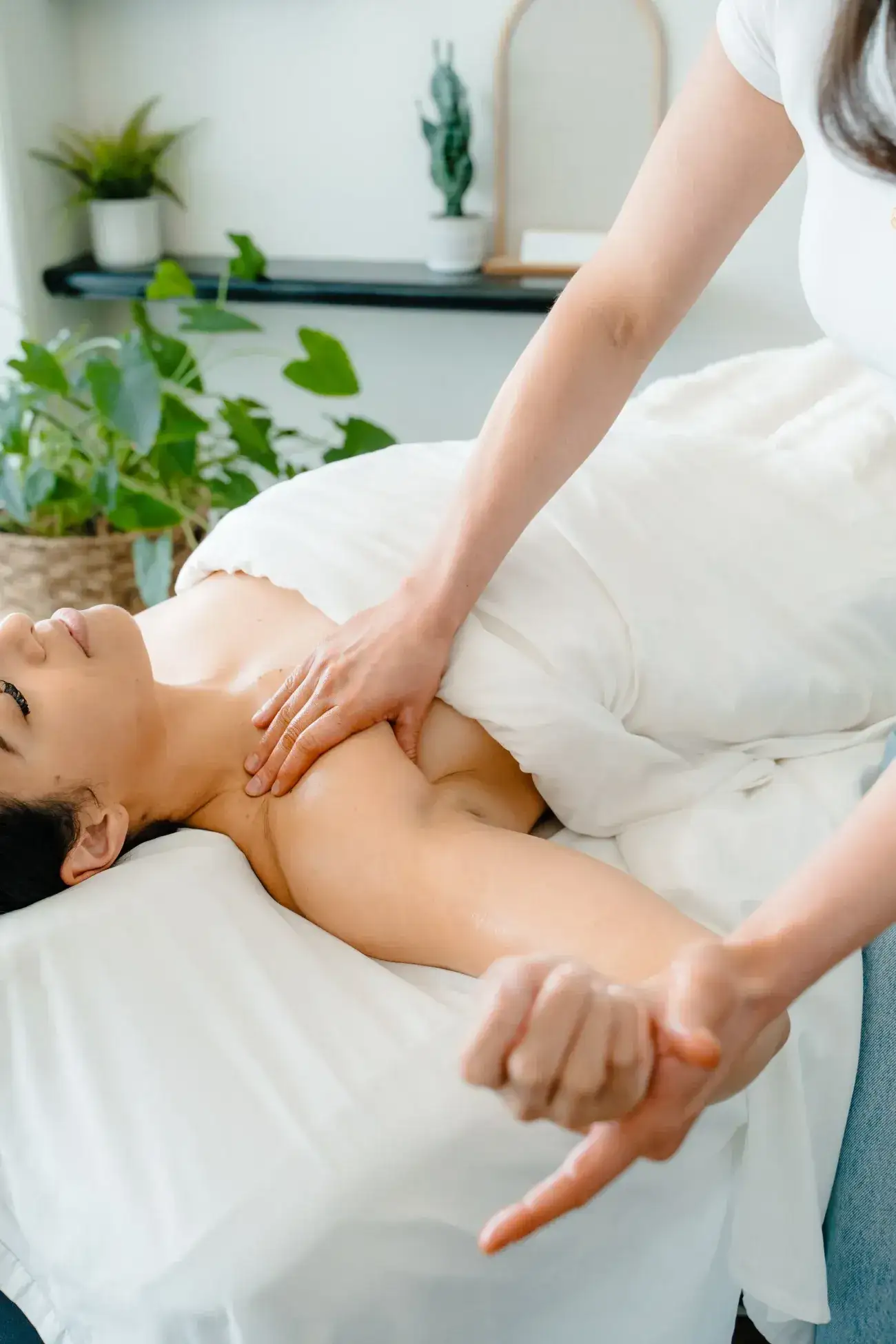
Reflexology lymph drainage vs manual lymphatic drainage
Reflexology lymph drainage vs manual lymphatic drainage: RLD has one small uncontrolled study; MLD is part of CDT, the standard care for lymphedema.
By The Renu lymphatic and massage team · 6 min read
Reflexology lymph drainage (RLD) is a reflexology approach that has been studied for arm lymphedema after breast cancer in one small, uncontrolled feasibility study, so it cannot yet be said to work. Manual lymphatic drainage (MLD) is a hands-on technique applied over the swollen area and its drainage pathways, and it is one component of complete decongestive therapy, the conservative standard of care. If you have lymphedema, MLD within a full plan with compression comes first; RLD, if you enjoy it, is an extra for comfort and never a replacement.
Reflexology lymph drainage and manual lymphatic drainage share a goal, less swelling, but they rest on very different amounts of evidence and work in very different places. RLD applies reflexology to reflex points with the aim of influencing lymph flow elsewhere in the body. MLD is applied directly to the skin over the swollen area and the lymph node regions that drain it, and it sits inside a complete treatment plan for lymphedema. If you are choosing between them, the short version is this: one is a promising idea with one small study, and the other is part of the recognised standard of care.
What reflexology lymph drainage is
RLD is a reflexology approach developed for arm swelling after breast cancer treatment. Reflexology in general applies gentle pressure to the feet or hands, and Cancer Research UK describes its aim as bringing about relaxation and helping the body’s own healing process. RLD adapts that practice with the specific goal of reducing lymphoedema.
The research comes from one group. A pilot study led by Judith Whatley and Philip Harris at Cardiff Metropolitan University, supported by the NIHR Clinical Research Network: Cancer and Tenovus Cancer Care, recruited between November 2013 and May 2014. The published feasibility study (Whatley, Street, Kay and Harris, 2016) treated 26 women with lymphoedema in one arm after breast cancer.
What it found:
- the volume of the affected arm was significantly lower at follow-up than at the start
- the reduction appeared to last more than six months
- worry fell and wellbeing rose
- no serious adverse effects were reported
What it could not show: there was no control group. The authors state plainly that the results could not be attributed to the reflexology because of the study’s design, and that the next step is a randomised controlled trial. A later qualitative paper from the same team found participants experienced RLD as pleasant and non-invasive, which matters, but it is not evidence that it reduces swelling.
Reflexology more broadly has not fared well under testing. A 2009 systematic review of 18 randomised trials across many conditions concluded the best evidence does not convincingly show reflexology is an effective treatment for any medical condition, and most of the higher-quality trials were negative.
What manual lymphatic drainage is, and where it fits
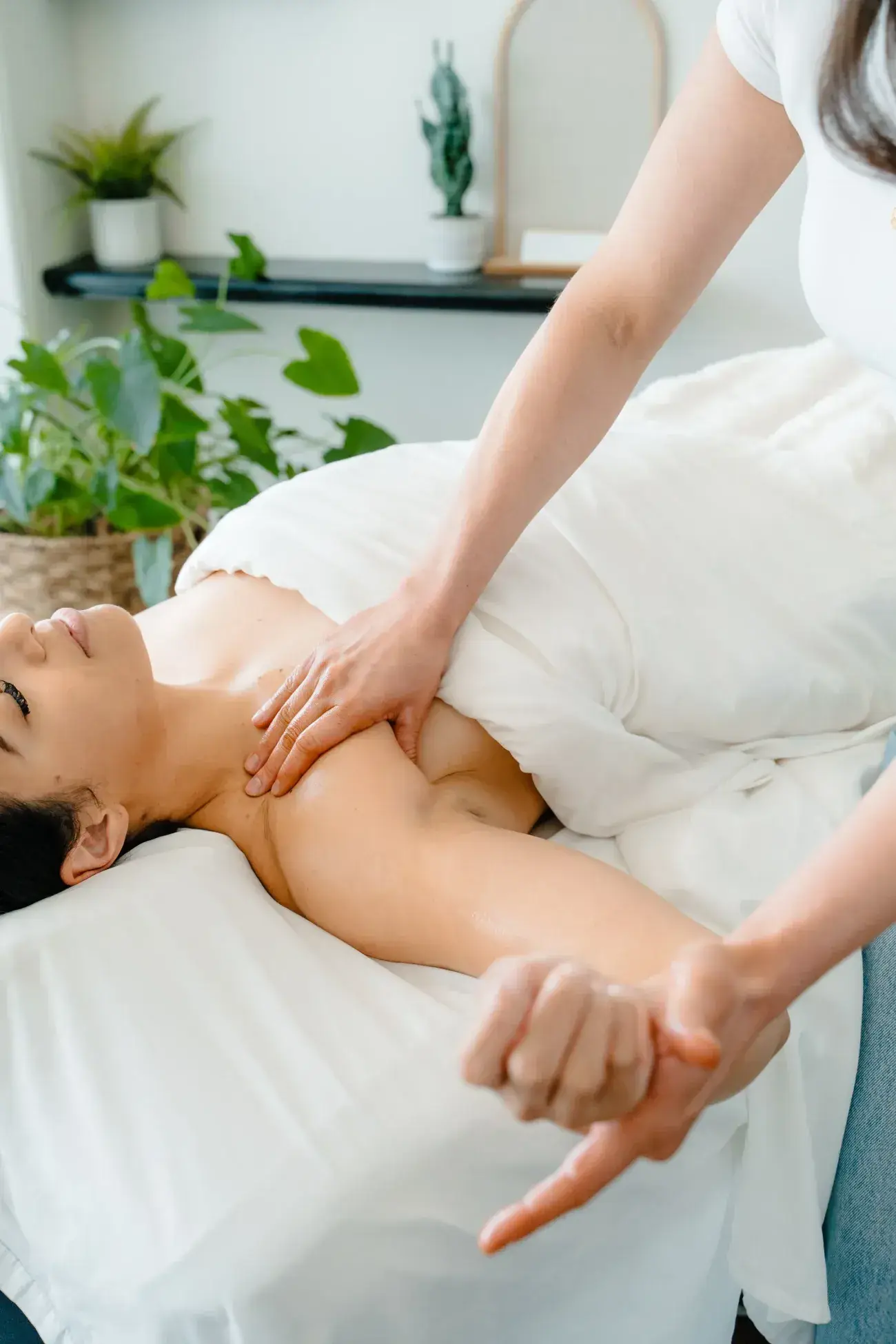
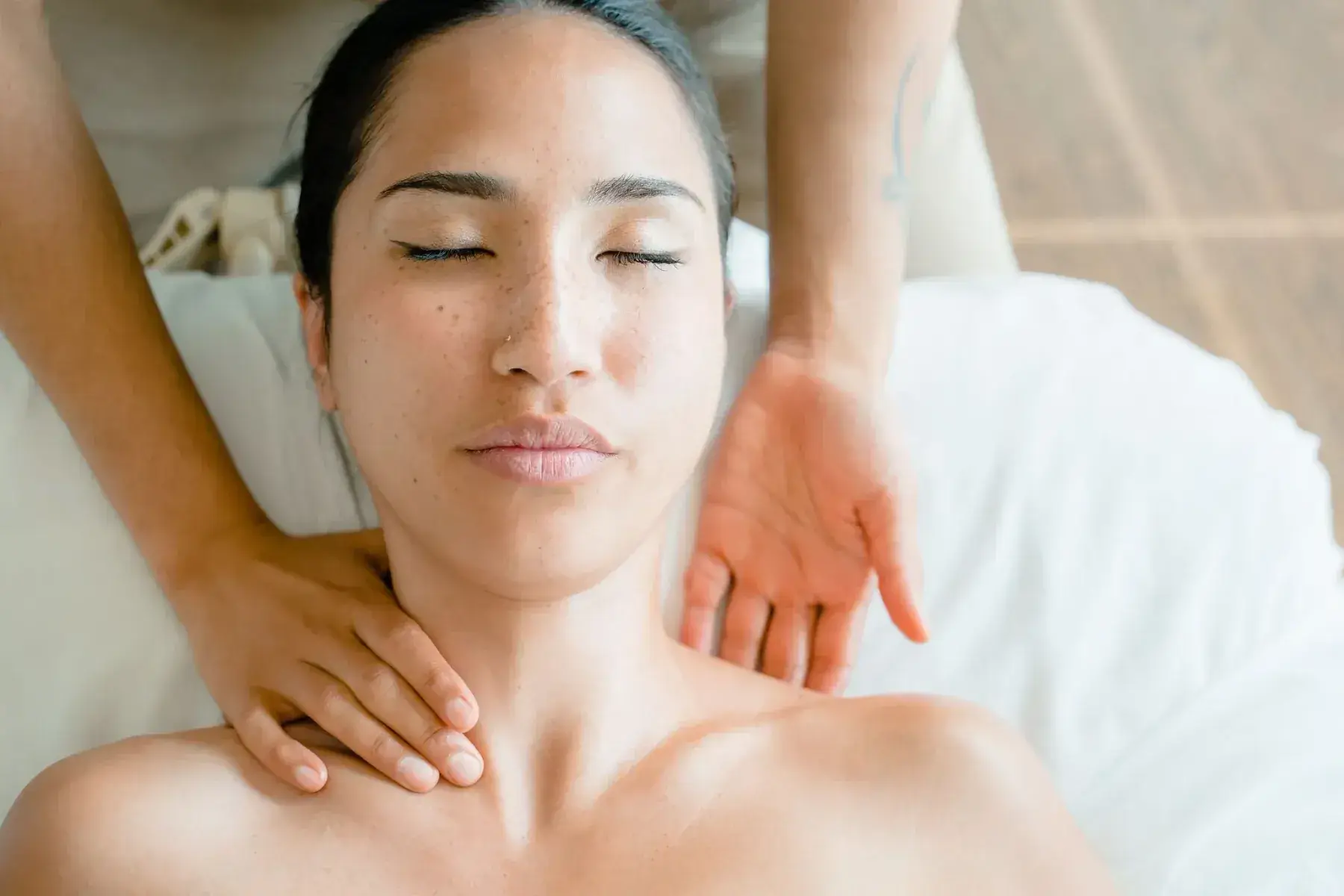
MLD is a light, slow, hands-on technique that stretches the skin to encourage lymph vessels to move fluid toward lymph nodes that are working. The National Lymphedema Network’s 2025 position statement describes it as increasing lymphangion activity and the reabsorption of protein-rich fluid, performed directly on the skin with pressure adapted to the tissue.
MLD is rarely meant to work alone. The NLN calls complete decongestive therapy (CDT) the conservative gold standard for lymphedema. CDT has two phases, an intensive clinical phase and a self-management phase, and combines:
- manual lymphatic drainage
- skin care
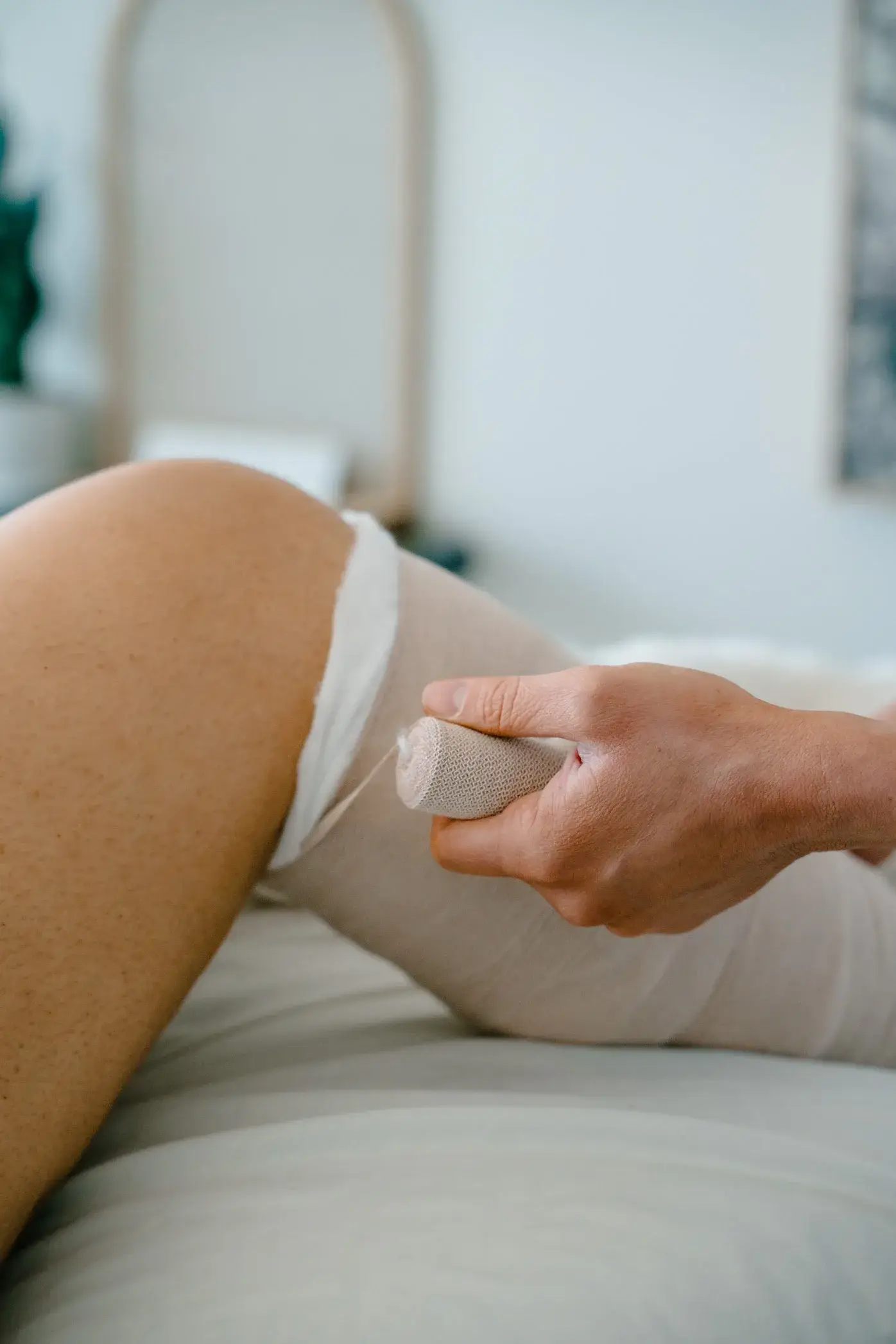
- multilayer short-stretch bandaging
- compression garments
- decongestive exercises
- self-care education
The evidence for MLD is modest but real. A Cochrane review of six trials and 208 people with breast cancer-related lymphedema found compression bandaging alone reduced swelling by 30 to 37 percent, and adding MLD gave an additional 7.11 percent reduction, mainly in mild to moderate lymphedema. The reviewers found MLD safe and well tolerated. The trials were small, so the size of the effect is uncertain, but MLD has been tested against a comparison and RLD has not.
Side by side
| Reflexology lymph drainage | Manual lymphatic drainage | |
|---|---|---|
| Where the hands work | Reflex points, as in reflexology | The swollen area and its drainage pathways |
| Place in standard care | Not part of CDT | One component of CDT |
| Best evidence | One uncontrolled study, 26 women | Cochrane review of six randomised trials |
| Works with compression | Not studied | Yes, the added benefit is on top of bandaging |
| Practitioner | Reflexologist trained in RLD | Lymphatic therapist; a Certified Lymphedema Therapist for lymphedema |
On training, the NLN notes that lymphedema therapist programs recognised by the Lymphology Association of North America require at least 135 hours of education, and it advises people seeking lymphedema treatment to look for a Certified Lymphedema Therapist.
How to choose
- You have diagnosed lymphedema: start with a lymphedema assessment and a CDT plan that includes compression. That is where the evidence is. In the Cochrane review, most of the measured reduction came from compression, with MLD adding to it.
- You are at risk but have no swelling yet: talk to your cancer team about monitoring and early signs. The RLD study included only women who already had arm swelling.
- You find reflexology relaxing and want to keep it: that is reasonable as an extra. Tell your lymphedema therapist, keep wearing your compression as prescribed, and do not drop any part of your plan in favour of it.
- You are a therapist looking for RLD training: we do not teach it. The research team behind the feasibility study is the place to look for the method’s background.
When to call your doctor first
Some changes need a medical opinion before any hands-on treatment, reflexology or MLD. The NLN lists acute infection, decompensated congestive heart failure and acute deep vein thrombosis as contraindications to MLD. Call your doctor promptly if you notice:
- new redness, warmth, increased swelling or pain in the limb, which can be cellulitis even without a fever
- a suspected or diagnosed blood clot, or new pain and swelling you cannot explain
- new breathlessness or a heart condition that has become harder to control
- red blotches, open lesions or swelling that is getting worse quickly, which the NLN says needs urgent referral
For reflexology specifically, Cancer Research UK advises checking with your doctor first if you have circulation problems in the feet, blood clots in the leg veins, gout, foot ulcers, fungal foot infections or a low platelet count.
How lymphatic care works at Renu
We do not offer reflexology lymph drainage. Our lymphatic work is manual lymphatic drainage, and lymphedema care is led by Meeghan Mackenzie, our founder, a Registered Massage Therapist and Certified Lymphedema Therapist trained through the Academy of Lymphatic Studies and a Certified Compression Fitter. That matters for this decision because the measured benefit of MLD comes alongside compression, and fitting is done in the same clinic.
If you are new to lymphatic work, a 60 minute classic lymphatic drainage massage is $130. For diagnosed lymphedema, Meeghan plans care through complete decongestive therapy, and a compression fitting is $25. Our comparison of CDT and manual lymphatic drainage explains why the two are not interchangeable, and if reflexology itself is your interest, see reflexology vs massage therapy. Booking is online through Jane, and the clinic is in West Hillhurst, open seven days a week.
Questions people ask
Can reflexology reduce arm swelling after breast cancer?
In the one feasibility study of reflexology lymph drainage, arm volume went down in 26 women and stayed down for more than six months. The study had no comparison group, so the authors could not say the reflexology caused the change. A randomised trial is still needed before anyone can claim it works.
Is it safe to have reflexology if I have lymphedema?
The feasibility study reported no serious side effects. Cancer Research UK advises checking with your doctor first if you have blood clots in the leg veins, foot ulcers, circulation problems in the feet or a low platelet count. Tell your lymphedema therapist too, so your plan stays consistent.
Does Renu offer reflexology lymph drainage or RLD training?
No. We do not offer or teach reflexology lymph drainage. Our lymphatic work is manual lymphatic drainage on the body, and lymphedema care is led by Meeghan Mackenzie, our Certified Lymphedema Therapist.
Do I need a referral to book manual lymphatic drainage in Calgary?
You can book a classic lymphatic drainage session with us online through Jane without a referral. If you have diagnosed lymphedema, bring what your doctor or cancer team has told you, including any measurements, so we can plan around it.
Sources
- Whatley J, Street R, Kay S, Harris PE. Use of reflexology in managing secondary lymphoedema for patients affected by treatments for breast cancer: a feasibility study. Complement Ther Clin Pract, 2016 (Europe PMC)
- Cancer Research UK: A study looking at reflexology to manage lymphoedema after breast cancer treatment
- Cochrane: Manual lymphatic drainage for lymphedema following breast cancer treatment
- National Lymphedema Network: Position statement, lymphedema diagnosis and treatment (2025)
- Ernst E. Is reflexology an effective intervention? A systematic review of randomised controlled trials. Med J Aust, 2009 (Europe PMC)
- Cancer Research UK: Reflexology
Page reviewed October 5, 2026. This page is education, not a diagnosis. For your own situation, talk to your doctor, surgeon or care team, or ask us.
Keep reading
Related pages