
Mobile lymphatic drainage vs in-clinic
Mobile lymphatic drainage vs in-clinic after surgery: home visits spare you the drive in week one; a clinic gives a proper table, set-up and continuity.
By The Renu lymphatic and massage team · 6 min read
A mobile therapist who comes to your home makes sense in the first days after surgery, when getting dressed in a garment and into a car is hard and you may not have a driver. Once you can travel, an in-clinic session usually offers more: a height-adjustable treatment table, space to position you around drains and garments, a controlled hygiene set-up and the same therapist through your recovery. Whichever you choose, check the therapist's lymphatic training, association membership and records before the first visit.
In the first days after surgery, the drive can feel harder than the treatment. That is the honest reason mobile lymphatic drainage exists, and for some people in some weeks it is the right call. The question is less “home or clinic” than “which one fits this stage of my recovery, and is the therapist properly trained either way”.
Why the choice matters most in the first few weeks
The trade-off is sharpest early, because that is when sessions are most frequent and travel is hardest. A 2023 review in the Aesthetic Surgery Journal Open Forum describes general recommendations of manual lymphatic massage two to three times a week during the first three to four weeks of recovery, performed by a certified lymphedema therapist or a licensed massage therapist with lymphedema training. The same review notes that swelling after liposuction can take three to six months to resolve.
The American Society of Plastic Surgeons describes the first week after liposuction as a time to significantly limit activity, with most people feeling much better by weeks two to three and swelling starting to subside around weeks four to five. Put those together and the pattern is clear: the hardest week to travel is also a week when you may want two or three sessions.
What a home visit can and cannot replicate
A good mobile therapist brings skill; what they cannot always bring is the room.
| Mobile (in your home) | In-clinic | |
|---|---|---|
| Travel for you | None | A short drive or ride, in your garment |
| Table | Portable table, if they bring one; otherwise a bed or sofa | Height-adjustable treatment table |
| Positioning around drains and garments | Limited by the space and furniture | Room to work on both sides and change position |
| Hygiene and equipment | Depends on your home and their kit | Set up for cleaning between clients |
| Continuity | Depends on the therapist’s route and availability | Same clinic, often the same therapist, through each stage |
| Compression help | Usually brought in or arranged separately | Garment questions handled on the spot |
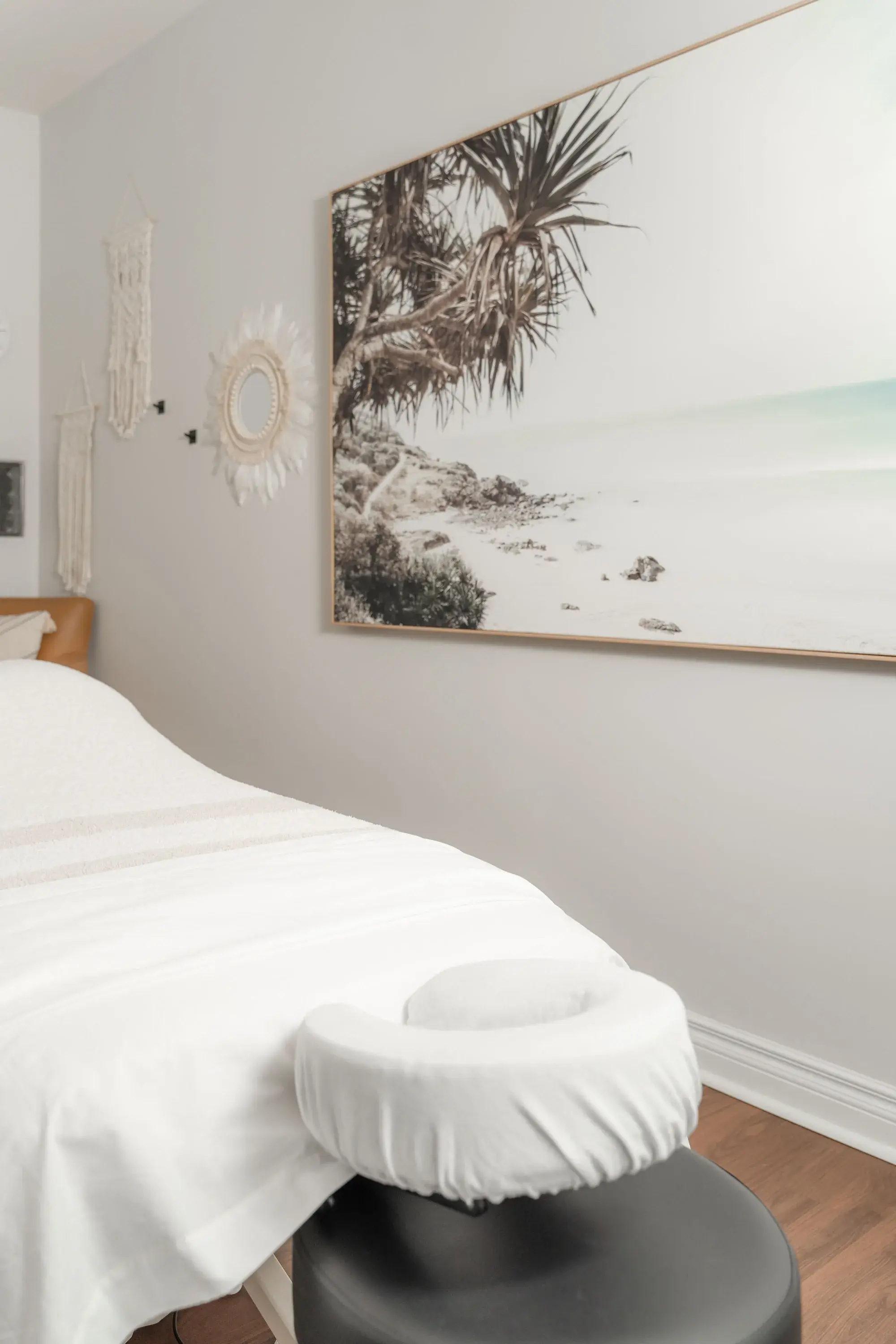
The professional standards make the point for us. The standards of practice of the CRMTA, an Alberta association for RMTs, ask therapists to ensure adequate space for the safe movement and comfort of the patient and therapist, apply universal hygiene precautions, clean and maintain equipment, drape with non-transparent materials so only the treated area is exposed, obtain informed consent and keep an indelible clinical record for each patient. None of that is impossible in a living room, but all of it is easier in a treatment room. A low bed also makes it hard for a therapist to reach the abdomen and flanks with the light, even pressure post-op drainage needs.
How to vet a mobile therapist
The credentials matter more than the location. Before you book anyone who comes to your home, ask:
- Are you a Registered Massage Therapist, and with which association? In Alberta, active membership in the Massage Therapist Association of Alberta, for example, requires a two-year, 2,200-hour diploma, current first aid and CPR, and a vulnerable-sector criminal record check.
- What lymphatic or lymphedema training do you have? The review above points to certified lymphedema therapists or massage therapists with lymphedema training. Our page on RMT vs Certified Lymphedema Therapist explains the difference.
- Will you take a written health history and keep notes? Standards of practice require a clinical record; it also protects you if your surgeon asks what was done.
- Do you bring a table and clean linens?
- What receipt will I get, and will my plan accept it? Check this with your insurer first.
Practical points for Calgary
Getting to a clinic in the early weeks is mostly a logistics problem, and it can be planned.
- Have someone drive you for the first visits, especially if pain medication makes you drowsy. Do not drive yourself on it.
- Wear the garment your surgeon prescribed and loose clothes over it; you do not need to arrive undressed. Our answer on whether you take compression off for a session explains what happens in the room.
- Pick an easy entrance. Renu is on 19 Street NW in West Hillhurst, with free street parking on 19 Street, which shortens the walk from the car.
- Bring a small pillow for the seat belt across a sore abdomen on the ride home.
When to call your surgeon instead of booking
No therapist, mobile or clinic, should treat through warning signs. Cleveland Clinic lists conditions in which lymphatic drainage should be avoided, including blood clots or deep vein thrombosis, cellulitis, fever, infection, heart disease and kidney failure. The NHS notes that blood clots are more likely when you are having, or have had, surgery, and it advises contacting your surgeon straight away about severe pain or any unexpected symptoms after liposuction. After surgery, call your surgeon before any session if you notice:
- Throbbing pain or swelling in one leg, usually the calf or thigh
- Shortness of breath or chest pain with those leg symptoms (call 911)
- A fever, or signs that an incision may be infected
- Severe pain, or anything that feels unexpected for your stage of healing
If you still have drains in, read can you have lymphatic drainage with surgical drains in before your first session.
How post-op sessions work at Renu
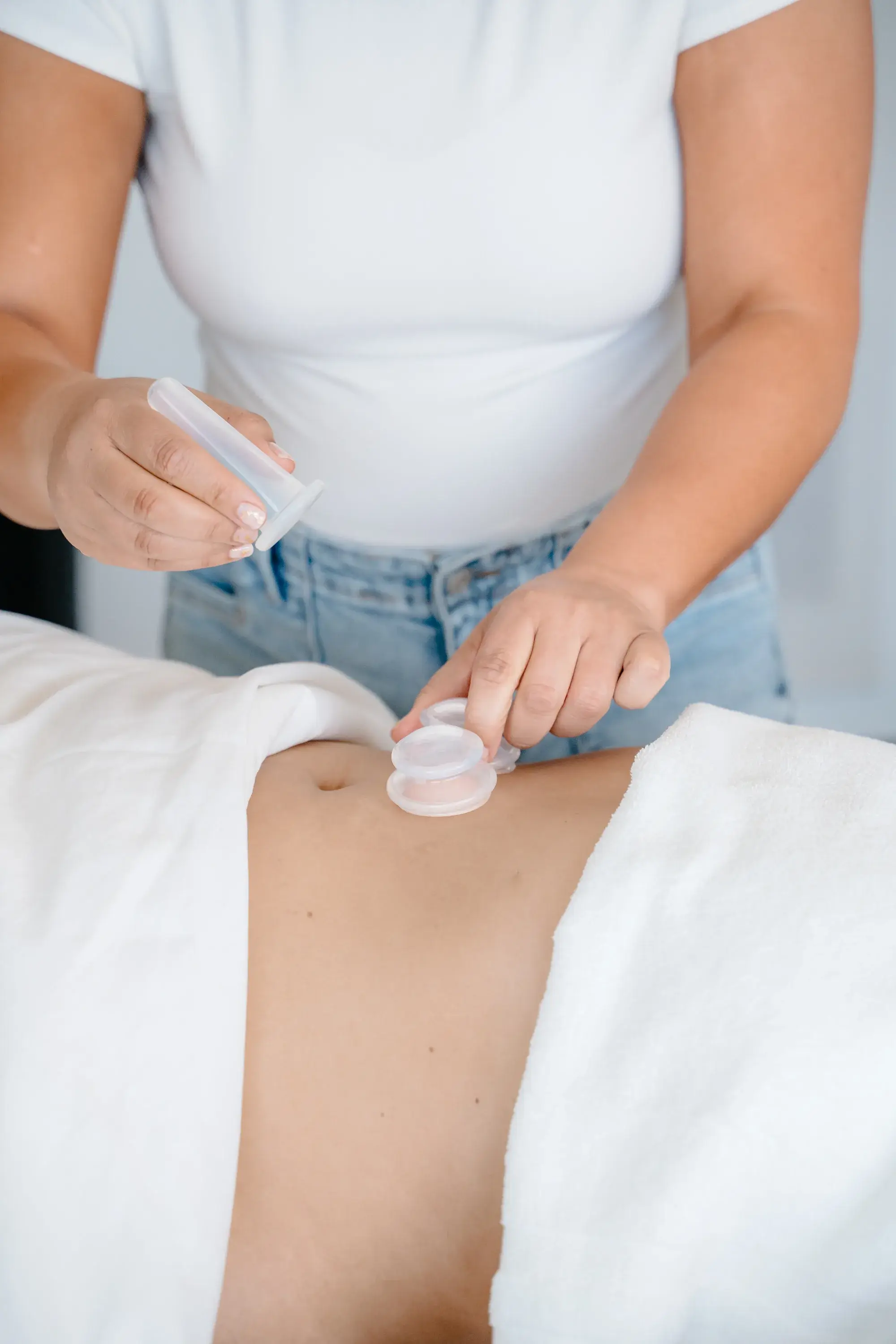
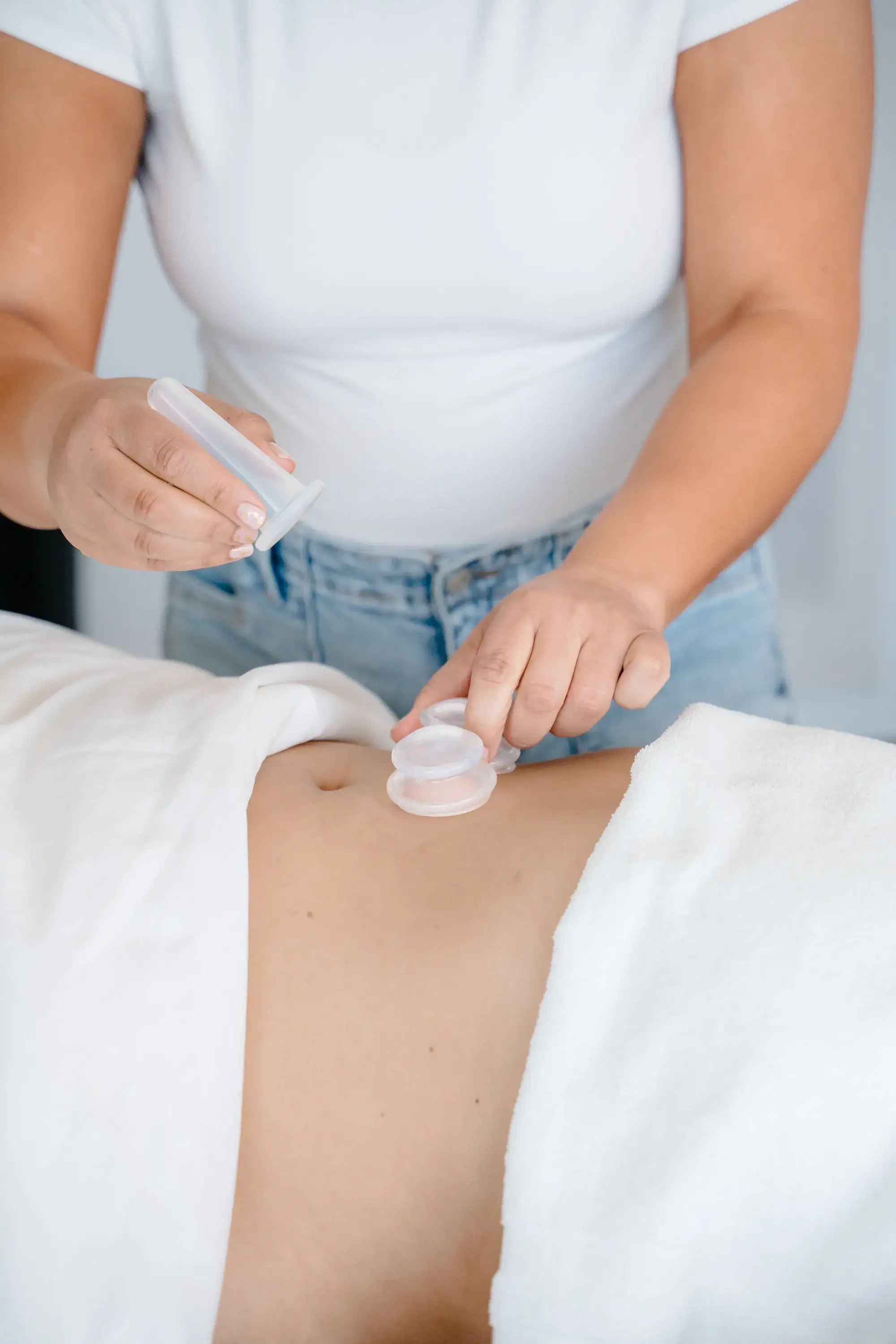
Renu’s post-op lymphatic drainage takes place at the clinic, delivered by our Certified Lymphedema Therapist and lymphatic-trained RMTs. Treatment can begin as early as 24 hours after surgery with your surgeon’s approval. Sessions are 30 minutes ($105), 45 minutes ($115) or 60 minutes ($140), and a 90-minute session ($210) is set aside for two or more procedures done in one surgery. Compression garment fitting and ordering are available for every kind of surgery, so garment questions can be handled at the same visit. Booking is through Jane, and the clinic is open seven days.
How to choose
- You cannot safely leave home, or have no driver, in week one: a credentialed mobile therapist with lymphatic training is reasonable for the first sessions.
- You can travel with help: clinic sessions give you a proper table, room to position you around drains and garments, and one team through the stages of recovery.
- You are months out with lingering firmness: come in; fibrosis work and garment checks are easier in the clinic.
Many people do both: a home visit or two while travel is hardest, then the clinic once they are moving more comfortably. What matters most is the training of the hands, and that you start when your surgeon says it is safe; when you can start lymphatic drainage after surgery covers the timing.
Questions people ask
Is mobile lymphatic drainage more expensive than going to a clinic?
It can be, since a home visit includes the therapist's travel time, but prices vary. Compare the cost per minute of hands-on treatment, not the total, and ask whether travel is charged separately.
Can a mobile therapist give me a receipt for my benefits?
That depends on the therapist's credentials and your plan, not on where the session happens. Ask your insurer which practitioners it reimburses and ask the therapist for their association and registration number before you book.
What should I have ready for a home session?
A clear, warm room, clean towels and sheets, your garment and any foam or boards your surgeon gave you, and somewhere the therapist can wash their hands. A massage table is far better than a bed or a sofa.
How soon can I travel to a clinic after liposuction?
Follow your surgeon's advice. The American Society of Plastic Surgeons describes the first week as a time to significantly limit activity, with people starting to feel much better in weeks two to three. Do not drive while taking medication that makes you drowsy.
Sources
- Marxen et al., Aesthetic Surgery Journal Open Forum (2023): The utility of lymphatic massage in cosmetic procedures
- American Society of Plastic Surgeons: Liposuction recovery
- CRMTA: Standards of practice
- Massage Therapist Association of Alberta: Active membership requirements
- Cleveland Clinic: Lymphatic drainage massage
- NHS: Deep vein thrombosis (DVT)
- NHS: Liposuction
Page reviewed October 5, 2026. This page is education, not a diagnosis. For your own situation, talk to your doctor, surgeon or care team, or ask us.
Keep reading
Related pages