
Massage for hip impingement
Massage for hip impingement can ease tight hip flexors, adductors and glutes beside physio-led care, but it cannot change the bone shape behind FAI syndrome.
By The Renu lymphatic and massage team · 5 min read
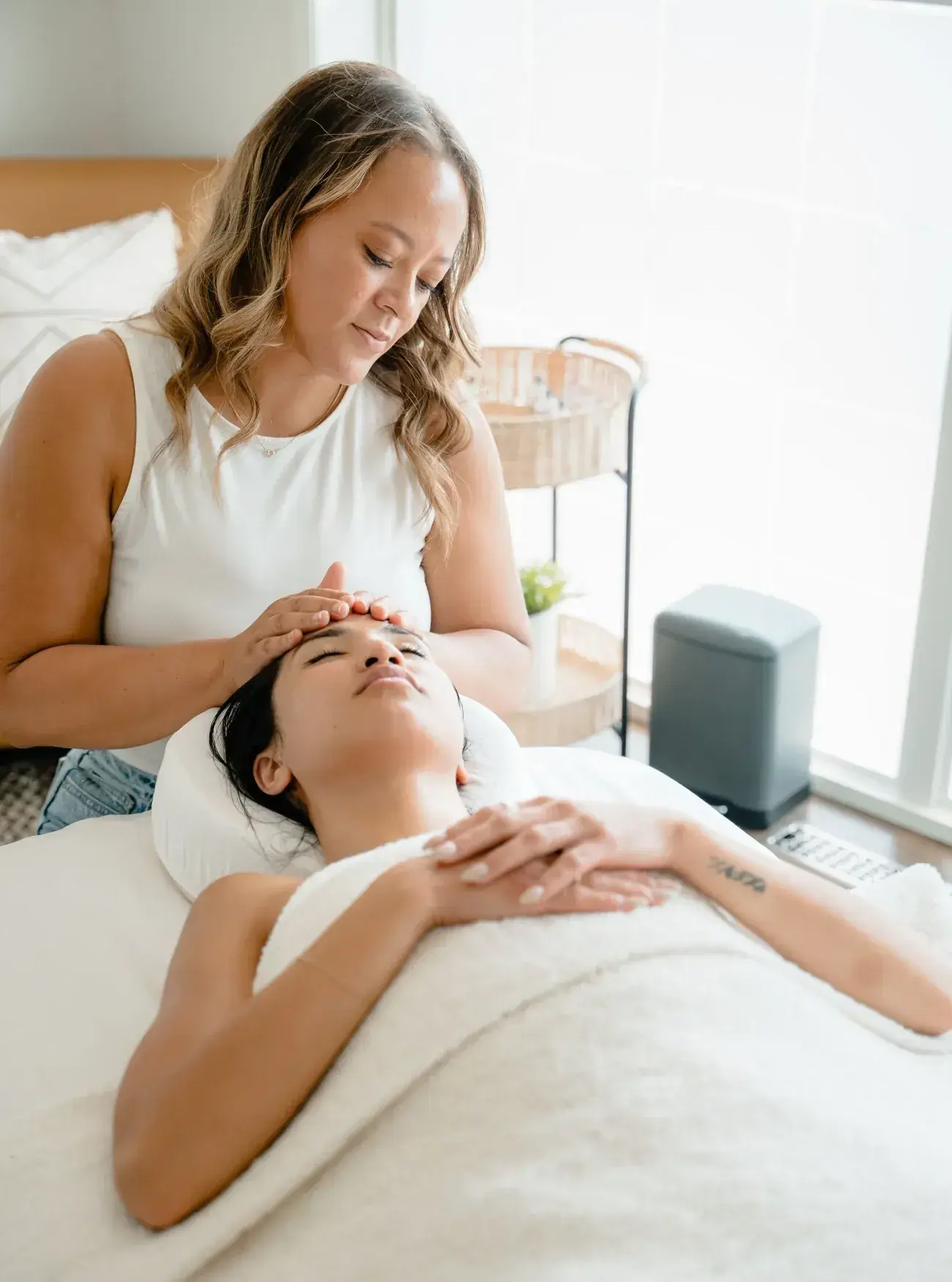
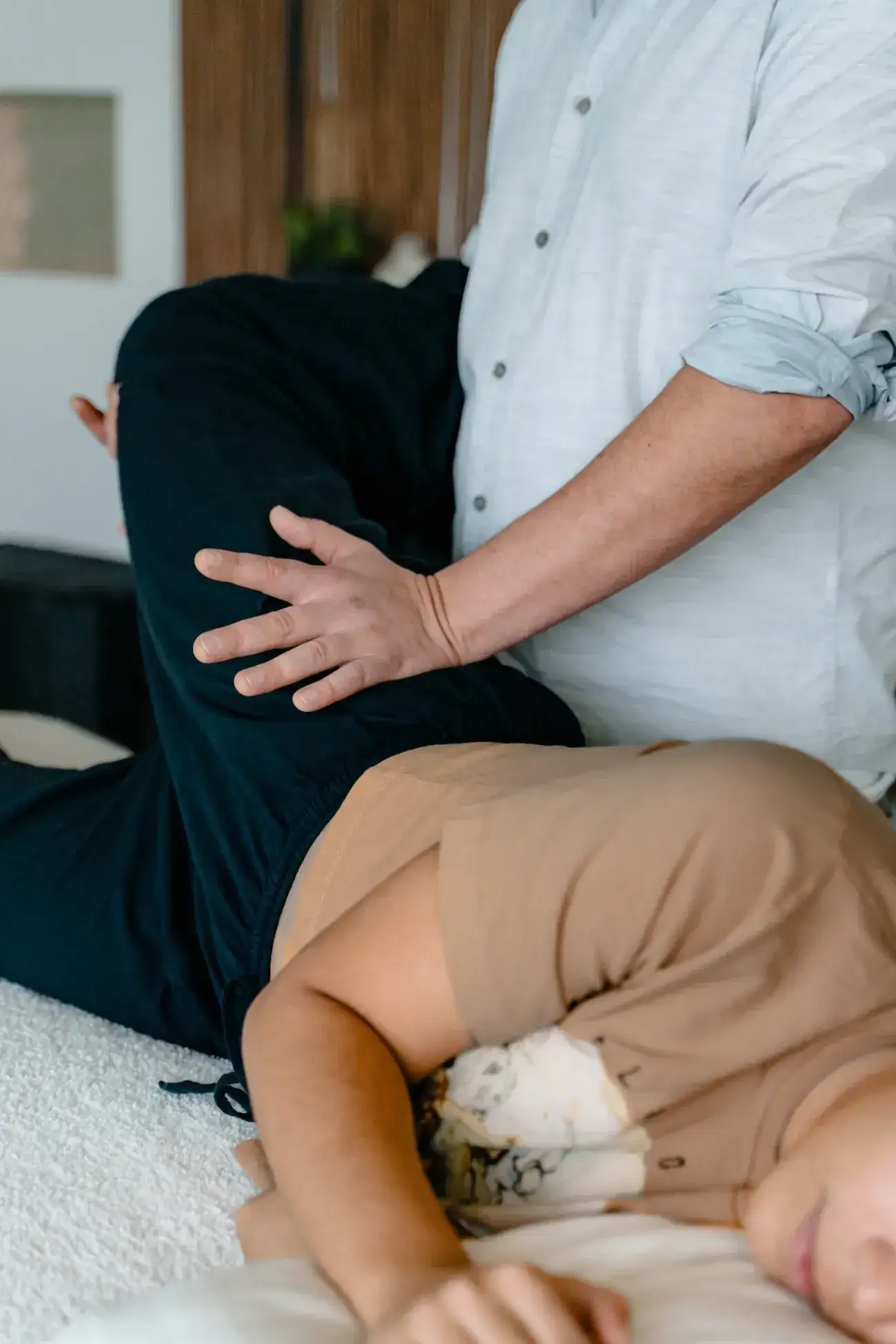
Massage cannot reshape the bone that causes hip impingement, so it is not a treatment for FAI syndrome on its own. It can ease the hip flexors, adductors, glutes and low back that tighten around a pinching hip, and make it more comfortable to keep up the physiotherapist-led program that is the main non-surgical treatment. Hip pain that stops you walking, follows a fall, or comes with fever needs a doctor first.
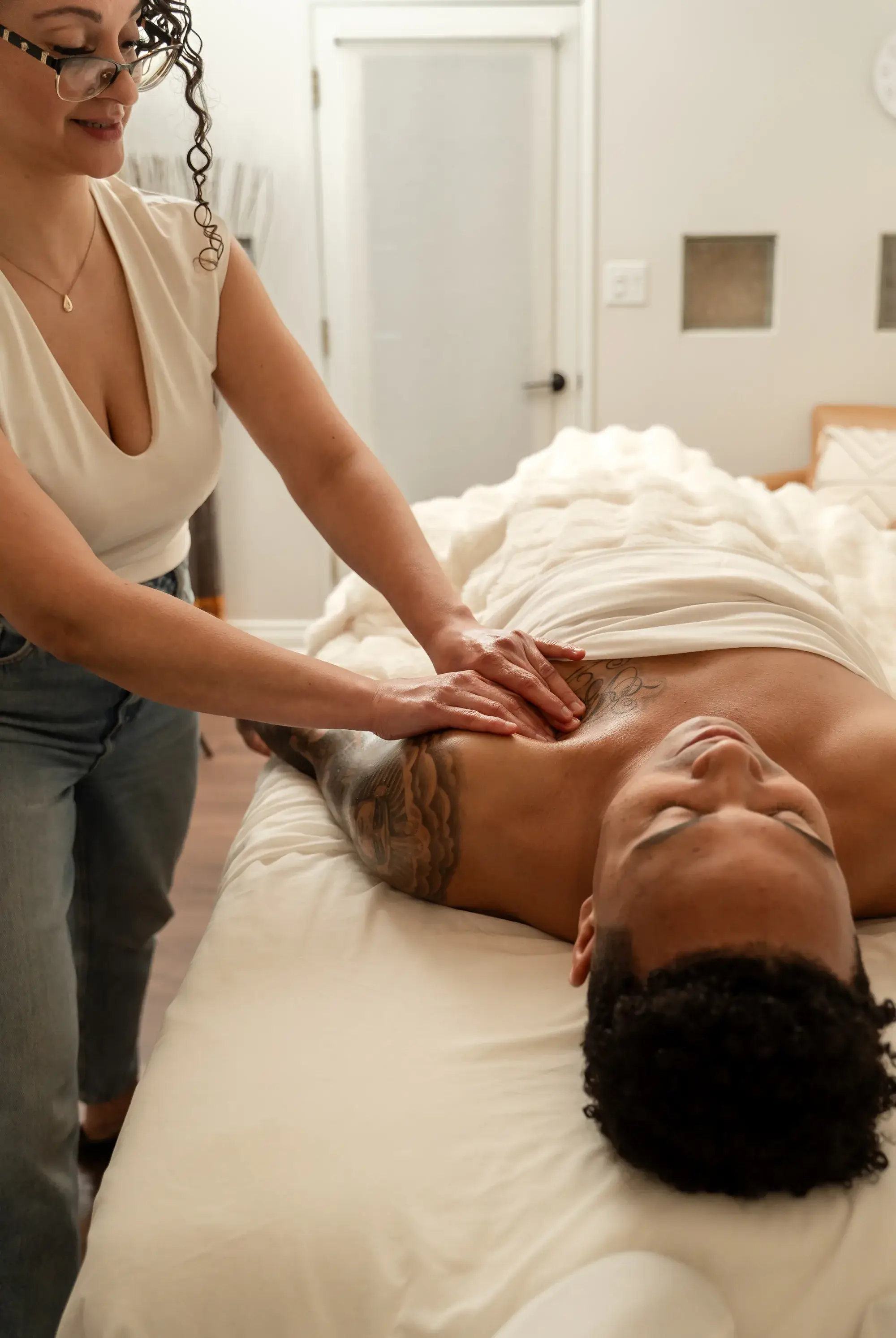
Massage for hip impingement is a helper, not a fix. Femoroacetabular impingement happens when the ball and socket of the hip are shaped so that they meet too early in certain movements, and no amount of hands-on work changes bone. What massage can do is ease the muscles that guard a pinching hip and keep you comfortable enough to do the rehabilitation that has real evidence behind it.
That is the role we take at our clinic: we support physiotherapist-led care. Your physiotherapist or sports medicine doctor leads the plan, and we fit around it.
What FAI syndrome is, and why an image is not a diagnosis
FAI syndrome is a hip condition where extra bone on the ball, the socket or both makes the joint surfaces rub. The American Academy of Orthopaedic Surgeons describes three types:
- Cam: the head of the thigh bone is not round, so it cannot rotate smoothly in the socket.
- Pincer: extra bone extends over the rim of the socket and can crush the labrum, the ring of cartilage around it.
- Combined: both at once.
Typical symptoms are groin pain, stiffness and sometimes a limp, with pain brought on by turning, twisting and squatting. Those are exactly the movements hockey, skiing, soccer and deep yoga poses ask of a hip, and the NHS also warns that low chairs put extra pressure on sore hips, which is why a low car seat can set it off.
An important point from the 2016 Warwick Agreement, an international consensus endorsed by 25 clinical societies including the Canadian Academy of Sport and Exercise Medicine: the condition was renamed FAI syndrome to put symptoms at the centre. To be diagnosed, you need the right symptoms, positive signs when a clinician examines the hip, and imaging findings, all three. A cam shape on an X-ray in someone without pain is not FAI syndrome. The same consensus lists the suitable treatments as conservative care, rehabilitation, and arthroscopic or open surgery.
Physio-led care or surgery: what the UK FASHIoN trial showed
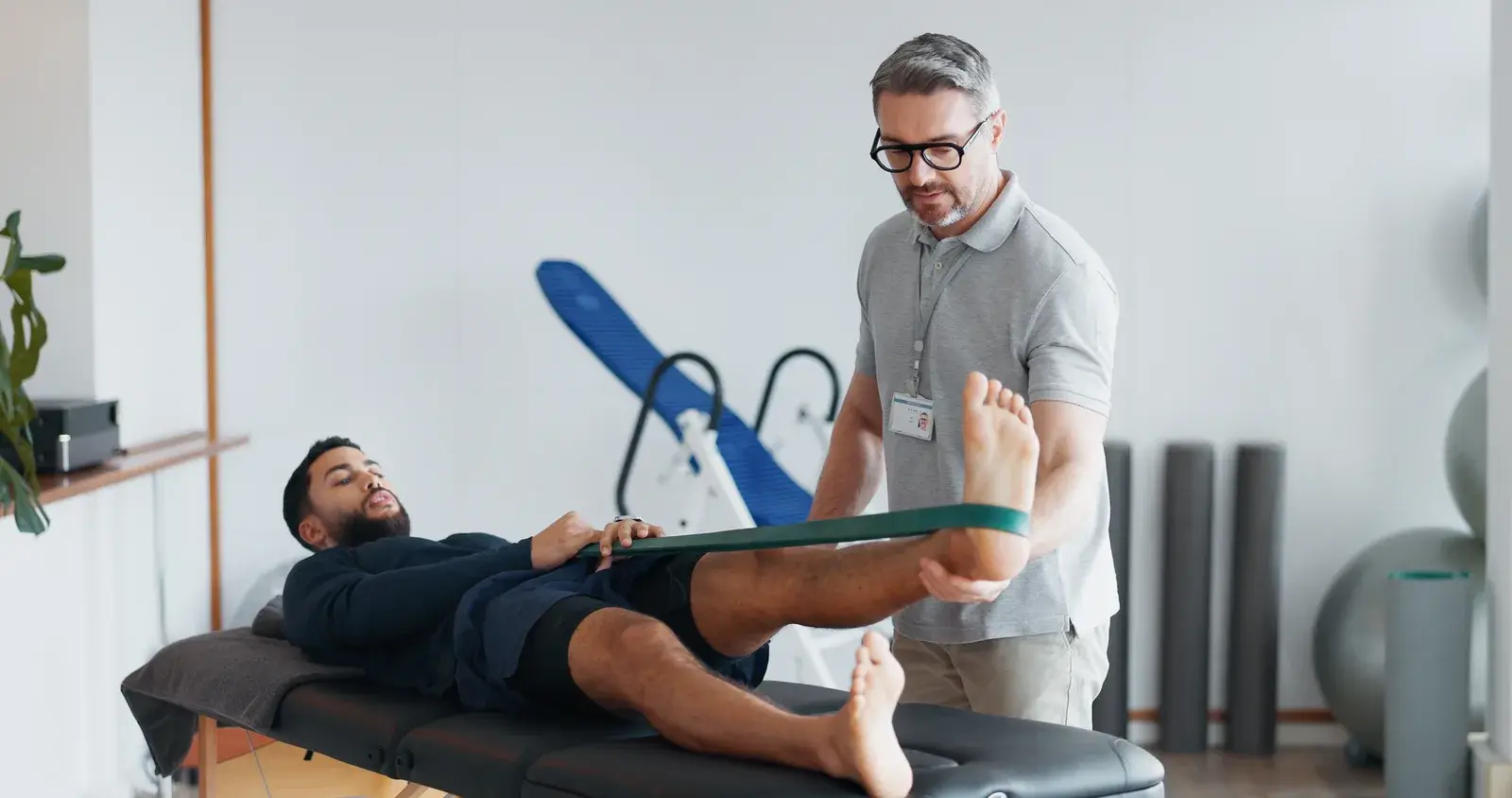
The best head-to-head evidence comes from UK FASHIoN, a trial of 348 people aged 16 and over across 23 hospitals. Half had hip arthroscopy; half had personalised hip therapy, an individual, supervised, progressive program led by a physiotherapist.
| At 12 months | Hip arthroscopy | Personalised hip therapy |
|---|---|---|
| Hip-related quality of life score (iHOT-33, 0 to 100) | 39.2 rose to 58.8 | 35.6 rose to 49.7 |
| Most common side effect | Muscle soreness, 42% | Muscle soreness, 47% |
| Serious adverse events related to treatment | 5 of 6 | 0 of 1 |
Both groups got better. Surgery improved quality of life more, and the gap passed the threshold the researchers set as clinically important. The full report adds that within three years about a quarter of the therapy group chose to have arthroscopy, 12 percent of the surgery group needed a revision, and surgery was not shown to be cost-effective in the first 12 months.
So the practical message is that physiotherapist-led care is a genuine option and often the first step, and surgery is a reasonable choice for some people after that. Massage fits inside the first path, not as a substitute for it.
Where massage helps beside rehabilitation
Massage for hip impingement focuses on the tissues that tighten around a hip that keeps getting pinched. There are no trials of massage for FAI syndrome, so we describe what it does for comfort rather than claiming it changes the course.
In a session we usually work on:
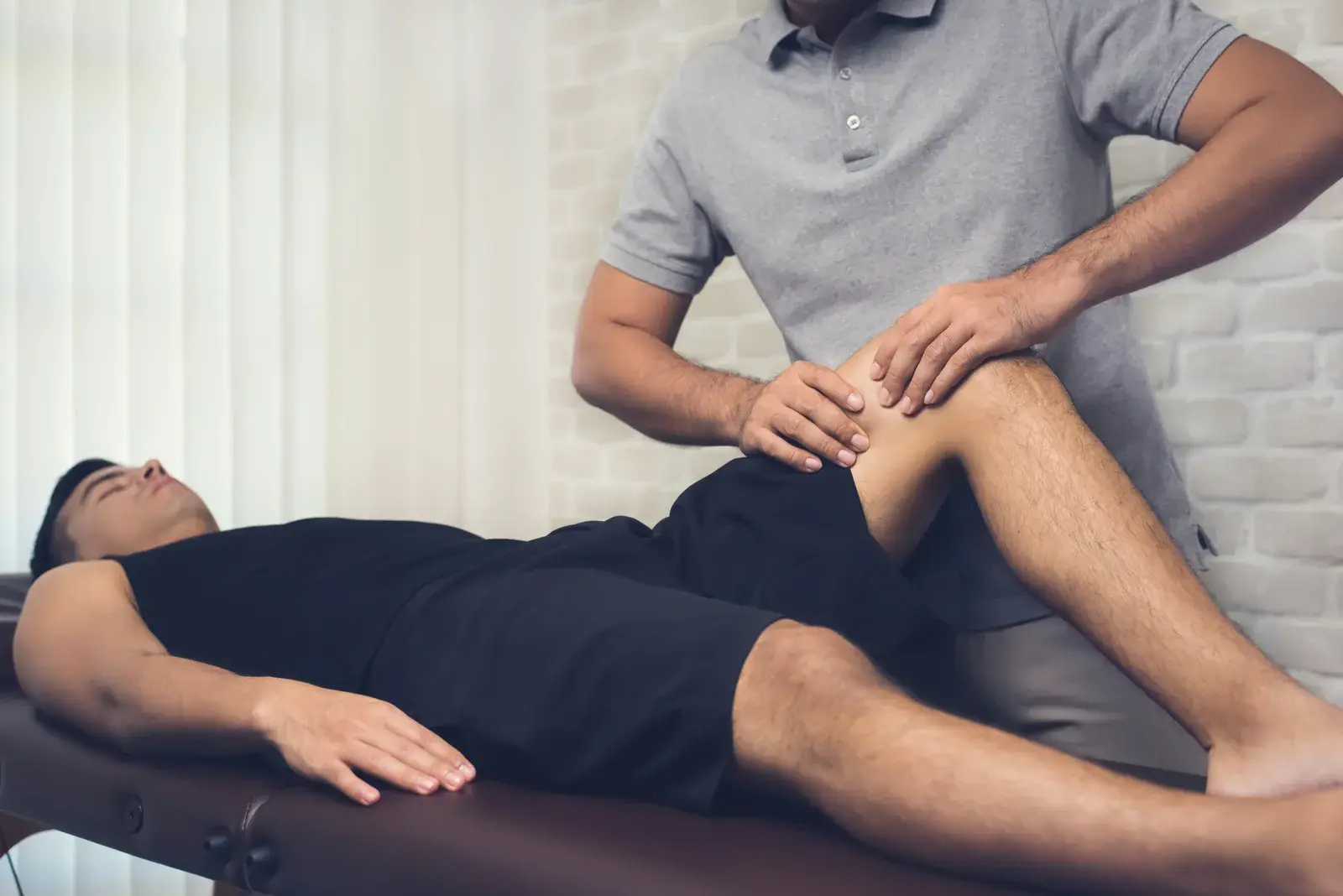
- Hip flexors. The front of the hip often holds tension when every deep bend hurts.
- Adductors. The inner thigh muscles commonly tighten alongside groin pain; if a strain is part of the picture, our groin strain and hip flexor strain pages go further.
- Gluteals and deep hip rotators. Easing the back of the hip often makes sitting and walking feel freer.
- Low back. Researchers comparing 69 people with FAI syndrome with 69 healthy controls found more anterior pelvic tilt and lower posterior trunk muscle endurance in the FAI group, so the low back and pelvis are worth attention.
A caution on that last point: a separate home-exercise study aimed at reducing excessive anterior pelvic tilt found no clinically relevant change in hip pain or tilt overall. Posture work is not a shortcut; strengthening guided by your physiotherapist is still the core.
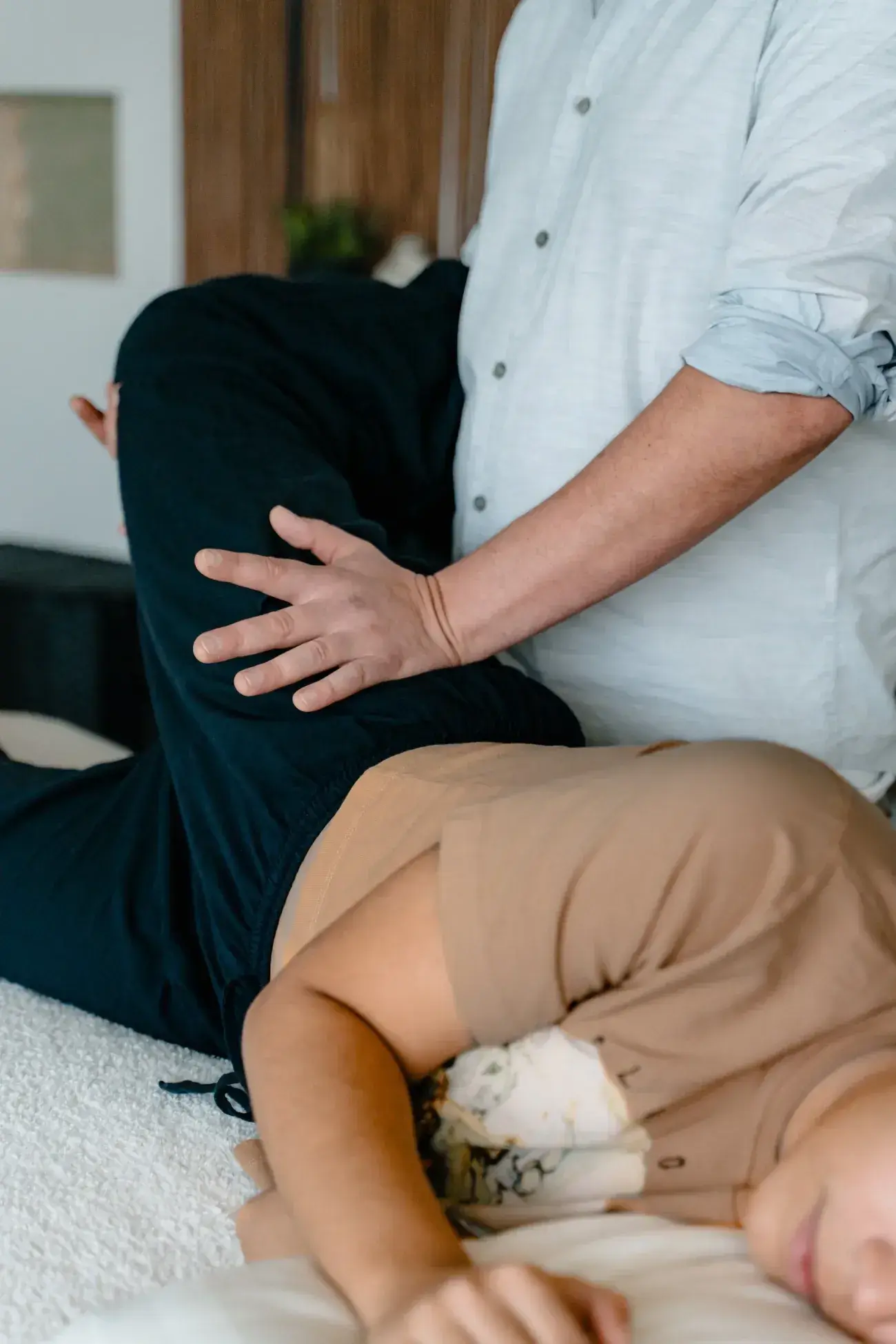
What we avoid: forcing the hip deep into the bend-and-twist positions that bring your pain on, and any stretch that reproduces your sharp groin pain. We keep movement within the range that feels easy, often with you side-lying.
When to see a doctor first
Hip pain needs a medical assessment before massage in some situations. The NHS advises:
- Emergency care for severe pain after a fall or injury, being unable to walk or put weight on the leg, or tingling or numbness in the hip or leg after an injury.
- Urgent same-day advice for sudden severe hip pain without an injury, a swollen, hot hip with changed skin colour, or hip pain with a fever and feeling unwell.
- A routine doctor’s visit if pain stops normal activities or disturbs your sleep, keeps coming back or getting worse, has not improved after two weeks of home care, or the hip stays stiff for more than 30 minutes after waking.
The AAOS adds that the longer FAI symptoms go untreated, the more damage the condition can cause, so persistent groin pain in an active young adult deserves a proper assessment rather than months of guessing. If arthritis is part of the conversation, our hip osteoarthritis page covers that, and outer-hip pain over the bony point may fit hip bursitis better.
How this works at Renu
Book massage therapy with one of our Registered Massage Therapists through Jane. A 45-minute session ($100) suits a focused visit to one hip, the groin and the low back. A 60-minute session ($120) gives time for both hips and the thighs, which helps if you have been compensating on the other side.
Bring shorts and tell us what your imaging showed, which movements set the pain off, and what your physiotherapist has you doing. If you play in a Calgary league through the winter, our page on massage for hockey players covers how to time sessions around games.
Questions people ask
Can stretching fix hip impingement?
Stretching cannot change bone shape, and forcing a deep stretch into the pinch usually aggravates it. The physiotherapist-led programs that help FAI syndrome are individualised and progressive, with strengthening and movement retraining rather than just stretching. Ask your physiotherapist which stretches suit your hip.
My MRI shows a cam deformity. Does that mean I have FAI?
Not on its own. The international Warwick Agreement says FAI syndrome needs three things together: the right symptoms, positive findings when a clinician examines the hip, and imaging. Bone shape without symptoms is not a diagnosis.
Is surgery better than physio for hip impingement?
In the UK FASHIoN trial, both groups improved, and the surgery group improved more at 12 months by a margin judged clinically meaningful. Surgery also had more treatment-related serious complications, and many people do well with physiotherapy. It is a decision to make with your surgeon based on your hip and your goals.
Should I avoid deep squats with hip impingement?
Turning, twisting and squatting are the movements that most often bring on FAI pain, according to the American Academy of Orthopaedic Surgeons. Modifying those, rather than pushing through, is part of standard non-surgical care until your physiotherapist rebuilds them gradually.
Sources
- Griffin et al., British Journal of Sports Medicine 2016: The Warwick Agreement on femoroacetabular impingement syndrome
- Griffin et al., The Lancet 2018: Hip arthroscopy versus best conservative care for FAI syndrome (UK FASHIoN)
- Griffin et al., Health Technology Assessment 2022: UK FASHIoN full report
- European Journal of Physical and Rehabilitation Medicine 2024: Anterior pelvic tilt and trunk muscle endurance in FAI syndrome
- Musculoskeletal Science and Practice 2022: Exercise in patients with acetabular retroversion and excessive anterior pelvic tilt
- American Academy of Orthopaedic Surgeons (OrthoInfo): Femoroacetabular impingement
- NHS: Hip pain in adults
Page reviewed October 5, 2026. This page is education, not a diagnosis. For your own situation, talk to your doctor, surgeon or care team, or ask us.
Keep reading
Related pages