
Lymphedema treatment cost in Calgary
Lymphedema treatment cost in Calgary covers an intensive phase, garments and maintenance. How AADL's 25% cost-share works and what Renu charges for fitting.
By The Renu lymphatic and massage team · 5 min read
Lymphedema treatment in Calgary is not one price but three costs: an intensive phase of complete decongestive therapy, compression garments, and lifelong maintenance. In Alberta, AADL can fund ready-made garments for chronic lymphedema, with clients paying 25% up to $500 per family per benefit year. At Renu, a compression fitting with Meeghan Mackenzie is $25; ask her after an assessment what your treatment plan would involve and cost.
The cost of lymphedema treatment in Calgary is easier to plan as three budgets rather than one: a short, intensive phase of therapy, the compression garments that follow, and ongoing maintenance for years. Each part has its own costs and its own funding rules in Alberta. This page walks through all three so you can plan, and explains what Renu publishes and what to ask us about.
Why lymphedema has no single price
Lymphedema is a long-term condition that is managed rather than resolved. The NHS puts it plainly: it is usually possible to control the main symptoms, but the condition does not go away. That shapes the cost.
The standard treatment is complete decongestive therapy, or CDT. The National Cancer Institute describes it in two phases:
| Phase | What it involves | How long |
|---|---|---|
| 1. Decongestion | Skin care, exercise, manual lymphatic drainage and compression bandaging | Daily, for an average of 15 days |
| 2. Maintenance | Skin care, exercise, manual lymphatic drainage as needed, and compression garments | Ongoing |
NCI also notes that CDT is the standard of care for stage II lymphedema, but the optimal program has not been established. In practice, the length of the intensive phase depends on how much swelling there is, how your tissue responds, and what fits your life. Our page on the phases of CDT explains each step in more depth.
Cost one: the intensive phase
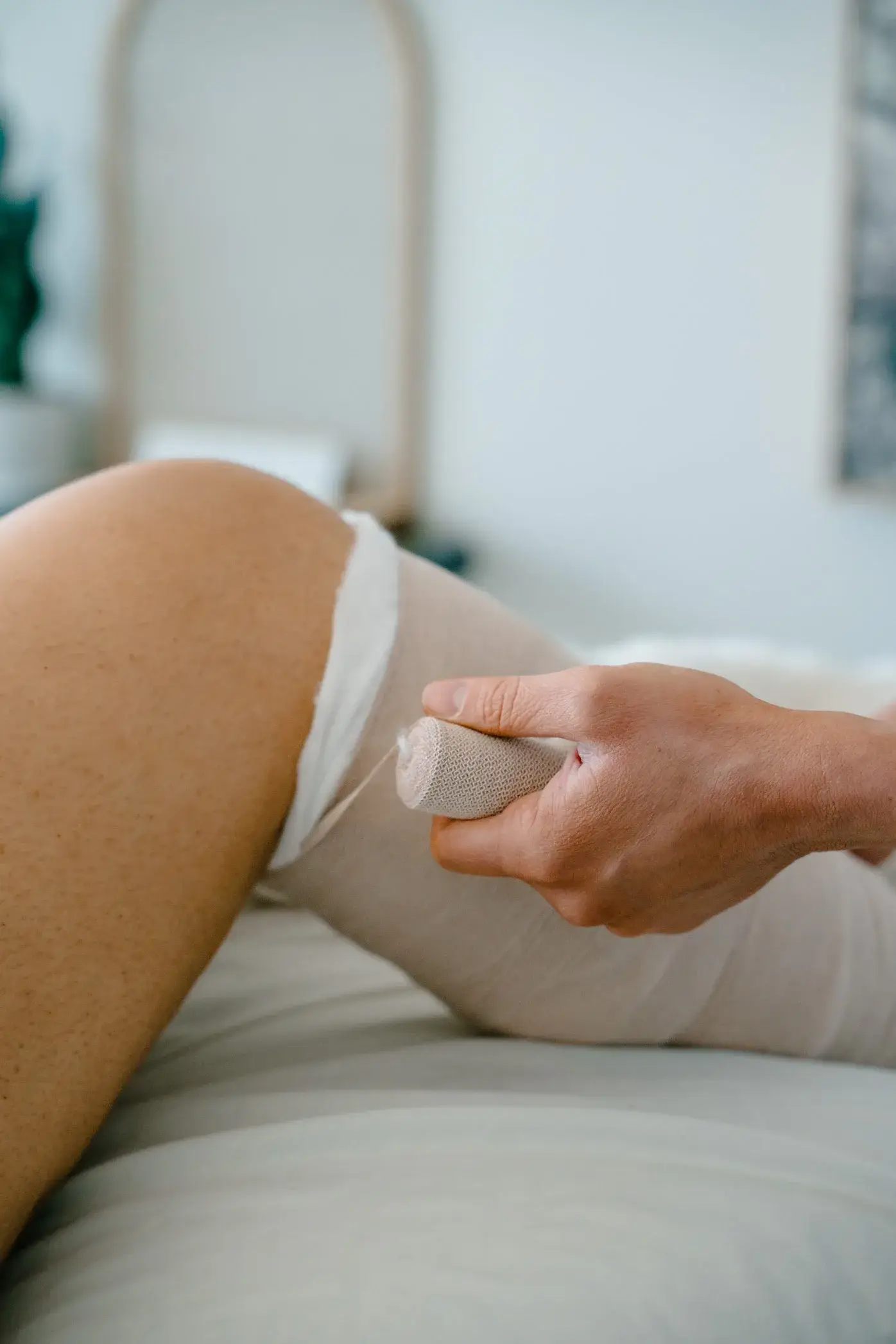
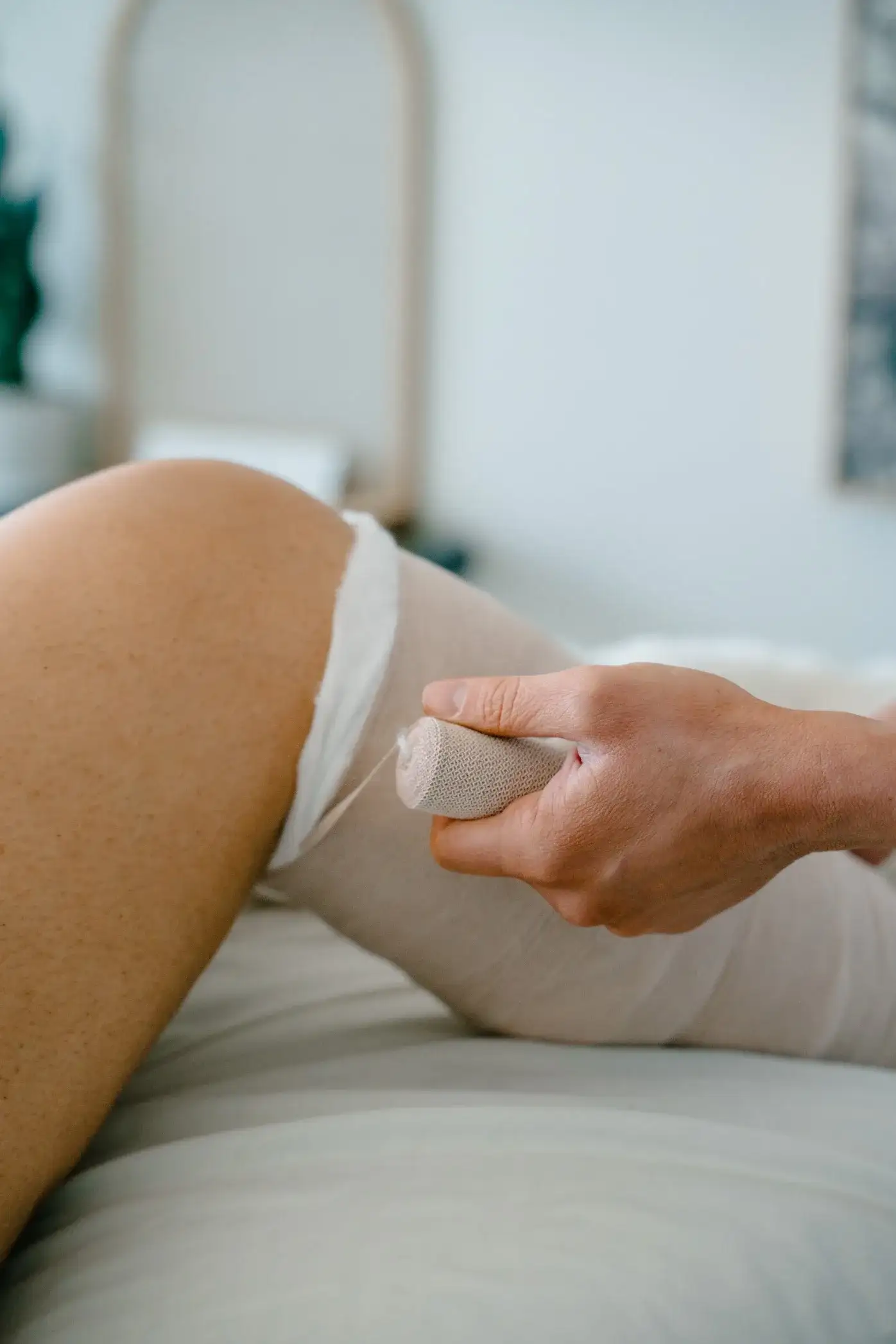
The intensive phase is the largest single expense, because it involves frequent sessions of manual lymphatic drainage and bandaging over a few weeks. Since the number of sessions varies so much from person to person, we do not publish a package price. Ask Meeghan after an assessment what your plan would involve and cost.
What helps that money go further:
- Manual lymphatic drainage adds value to bandaging. A Cochrane review found that adding manual lymphatic drainage to compression bandaging reduced swelling by a further 7.11% compared with bandaging alone. It concluded MLD is safe and may offer extra benefit, especially in mild to moderate lymphedema.
- Bandaging is the part you continue between sessions. Learning to care for your bandages makes each session count.
- Finishing with a well-fitted garment protects the result. The same Cochrane review found that, once swelling was reduced, people who kept wearing a custom sleeve were likely to keep it down at one year.
Cost two: compression garments and AADL
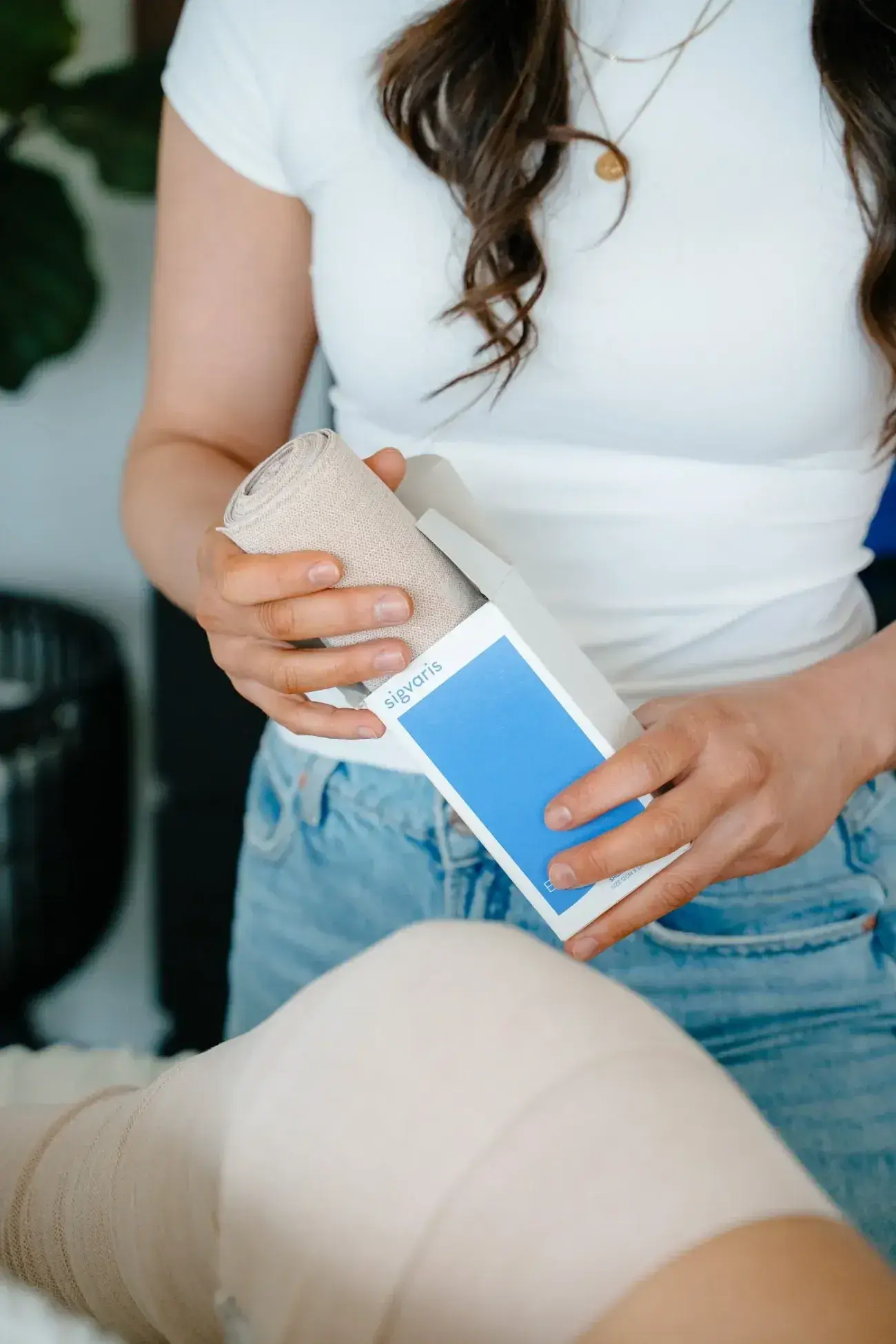
Garments are a recurring cost, and in Alberta they are where public funding helps most. Alberta Aids to Daily Living (AADL) funds ready-made compression garments for people with chronic lymphedema, as assessed by a qualified authorizer or diagnosed by a physician. AADL’s policy says people presenting with chronic lymphedema should be assessed by a Certified Lymphedema Therapist or specialty assessor, and that lymphedema garments need authorization from one.
How the cost-share works, from the Government of Alberta:
- you pay 25% of the cost of AADL benefits, up to a maximum of $500 per family per benefit year;
- the benefit year runs July 1 to June 30;
- people below set income thresholds, and people receiving certain income support programs, are exempt from cost-sharing.
AADL does not fund garments for active treatment (the initial swelling reduction before you are ready for a garment), short-term interventions or nighttime use. So the intensive phase is not where AADL comes in; maintenance is. For more detail, see AADL funding for compression garments.
Garments wear out. The Lymphoedema Framework says the elastic core breaks down with wear so hosiery should be replaced approximately every six months, sooner for very active people, and that the need for replacements should be reviewed every three to six months. Our page on when to replace compression garments covers the signs.
Cost three: maintenance over the years
Maintenance is mostly self-care, which keeps ongoing costs down. NCI’s maintenance phase relies on garments, skin care and exercise, with manual lymphatic drainage as needed rather than on a fixed schedule. Some people return for sessions only when swelling flares; others prefer regular check-ins. Our answer on how often you need lymphatic drainage with lymphedema sets out the factors.
A realistic yearly maintenance budget usually includes:
- replacement garments, with AADL’s cost-share if you qualify;
- a fitting each time your measurements or garment change;
- occasional manual lymphatic drainage sessions;
- skin care supplies.
What Renu charges, and who you will see
At Renu, lymphedema care is led by Meeghan Mackenzie, our founder and the clinic’s Certified Lymphedema Therapist. She trained through the Academy of Lymphatic Studies, built her foundation in the Vodder and Földi methods, completed advanced training at the Chikly Health Institute, and is a Certified Compression Fitter. She has been an RMT since 2005.
| Service | Length | Price |
|---|---|---|
| Compression fitting | 30 min | $25 |
| Intensive phase of CDT | Varies | Ask after an assessment |
Certification matters for both safety and funding. Lymphedema therapist certification requires a minimum of 135 hours of post-graduate training, one third theory and two thirds practical, covering lymphatic disorders, manual techniques, bandaging and garments, and the theory and practice of CDT. If you are comparing clinics, our guide on finding a Certified Lymphedema Therapist in Alberta lists what to ask.
When to call your doctor first
You need a diagnosis from your doctor before starting CDT, and some changes need medical care the same day rather than a therapy appointment. Infection is the most important one. The NHS lists the warning signs of cellulitis in a limb with lymphoedema:
- redness and a feeling of heat in the skin;
- pain and increased swelling in the area;
- a high temperature, or feeling hot, cold or shivery.
The NHS notes that cellulitis can be serious if it is not treated quickly, so contact your doctor before your next session rather than waiting for it. Also see your doctor promptly about new swelling in one limb, especially if it is painful, or swelling that appears after cancer treatment for the first time. Our page on how to know if lymphedema is infected goes further.
Next steps
Call the clinic, or book with Meeghan online through Jane, and ask what your plan would cost once she has assessed you. Our clinic is in West Hillhurst, open seven days, with free street parking on 19 Street. Our complete decongestive therapy page describes the treatment in full.
Questions people ask
Can I claim lymphedema therapy sessions on my benefits?
Meeghan is a Registered Massage Therapist as well as a Certified Lymphedema Therapist, so ask us when you book how her sessions are receipted. Whether your extended health plan pays, and how much, depends on its massage benefit and yearly limits.
Does AADL pay for my compression garments during the intensive phase?
No. AADL's compression policy excludes active treatment, meaning the initial swelling reduction before you reach a stable state ready for garment fitting, as well as short-term interventions and nighttime use. Garments are funded once you are in the maintenance phase.
How much does a compression fitting cost at Renu?
A 30-minute compression fitting with Meeghan Mackenzie, our Certified Lymphedema Therapist and Certified Compression Fitter, is $25. The garment itself is a separate cost.
Why does it matter that my therapist is a CLT?
Lymphedema therapist certification requires at least 135 hours of post-graduate training, two thirds of it practical, covering bandaging, garments and decongestive therapy. AADL also asks that chronic lymphedema be assessed by a Certified Lymphedema Therapist or a specialty assessor.
Sources
- National Cancer Institute: Lymphedema (PDQ), health professional version
- Cochrane: Manual lymphatic drainage for lymphedema following breast cancer treatment
- Government of Alberta: AADL cost-sharing of benefits
- Government of Alberta: AADL Program Manual, Section N, ready-made compression garments benefits
- Lymphoedema Framework: Template for practice, compression hosiery in lymphoedema
- Lymphedema Association of Ontario: Therapist certification
- NHS: Lymphoedema
Page reviewed October 5, 2026. This page is education, not a diagnosis. For your own situation, talk to your doctor, surgeon or care team, or ask us.
Keep reading
Related pages