
Does acupuncture hurt?
Does acupuncture hurt? Usually only a little: a brief prick as each hair-thin needle goes in, then a dull ache, tingling or heaviness around the point.
By The Renu lymphatic and massage team · 5 min read
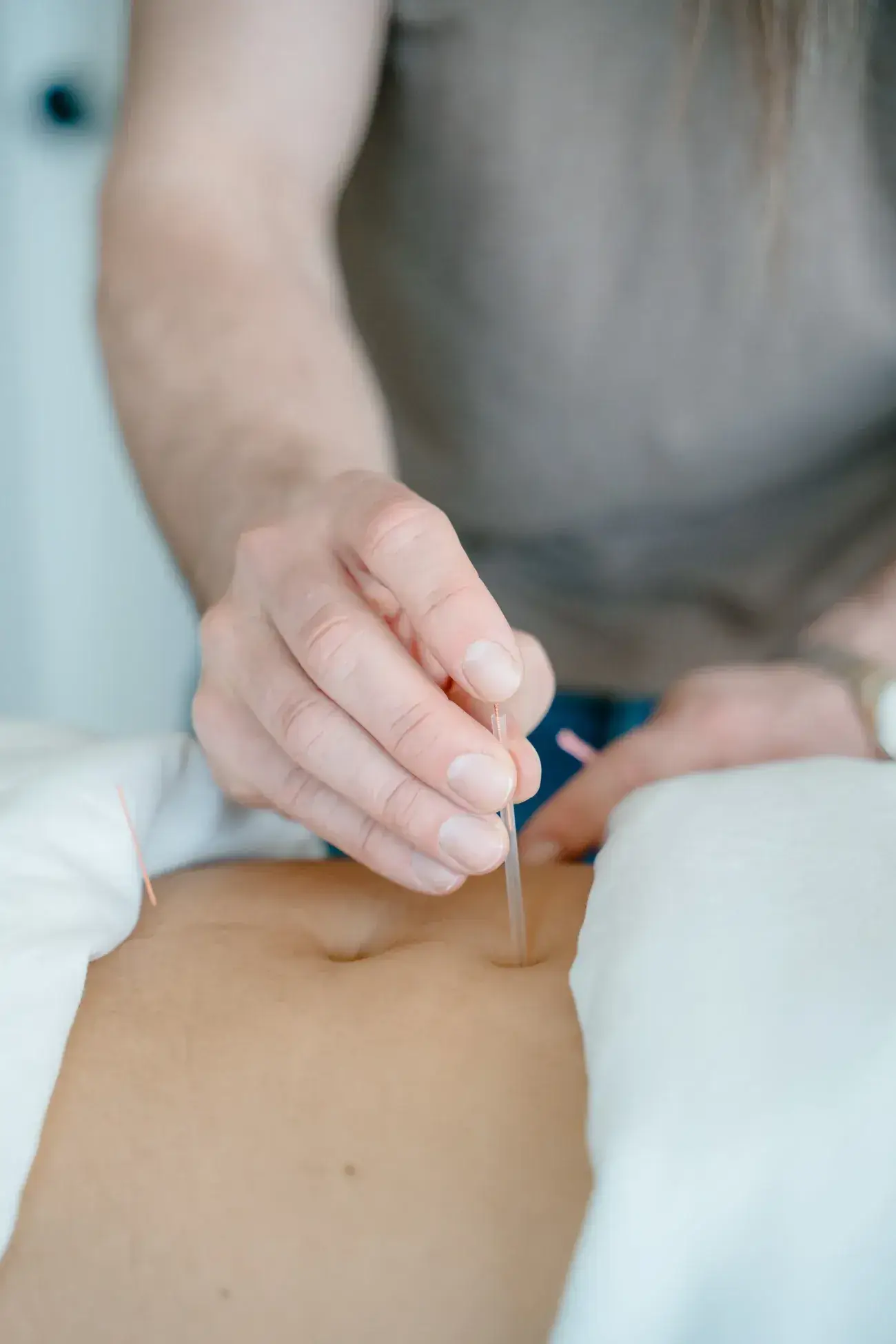
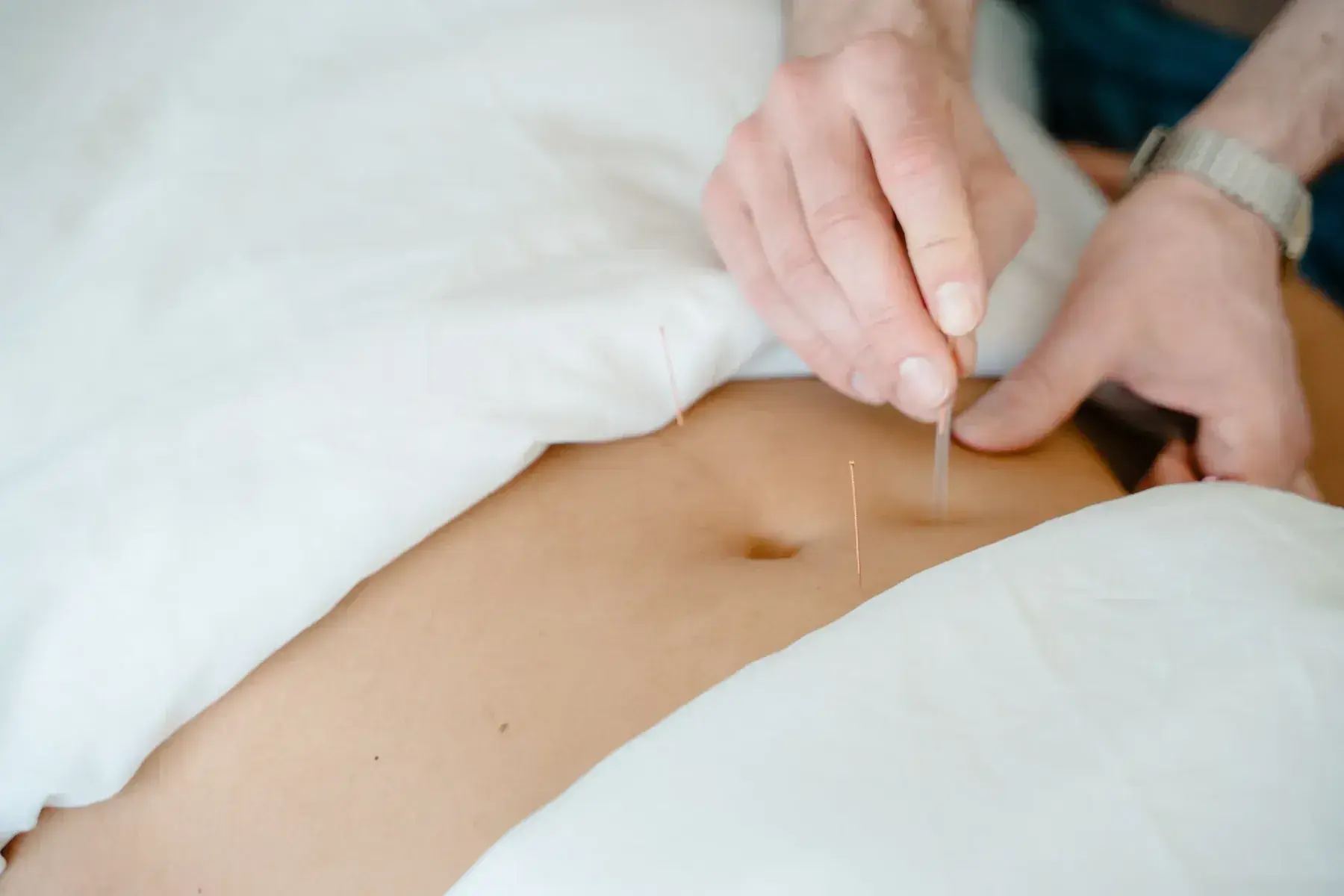
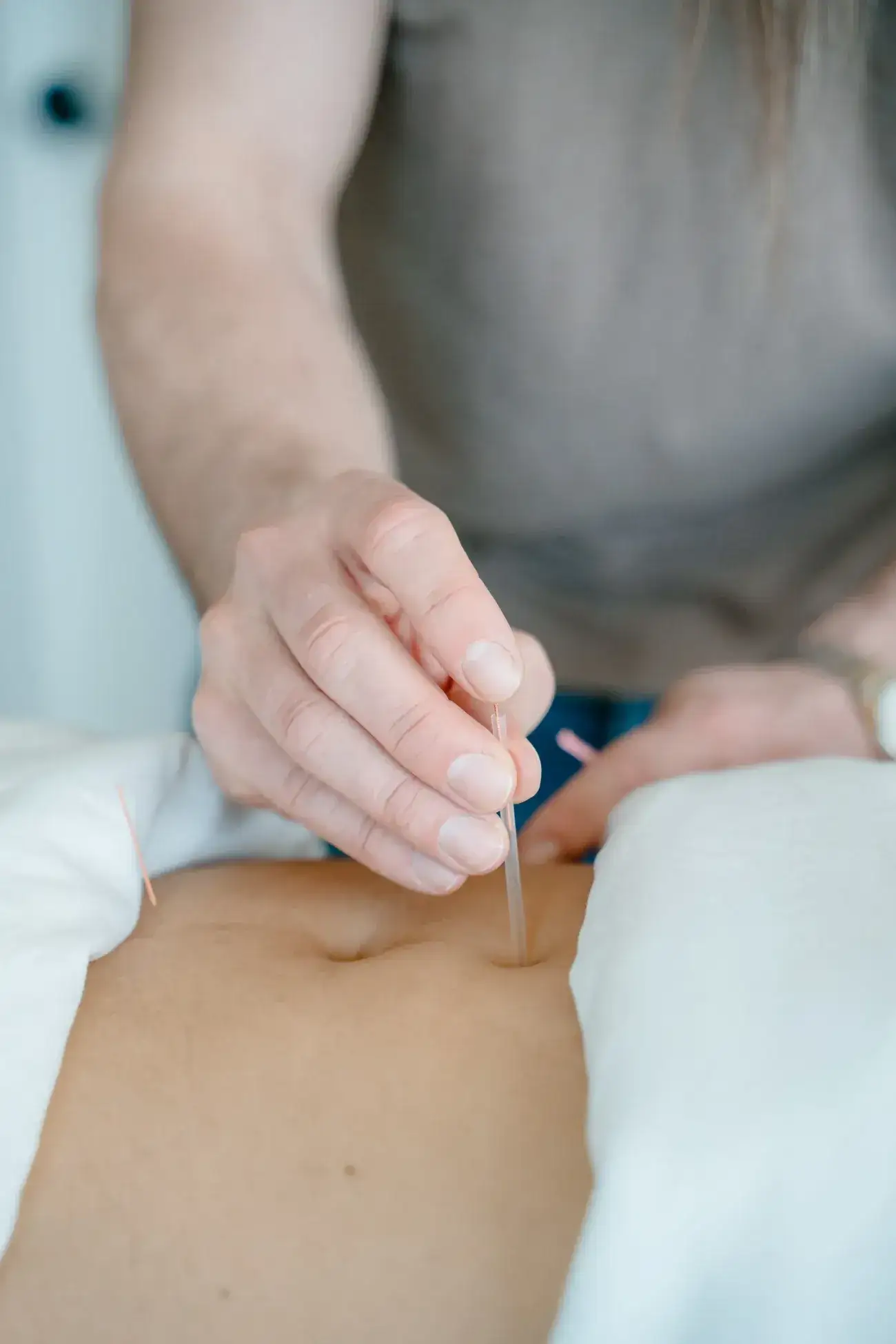
Usually only a little. Most people feel a brief prick as each needle goes in, less than a vaccine or blood draw because acupuncture needles are hair-thin and solid rather than hollow, followed by a dull ache, tingling or heaviness around the point. Sharp or lasting pain is not expected, and you can ask for a needle to be adjusted or removed at any time.
Less than most people fear. The needles used in acupuncture are nothing like the ones used for injections. There is real sensation involved, and for a few people it is uncomfortable, but sharp or lingering pain is a signal to adjust, not something to grit your teeth through.
Why it feels different from an injection
The needle itself explains most of it. Cleveland Clinic describes acupuncture needles as sterile, disposable and as thin as a human hair. They are solid, whereas an injection or blood-draw needle is hollow so that fluid can pass through it, which makes it much wider.
| Acupuncture needle | Injection or blood-draw needle | |
|---|---|---|
| Shape | Solid, hair-thin | Hollow tube, so noticeably thicker |
| Purpose | Stimulates a point | Delivers or removes fluid |
| Typical sensation going in | A small prick, sometimes nothing | A sharper sting |
Cleveland Clinic puts it plainly: you may feel a small prick with each needle, and it is less painful than a vaccine or blood draw.
What you feel once the needle is in
After the needle is placed, the feeling changes from skin to muscle. Common sensations include:
- a dull ache or pressure around the point
- tingling, or a mild spreading feeling
- warmth, tightness or heaviness
- occasionally a brief electric-like sensation that lasts a second or two
Alberta’s College of Acupuncturists calls this group of sensations de qi, and describes warmth, tingling, tightness, numbness, distension, soreness and short, mild shooting sensations as expected reactions. Its handbook draws a clear line between that and a sharp, excruciating pain, which it calls “bad pain”: when that happens, the practitioner should stop and slightly withdraw the needle. So if a point feels sharp rather than achy, say so straight away.
The handbook also lists a few other common, harmless reactions so they do not catch you off guard: feeling light-headed, slightly disoriented or pleasantly euphoric during or after a session, and feeling a little cold if the needles stay in for a longer time. A blanket helps with the second. Rarely, a rash or itching at the insertion site comes from an allergy to the metal in the needles; mention any known metal allergy before you start.
Cleveland Clinic adds that needles may stay in for a few minutes or as long as 20 minutes. Our page on how long acupuncture needles stay in explains the timing.
How often it actually hurts
The numbers are reassuring. A 2021 meta-analysis of prospective studies found that about 9% of people having a course of acupuncture reported at least one adverse event of any kind, and that half of all those events were bleeding, pain or a flare of redness at the needle site, reactions the authors describe as close to the intended effect of treatment.
Pain at the needle is the side effect people notice most. In a review of acupuncture studies in pregnancy, needling pain was the most frequent side effect linked to treatment, and every case was mild or moderate. Small bruises can follow too; see whether bruising after acupuncture is normal.
Feeling faint: who is at risk and how it is prevented
The bigger concern for nervous first-timers is not pain but feeling faint. Alberta’s safety handbook says fainting during acupuncture can come from being nervous, weak, tired or overly hungry, or from an uncomfortable position or overly strong needle stimulation. Early signs include feeling sick, dizzy or giddy, a pressure in the chest or palpitations, and going pale.
The same handbook sets out how practitioners reduce the risk:
- first-time patients are told it can happen and treated gently while lying down
- anyone prone to fainting is treated lying down or firmly supported
- needles are manipulated gently, and the practitioner watches for colour changes or disorientation
If it does start, the needles come out, you lie flat with your feet raised and sip warm or sweetened water. Most people recover with rest.
Practical steps if you are nervous about needles
You do not have to be fearless to try acupuncture, but a few steps make a first session easier:
- Eat beforehand. Coming in very hungry raises the chance of feeling faint, and the handbook lists treating someone who has not eaten for a long time as a reason for extreme caution.
- Say you are nervous. It changes how the practitioner paces the session and positions you.
- Ask to lie down rather than sit, especially for your first visit.
- Ask for a gentle start. The handbook notes that dizziness and light-headedness can follow if too many needles are used, so fewer needles and lighter stimulation the first time is a reasonable request.
- Look away if it helps. You do not need to watch the needles go in.
- Plan to rest afterwards. Cleveland Clinic suggests a ride home after the first appointment if possible, or resting 5 to 10 minutes before driving. Feeling sleepy is common; see why you might feel tired after acupuncture.
One honest caveat: the Alberta handbook lists needle phobia among the situations where acupuncture should not be given. Ordinary nerves are normal and manageable. A true phobia, where the sight of a needle makes you panic or faint, is a reason to choose a different treatment.
Your first acupuncture visit at Renu
At Renu, your acupuncture appointment is with Dr. Will Tanner, who is trained in both massage therapy and acupuncture. A first appointment is the 90-minute initial consultation and treatment ($150), which leaves time to talk before any needle goes in. Tell Will at the start if you are nervous; you can ask questions, pause or stop at any point. Booking is online through Jane, and the clinic is open seven days a week.
Questions people ask
Does acupuncture hurt more than getting blood taken?
For most people it hurts less. Cleveland Clinic compares the prick of an acupuncture needle favourably with a vaccine or blood draw, because acupuncture needles are much thinner and solid rather than hollow.
Which parts of the body are most sensitive to acupuncture?
Sensitivity varies from person to person and point to point, so there is no fixed answer. Tell your practitioner as soon as a point feels sharp; they can stop and adjust the needle.
What if I faint during acupuncture?
The practitioner removes the needles and lays you flat with your feet raised, and most people recover with rest and a few sips of water. Treating nervous or first-time clients lying down makes fainting less likely to begin with.
Can I have acupuncture if I am terrified of needles?
Alberta's safety handbook advises against acupuncture for people with a needle phobia, because a strong fear raises the risk of a faint or sudden movement. If your fear is that strong, massage or acupressure may suit you better; if it is ordinary nervousness, saying so at the start is enough.
Sources
- Cleveland Clinic: Acupuncture
- Bäumler et al., BMJ Open 2021: Acupuncture-related adverse events, systematic review and meta-analyses
- College of Acupuncturists of Alberta: Safety Handbook for Alberta Practitioners (v1.2)
- Park et al., Acupunct Med 2014: The safety of acupuncture during pregnancy, a systematic review
Page reviewed October 5, 2026. This page is education, not a diagnosis. For your own situation, talk to your doctor, surgeon or care team, or ask us.
Keep reading
Related pages