
Answers
Can lymphatic drainage help numbness after surgery?
Can lymphatic drainage help numbness after surgery? It eases swelling and tightness around the numb area, not the nerves; feeling returns as they recover.
By The Renu lymphatic and massage team · Reviewed by Meeghan Mackenzie, RMT, CLT · 5 min read
Lymphatic drainage can help with the swelling and tightness that often sit around a numb area. What it doesn't do is repair nerves, so we won't promise it will bring feeling back; that returns on its own timeline, over weeks to a year or more depending on your surgery. What we can promise is gentle, careful hands, and a session shaped around what your body can feel right now.
You touch the area and it feels far away, like it belongs to someone else. We hear this a lot after surgery. It’s one of the stranger parts of recovery, and it’s completely okay to have questions about it.
Your surgeon may not have mentioned this, and that’s okay
Lymphatic drainage is a familiar part of post-op recovery in many countries, yet many of our clients never heard about it at their consult. If you found us after a late-night scroll, you’re in good company. That’s how a lot of our clients arrive.
Our team includes a Certified Lymphedema Therapist trained in post-surgical protocols. In a pre and post-op lymphatic drainage session we’ll ask about your surgery, screen for anything that means we should wait, and explain exactly what we’re doing and why. You’ll leave knowing more than when you came in.
Two different things happening at once
Surgery can affect the tiny nerves and the fine lymphatic vessels in the same area. So numbness and swelling tend to show up together. They’re related, but they’re not the same thing.
Surgeons list the numbness openly as a known effect. The American Society of Plastic Surgeons includes changes in skin sensation among the risks of liposuction and of a tummy tuck, and MedlinePlus lists nerve damage that can cause numbness in part of the belly as a risk of abdominal wall surgery.
Lymphatic drainage focuses on fluid. If the area around the numbness feels heavy, puffy or tight, that’s where we may be able to help you feel more comfortable. What it is studied for is swelling: in a randomised trial after jaw surgery, lymphatic drainage reduced measured swelling faster than a placebo technique. Post-surgical numbness and swelling often sit in the same area, and a tight, swollen abdomen can feel more uncomfortable and strange than a softer one.
Feeling comes back on its own timeline, shaped by your surgery and your body. Your surgeon can tell you what’s typical for your procedure; the range the sources describe is wide.
| Procedure | What the sources describe |
|---|---|
| Liposuction | Numbness or tingling, and pain, for weeks after surgery (MedlinePlus) |
| Tummy tuck | Numbness expected for about a year; below the belly button takes longest and may not fully return (plastic surgeons, Aesthetic Society Q&A) |
As feeling comes back, you may notice tingling, itching, zaps or patches that feel oddly sensitive. Mention them at your follow-ups, especially if they are getting worse rather than settling. One more thing worth knowing: the Cleveland Clinic notes that a collection of blood, a hematoma, can cause tingling or numbness depending on its size and where it sits. A growing, firm swelling in a numb area should go to your surgeon rather than be massaged.
Why light touch matters even more here
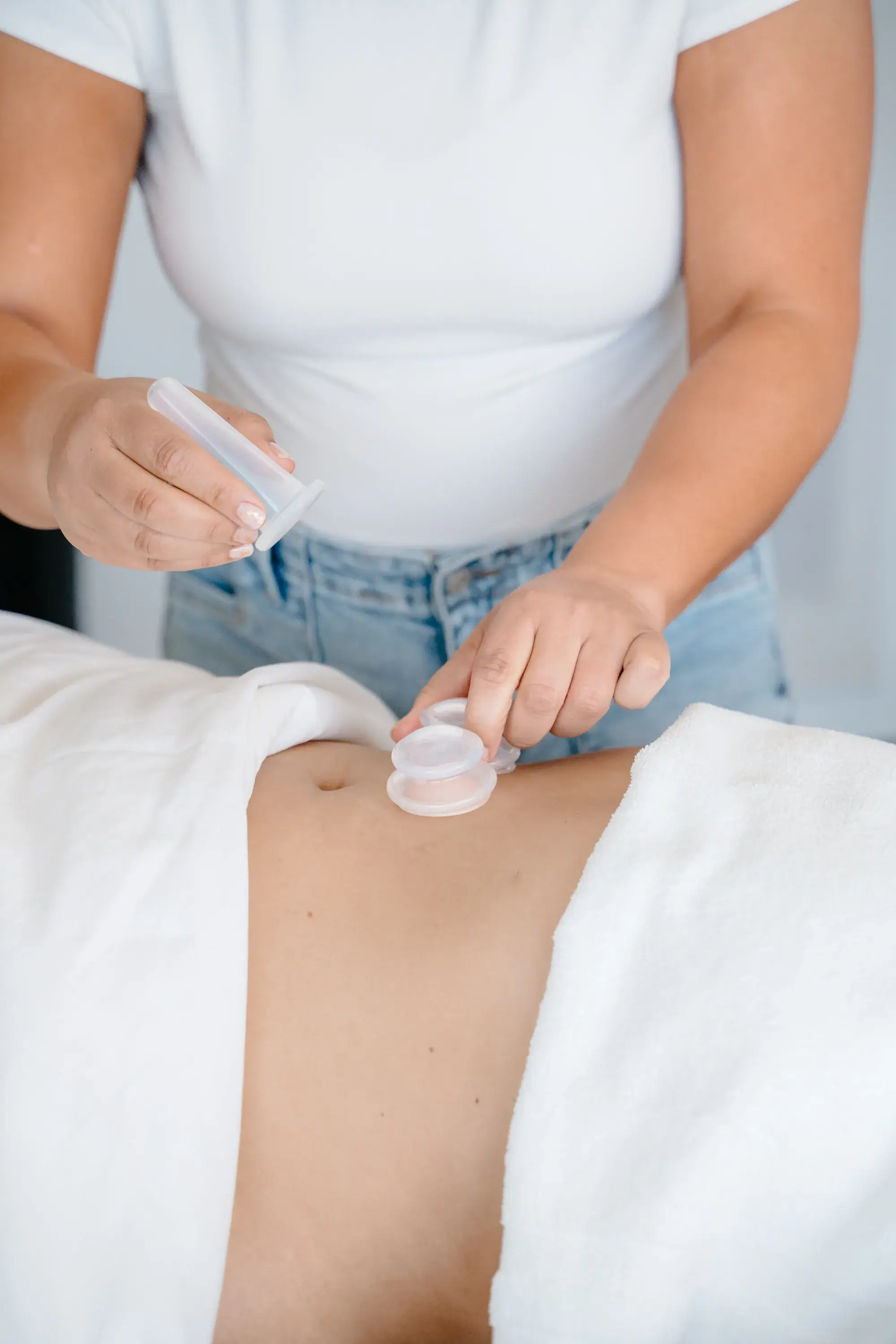
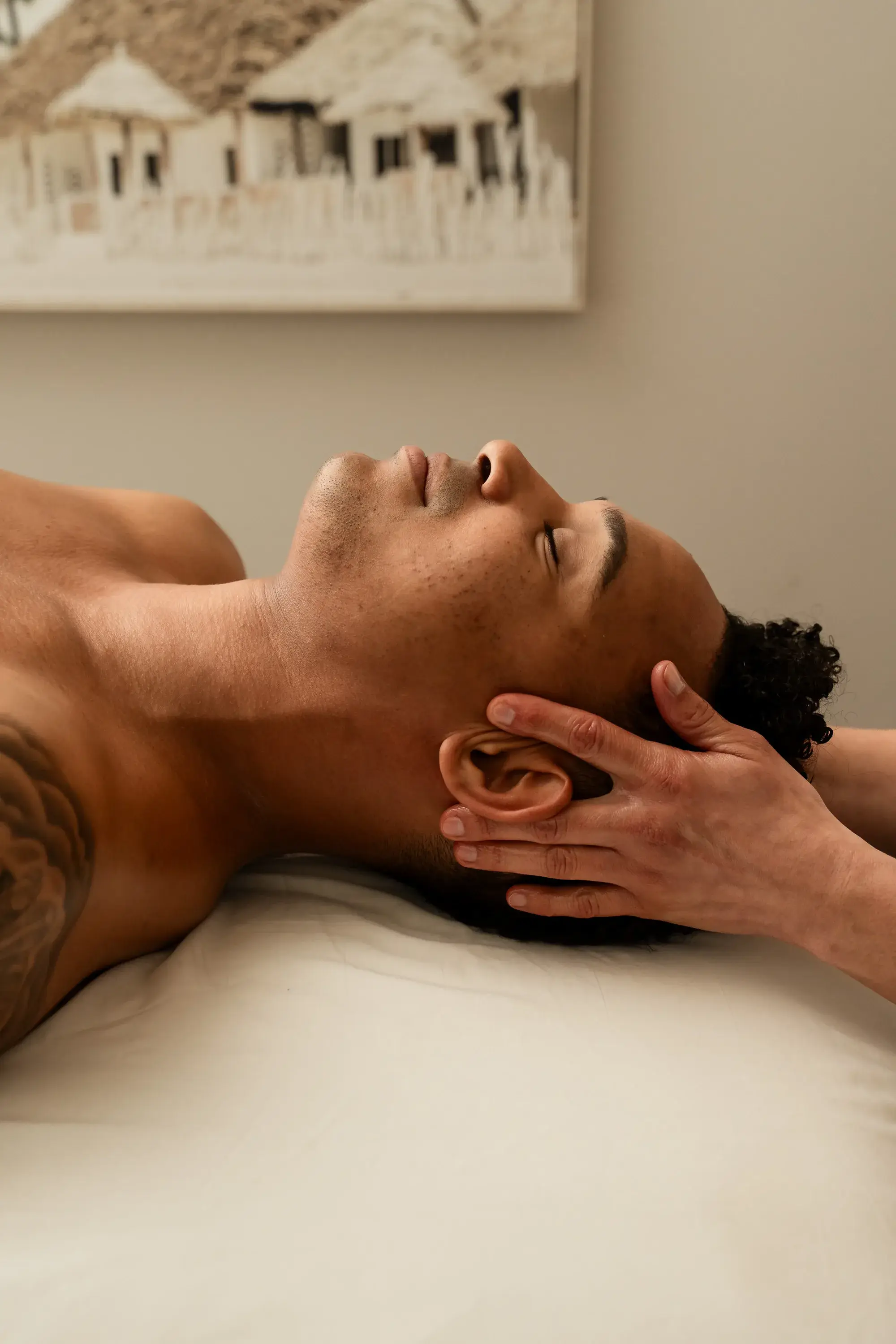
Our lymphatic work is grounded in the Chikly Method: flat hands, very light pressure, and slow, rhythmic movement. It’s also deeply calming for the nervous system. Most clients notice that part right away. (A few fall asleep. We take it as a compliment.)
When you can’t fully feel an area, gentle becomes essential. The little signal that usually says “that’s enough” may be quieter than normal. So we slow down and do the listening for you:
- we ask exactly where sensation has changed before we begin
- we adjust pressure and positioning to what feels comfortable
- we check in often, so you don’t have to guess
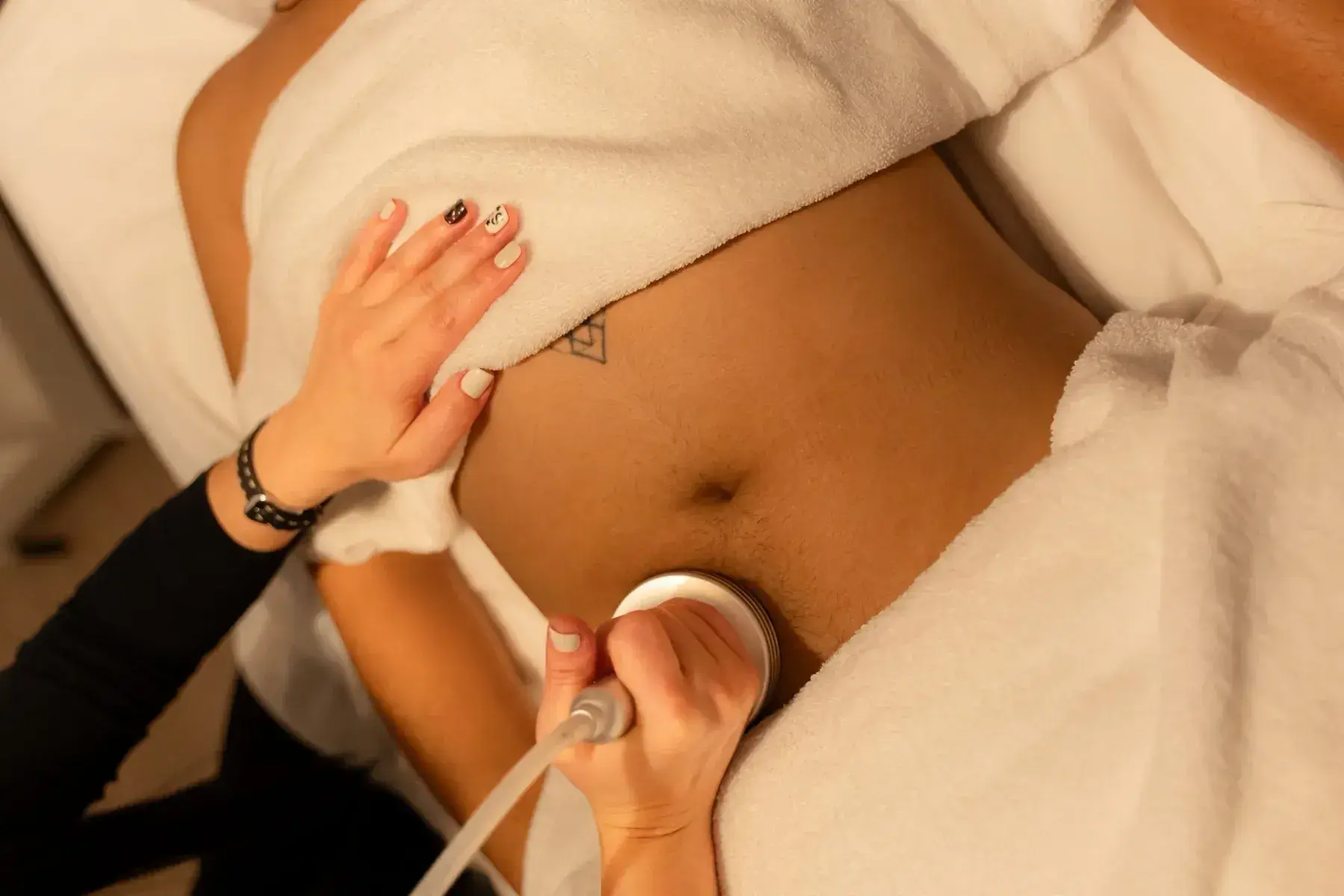
- we keep heat, cold packs, firm tools and devices away from numb areas, since you can’t feel if something’s too warm, too cold or pressing too hard
The same goes for home. Skin with reduced feeling cannot warn you, so avoid heat packs, hot water bottles and heated massage tools directly on the area, use ice only as your surgeon directs and wrapped, and check the skin visually rather than by feel. An infrared session warms the whole body; ask your surgeon when heat is allowed, and if you go ahead later in recovery, keep it short and look at the numb areas afterward.
And if something feels oddly sensitive, or you honestly can’t tell how much pressure you’re feeling, tell us. That’s helpful, not complaining.
What to bring us
- your procedure and surgery date
- where it feels numb, when you noticed it, and whether it’s changing
- any aftercare instructions about touch, garments or areas to avoid
- drains, tender spots, or anything you’re unsure about
It doesn’t need to be perfectly organized. Just bring what you know. A simple record helps you and your surgeon see the trend: once a month, lightly touch the area with a fingertip with your eyes closed, note where you can and cannot feel it, and mark the edge of the numb patch against landmarks such as the belly button or scar. A numb area that is slowly shrinking fits the expected pattern.
When to call your surgeon first
Some things need your surgeon’s eyes before ours:
- numbness that’s new or getting worse
- weakness, or pain that doesn’t feel like what you were told to expect
- spreading redness, fever, pus or a change in your incision
- a swollen, warm or painful calf
Sudden trouble breathing or chest pain is an emergency. Call 911.
Booking post-op care for a numb area
When you’re ready, choose the Post-Op option for your procedure in Book Online, or give us a call and we’ll help you figure out what fits. Sessions are 30 minutes ($105), 45 minutes ($115) or 60 minutes ($140), or 90 minutes ($210) after multiple surgeries. Your first post-op session explains what the visit looks like, and if you have had a tummy tuck, our tummy tuck recovery guide covers the wider plan. Come as you are. Tell us what’s going on, and we’ll help you choose an appointment that respects your history, your comfort and your goals. Questions before booking are always welcome.
Questions people ask
Is it okay to have lymphatic drainage on an area that feels numb?
Absolutely. We use light, careful touch and check in often, so you're not relying on sensation alone. Before we begin, we screen for anything that means we should wait, like signs of infection or a change your surgeon should see first. Some numbness is really common after surgery; if it's new or getting worse, give your surgeon a call.
My surgeon didn't mention lymphatic drainage. Should I still book?
You're not alone. Many of our clients never heard about it at their consult. Bring us your surgery details and aftercare instructions, and we'll talk through whether it's a good fit for your recovery.
How long does numbness last after surgery?
It really depends on your procedure, the area and how your body heals. MedlinePlus mentions numbness or tingling for weeks after liposuction, and plastic surgeons answering patients for the Aesthetic Society describe about a year after a tummy tuck. Your surgeon can tell you what's typical for your operation.
Will the numb area below my belly button ever feel normal?
Often it improves a great deal, but not always completely. A plastic surgeon answering patients for the Aesthetic Society said the area below the belly button takes longest, can take more than a year to show much change, and often does not fully return.
Is tingling or zapping a good sign after surgery?
Tingling is common while sensation changes, and often means feeling is on its way back. Tell your surgeon about burning pain, worsening numbness or any weakness, since those need a check.
What should I share before booking?
Your goals, your health history, and any recent surgery or aftercare instructions. We'll help you choose the right appointment and practitioner from there.
Sources
- American Society of Plastic Surgeons: Liposuction risks and safety
- American Society of Plastic Surgeons: Tummy tuck risks and safety
- The Aesthetic Society: Ask a surgeon, numbness after tummy tuck
- The Aesthetic Society: Liposuction aftercare and recovery
- MedlinePlus: Liposuction
- MedlinePlus: Abdominal wall surgery
- Yaedú RYF et al. Journal of Craniofacial Surgery (2017): Postoperative orthognathic surgery edema assessment with and without manual lymphatic drainage
- Cleveland Clinic: Hematoma
Page reviewed October 12, 2026. This page is education, not a diagnosis. For your own situation, talk to your doctor, surgeon or care team, or ask us.
Keep reading
Related pages