
Who is qualified to do lymphatic drainage massage?
Who is qualified to do lymphatic drainage massage? It depends on why you book: esthetic, post-surgical and lymphedema care each need different training.
By The Renu lymphatic and massage team · 5 min read
Several kinds of practitioners are trained to do lymphatic drainage massage, but the right one depends on why you are booking. Estheticians can train in lymphatic work for the face and healthy skin. Massage therapists and other health professionals can train in clinical manual lymphatic drainage for things like post-surgical swelling. Lymphedema care belongs with a Certified Lymphedema Therapist, who has at least 135 hours of decongestive therapy training on top of a licensed health profession. Ask which course a practitioner took, not only what title they use.
Search for lymphatic drainage in Calgary and you will find it offered by spas, esthetic studios, massage clinics, physiotherapy practices and specialist lymphedema therapists. They are not all doing the same thing, and they are not all trained for the same situations. The useful question is not “who is allowed” but “whose training matches my reason for booking”.
Match the training to your reason for booking
Lymphatic drainage is taught at several levels. Cleveland Clinic describes it as light-pressure massage done by a massage therapist or another trained healthcare provider, which leaves a lot of room. Here is how the main training paths line up with common reasons people book.
| Your reason | Training that fits | What to ask |
|---|---|---|
| Facial puffiness, skin, relaxation | Esthetician lymphatic courses, or any of the paths below | Which course, how many days |
| Brazilian-style body sessions | A certified Brazilian lymphatic drainage method | Which method and certificate |
| Swelling after cosmetic or orthopedic surgery | Clinical manual lymphatic drainage, ideally with post-surgical training | Which level, how much post-op work they do |
| Lymphedema, lipedema, lymph node removal | Certified Lymphedema Therapist (CLT) | Where they certified, how many hours |
None of these is “better” in the abstract. A facialist with esthetic lymphatic training is well suited to a facial; the same training is not designed for an arm that swelled after breast cancer surgery.
How the training levels differ
The Dr. Vodder School, one of the oldest training bodies for manual lymph drainage, offers a useful example of how the paths divide.
- Esthetician track. Open to licensed estheticians who have graduated from a practitioner program. The school describes the focus as esthetic treatment of healthy skin, with basic and advanced neck-and-face and body courses. Advanced courses add pre- and post-cosmetic surgery work, scars, acne, cellulite and liposuction.
- Health professional track, Level 1. A four-day classroom course after 20 to 45 hours of online theory, covering the original strokes and their use on each part of the body.
- Level 2, Applied MLD. A further four days for therapists whose focus is not lymphedema, covering clinical uses such as whiplash, burns, migraines and complex regional pain syndrome.
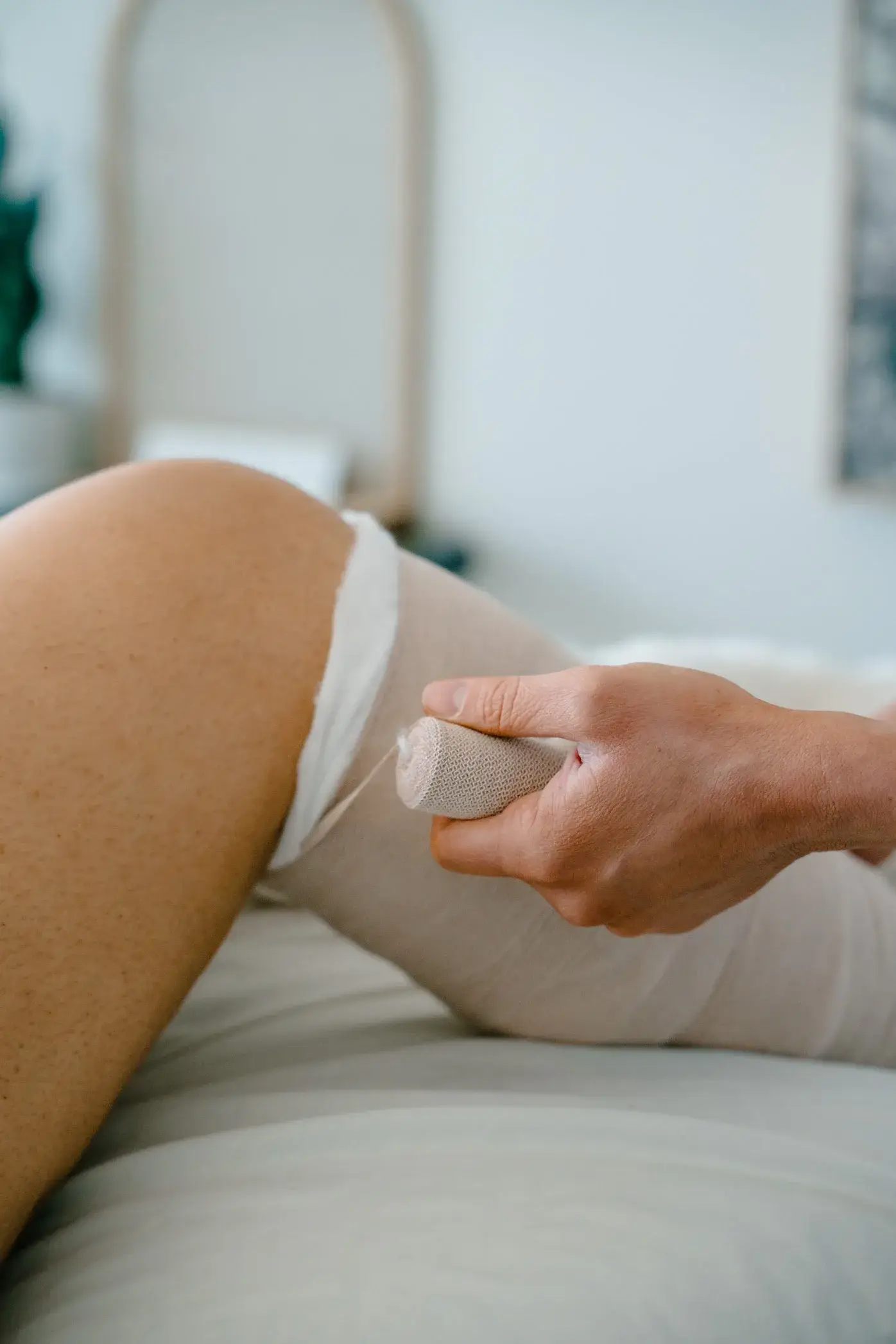
- Level 3, Lymphedema. Nine days covering the pathophysiology of edema, lymphedema and lipedema, and full combined decongestive therapy: lymph drainage, compression with bandages and garments, exercise and skin care.
The school also requires certified therapists to attend a Therapy Update at least every two years. Other schools, such as the Academy of Lymphatic Studies, Klose Training and the Chikly Health Institute, structure their courses differently, but the same principle applies: there is a large step between learning the strokes and being trained to manage lymphedema.
What a Certified Lymphedema Therapist adds
A CLT is trained in the whole of decongestive therapy, not only the hand techniques. The Canadian Lymphedema Framework’s training standard sets two requirements. The first is unrestricted licensure or ability to practise in a related field, such as nursing, physiotherapy, massage therapy, occupational therapy or medicine. The second is at least 135 hours of decongestive therapy training in a program meeting the standards of the Lymphology Association of North America. The National Lymphedema Network says that, ideally, people seeking treatment for lymphedema should see a Certified Lymphedema Therapist, and the Alberta Lymphedema Association strongly advises the same.
That depth matters because lymphedema care involves judgment calls that relaxation work does not: when compression bandaging is needed, how to reroute fluid around removed lymph nodes, and when not to treat. The National Lymphedema Network lists acute infection, decompensated congestive heart failure and acute deep vein thrombosis as contraindications to manual lymph drainage. For a fuller comparison of the two credentials, see RMT vs Certified Lymphedema Therapist.
Why the title alone does not tell you enough
The letters after a name are only a starting point. RMTs belong to professional associations, and the Massage Therapist Association of Alberta’s active membership requires a two-year, 2,200-hour massage therapy diploma, first aid and CPR, and a criminal record check. Ask which association your therapist belongs to.
Lymphatic credentials are similar. “Certified lymphatic therapist” can describe a weekend course or a 135-hour CLT. So ask three things:
- Which school or method did you train with?
- Which level or course did you complete, and when?
- Are you listed with the Alberta Lymphedema Association? (For lymphedema care.)
Our page on finding a certified lymphedema therapist in Alberta explains where to look.
When to see your doctor before any therapist
Some swelling needs a diagnosis before anyone works on it. See your doctor first if swelling is new and in one limb, if it comes with pain, warmth or redness, if you have a fever, if you are short of breath, or if you have a heart or kidney condition. Cleveland Clinic lists blood clots, cellulitis, fever, heart disease, infection and kidney failure among reasons to avoid lymphatic drainage.
How the training is spread across our team
At Renu, the training on our team is matched to what each person treats. Founder Meeghan Mackenzie is an RMT, Certified Lymphedema Therapist through the Academy of Lymphatic Studies and Certified Compression Fitter, with Vodder and Földi foundations and advanced training at the Chikly Health Institute; she leads complete decongestive therapy. Leah Buschau is an RMT with Vodder Level One MLD. Sasha Bernard and Monica Von Gaza are RMTs with lymphatic training. Aisha Mendes holds a CIDESCO Diploma in Esthetics and is a Certified Brazilian Lymphatic Drainage Practitioner, working on the lymphatic facials and Brazilian sessions at BodyTox by Renu.
A classic lymphatic drainage massage is 60 minutes for $130, and a post-op lymphatic drainage massage is 60 minutes for $140. Tell us your reason for booking when you book through Jane, and we will point you to the right person.
Questions people ask
Can an esthetician do lymphatic drainage?
Yes, within an esthetic scope. The Dr. Vodder School, for example, runs courses for licensed estheticians that focus on esthetic treatment of healthy skin, with advanced courses covering pre- and post-cosmetic surgery work, scars and acne. Lymphedema management is taught on a separate track for health professionals.
Do you have to be certified to do lymphatic massage?
Certification is a matter of training, so it is worth asking for the name of the course and level completed. For lymphedema, the Canadian Lymphedema Framework recommends therapists with at least 135 hours of decongestive therapy training and a licensed health profession.
Is an RMT automatically trained in lymphatic drainage?
No. RMT membership rests on a general 2,200-hour massage therapy diploma, while schools such as Dr. Vodder teach manual lymph drainage in their own separate courses for health professionals. Ask whether the RMT has completed a named lymphatic course, such as a Vodder level, and how recently.
How often do lymphatic therapists have to retrain?
It depends on the school. The Dr. Vodder School asks its certified therapists to attend a Therapy Update class at least every two years to keep their certification. Other programs set their own rules, so ask.
Sources
- Dr. Vodder School International: Courses for estheticians
- Dr. Vodder School International: Courses for health care professionals
- Canadian Lymphedema Framework: Lymphedema training standards consensus statement
- National Lymphedema Network: Lymphedema diagnosis and treatment position paper
- Alberta Lymphedema Association: Therapists
- Massage Therapist Association of Alberta: Active membership requirements
- Cleveland Clinic: Lymphatic drainage massage
Page reviewed October 5, 2026. This page is education, not a diagnosis. For your own situation, talk to your doctor, surgeon or care team, or ask us.
Keep reading
Related pages