
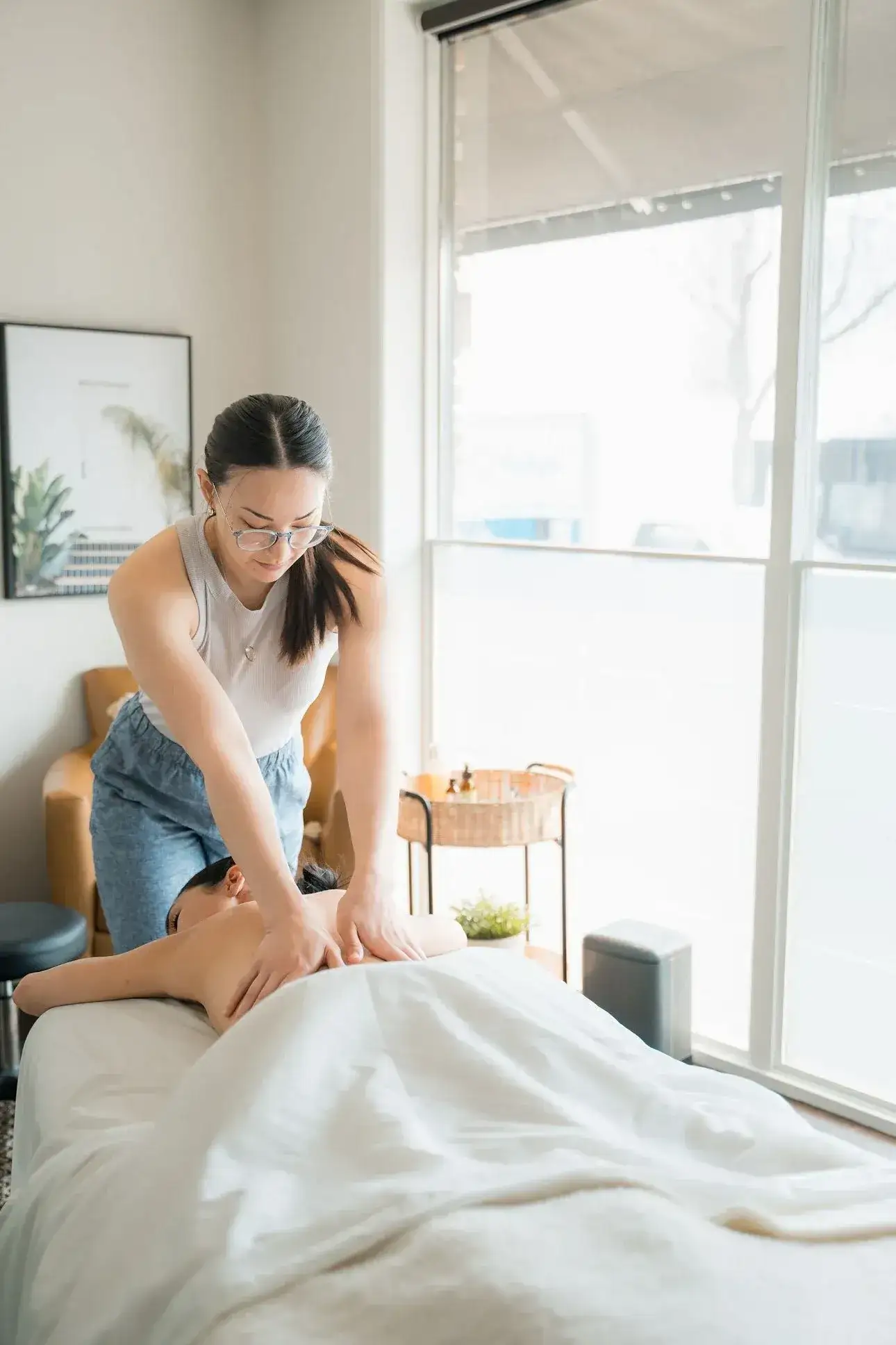
Massage for long COVID
Massage for long COVID may ease aching muscles and joints, but direct evidence is thin. How to keep a session short and light so it does not set off a crash.
By The Renu lymphatic and massage team · 5 min read
Massage may help with the aching muscles and joints of long COVID and with feeling more settled, but there are no controlled trials of massage for it yet. It works best as a support alongside your doctor or a post-COVID service, kept short and light, with rest afterwards, so it does not set off a crash. If exertion makes your symptoms worse, the session has to fit inside your energy budget, not stretch it.
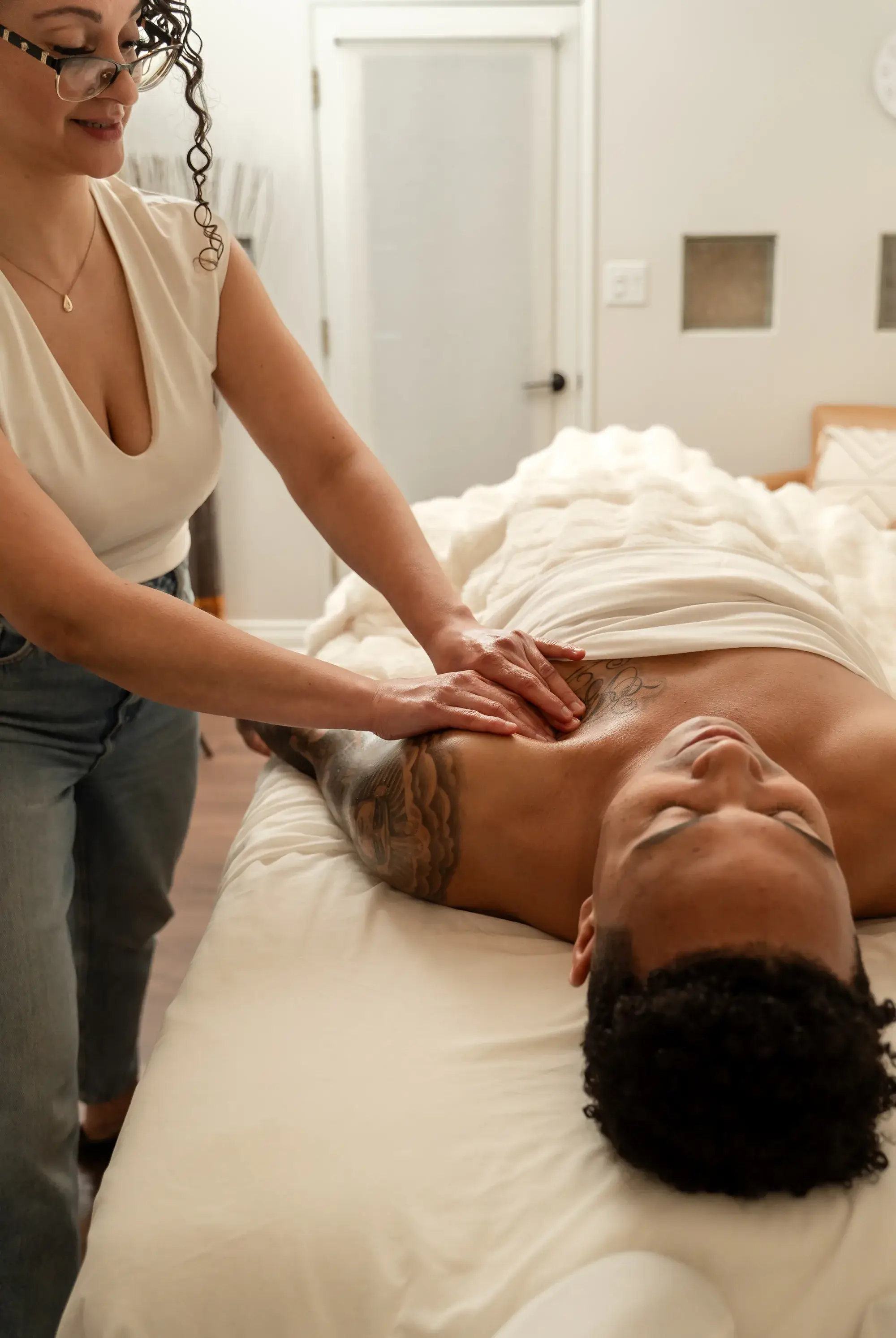
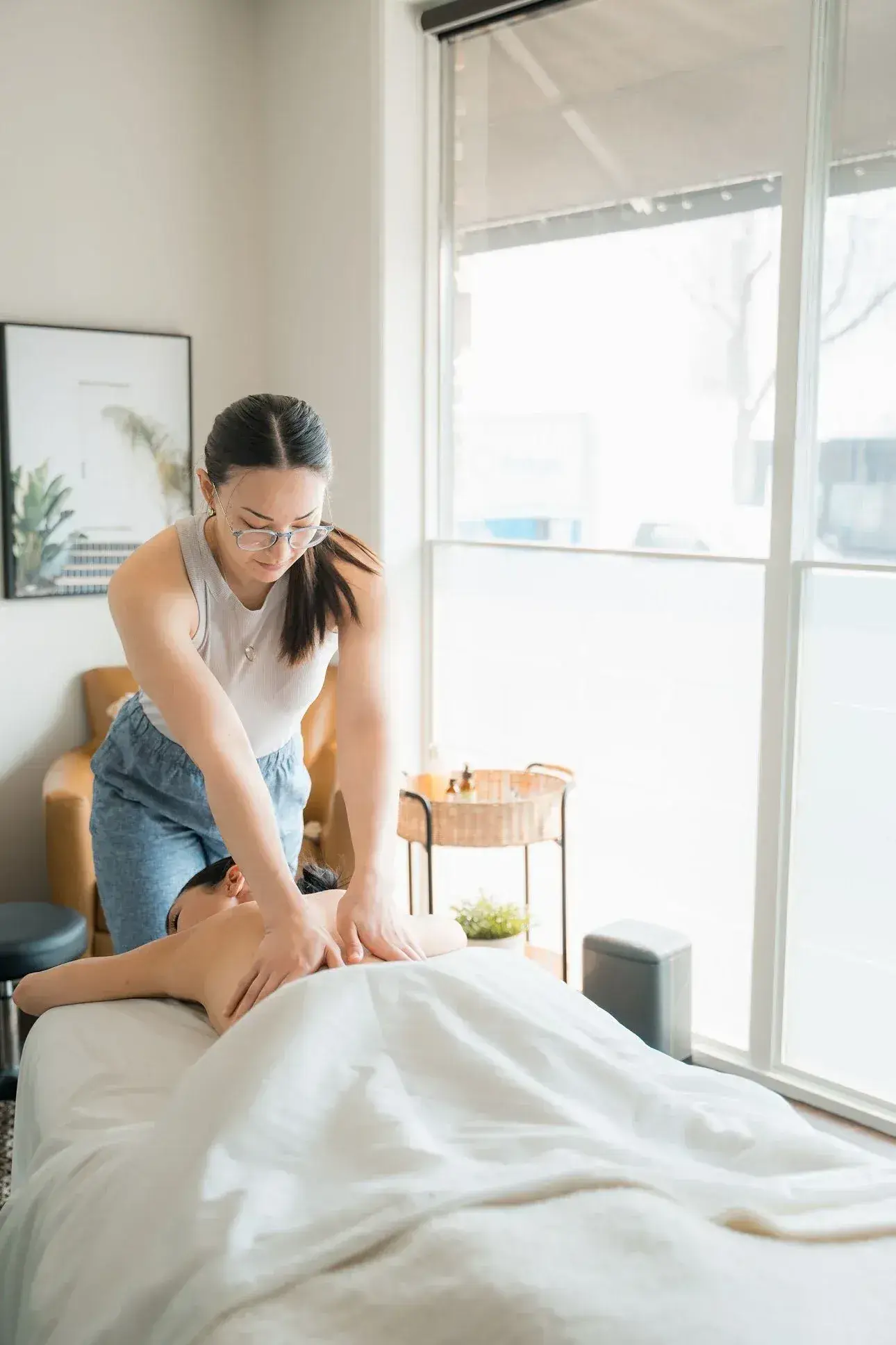
Long COVID wears people down in a particular way. The aches are real, the tiredness does not lift with sleep, and an ordinary errand can cost you the rest of the week. Gentle massage is something many people want during that stretch, and it can be a kind thing to do for your body, as long as it is planned with the same care you now give everything else.
What long COVID is
The World Health Organization calls it post COVID-19 condition. Its symptoms usually start within three months of the original infection and last at least two months. The NHS uses a 12-week mark: symptoms of COVID-19 that last longer than 12 weeks.
The most common symptoms on the NHS list are extreme tiredness, shortness of breath, joint pain and aching muscles, and problems with memory and concentration. Others include chest tightness, palpitations, headaches, dizziness, poor sleep, pins and needles, and anxiety or low mood. Over 200 different symptoms have been reported, according to the WHO.
The outlook is encouraging for many people. The WHO says symptoms generally improve over time, typically over 4 to 9 months, and estimated in 2022 that about 15 in 100 people still had symptoms at 12 months. The NHS also notes that some people live with long-lasting symptoms for years.
The symptom patterns that change how we treat
Two clusters described by the WHO matter most on a massage table, because they decide how long, how firm and how warm a session can be.
| Pattern | What it looks like | What it means for a massage |
|---|---|---|
| POTS-type symptoms | Dizziness, palpitations and light-headedness when you stand, poor exercise tolerance | Head raised or side-lying, a slow sit-up at the end, no heat afterwards |
| Post-exertional malaise | Symptoms worsen after physical or mental effort | Short, light sessions, nothing else planned that day, rest afterwards |
If dizziness on standing is part of your picture, our page on massage for POTS covers the positioning and sit-up routine in detail. The NHS lists long COVID among the conditions that make POTS more likely. If effort reliably leaves you worse, the ME/CFS page explains energy budgeting, since the WHO notes that some people with long COVID develop ME/CFS.
What the evidence says about massage
The research is early, and it is fair to say so plainly.
- A small lymphatic drainage case series. In the UK, 20 people with long COVID saw Perrin technique practitioners weekly for an average of about nine or ten sessions, using effleurage and other manual techniques plus daily self-massage and gentle mobility exercises. Fatigue-related symptom scores fell by about 45% in men and 52% in women. There was no control group, so some of that change may have come with time, and the technique’s developer was one of the authors.
- A 2024 review. Researchers mapped the most common long COVID symptoms against massage studies in conditions with similar symptoms and proposed massage as a potential way to improve quality of life. They did not test massage in people with long COVID.
So there is a reasonable case that massage can ease pain and help you rest, and no evidence yet that it changes the course of the illness. We are not going to sell it as a recovery program.
Pacing a massage so it does not cost you a crash
The WHO’s self-care advice for long COVID includes learning your triggers, reducing activity during a flare and not returning to usual levels until the flare has settled. The NHS adds a symptom diary. A massage is an activity too, so treat it like one:
- Start small. A 30-minute session first, even if you would usually book an hour.
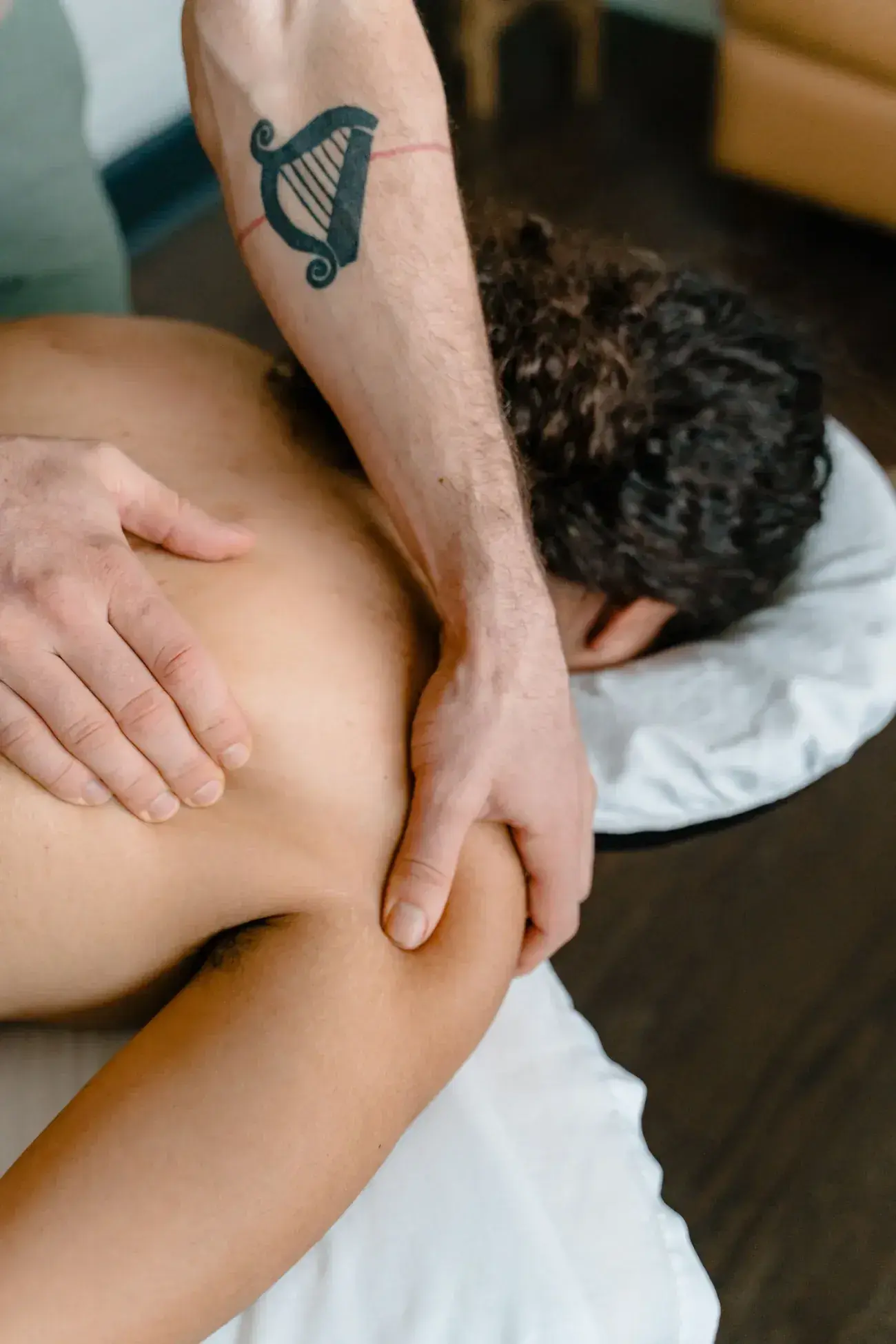
- Keep pressure light to moderate. Deep, effortful work asks more of a body that is already depleted. Our guide on how much pressure a massage should have helps you put words to it.
- Protect the day. Do not stack the appointment with errands, a commute in rush hour and a busy evening. Plan to rest afterwards.
- Watch the following days. Note fatigue, pain, brain fog and sleep in your diary. Any worsening is a signal to shorten or space out sessions.
- Skip heat at first. Save the infrared pod until you know your body tolerates heat, particularly if standing makes you dizzy.
- Go gently with the rest of your plan. The NHS advises not starting exercise again before talking to a GP or specialist, and a massage does not replace that conversation.
A good outcome is a session you enjoy, a little less aching and no crash afterwards. That is worth repeating.
When to see your doctor or call 911
The NHS recommends seeing a GP if you think you might have long COVID; tests may include heart rate and blood pressure checks, blood tests and oxygen levels. Talk to your doctor before booking if symptoms are new, worsening or not yet assessed.
Call 911 if you have:
- sudden chest pain or pressure that does not go away, pain spreading to an arm, the neck, jaw or back, or chest pain with sweating, sickness, light-headedness or breathlessness;
- signs of a stroke: a drooping face, an arm you cannot lift and hold, or slurred or confused speech.
The WHO notes that heart disease and stroke occur more often than usual after COVID-19, so these signs should never be put down to long COVID without a check.
How this works at Renu
Book massage therapy through Jane with any of our Registered Massage Therapists and write “long COVID” in the booking notes, along with whether dizziness on standing or crashes after effort are part of your picture. Sessions come in 30 minutes ($80), 45 minutes ($100) and 60 minutes ($120). Most people do best starting at 30 minutes and moving up only after a session that left no flare behind.
We are open until 8:30 pm on weekdays, which helps if mornings are slow, and there is free street parking on 19 Street. If you are curious about gentle drainage work instead of regular massage, our lymphatic drainage massage page explains how it feels and what it costs.
Questions people ask
Can massage make long COVID worse?
It can if the session is too long, too firm or squeezed into an already busy day, because more activity is a known trigger for worse symptoms. Keep the first session short and light, rest afterwards and note how you feel over the following days before you book again.
Is lymphatic drainage better than regular massage for long COVID?
The only manual-therapy data come from a small series of 20 people treated with the Perrin technique, a form of lymphatic drainage, with no comparison group, and the technique's developer was an author. That is too little to say one style beats another. Choose whichever you find more restful.
How long does long COVID last?
The World Health Organization says symptoms generally improve over time, typically within 4 to 9 months, though about 15 in 100 people still had symptoms at 12 months in its 2022 estimates. The NHS adds that some people have long-lasting symptoms for years.
Should I use the infrared sauna for long COVID?
We would hold off at first, especially if you get dizzy or your heart races when you stand. Heat is a known trigger for that pattern. Raise it with your doctor before adding heat to your routine.
Sources
- World Health Organization: Post COVID-19 condition (long COVID) fact sheet
- NHS: Long COVID
- Heald et al., Cardiovascular Endocrinology and Metabolism (2022): Reducing fatigue-related symptoms in long COVID, a lymphatic drainage intervention
- Wheibe et al., International Journal of Therapeutic Massage and Bodywork (2024): Long COVID syndrome and potential benefits of massage therapy
- NHS: Postural tachycardia syndrome (PoTS)
- NHS: Chest pain
- NHS: Symptoms of a stroke
Page reviewed October 5, 2026. This page is education, not a diagnosis. For your own situation, talk to your doctor, surgeon or care team, or ask us.
Keep reading
Related pages