
Massage and lymphatic combination vs lymphatic drainage
Massage and lymphatic combination vs lymphatic drainage: the combination suits sore muscles plus mild puffiness; full MLD suits real swelling or surgery.
By The Renu lymphatic and massage team · 5 min read
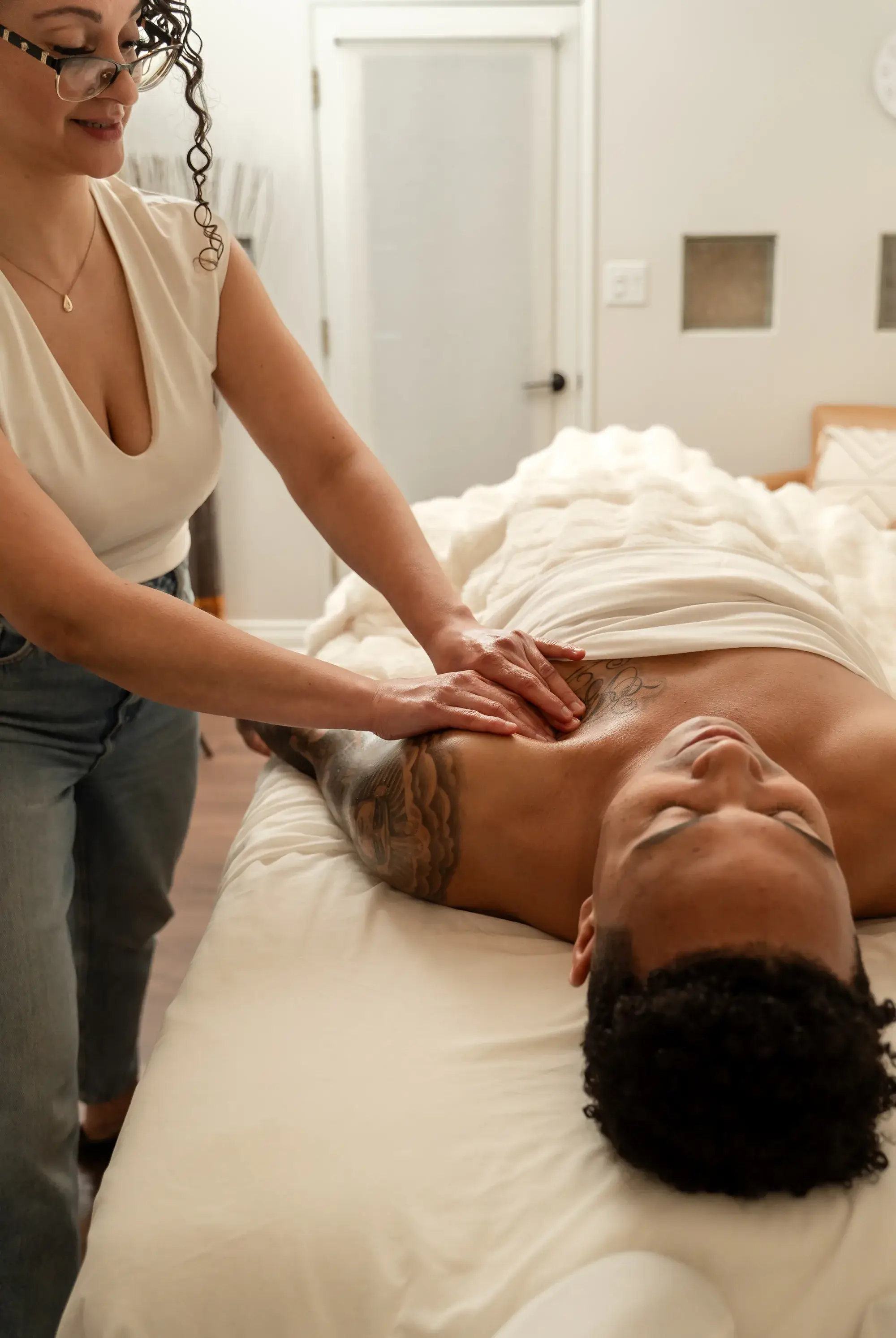
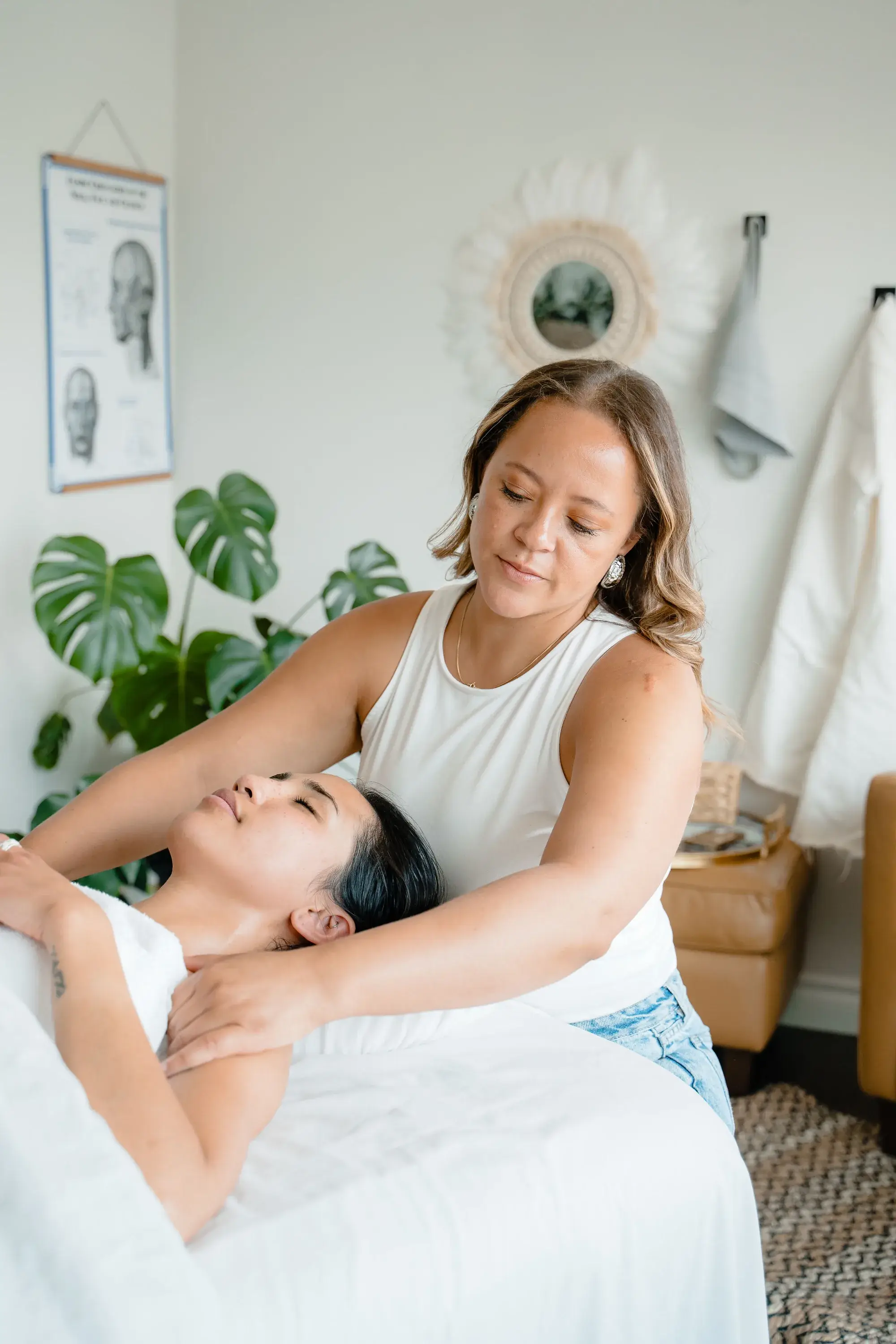
The massage and lymphatic combination splits one session between therapeutic muscle work and manual lymphatic drainage, so it suits a healthy person who has both tight muscles and some puffiness or heavy legs. A dedicated lymphatic drainage session spends the whole time on light, slow drainage, which is the right choice for swelling after surgery, lymphedema, or any time the fluid is the main problem. At Renu, a 60-minute session of either is $130, so the choice is about what your body needs, not price.
A lot of people come to us wanting two things at once: their shoulders to let go, and their legs or face to feel less puffy. The massage and lymphatic combination was built for exactly that. It is not the right tool for everyone, though, and knowing when to skip it matters as much as knowing when to book it.
Two techniques, two pressures
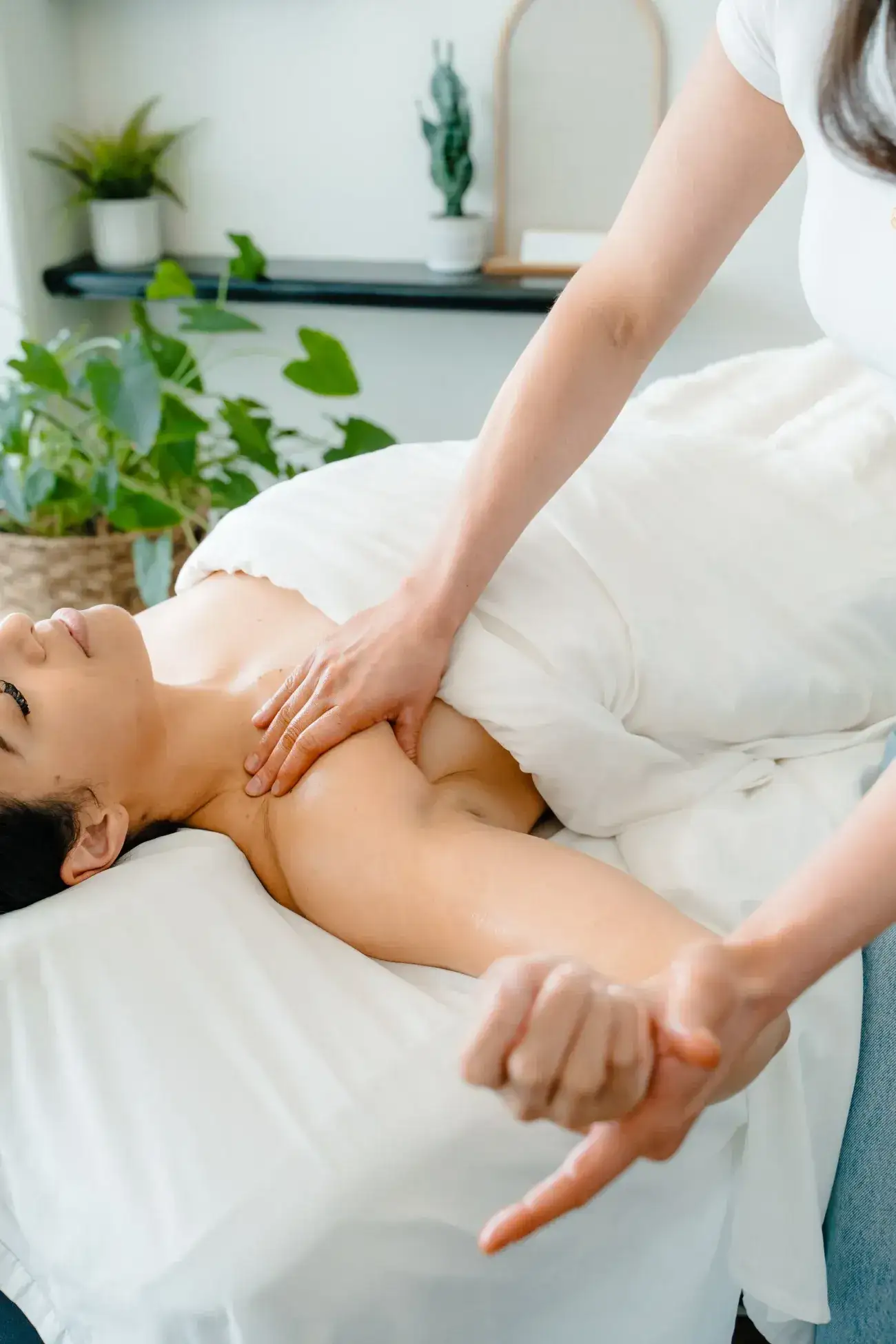
The reason these are separate sessions at all is pressure. Massage for muscles works into the tissue. Manual lymphatic drainage barely does. The National Lymphedema Network’s 2025 position paper describes MLD as a working phase of gentle pressure and skin stretching that increases lymph formation, followed by a relaxation phase that lets lymph vessels refill. Cleveland Clinic describes the same thing in plainer words: light pressure and strategic technique.
| Massage and lymphatic combination | Lymphatic drainage session | |
|---|---|---|
| What happens | Muscle work and lymphatic drainage in one session | Lymphatic drainage for the whole session |
| Pressure | Changes between firm (muscles) and light (drainage) | Light throughout, adapted to the tissue |
| Main goal | Muscle tension plus mild fluid retention | Moving fluid: swelling, heaviness, recovery |
| Who it suits | Healthy people with both complaints | Anyone whose main issue is swelling |
| After surgery or with lymphedema | Not the right choice | The right starting point |
| 60 minutes at Renu | $130 | $130 |
| 90 minutes at Renu | $165 | Not offered as classic; post-op has its own options |
Because the drainage half needs light, unhurried strokes, a combination gives you less of each than a dedicated session would. For a healthy person that is a fair trade. For someone whose fluid is the real problem, it is not.
Who the combination suits
The combination is a good fit when both complaints are real and neither is medical.
- Desk-tight shoulders and neck, plus legs that feel heavy at the end of the day
- Training soreness, with some puffiness after travel or a long flight
- Wanting the familiar feel of a massage while trying lymphatic work for the first time
- A general reset when you cannot decide which you need more
If you are not sure which half matters more, tell your therapist at the start, and ask when you book how the time is usually shared.
When the combination is the wrong choice
Choose a full lymphatic session, or another service, in these situations:
- Recent surgery. Healing tissue needs light, careful drainage, not muscle work over the area. The American Society of Plastic Surgeons describes swelling after liposuction as only starting to subside around weeks four to five. Book post-op lymphatic drainage instead.
- Lymphedema or lipedema. The NLN advises that people seeking lymphedema treatment should ideally see a Certified Lymphedema Therapist. Our page on deep tissue massage with lymphedema explains the cautions, and complete decongestive therapy is the specialist route.
- Swelling nobody has explained. The NHS advises seeing a GP if your legs, ankles or feet are swollen and the swelling has not improved after a few days. Get it checked before booking either session.
- Mostly muscle pain, very little puffiness. A straight massage therapy session gives you the whole hour on muscles: 60 minutes is $120 and 90 minutes is $157.
Safety: what both sessions share
Massage is generally low-risk. The US National Center for Complementary and Integrative Health describes the risk of harm from massage as low. It notes rare reports of serious problems such as a blood clot, nerve injury or bone fracture, mostly with vigorous techniques like deep tissue massage or in people at higher risk of injury, such as older adults.
Lymphatic drainage adds its own list. Cleveland Clinic advises avoiding it with blood clots, deep vein thrombosis, cellulitis, fever, infection, heart disease, kidney failure or stroke, and providers will not work directly over cancerous tissue or skin damaged by radiation. The NLN names acute infection, decompensated congestive heart failure and acute DVT as contraindications.
Check with your doctor before booking either session if you have a heart or kidney condition, are being treated for cancer, or have had, or may have, a blood clot. Our page on who should not have lymphatic drainage massage covers the details.
How it works at Renu
The massage and lymphatic combination pairs therapeutic muscle work with manual lymphatic drainage in the same session. It is 60 minutes for $130 or 90 minutes for $165, booked through Jane; ask when you book who provides it and how the time is split. A classic lymphatic drainage massage is 30 minutes ($95), 45 minutes ($105) or 60 minutes ($130).
Getting the most from a combination session
A little preparation helps the therapist use the time well.
- Name your two targets. Say where the tension sits and where you feel puffy or heavy, so the drainage time goes to the right area.
- Mention your history. Surgery, medications, a heart or kidney condition or a cancer history change the plan, even if they seem unrelated.
- Say how the pressure feels. Firm work on a tight muscle is fine; drainage strokes should never feel like they press into the muscle.
- Plan a quiet evening. Some people feel sleepy after lymphatic work, so a hard workout straight afterwards is not ideal.
A simple way to decide
- Mostly swelling, or any surgery or lymphedema: a full lymphatic drainage session.
- Sore muscles with a bit of puffiness: the combination.
- Mostly muscles: massage therapy.
If you would like the reasoning behind the light touch, read why lymphatic drainage pressure is so light, and for the deeper side of the comparison, lymphatic drainage vs deep tissue massage.
Questions people ask
Is the combination a good first lymphatic session?
It can be, if you are healthy and mainly curious. You get a feel for lymphatic drainage while still getting the muscle work you are used to. If swelling is your reason for booking, start with a full lymphatic session instead.
Should I pick 60 or 90 minutes for the combination?
Sixty minutes ($130) suits one or two areas of tension plus drainage. Ninety minutes ($165) gives room for a fuller massage and a more complete drainage sequence, which helps if both your back and your legs need attention.
Can I claim the combination on my benefits?
When it is given by a Registered Massage Therapist, it is generally treated like any other massage session, but plans differ. Check your plan's massage therapy rules before you book.
Will I feel puffy or sore afterwards?
Some people feel tired, and Cleveland Clinic notes that headaches or nausea can follow lymphatic drainage for some people. Drink water, take it easy for the evening, and tell your therapist at your next visit how you felt.
Sources
Page reviewed October 5, 2026. This page is education, not a diagnosis. For your own situation, talk to your doctor, surgeon or care team, or ask us.
Keep reading
Related pages