Cupping vs acupuncture
Cupping vs acupuncture for neck, shoulder and back pain: what the head-to-head trials show, how Alberta regulates each, side effects and which to try first.
By The Renu lymphatic and massage team · 5 min read
Cupping uses suction cups to lift the skin and muscle; acupuncture places fine, sterile needles at specific points. The only systematic review comparing them directly found similar pain relief across 23 trials, but every trial was of poor quality. Acupuncture has the deeper evidence base, with first-line backing for chronic low back pain, and it is a regulated health profession in Alberta while cupping on its own is not. If you are needle-averse, cupping within a massage is a gentle start; for chronic low back pain or migraine, acupuncture is the better-studied choice.
Cupping and acupuncture both come from traditional Chinese medicine and are both used for pain, so people often treat them as interchangeable. They are not quite. Cupping pulls tissue up with suction; acupuncture places needles into it. In the few trials that compared them head to head, they performed about the same, but those trials were weak. Acupuncture has more research behind it overall, and in Alberta it is a regulated profession with a public register. Many people end up using both.
How each one works
Cupping draws the skin and muscle up into a cup; acupuncture places fine needles at chosen points.
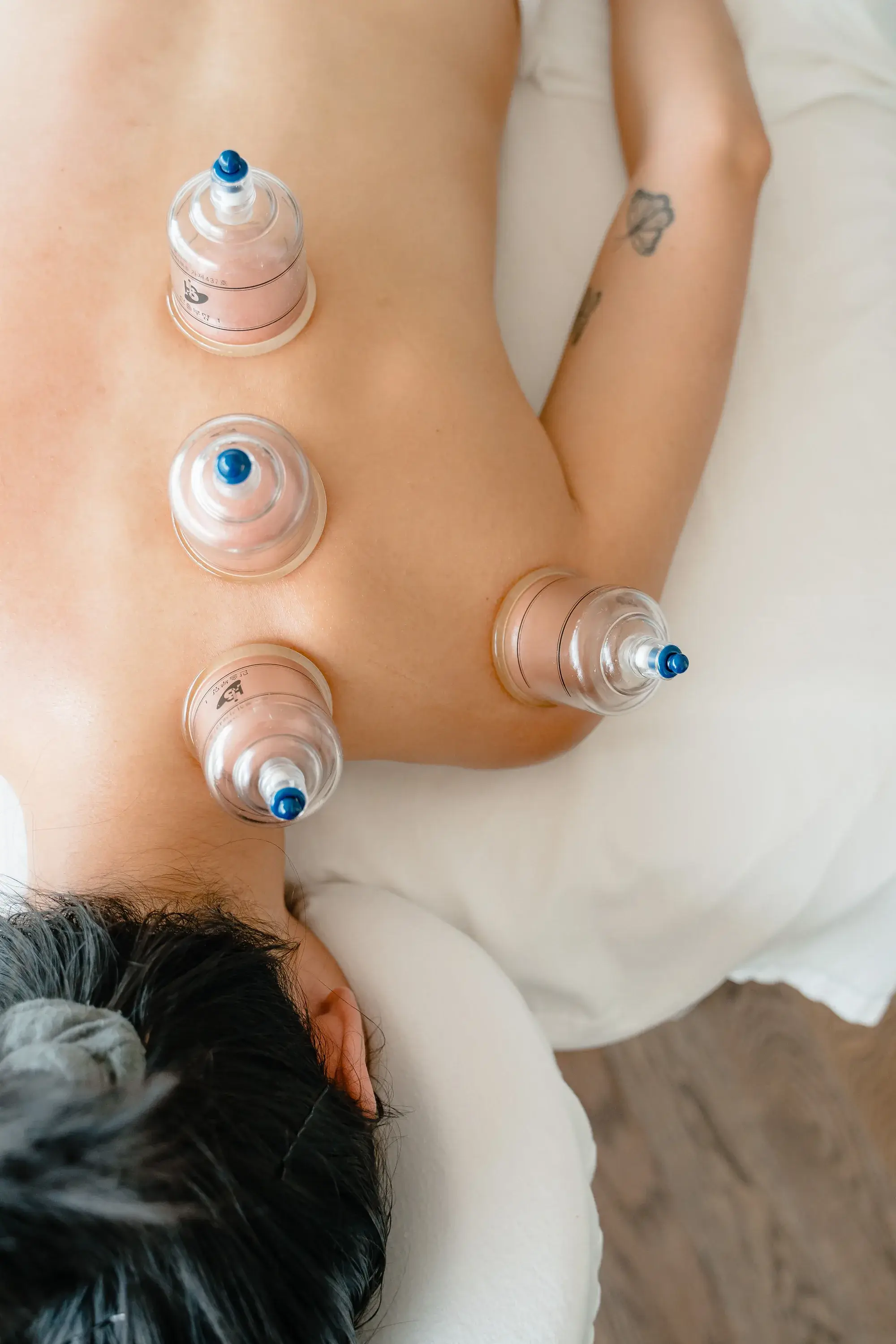
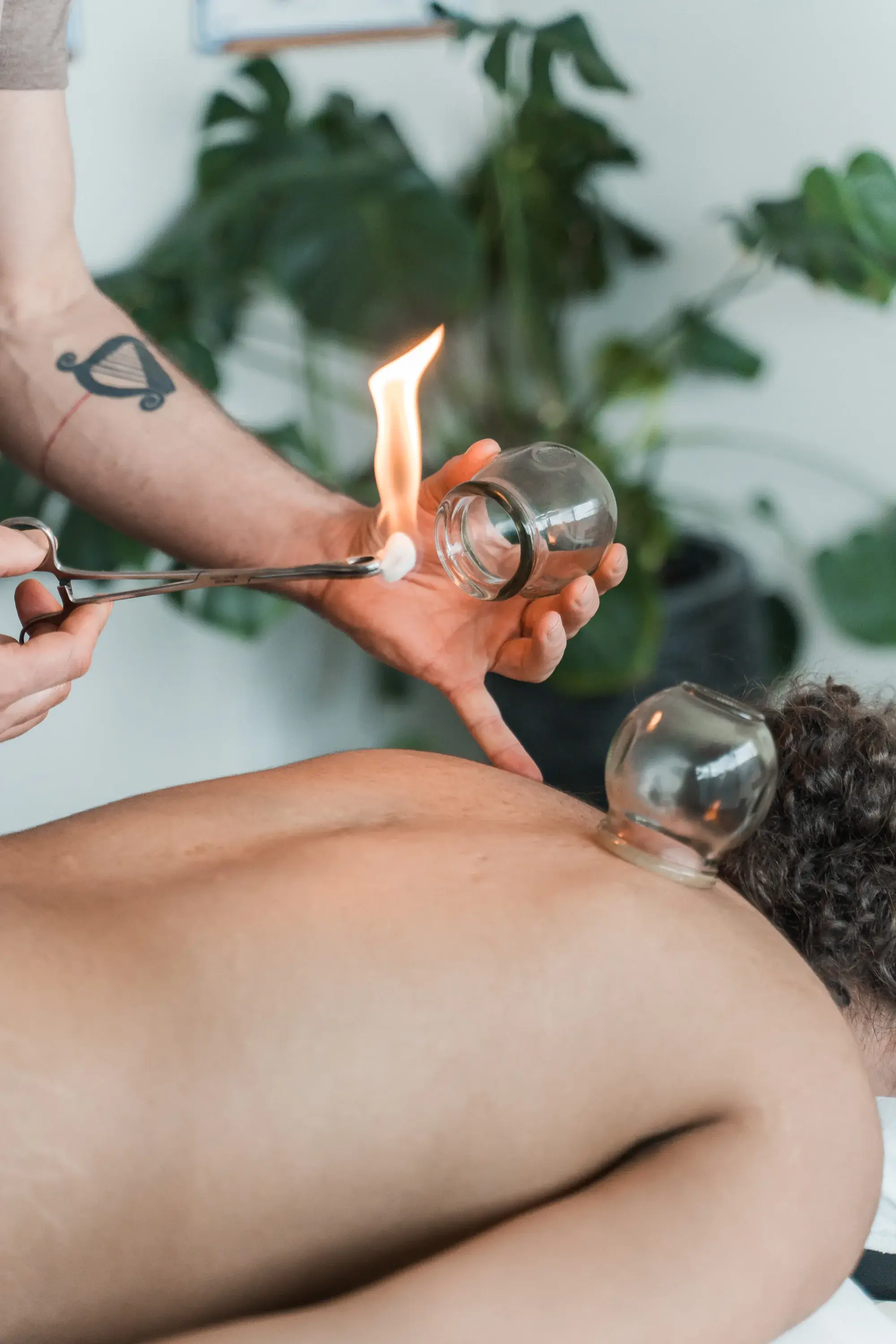
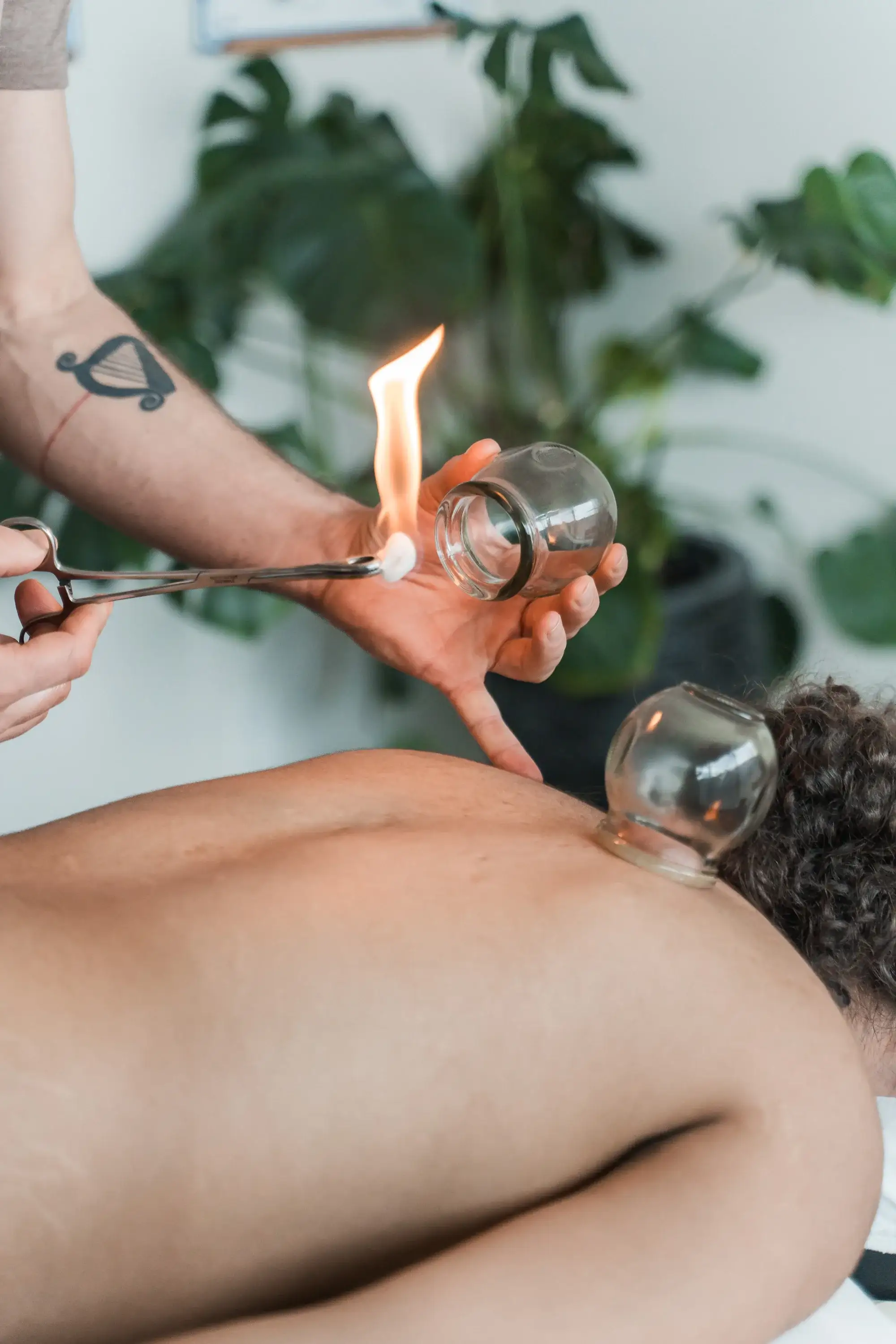
Cupping creates suction inside glass, silicone, plastic or bamboo cups, either by briefly heating the air with a flame or with a pump. The U.S. National Center for Complementary and Integrative Health (NCCIH) distinguishes dry cupping, which does not break the skin, from wet cupping, which does. Cups may be left in place or glided across oiled skin, as in myofascial cupping.
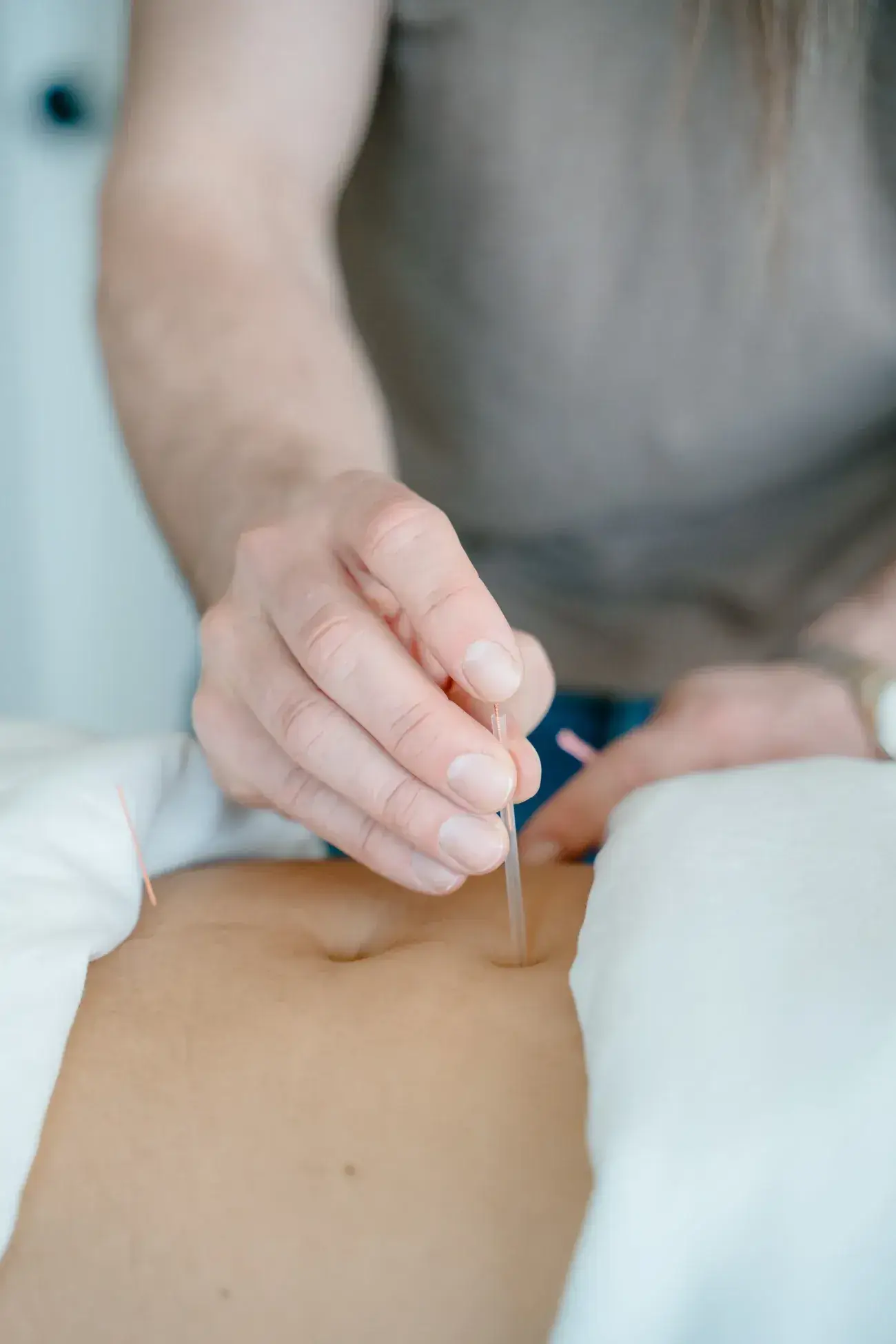
Acupuncture places very fine, solid needles at specific points. NCCIH notes that in the United States needles are regulated as medical devices and must be sterile and labelled for single use only.
| Cupping | Acupuncture | |
|---|---|---|
| Tool | Suction cups | Fine, sterile, single-use needles |
| Breaks the skin | No (dry cupping) | Yes, superficially |
| Regulated in Alberta | Not as a profession on its own | Yes: College of Acupuncturists of Alberta |
| Evidence base | Mostly low quality | Larger; first-line option for chronic low back pain |
| Common side effects | Round marks; rarely burns or flare of eczema or psoriasis | Brief soreness; rarely infection or injury |
What the head-to-head research shows
When compared directly, cupping and acupuncture gave similar pain relief, but the trials were too weak to be confident. The only systematic review to compare them, by Zhang and colleagues in Chinese Medicine in 2017, included 23 randomized trials with 2,845 people across 12 pain conditions. Pooled results showed similar rates of improvement for cervical spondylosis (neck arthritis), lateral femoral cutaneous neuritis (a nerve pain in the outer thigh) and frozen shoulder, and no significant difference on pain scales for any condition. All of the included studies were of poor methodological quality, and no serious adverse events were reported for either treatment.
Where acupuncture has more support
Outside those comparisons, acupuncture simply has more evidence. NCCIH summarises it this way:
- Back and neck pain: more effective than no treatment, and about as effective as anti-inflammatory medicines in a 2018 review. The American College of Physicians recommends acupuncture as a first-line treatment for chronic low back pain.
- Knee osteoarthritis: better than no treatment, with knee studies showing the clearest benefits.
- Migraine: a 2020 review found it slightly more effective than drugs for prevention, with people much less likely to stop because of side effects.
- Tension headache: moderate to low quality evidence that it may reduce how often they happen.
For cupping, NCCIH’s view is that most research is of low quality, and it may help reduce pain but the evidence is not very strong.
Regulation and safety in Alberta
In Alberta, acupuncture is a regulated health profession and cupping on its own is not. The Government of Alberta lists acupuncturists among the professions regulated under the Health Professions Act, governed by the College of Acupuncturists of Alberta, which keeps a public register where you can verify that an acupuncturist is registered. Physiotherapists who want to use needles must complete a post-entry needling program and get additional authorisation from their college. Massage therapy is not a regulated profession in Alberta.
Both are generally safe in trained hands, but the risks differ:
- Cupping: temporary round marks are common; less often scarring, burns, infection, or worsening of eczema or psoriasis. Equipment shared without sterilisation can spread hepatitis B and C.
- Acupuncture: complications are rare when done properly; poor technique can cause infection or injury to organs. Needles should always come from a sealed, single-use pack.
Check with your doctor before either if you take blood thinners, have a bleeding disorder, are pregnant, or have a skin condition in the area.
How to choose
Let your goal and your comfort with needles decide:
- Nervous about needles, or would rather it sit inside a massage session: myofascial cupping in a massage session.
- Chronic low back pain, knee arthritis or migraine prevention, or you want the better-studied option: acupuncture.
- Tight neck and shoulders from desk work or a long Calgary winter of shovelling: either is reasonable; many people start with cupping and add acupuncture if progress stalls.
- You want both: a combined session pairs needles with hands-on work.
Whichever you choose, give it a fair trial and judge it on function, not on marks or sensations. Notice whether you can turn your head further, sleep better or sit longer at your desk after a few sessions. If nothing has changed, or your pain is getting worse, it is time to see your doctor rather than keep booking.
Cupping and acupuncture at Renu
Acupuncture at Renu is with Dr. Will Tanner, a Registered Massage Therapist trained in Traditional Chinese Medicine at CITCM, who also offers fire cupping. A first visit is a 90-minute initial consultation and treatment, then 60-minute return visits or 45-minute follow-ups; a 90-minute acupuncture and massage combination is also available. Myofascial cupping with our RMTs, including Monica Von Gaza, is booked as a 60 or 90-minute session. Our pages on myofascial vs fire cupping and acupuncture for low back pain go deeper before you book in Jane.
Questions people ask
Do cupping marks mean something is wrong?
No. Round marks are the most common effect of cupping and come from suction drawing blood toward the skin. They fade on their own; our page on how long cupping marks last covers the usual timeline. Tell your doctor you have had cupping if they will be examining your skin.
Does acupuncture hurt more than cupping?
They feel different. Acupuncture needles are very fine, and most people feel a brief prick or a dull ache at the point. Cupping feels like a strong pulling, which some people find more intense than needles, especially with firm suction.
Are physiotherapists allowed to do acupuncture in Alberta?
Only with extra authorisation. The College of Physiotherapists of Alberta requires physiotherapists to complete a post-entry needling education program and apply for authorisation before using needles for acupuncture or intramuscular stimulation.
Can cupping be done at home?
Home kits exist, but cupping can cause burns, skin damage and, with shared equipment that is not sterilised, the spread of blood-borne infections. If you want to try it, start with a trained practitioner who can show you what safe suction feels like.
Sources
- Zhang et al., Chinese Medicine 2017: Cupping therapy versus acupuncture for pain-related conditions, a systematic review of randomized controlled trials
- National Center for Complementary and Integrative Health: Cupping
- National Center for Complementary and Integrative Health: Acupuncture, what you need to know
- Government of Alberta: Regulated health professions
- College of Acupuncturists of Alberta
- College of Physiotherapists of Alberta: Restricted activities
Page reviewed October 5, 2026. This page is education, not a diagnosis. For your own situation, talk to your doctor, surgeon or care team, or ask us.
Keep reading
Related pages